
 EN
EN



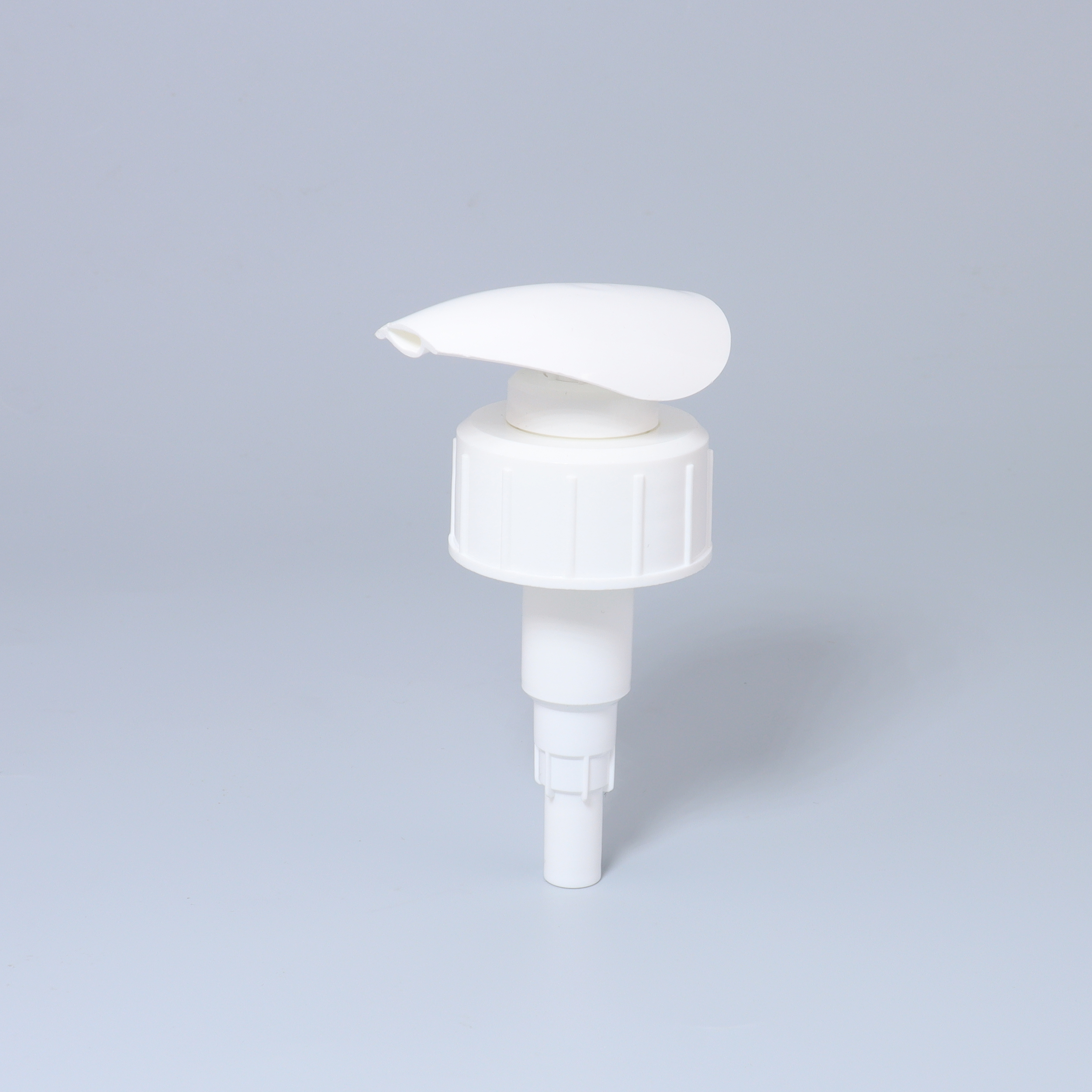
The 4cc lotion pump has become a cornerstone of modern personal care dispensing, yet its true capability lies in how effectively it adapts to formulations of vastly different viscosity levels. Personal care manufacturers face constant pressure to deliver consistent dosing across lightweight serums, medium-viscosity moisturizers, and thick, emollient-rich creams. Understanding how a 4cc lotion pump handles these varying formulations is essential for product developers, brand owners, and manufacturers seeking reliable dispensing performance without sacrificing user experience or product integrity.

Viscosity adaptation in a 4cc lotion pump involves far more than simple mechanical adjustment. The pump's internal geometry, spring tension, outlet orifice diameter, and priming requirements all interact to determine whether the device will deliver smooth, consistent doses across the complete range of personal care formulations. When manufacturers select a 4cc lotion pump for their product line, they must account for how these mechanical features will respond to everything from thin serums that flow freely to thick creams that resist movement through the pump chamber.
Mechanical Design and Viscosity Response
Chamber Geometry and Flow Dynamics
The internal chamber of a 4cc lotion pump is engineered to manage viscosity variations through carefully calibrated dimensions. The pump chamber volume, typically 4 cubic centimeters, must accommodate formulations ranging from 10 centipoise (thin serums) to over 50,000 centipoise (thick creams). When a low-viscosity formula enters the chamber of a 4cc lotion pump, it flows rapidly during the intake stroke, requiring a well-designed check valve to prevent backflow. Higher-viscosity formulations, conversely, fill the chamber more slowly during intake, placing greater demands on the spring mechanism to generate sufficient force during the dispense stroke.
The outlet orifice diameter of a 4cc lotion pump directly influences how different viscosities discharge. A larger orifice accommodates thick creams without excessive resistance, while a smaller orifice provides better atomization for thin serums. Many manufacturers offer 4cc lotion pump variants with adjustable orifice diameters to optimize performance for specific product viscosities. The relationship between chamber volume and orifice size creates a critical design balance that affects both priming ease and dispense consistency across the product's shelf life.
Spring Mechanism and Pressure Requirements
The spring inside a 4cc lotion pump must generate sufficient pressure to overcome the resistance of thick formulations while not over-pressurizing lightweight serums. Viscosity directly influences the force needed during the dispense stroke. A 4cc lotion pump designed for heavy creams requires a stiffer spring than one intended for thin gels, yet many commercial 4cc lotion pump models are engineered as compromise designs to handle moderate viscosity ranges. Spring preload, material composition, and length all contribute to how a 4cc lotion pump adapts to formulation changes throughout a product's lifecycle.
Temperature fluctuations also affect spring behavior in a 4cc lotion pump. Warmer conditions reduce formulation viscosity, requiring less pump pressure, while cold storage increases viscosity and demands greater dispense force. A well-engineered 4cc lotion pump maintains functional performance across typical storage and use temperatures, typically 15°C to 35°C, ensuring consistent dosing regardless of seasonal or geographical variations in product handling.
Valve Systems and Viscosity Control
Check Valve Performance Across Viscosity Ranges
The check valve system in a 4cc lotion pump prevents backflow and ensures one-directional product movement, yet its performance varies significantly with formulation viscosity. Low-viscosity products flow through check valves rapidly, requiring precise valve cracking pressures to prevent leakage without creating excessive restriction. Conversely, thick formulations may struggle to pass through check valves designed for thin serums, leading to incomplete chamber filling and inconsistent 4cc lotion pump doses. Leading pump manufacturers adjust valve spring tensions and orifice geometry when specifying a 4cc lotion pump for particular viscosity classes.
Duckbill and flapper-style valves commonly used in 4cc lotion pump designs respond differently to viscosity changes. A duckbill valve maintains excellent seal integrity across viscosity ranges but may require higher cracking pressures for very thick formulations. Flapper valves in a 4cc lotion pump provide lower cracking pressures, making them ideal for cream products, though they may allow slight leakage with thin, watery serums. Selecting the appropriate valve type for your target viscosity range is fundamental to ensuring reliable 4cc lotion pump performance.
Priming Behavior and Viscosity Dependency
Priming a 4cc lotion pump becomes increasingly challenging as formulation viscosity increases. Thin products prime in seconds, while thick creams may require ten to fifteen pump actuations before consistent doses emerge. This viscosity-dependent priming behavior reflects how formulations move through the intake and dispense pathways. A 4cc lotion pump engineered for thick creams may require aggressive spring preloading, making it difficult to prime with lighter serums. Conversely, 4cc lotion pump specifications optimized for ease of priming may generate insufficient pressure for heavy creams.
Manufacturers address priming challenges by specifying appropriate 4cc lotion pump components based on target product viscosity. Some formulations benefit from surfactants or silicone-based viscosity modifiers that reduce resistance without changing consumer perception of thickness. A 4cc lotion pump paired with properly formulated products will prime quickly and deliver consistent doses, while poor viscosity matching creates customer frustration and potential product returns.
Formulation Optimization Strategies for Pump Compatibility
Viscosity Adjustment and Pump Performance
Personal care formulators working with a 4cc lotion pump must carefully select rheology modifiers that maintain desired sensory characteristics while supporting reliable pump dispensing. Xanthan gum, carbomers, and other polymeric thickeners interact differently with 4cc lotion pump mechanisms than do silicone or mineral oil-based viscosity builders. Shear-thinning formulations, which reduce viscosity under pump pressure, perform exceptionally well with a 4cc lotion pump because they facilitate chamber filling while maintaining desired thickness in consumer hands. Products formulated specifically for pump dispensing often incorporate these shear-thinning agents to optimize 4cc lotion pump functionality.
The relationship between static viscosity (measured at rest) and dynamic viscosity (measured under shear) becomes critical when optimizing a 4cc lotion pump for specific formulations. A formula may measure at 20,000 centipoise at rest but shear to 5,000 centipoise under pump pressure, allowing a 4cc lotion pump to deliver reliably. Formulators specify viscosity ranges to pump manufacturers, who select appropriate spring tensions and orifice configurations. This collaborative approach ensures that every 4cc lotion pump deployment performs optimally across the intended product portfolio.
Complementary Formulation Ingredients
Emulsifiers, humectants, and other functional ingredients directly influence how a 4cc lotion pump performs with different formulation types. High concentrations of glycerin or propylene glycol reduce effective viscosity, easing 4cc lotion pump performance with otherwise heavy creams. Silicone fluids used in premium skincare products often provide optimal pump compatibility because they maintain consistent viscosity across temperature ranges and shear conditions. Formulators selecting a 4cc lotion pump for new products must evaluate how base ingredients interact with pump mechanisms, not just focus on target viscosity values.
Water content also impacts how a 4cc lotion pump responds to formulations. Water-rich products generally exhibit lower viscosity and prime faster, while anhydrous formulations tend toward higher viscosity. The 4cc lotion pump must accommodate these differences through appropriate mechanical design specifications that balance performance across water-in-oil and oil-in-water systems commonly used in personal care.
Real-World Application Scenarios and Adaptation Strategies
Serum and Gel Product Categories
Lightweight serums and gels represent lower-viscosity challenges for 4cc lotion pump systems. These products, typically ranging from 50 to 500 centipoise, flow readily through pump chambers and create potential leakage risks if valve systems are not precisely engineered. A 4cc lotion pump optimized for serums incorporates tight-sealing check valves and appropriately calibrated spring tensions to prevent backflow without making priming unnecessarily difficult. Many premium skincare brands prefer 4cc lotion pump models with reduced orifice diameters for serum products, creating finer mist patterns while maintaining dose accuracy across hundreds of actuations.
Moisturizer and Cream Product Categories
Medium to heavy moisturizers and creams, ranging from 1,000 to 50,000 centipoise, represent the core performance domain for many 4cc lotion pump designs. These formulations benefit from 4cc lotion pump systems with stiffer springs and slightly larger orifice diameters to accommodate flow resistance without creating excessive back-pressure. A properly specified 4cc lotion pump for cream applications will deliver full 4-milliliter doses with consistent stroke forces, allowing consumers to actuate the pump repeatedly without hand fatigue. Manufacturers addressing this market segment typically offer multiple 4cc lotion pump variants, each optimized for specific viscosity tiers within the moisturizer category.
FAQ
How does formulation viscosity affect 4cc lotion pump priming requirements?
Viscosity directly determines how many pump actuations are needed before consistent product delivery begins. Thin serums typically prime within two to three strokes, while thick creams may require fifteen or more actuations as the formula gradually fills internal pathways. The higher the viscosity, the greater the resistance to flow through check valves and chamber galleries, extending priming time proportionally. A properly selected 4cc lotion pump for your specific viscosity range will minimize priming strokes and prevent customer dissatisfaction.
Can a single 4cc lotion pump design accommodate multiple viscosity formulations effectively?
Most commercial 4cc lotion pump designs function best within a specific viscosity window, typically spanning 500 to 10,000 centipoise. Attempting to use the same 4cc lotion pump for both thin serums and thick creams usually results in compromised performance on one end of the spectrum. However, specialized 4cc lotion pump models with adjustable components or dual-valve systems can accommodate broader ranges. Manufacturers should consult with pump suppliers to select a 4cc lotion pump suited to their complete product portfolio rather than assuming universal compatibility.
What viscosity modifications best support 4cc lotion pump performance without changing product feel?
Shear-thinning polymers like xanthan gum and carbomers maintain consumer-perceivable thickness while reducing viscosity under 4cc lotion pump pressure, making them ideal choices for formulation optimization. Silicone fluids and certain emollient combinations similarly support 4cc lotion pump dispensing without sacrificing product sensory attributes. Formulators should conduct rheological testing alongside pump compatibility trials to verify that modifications supporting 4cc lotion pump function align with target product positioning and consumer expectations.