
 EN
EN



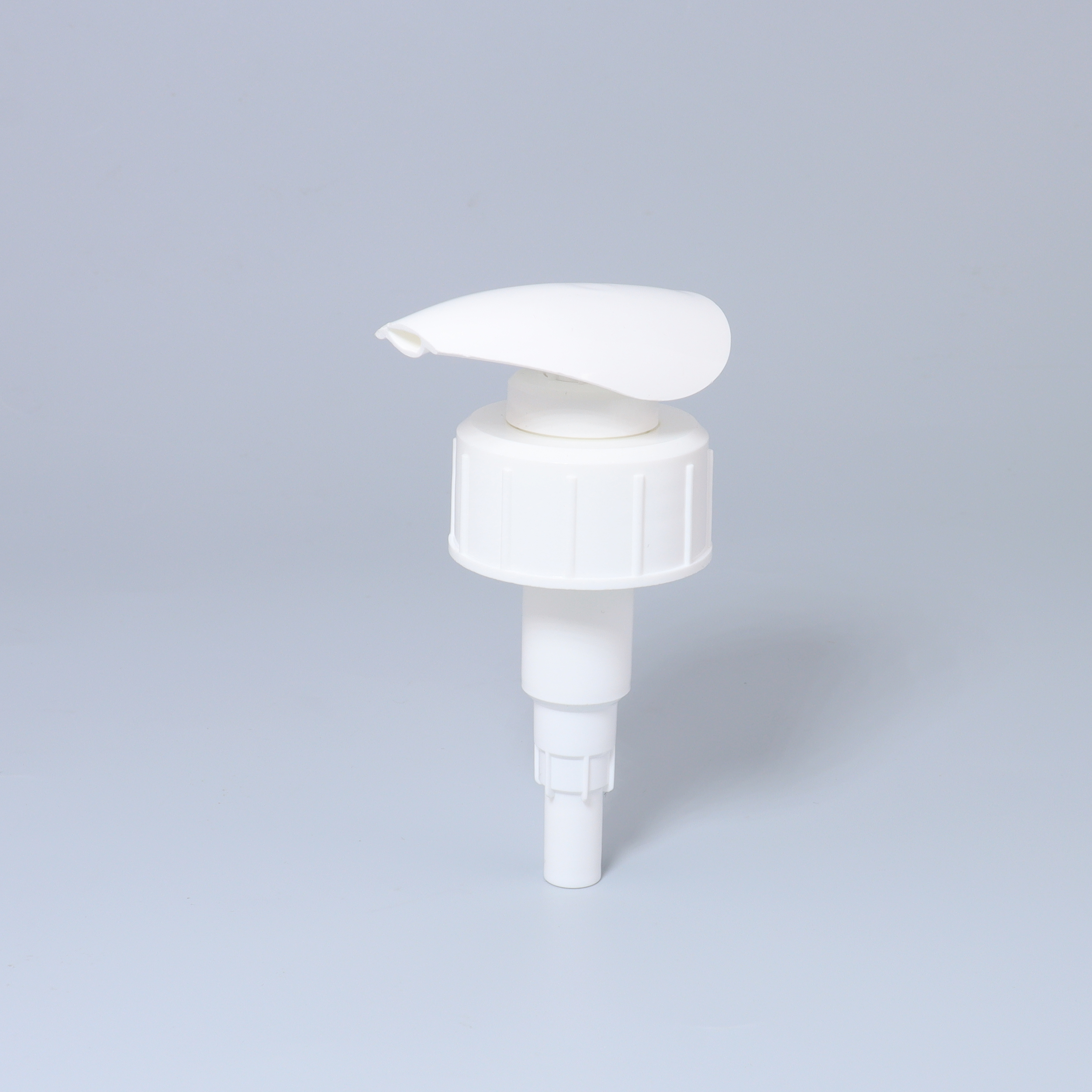
The pompa Cremae 4CC has become a cornerstone of modern personal care dispensing, yet its true capability lies in how effectively it adapts to formulations of vastly different viscosity levels. Personal care manufacturers face constant pressure to deliver consistent dosing across lightweight serums, medium-viscosity moisturizers, and thick, emollient-rich creams. Understanding how a pompa Cremae 4CC handles these varying formulations is essential for product developers, brand owners, and manufacturers seeking reliable dispensing performance without sacrificing user experience or product integrity.

Viscosity adaptation in a pompa Cremae 4CC involves far more than simple mechanical adjustment. The pump's internal geometry, spring tension, outlet orifice diameter, and priming requirements all interact to determine whether the device will deliver smooth, consistent doses across the complete range of personal care formulations. When manufacturers select a pompa Cremae 4CC pro suam productorum seriem, necesse est ut considerent quomodo istae mechanicae proprietates respondeant omnibus rebus, ab exilis serum quae libere fluunt usque ad crassas cremas quae resistunt motui per cameram pumpae.
Mechanical Design et Viscositas Responsio
Camerarum Geometria et Fluxus Dynamica
Internam cameram pompa Cremae 4CC est ingenio constructa ut varietates viscositatis administraret per dimensiones diligenter calibratas. Volumen camere pumpae, typice 4 centimetra cubica, debet capere compositiones a 10 centipoise (exilis serum) usque ad plus quam 50 000 centipoise (crassa crema). Cum formula exilis in cameram pompa Cremae 4CC , cito fluit durante tractu introductivo, exigens bene dispositam valvulam verificatricem ut refluxus prohibeatur. Formulationes altioris viscositatis, contra, cameram lente implent durante tractu introductivo, maiora onera imponentes mechanismo mollarum ut sufficientem vim generet durante tractu expulsivo.
Diametrum orificii effluentis pompa Cremae 4CC directly influences how different viscosities discharge. A larger orifice accommodates thick creams without excessive resistance, while a smaller orifice provides better atomization for thin serums. Many manufacturers offer pompa Cremae 4CC variants with adjustable orifice diameters to optimize performance for specific product viscosities. The relationship between chamber volume and orifice size creates a critical design balance that affects both priming ease and dispense consistency across the product's shelf life.
Spring Mechanism and Pressure Requirements
The spring inside a pompa Cremae 4CC must generate sufficient pressure to overcome the resistance of thick formulations while not over-pressurizing lightweight serums. Viscosity directly influences the force needed during the dispense stroke. A pompa Cremae 4CC designed for heavy creams requires a stiffer spring than one intended for thin gels, yet many commercial pompa Cremae 4CC models are engineered as compromise designs to handle moderate viscosity ranges. Spring preload, material composition, and length all contribute to how a pompa Cremae 4CC adapts to formulation changes throughout a product's lifecycle.
Temperature fluctuations also affect spring behavior in a pompa Cremae 4CC . Warmer conditions reduce formulation viscosity, requiring less pump pressure, while cold storage increases viscosity and demands greater dispense force. A well-engineered pompa Cremae 4CC maintains functional performance across typical storage and use temperatures, typically 15°C to 35°C, ensuring consistent dosing regardless of seasonal or geographical variations in product handling.
Valve Systems and Viscosity Control
Check Valve Performance Across Viscosity Ranges
The check valve system in a pompa Cremae 4CC prevents backflow and ensures one-directional product movement, yet its performance varies significantly with formulation viscosity. Low-viscosity products flow through check valves rapidly, requiring precise valve cracking pressures to prevent leakage without creating excessive restriction. Conversely, thick formulations may struggle to pass through check valves designed for thin serums, leading to incomplete chamber filling and inconsistent pompa Cremae 4CC doses. Leading pump manufacturers adjust valve spring tensions and orifice geometry when specifying a pompa Cremae 4CC for particular viscosity classes.
Duckbill and flapper-style valves commonly used in pompa Cremae 4CC designs respond differently to viscosity changes. A duckbill valve maintains excellent seal integrity across viscosity ranges but may require higher cracking pressures for very thick formulations. Flapper valves in a pompa Cremae 4CC provide lower cracking pressures, making them ideal for cream products, though they may allow slight leakage with thin, watery serums. Selecting the appropriate valve type for your target viscosity range is fundamental to ensuring reliable pompa Cremae 4CC perficiendi.
Priming Behavior and Viscosity Dependency
Priming a pompa Cremae 4CC becomes increasingly challenging as formulation viscosity increases. Thin products prime in seconds, while thick creams may require ten to fifteen pump actuations before consistent doses emerge. This viscosity-dependent priming behavior reflects how formulations move through the intake and dispense pathways. A pompa Cremae 4CC engineered for thick creams may require aggressive spring preloading, making it difficult to prime with lighter serums. Conversely, pompa Cremae 4CC specifications optimized for ease of priming may generate insufficient pressure for heavy creams.
Manufacturers address priming challenges by specifying appropriate pompa Cremae 4CC components based on target product viscosity. Some formulations benefit from surfactants or silicone-based viscosity modifiers that reduce resistance without changing consumer perception of thickness. A pompa Cremae 4CC paired with properly formulated products will prime quickly and deliver consistent doses, while poor viscosity matching creates customer frustration and potential product returns.
Formulation Optimization Strategies for Pump Compatibility
Viscosity Adjustment and Pump Performance
Personal care formulators working with a pompa Cremae 4CC must carefully select rheology modifiers that maintain desired sensory characteristics while supporting reliable pump dispensing. Xanthan gum, carbomers, and other polymeric thickeners interact differently with pompa Cremae 4CC mechanisms than do silicone or mineral oil-based viscosity builders. Shear-thinning formulations, which reduce viscosity under pump pressure, perform exceptionally well with a pompa Cremae 4CC because they facilitate chamber filling while maintaining desired thickness in consumer hands. Producta formulated specifically for pump dispensing often incorporate these shear-thinning agents to optimize pompa Cremae 4CC functionalitatis.
The relationship between static viscosity (measured at rest) and dynamic viscosity (measured under shear) becomes critical when optimizing a pompa Cremae 4CC for specific formulations. A formula may measure at 20,000 centipoise at rest but shear to 5,000 centipoise under pump pressure, allowing a pompa Cremae 4CC to deliver reliably. Formulators specify viscosity ranges to pump manufacturers, who select appropriate spring tensions and orifice configurations. This collaborative approach ensures that every pompa Cremae 4CC deployment performs optimally across the intended product portfolio.
Complementary Formulation Ingredients
Emulsifiers, humectants, and other functional ingredients directly influence how a pompa Cremae 4CC performs with different formulation types. High concentrations of glycerin or propylene glycol reduce effective viscosity, easing pompa Cremae 4CC performance with otherwise heavy creams. Silicone fluids used in premium skincare products often provide optimal pump compatibility because they maintain consistent viscosity across temperature ranges and shear conditions. Formulators selecting a pompa Cremae 4CC for new products must evaluate how base ingredients interact with pump mechanisms, not just focus on target viscosity values.
Water content also impacts how a pompa Cremae 4CC responds to formulations. Water-rich products generally exhibit lower viscosity and prime faster, while anhydrous formulations tend toward higher viscosity. The pompa Cremae 4CC must accommodate these differences through appropriate mechanical design specifications that balance performance across water-in-oil and oil-in-water systems commonly used in personal care.
Real-World Application Scenarios and Adaptation Strategies
Serum and Gel Product Categories
Lightweight serums and gels represent lower-viscosity challenges for pompa Cremae 4CC systemata. Haec producta, quae saepe inter 50 et 500 centipoises variant, facile per camerae pumpae fluunt et potestialem periculum perditionis creant, nisi systemata valvularum accurate sint fabricata. A pompa Cremae 4CC ad serum optimizatus includit valvulas clausurae strictas et tensiones mollarum apte calibratas, ut refluxus prohibeatur sine priming inutiliter difficili. Multae praestantissimae marcas curae cutis praeferunt pompa Cremae 4CC modellos cum diametris orificiorum minutoribus pro productis serosis, ut finiores nebulae formarentur, dum tamen exactitudo dosis per centum actuationes servaretur.
Categoriae Productorum Humectantium et Cremorum
Humectantia et cremora media ad graviora, quae inter 1 000 et 50 000 centipoises variant, sunt principalis domus functionis pro multis pompa Cremae 4CC designis. Haec compositiones proficiunt ex pompa Cremae 4CC systematibus cum mollibus rigidiore et diametris orificiorum paulo maioribus, ut resistentiam fluxus accommodent sine creatione pressionis retrogradis nimiae. Proprie specificatum pompa Cremae 4CC pro applicazioni di crema erogherà dosi complete da 4 millilitri con forze di corsa costanti, consentendo ai consumatori di azionare la pompa ripetutamente senza affaticamento della mano. I produttori che operano in questo segmento di mercato offrono tipicamente più pompa Cremae 4CC varianti, ciascuna ottimizzata per specifiche fasce di viscosità all’interno della categoria delle lozioni idratanti.
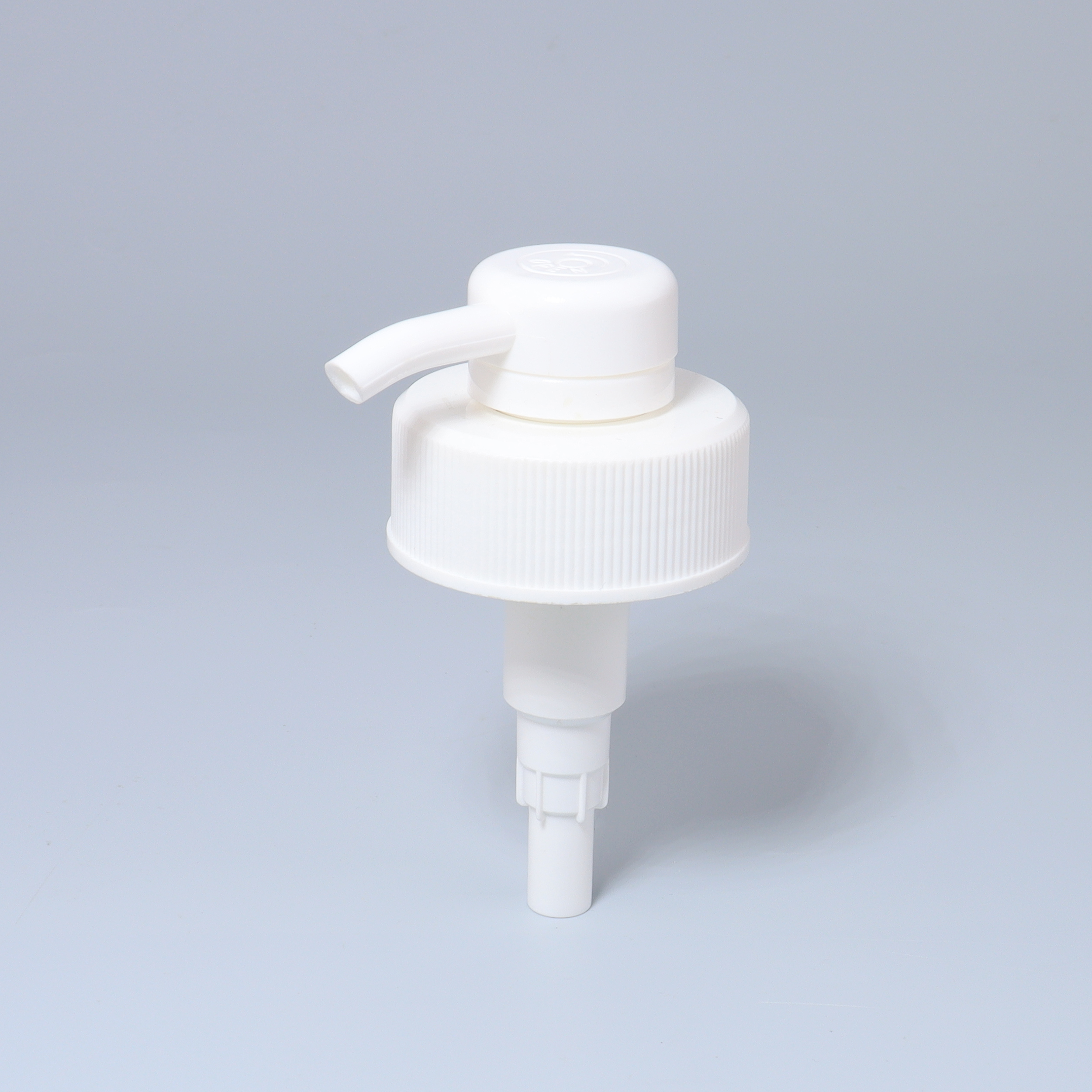
FAQ
In che modo la viscosità della formulazione influenza i requisiti di prime della pompa per lozioni da 4 cc?
La viscosità determina direttamente quante azioni della pompa sono necessarie prima che inizi una distribuzione costante del prodotto. I sieri più fluidi solitamente completano il prime in due o tre azioni, mentre le creme più dense possono richiedere quindici o più azioni, poiché la formulazione riempie gradualmente i condotti interni. Maggiore è la viscosità, maggiore è la resistenza al flusso attraverso le valvole di ritegno e i canali della camera, prolungando proporzionalmente il tempo di prime. Una pompa correttamente selezionata pompa Cremae 4CC per la vostra specifica gamma di viscosità ridurrà al minimo le azioni di prime ed eviterà insoddisfazione da parte dei clienti.
Can a single 4cc lotion pump design accommodate multiple viscosity formulations effectively?
Plūrimae commerciālēs pompa Cremae 4CC designs function best within a specific viscosity window, typically spanning 500 to 10,000 centipoise. Attempting to use the same pompa Cremae 4CC for both thin serums and thick creams usually results in compromised performance on one end of the spectrum. However, specialized pompa Cremae 4CC models with adjustable components or dual-valve systems can accommodate broader ranges. Manufacturers should consult with pump suppliers to select a pompa Cremae 4CC suited to their complete product portfolio rather than assuming universal compatibility.
What viscosity modifications best support 4cc lotion pump performance without changing product feel?
Shear-thinning polymers like xanthan gum and carbomers maintain consumer-perceivable thickness while reducing viscosity under pompa Cremae 4CC pressure, making them ideal choices for formulation optimization. Silicone fluids and certain emollient combinations similarly support pompa Cremae 4CC dispensing sine sacrificio attributorum sensoriorum producti. Formulatores debent experimenta rheologica simul cum experimentis de compatibilitate pumpae agere, ut verificent quod mutationes quae pompa Cremae 4CC functionem ad positionem producti et expectationes consummatorum destinatam accommodant.
Index Contentorum
- Mechanical Design et Viscositas Responsio
- Valve Systems and Viscosity Control
- Formulation Optimization Strategies for Pump Compatibility
- Real-World Application Scenarios and Adaptation Strategies
-
FAQ
- In che modo la viscosità della formulazione influenza i requisiti di prime della pompa per lozioni da 4 cc?
- Can a single 4cc lotion pump design accommodate multiple viscosity formulations effectively?
- What viscosity modifications best support 4cc lotion pump performance without changing product feel?