
 EN
EN



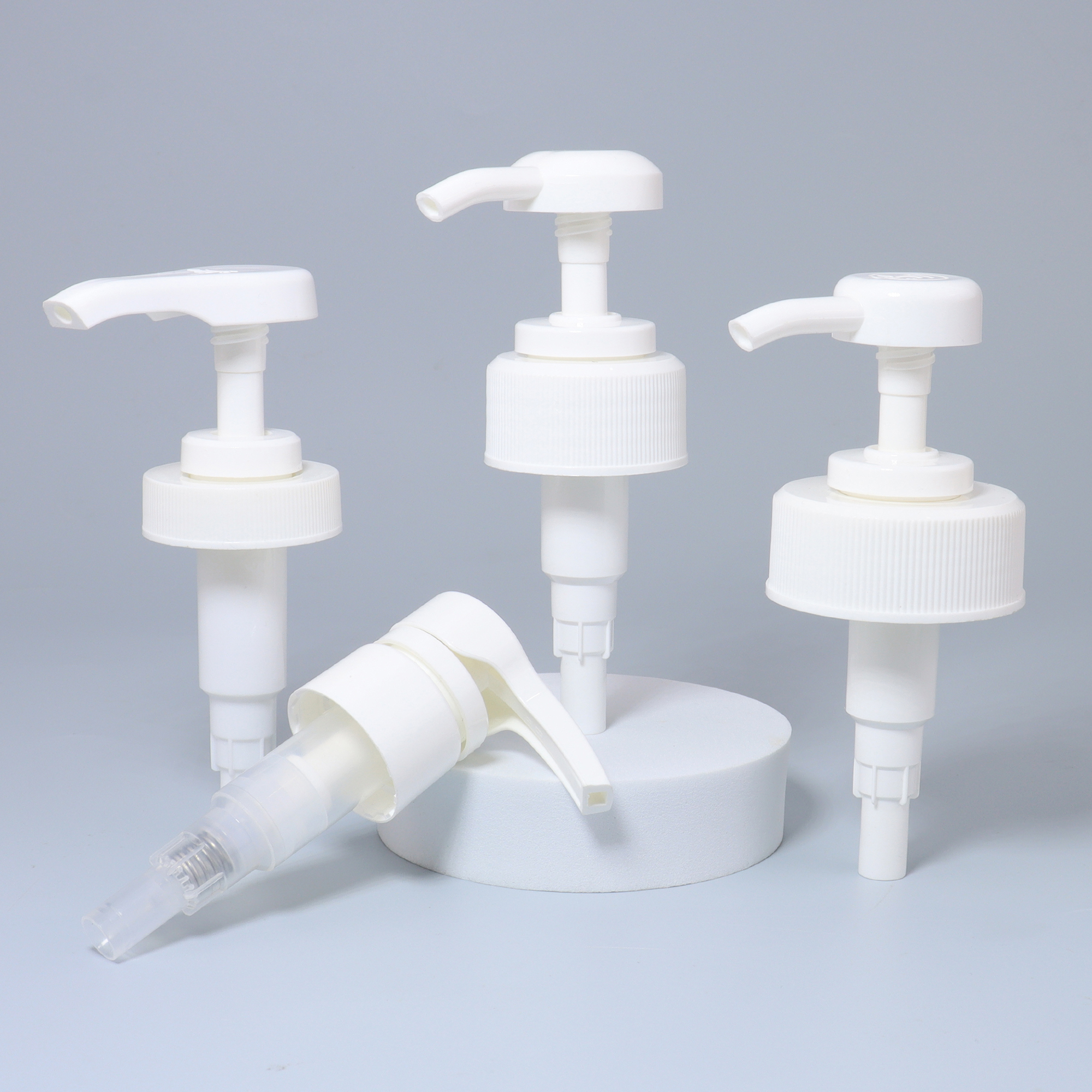
The 4cc lotion pump represents one of the most widely used dispensing mechanisms in the cosmetic and personal care industry, yet its reliability depends entirely on one critical factor: sealing performance. When a 4cc lotion pump fails to maintain an effective seal, the consequences extend far beyond simple product leakage. Customers experience wasted product, compromised storage conditions, and damaged packaging that undermines brand trust. Understanding why sealing performance is essential in a 4cc lotion pump is fundamental for manufacturers, formulators, and retailers who depend on this mechanism for product integrity and customer satisfaction.

The 4cc lotion pump functions as a precision delivery system designed to dispense exactly measured amounts of lotion, serum, or gel products with each actuation. However, the mechanical integrity of a 4cc lotion pump depends on multiple sealing components working in concert to prevent leakage during storage, shipment, and consumer use. Poor sealing performance in a 4cc lotion pump can result in significant product loss, contamination, and regulatory compliance issues that affect both profitability and market reputation.
The Structural Role of Sealing Components in 4cc Lotion Pump Design
Primary Seal Mechanisms Within 4cc Lotion Pump Architecture
Every 4cc lotion pump incorporates multiple sealing points that work together to create a complete barrier against leakage. The primary seal in a 4cc lotion pump is typically located at the pump head, where the actuator rod interfaces with the pump housing. This critical junction must remain airtight to prevent product from seeping around the rod during storage. Additionally, a 4cc lotion pump includes an internal spring-loaded check valve that creates a secondary seal, ensuring that product cannot flow backward into the reservoir when the pump is not being actively used. The bottom outlet seal of the 4cc lotion pump, which connects the pump body to the bottle neck, represents another essential sealing point that must withstand constant pressure variations.
Material Selection and Its Impact on 4cc Lotion Pump Sealing
The effectiveness of any 4cc lotion pump seal depends heavily on the materials chosen for its construction. High-quality elastomers and engineered plastics are essential to ensure that a 4cc lotion pump maintains consistent sealing performance across varying product formulations and storage temperatures. When manufacturers select inferior materials for a 4cc lotion pump, the seals degrade faster, become brittle, or lose their resilience, leading to accelerated leakage. Premium 4cc lotion pump designs utilize materials that remain stable when exposed to water-based formulations, oil-based actives, and alcohol-containing products, all of which can compromise sealing integrity if the wrong elastomer is used. A properly engineered 4cc lotion pump accounts for thermal cycling, pressure fluctuations, and chemical compatibility to maintain seal effectiveness throughout the product lifecycle.
Why Leak Prevention During Storage Is Critical for Business Operations
Product Loss and Profitability Implications of Leaking 4cc Lotion Pump Units
When a 4cc lotion pump fails its sealing performance requirements, manufacturers and retailers face direct financial losses through product leakage. A compromised 4cc lotion pump that loses just 2-3% of its contents during a typical 90-day storage period represents significant waste across large production runs. For a cosmetic brand distributing 100,000 units of a 4cc lotion pump, even minimal leakage translates into thousands of dollars of lost inventory. Beyond the immediate product loss, a 4cc lotion pump with poor sealing performance creates secondary costs: damaged packaging materials, shipping container losses, shelf space contamination, and inventory write-offs. The cumulative financial impact of inadequate sealing performance in a 4cc lotion pump extends throughout the entire supply chain, affecting margins at every distribution level.
Brand Reputation and Consumer Confidence in 4cc Lotion Pump Reliability
Sealing performance in a 4cc lotion pump directly influences how consumers perceive product quality and brand reliability. When customers receive a 4cc lotion pump that has leaked during storage or transportation, their trust in the brand diminishes immediately. Negative reviews citing packaging failures and product leakage create lasting damage to brand reputation, particularly in competitive cosmetic markets where consumers have numerous alternatives. A 4cc lotion pump with exceptional sealing performance, by contrast, signals professional quality and attention to detail, reinforcing customer loyalty and encouraging repeat purchases. This perception extends beyond individual transactions; a 4cc lotion pump known for reliable sealing becomes a competitive advantage, allowing premium positioning and stronger market differentiation.
Technical Requirements and Standards for 4cc Lotion Pump Seal Performance
Industry Specifications for 4cc Lotion Pump Leak Testing and Compliance
Rigorous testing protocols ensure that a 4cc lotion pump meets industry standards for sealing performance before reaching market. Manufacturers must verify that each 4cc lotion pump withstands pressure cycling, temperature variations, and humidity exposure without developing leaks. A properly specified 4cc lotion pump typically undergoes drop testing, inverted storage testing, and extended shelf-life simulation to confirm sealing integrity under real-world conditions. International cosmetic regulations require that a 4cc lotion pump maintain zero visible leakage after specific stress tests, and any unit failing these criteria must be rejected. These standards exist because a 4cc lotion pump failure in the field creates regulatory liability, consumer complaints, and potential product safety risks when contamination occurs.
Design Optimization Strategies for Enhanced 4cc Lotion Pump Sealing
Modern 4cc lotion pump designs incorporate several advanced features to maximize sealing performance. Precision molding tolerances ensure that all components in a 4cc lotion pump fit together with minimal gaps, reducing pathways for leakage. Dual-stage seal designs in premium 4cc lotion pump models provide redundancy, ensuring that if one seal begins to degrade, the secondary seal maintains product integrity. Some advanced 4cc lotion pump configurations include desiccant integration or moisture-control chambers that prevent condensation from compromising seals during temperature fluctuations. Manufacturers investing in a high-performance 4cc lotion pump understand that superior sealing is not an afterthought but a design priority that influences component geometry, material specifications, and assembly processes.
FAQ
What specific factors cause sealing failure in a 4cc lotion pump during storage?
Sealing failure in a 4cc lotion pump typically results from elastomer degradation due to chemical exposure, thermal stress causing material contraction or expansion, improper assembly allowing misalignment of seal components, or manufacturing defects in the seal surfaces. Product formulation compatibility is critical; if a 4cc lotion pump seal material is incompatible with specific actives or solvents in the lotion, accelerated deterioration occurs. Storage conditions matter significantly as well; temperature extremes and high humidity environments degrade the performance characteristics of any 4cc lotion pump seal over time.
How can manufacturers verify that their 4cc lotion pump design meets sealing performance standards?
Manufacturers verify sealing performance of a 4cc lotion pump through comprehensive testing including pressure cycling tests, inverted storage challenges, temperature cycling protocols, and extended shelf-life simulations. A properly tested 4cc lotion pump undergoes accelerated aging studies to confirm that seals maintain integrity when exposed to fluctuating conditions. Third-party testing laboratories often conduct independent validation of a 4cc lotion pump's sealing performance, providing certification that meets international cosmetic packaging standards and regulatory requirements.
Why is sealing performance in a 4cc lotion pump more critical than in larger pump sizes?
Sealing performance becomes proportionally more critical in a 4cc lotion pump because the smaller volume amplifies the impact of any leakage percentage. A 2% loss in a 4cc lotion pump represents significant product waste relative to the total volume, whereas the same percentage loss in a larger pump appears less dramatic. Additionally, a 4cc lotion pump's compact design requires more precise engineering of seal components, leaving less tolerance for manufacturing variability. The high-precision requirements of a 4cc lotion pump seal make design and material selection absolutely essential to prevent cumulative failures across production batches.