
 EN
EN



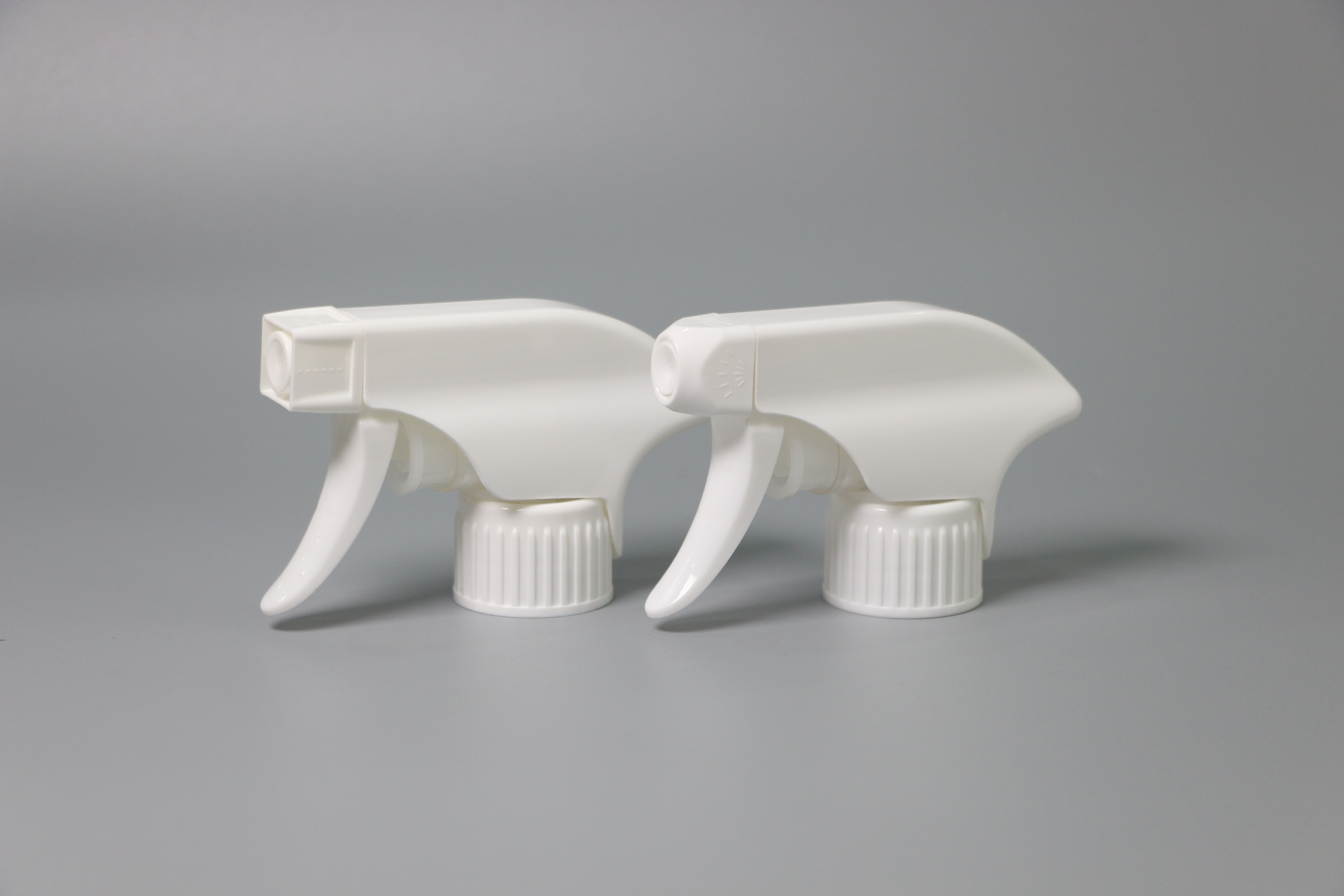
The structural design of an all plastic trigger sprayer directly determines how well it performs across thousands of repeated usage cycles in industrial, commercial, and consumer applications. Understanding the relationship between material composition, mechanical engineering, and durability outcomes is essential for anyone selecting or implementing spray solutions in demanding environments. An all plastic trigger sprayer that lacks proper structural integrity will fail prematurely, leading to downtime, increased maintenance costs, and operational inefficiency.
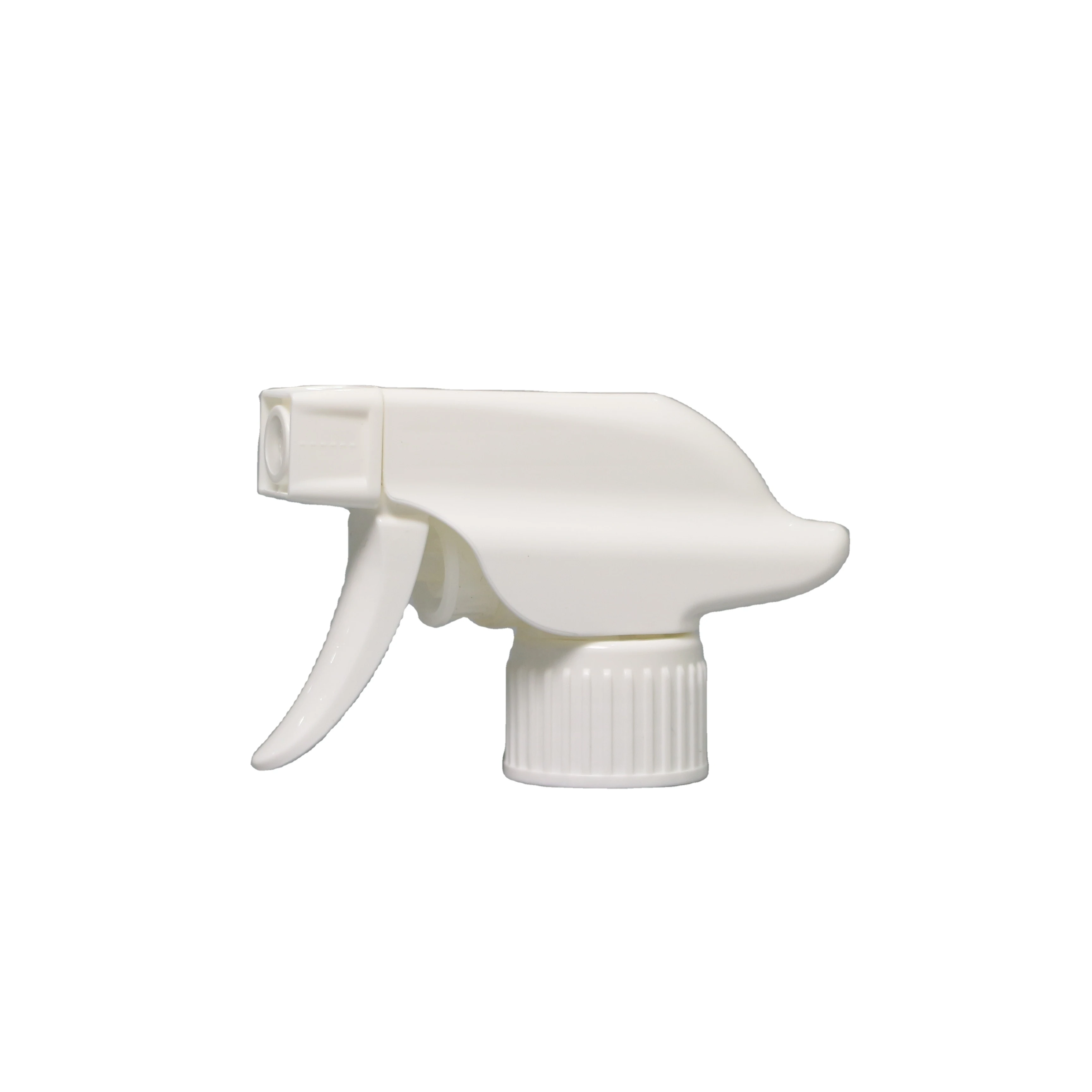
Modern industrial applications demand spray equipment that can endure hundreds of thousands of cycles without mechanical degradation. An all plastic trigger sprayer must balance material strength, flexibility, chemical resistance, and fatigue tolerance to maintain consistent performance over extended service life. This article explores how structural design factors influence the durability of all plastic trigger sprayer systems and what operators should prioritize when evaluating spray equipment for long-term reliability.
Material Composition and Its Impact on Durability
Polymer Selection for All Plastic Trigger Sprayer Construction
The choice of polymer directly affects how an all plastic trigger sprayer responds to mechanical stress and chemical exposure. Polypropylene, polyethylene, and engineering-grade polymers each offer different fatigue resistance profiles and temperature stability ranges. An all plastic trigger sprayer manufactured from premium polymer blends will resist stress cracking and maintain dimensional stability across wider temperature ranges than economy-grade alternatives.
Fatigue-resistant polymers used in high-performance all plastic trigger sprayer designs absorb repeated mechanical stress without permanent deformation. Chemical-resistant formulations prevent degradation when the sprayer contacts solvents, sanitizers, pesticides, or household chemicals. Quality all plastic trigger sprayer manufacturers conduct accelerated life testing to verify that their polymer selection can withstand hundreds of thousands of activation cycles while maintaining pressure consistency and spray pattern integrity.
Reinforcement and Structural Stabilization
Advanced all plastic trigger sprayer designs incorporate reinforcement ribs, thickened walls in stress concentration zones, and optimized geometry to distribute mechanical loads evenly. Undercuts and material transitions in an all plastic trigger sprayer structure must be engineered to prevent crack initiation points where fatigue failure typically begins. Injection molding parameters directly influence how uniformly reinforcement materials integrate with the base polymer in an all plastic trigger sprayer body.
Premium all plastic trigger sprayer products feature internal ribbing that reduces flexing without adding excessive weight or material cost. Glass-fiber reinforcement in select zones of an all plastic trigger sprayer increases rigidity in areas experiencing the highest cyclic stress, such as the trigger pivot and spring attachment points. This targeted reinforcement strategy allows manufacturers to maintain an all plastic trigger sprayer's overall weight advantage while dramatically improving fatigue resistance and durability performance.
Mechanical Design Factors Affecting Cycle Performance
Trigger Mechanism Engineering and Flex Limitations
The trigger mechanism of an all plastic trigger sprayer experiences the most intense cyclic stress during normal operation. Each squeeze and release cycle subjects the trigger arm, pivot point, and spring system to bending and torsional loads that accumulate over time. An all plastic trigger sprayer with poor pivot design will develop play and increased resistance as micro-fractures form at stress concentration points, eventually leading to trigger failure or inconsistent activation.
Durability testing of an all plastic trigger sprayer typically involves mechanical actuators that perform 500,000 or more consecutive cycles under controlled conditions. The trigger mechanism must maintain consistent force feedback and smooth travel throughout these cycles for an all plastic trigger sprayer to deliver reliable performance. Hinge design, material thickness at the pivot, and bearing surface quality all contribute to whether an all plastic trigger sprayer can complete its rated cycle count without mechanical degradation or sticking.
Spring Assembly and Return Mechanism Reliability
Springs embedded in an all plastic trigger sprayer structure must maintain consistent force characteristics across hundreds of thousands of compression cycles. A weak or improperly designed spring will lose preload tension, causing an all plastic trigger sprayer to require increasingly more hand pressure to actuate and deliver inconsistent spray volumes. Conversely, an overly stiff spring in an all plastic trigger sprayer increases user fatigue and risks mechanical failure if the trigger assembly flexes beyond design limits.
Material selection for springs within an all plastic trigger sprayer balances elastic recovery, corrosion resistance, and fatigue performance. Stainless steel or composite spring materials are often preferred over standard steel when designing a durable all plastic trigger sprayer for corrosive environments. The spring assembly mounting interfaces within an all plastic trigger sprayer must be reinforced to prevent stress concentration and ensure the spring maintains uniform loading across the full service cycle range.
Fluid Sealing, Chemical Resistance, and Long-Term Performance
Seal Material Compatibility and Degradation Pathways
An all plastic trigger sprayer's durability depends not only on structural integrity but also on the performance of internal seals and gaskets exposed to sprayed chemicals. Elastomer seals must resist swelling, hardening, and chemical attack from the liquids flowing through the all plastic trigger sprayer over thousands of cycles. Incompatible seal materials will degrade rapidly, allowing leakage and reducing the all plastic trigger sprayer's operational reliability and product containment capability.
Premium all plastic trigger sprayer designs use fluoropolymer or EPDM seals that maintain elasticity and chemical resistance across broader solvent ranges than standard rubber. Testing an all plastic trigger sprayer's seal compatibility involves immersion testing the gasket material in representative fluids to confirm no dimensional changes or hardening occurs over extended exposure. This chemical compatibility verification ensures an all plastic trigger sprayer will perform consistently whether used with household cleaners, agricultural chemicals, or industrial solvents throughout its design life.
Pressure Consistency Maintenance Across Repeated Cycles
Pressure buildup and discharge cycles in an all plastic trigger sprayer reservoir create continuous stress on the container walls and spray valve assembly. An all plastic trigger sprayer designed for durability must maintain consistent pressure delivery even after 100,000 or more activation cycles, indicating that sealing surfaces have not degraded or separated. Valve wear patterns in an all plastic trigger sprayer directly correlate to pressure consistency loss, making internal component design and material selection critical durability factors.
Long-term durability testing of an all plastic trigger sprayer measures spray distance, pattern consistency, and pressure stability after defined cycle intervals to verify structural and mechanical integrity. When an all plastic trigger sprayer begins showing pressure loss or inconsistent spray patterns, internal wear has typically reached a threshold where mechanical restoration is necessary. Quality all plastic trigger sprayer products maintain specified pressure performance for the full rated cycle count, demonstrating that design engineering has properly anticipated and managed cumulative mechanical wear.
FAQ
What cycle count should an all plastic trigger sprayer reliably achieve?
Industrial-grade all plastic trigger sprayer products are typically engineered to complete between 250,000 and 500,000 cycles before requiring replacement or maintenance. Consumer-grade all plastic trigger sprayer options may have lower cycle ratings, while specialized all plastic trigger sprayer designs for demanding applications can exceed one million cycles. The specific cycle rating depends on material selection, trigger mechanism design, and sealing system quality within the all plastic trigger sprayer structure.
How do temperature variations affect all plastic trigger sprayer durability?
Temperature fluctuations cause polymer expansion and contraction in an all plastic trigger sprayer, increasing stress at material interfaces and mechanical joints. An all plastic trigger sprayer designed for wide temperature range operation requires materials with low thermal expansion coefficients and reinforcement strategies that prevent binding or excessive play. Extended exposure to temperature extremes will accelerate fatigue failure in an all plastic trigger sprayer, making thermal stability testing essential for verifying durability claims.
Can seal replacement extend an all plastic trigger sprayer's service life?
Replacing seals and gaskets in an all plastic trigger sprayer can restore pressure integrity and resolve leakage issues, but structural wear in the trigger mechanism typically cannot be repaired. Once the trigger pivot, spring, or internal valve surfaces in an all plastic trigger sprayer show mechanical wear, replacement becomes the most cost-effective solution. Preventive seal replacement in an all plastic trigger sprayer during regular maintenance can extend overall service life, but it does not reverse damage to mechanical components already subjected to hundreds of thousands of cycles.