
 EN
EN



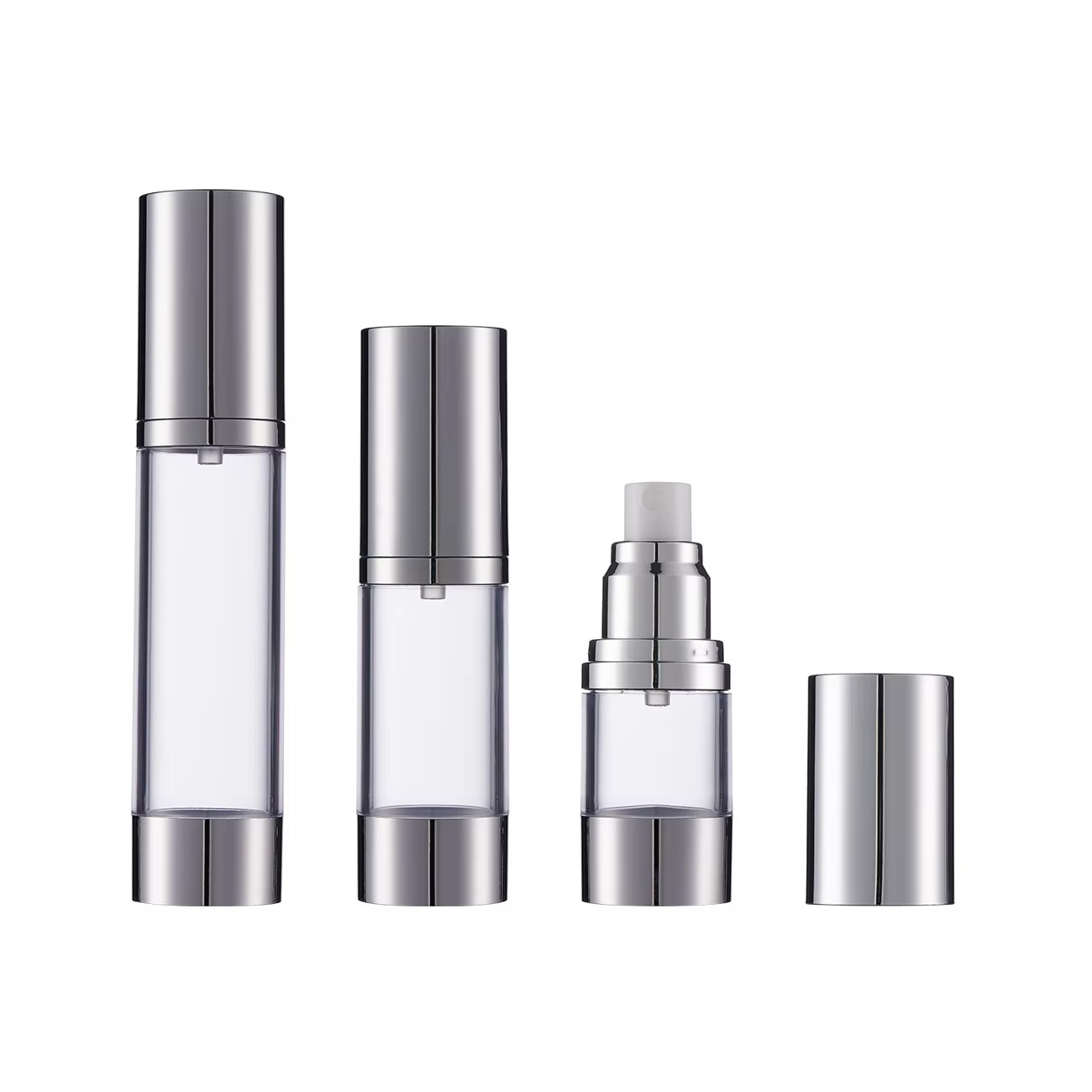
Cosmetic products face a constant challenge: maintaining product integrity and efficacy from manufacturing to consumer use. One of the most significant threats to cosmetic stability is oxidation, which degrades active ingredients and reduces shelf life. Traditional packaging methods expose products to air and light, creating conditions that accelerate ingredient breakdown and product deterioration. An innovative solution has emerged that addresses this problem directly: airless bottle technology. This advanced packaging approach fundamentally changes how cosmetics interact with the environment, protecting formulations and extending their usable lifespan significantly.
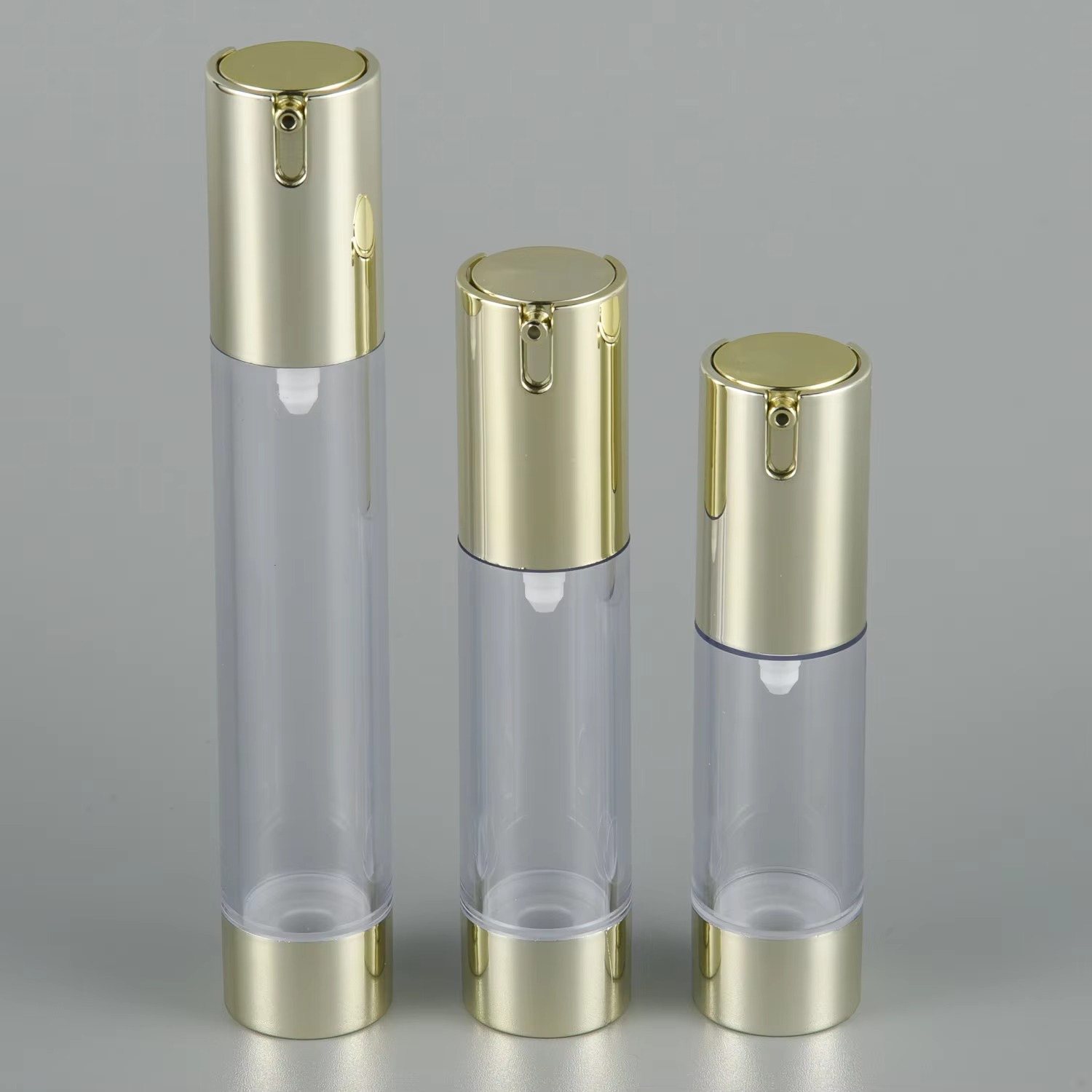
The cosmetic industry has recognized that packaging is not merely a container—it is a critical preservation system. An airless bottle represents a paradigm shift in cosmetic storage, eliminating the primary mechanism through which oxidation occurs. Understanding how this technology works and why it matters is essential for product developers, manufacturers, and informed consumers seeking to maximize the value and performance of their cosmetic investments.
How Airless Bottle Technology Eliminates Oxidation Risk
The Mechanism Behind Airless Protection
An airless bottle operates on a deceptively simple but highly effective principle: it removes air exposure entirely from the product storage environment. Traditional containers allow oxygen to enter whenever the product is dispensed, creating conditions for oxidation. By contrast, an airless bottle uses a vacuum-sealed piston system that rises as product is withdrawn, ensuring no air replaces the dispensed cosmetic. This mechanism means that active ingredients remain isolated from atmospheric oxygen, the primary catalyst for oxidative degradation.
The airless bottle design includes a piston or membrane that sits directly beneath the product. When a pump is activated, the piston moves upward, pushing the product out through the dispensing tube without allowing air to enter the container. Once the pump is released, the piston descends, maintaining a seal against the remaining product. This physical separation prevents the formation of an air pocket that would otherwise accelerate chemical breakdown. The airless bottle thus creates a protective barrier that conventional jars and bottles simply cannot provide.
Oxidation's Impact on Cosmetic Formulations
Oxidation is a chemical process that occurs when oxygen molecules interact with cosmetic ingredients, particularly oils, vitamins, and antioxidant compounds. Vitamin C, retinol, and botanical extracts are particularly susceptible to oxidative degradation. When these potent actives oxidize, they lose their effectiveness and may produce discolored byproducts that compromise product appearance and performance. An airless bottle prevents this degradation by maintaining an oxygen-free environment around the entire product mass. The airless bottle approach is especially critical for light-sensitive and air-sensitive formulations that would otherwise degrade rapidly in standard packaging.
The consequences of inadequate protection are measurable and significant. Products stored in traditional containers may lose efficacy within months, requiring higher concentrations of actives or shorter shelf life declarations. An airless bottle extends the window during which the cosmetic maintains its promised potency, allowing manufacturers to guarantee longer shelf lives and ensuring consumers receive products at peak performance throughout the product's entire usable duration.
Extended Shelf Life Benefits and Real-World Applications
Prolonging Product Viability
The most direct benefit of airless bottle technology is extended shelf life. Serums, lotions, and creams formulated with sensitive ingredients can maintain their original composition and efficacy for significantly longer when stored in an airless bottle compared to traditional packaging. Many manufacturers report shelf life extensions of 18 to 36 months for products that would otherwise require more conservative expiration dates. This extension has profound implications for supply chain efficiency, retail shelf visibility, and consumer satisfaction. An airless bottle allows brands to confidently promise longer-lasting products, reducing waste and enhancing consumer value perception.
For premium cosmetic lines featuring expensive actives or rare botanical ingredients, the airless bottle becomes a necessity rather than a luxury. These formulations demand maximum protection to justify their cost and deliver promised benefits. Products containing unstabilized vitamin C, peptides, or fermented ingredients depend on airless bottle protection to prevent degradation before the consumer opens the package. The technology directly translates to quality assurance, allowing manufacturers to reduce the quantity of preservatives needed while still maintaining product safety and stability throughout the entire shelf life period.
Consumer and Environmental Advantages
Consumers benefit not only from longer-lasting products but also from reduced product waste. Because an airless bottle prevents air exposure, there is minimal product oxidation or separation over time. Users can be confident that the final drop of product will perform as effectively as the first application. Additionally, airless bottles often reduce the need for additional preservatives since the primary oxidation pathway is eliminated. An airless bottle design also minimizes product contamination from airborne particles and bacteria, enhancing safety during extended use. For environmentally conscious consumers, the extended shelf life means less packaging waste per unit of effective product, improving the overall sustainability profile of the cosmetic line.
From an environmental perspective, airless bottle packaging supports circular economy principles by maximizing product lifespan and minimizing disposal. Consumers who can use their entire cosmetic product without degradation waste nothing, and the extended shelf life reduces the frequency of repurchase, lowering the cumulative packaging demand. An airless bottle thus represents both a performance enhancement and an environmentally responsible choice for manufacturers committed to sustainable practices.
Technical Specifications and Implementation Considerations
Material and Design Requirements for Optimal Protection
An airless bottle system requires precise engineering to function effectively. The container must be constructed from materials that maintain an airtight seal under storage and transport conditions. High-density polyethylene, polypropylene, and aluminum are common choices that provide durability and impermeability. The piston must fit snugly within the container wall to prevent air leakage while moving smoothly with each pump activation. The dispensing tube must reach precisely to the bottom of the container to ensure complete product removal without air pockets. An airless bottle's effectiveness depends on maintaining these specifications consistently across every unit manufactured. Even minor deviations in seal quality or piston fit can compromise the protective benefits.
UV-protective materials are often integrated into airless bottle designs to provide dual protection against oxidation and light-induced degradation. Opaque or tinted materials prevent light penetration while the airless mechanism prevents oxygen contact. This combination creates a comprehensive protective environment ideal for sensitive formulations. The pump mechanism itself must be designed for reliability, as a faulty pump defeats the entire protective purpose of the airless bottle. Quality control during manufacturing is essential to ensure every airless bottle provides consistent protection and performance.
Selection and Cost Considerations
Choosing an airless bottle requires evaluation of product viscosity, dispensing volume, and specific preservation needs. Thicker creams and balms need different piston designs than lightweight serums. The airless bottle format is available in volumes ranging from 5 milliliters to several hundred milliliters, accommodating everything from sample sizes to full-size professional products. While airless bottle packaging typically costs more per unit than standard bottles, the extended shelf life, reduced preservative requirements, and enhanced product efficacy often justify the investment. Brand positioning around premium quality and sustainability can further support the choice of airless bottle technology as a differentiating factor in the marketplace.
Manufacturers must weigh the upfront cost of airless bottle systems against long-term benefits including reduced product loss due to oxidation, lower preservative concentrations, and extended shelf life claims that command premium pricing. For prestige cosmetic lines and professional-grade formulations, the airless bottle investment is frequently recouped through improved product performance and customer loyalty.
FAQ
Why is an airless bottle better than a pump jar for sensitive cosmetics?
An airless bottle maintains a completely sealed environment without any air exposure during product use, whereas pump jars and traditional containers allow oxygen to enter each time the product is dispensed. This air exposure causes oxidation of sensitive ingredients like vitamin C, retinol, and antioxidants. An airless bottle prevents this degradation entirely, maintaining potency and efficacy throughout the entire shelf life. For formulations containing unstable actives, this protection is essential to preserve the product's intended benefits.
How long does an airless bottle typically extend product shelf life?
The shelf life extension depends on the specific formulation and ingredient stability. Many products formulated with sensitive actives can maintain efficacy for 24 to 36 additional months when stored in an airless bottle compared to traditional packaging. An airless bottle can extend shelf life by 50 percent or more for products prone to oxidative degradation. Manufacturers should conduct accelerated stability testing to determine the specific shelf life extension for their unique formulation and claim appropriate expiration dates based on testing results.
Are airless bottles suitable for all cosmetic product types?
Airless bottles work well for serums, lotions, creams, gels, and liquids, but are less practical for loose powders or highly viscous formulations that cannot flow through the dispensing tube. An airless bottle is ideal for products containing sensitive ingredients or those requiring extended shelf life claims. For premium lines, professional-grade formulations, and products with expensive actives, an airless bottle is highly recommended. Standard cosmetics with robust formulations may not require this level of protection, but the technology provides clear advantages for sensitive or prestige-positioned products.