
 EN
EN



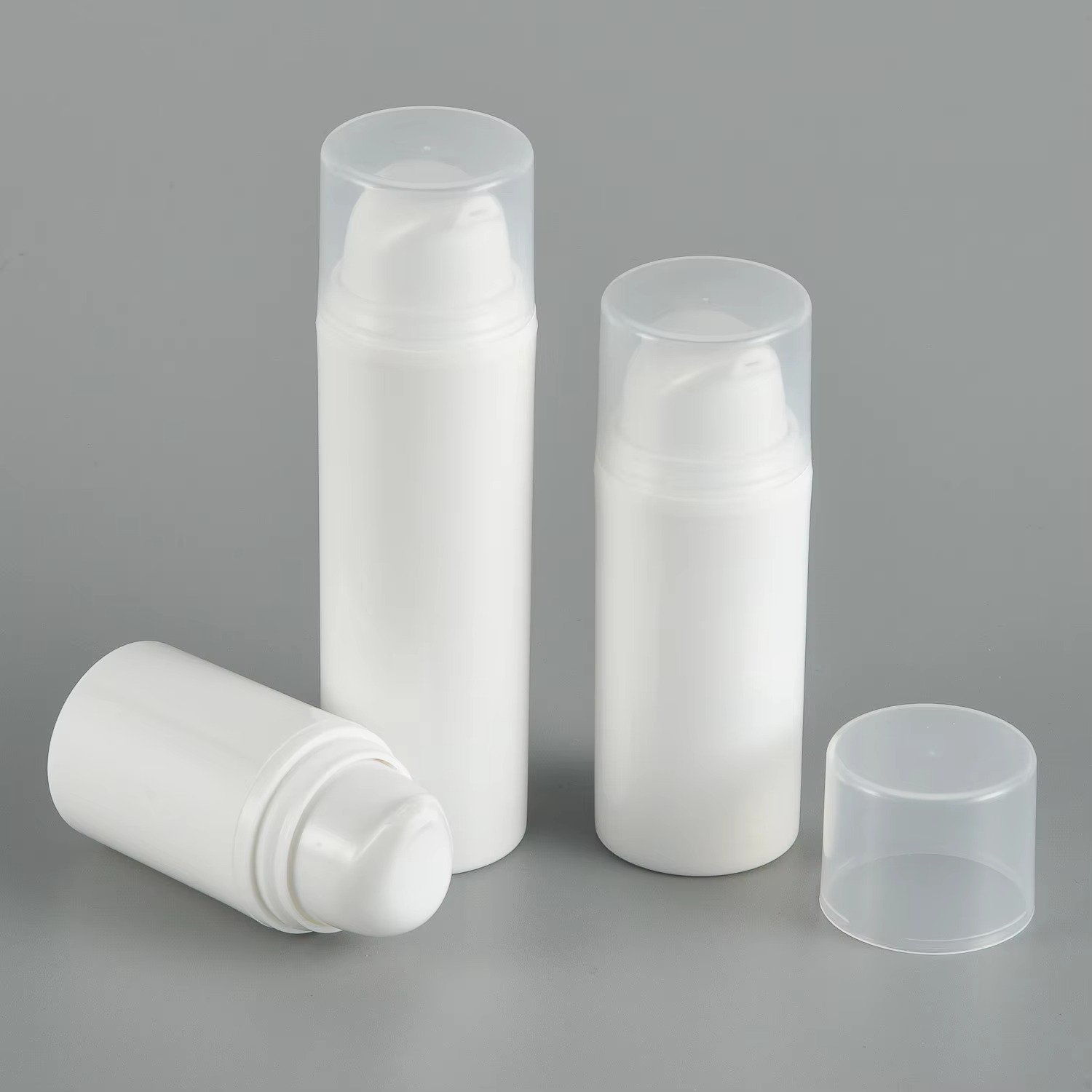
Product waste remains one of the most pressing concerns in cosmetic and skincare manufacturing. When customers use traditional pump bottles or jars, significant amounts of product remain trapped at the bottom, inside tube walls, or around dispenser mechanisms. This residue represents lost product, reduced customer satisfaction, and wasted raw materials. Understanding how an airless bottle minimizes this residue through innovative mechanical design is essential for manufacturers seeking to enhance customer experience and reduce waste across repeated use cycles.
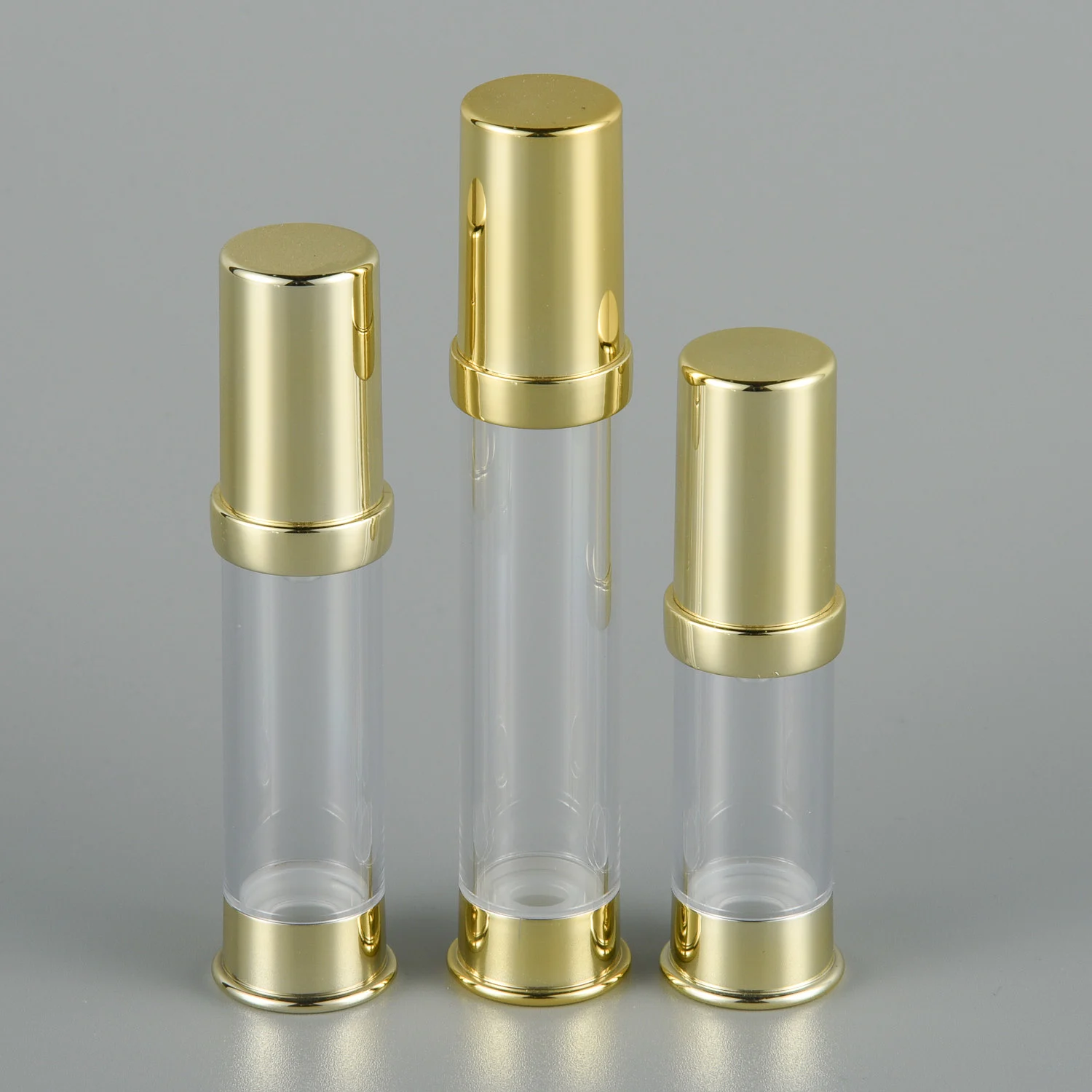
An airless bottle operates on a fundamentally different principle than traditional packaging. Rather than allowing air to enter the container as product is dispensed, the airless bottle uses a rising piston or diaphragm system that maintains constant pressure inside the vessel. This mechanical approach eliminates the void space that typically accumulates in conventional bottles, preventing oxidation, contamination, and product separation while simultaneously ensuring that nearly every ounce of formulation reaches the consumer.
How Airless Bottle Mechanics Drive Residue Reduction
The Piston System in Airless Bottle Design
The core innovation of an airless bottle lies in its precision-engineered piston mechanism. When a user activates the pump, the piston rises smoothly inside the container, pushing product upward through an internal tube to the dispenser nozzle. Unlike standard bottles where product sits passively at the bottom, every component of an airless bottle is designed to push formulation toward the outlet with minimal resistance. The piston creates an airtight seal, ensuring that no product is left behind in dead zones or trapped pockets that typically occur during repeated use cycles.
This mechanical precision is critical for minimizing residue. In traditional packaging, each pump action creates a vacuum that air rushes in to fill, leaving product stranded along container walls and pump tubes. The airless bottle eliminates this problem entirely. The piston moves in direct proportion to the volume dispensed, maintaining constant contact with the product surface. Over dozens or hundreds of repeated use cycles, this design advantage accumulates significantly, with users able to extract 95 percent or more of the original formulation compared to 70 to 80 percent from conventional bottles.
Pressure Management and Product Delivery
An airless bottle maintains internal pressure through its sealed system design, which prevents atmospheric air from entering and creating oxidative stress on sensitive formulations. This pressure consistency ensures uniform product delivery with every pump action, regardless of how many times the bottle has been used. As the piston descends through repeated use cycles, product flows consistently toward the nozzle without any variation in dispensing force or speed. The airless bottle's pressure-based mechanism means that even when 90 percent of the product has been used, the final 10 percent dispenses just as smoothly as the first application.
Conventional bottles struggle with this challenge because air entering from the outside creates variable pressure conditions throughout the use cycle. Early pumps feel responsive and easy, but as the bottle empties, air pockets form and create resistance. An airless bottle avoids this entirely. The sealed environment and rising piston system guarantee that residue is not a result of delivery failure but rather a function of mechanical geometry, which manufacturers can optimize through precise tooling and design refinement.
Addressing Residue Across Extended Use Cycles
Residue Patterns in Traditional vs. Airless Bottle Systems
Traditional bottles accumulate residue in multiple locations simultaneously. Product collects at the bottom below the intake tube, along the interior tube walls where surface tension causes adhesion, around the pump gasket where leakage risk exists, and inside the nozzle mechanism itself. Across repeated use cycles, these residue zones compound because each pump action creates micro-voids and pressure changes that trap additional product in capillary spaces. An airless bottle eliminates most of these residue sources by design. The rising piston pushes from the very bottom of the container, so no dead zone exists below the intake point. The sealed system prevents atmospheric air from entering, which reduces the capillary forces that normally trap product along interior walls.
The airless bottle's geometry is optimized so that residue is minimized to perhaps 2 to 5 percent of total volume, compared to 20 to 30 percent in conventional packaging. This residue reduction becomes especially valuable during extended use cycles because customers using an airless bottle can reliably reach and dispense product until the very end of the use cycle without experiencing pump failure, air suction sounds, or uneven dispensing that signals product waste.
Material Compatibility and Residue Stability
The design of an airless bottle influences not only how much residue forms but also how stable that residue remains throughout the use cycle. Because the airless system maintains an oxygen-free environment, any product residue that does remain is protected from oxidation and degradation. This is especially important for antioxidant-rich formulations, vitamin serums, or oil-based products where residue exposure to air would compromise efficacy. An airless bottle preserves the integrity of leftover product through its sealed chamber, ensuring that if a customer somehow retrieves residual product at the end of a use cycle, it remains chemically stable and effective.
Material selection also plays a role in airless bottle residue performance. Premium airless systems use pharmaceutical-grade plastics or glass interiors with specialized coatings that reduce surface adhesion. These materials prevent product from sticking to container walls, which directly reduces residue accumulation during repeated use cycles. When combined with the mechanical advantages of the piston system, material science ensures that an airless bottle delivers superior residue minimization across every dimension of the packaging design.
Practical Benefits and Implementation Considerations
Customer Satisfaction and Product Value Perception
Residue reduction directly impacts customer satisfaction because users perceive they are receiving the full value of their purchase. When a customer buys 15 milliliters of premium serum in an airless bottle, they confidently use nearly the entire volume, reinforcing their perception of product quality and brand reliability. By contrast, conventional bottles that leave visible residue at the end make customers feel they have wasted money, which damages brand loyalty. An airless bottle transforms the unboxing and usage experience by delivering consistent dispensing and near-complete product extraction across every repeated use cycle.
This perception advantage extends to pricing strategy and product margins. Because an airless bottle demonstrates measurably lower residue than competing packaging, manufacturers can justify premium positioning and command higher retail prices. Consumers recognize that airless bottle technology represents superior engineering, and they willingly pay more for packaging that eliminates waste and ensures they receive the full benefit of their skincare investment.
Manufacturing Efficiency and Sustainability
From a manufacturing standpoint, airless bottle adoption directly reduces the effective cost per unit of product delivered to customers. Because residue is minimized, manufacturers can reduce fill volumes slightly while maintaining the same perceived customer value. Alternatively, fill volumes can remain constant while the customer perceives greater value due to superior extraction efficiency. An airless bottle also enables manufacturers to use more expensive, efficacious formulations confidently, knowing that residue loss will not erode profit margins. The reduced waste also supports sustainability commitments, as less product is discarded at the end of each use cycle.
Selecting the right airless bottle supplier and design partner is essential for realizing these benefits. Quality manufacturing tolerances ensure that the piston mechanism operates smoothly across thousands of repeated use cycles without leakage or mechanical failure. airless bottle producers should demonstrate proven performance data showing residue levels under accelerated use testing, material compatibility certifications, and responsive technical support for custom design requirements.
FAQ
What percentage of product is typically wasted in an airless bottle compared to traditional bottles?
An airless bottle typically wastes 2 to 5 percent of product volume as residue, while traditional pump bottles waste 20 to 30 percent. This dramatic difference stems from the airless bottle's rising piston mechanism, which eliminates dead zones and maintains consistent pressure throughout repeated use cycles. The sealed environment also prevents oxidation and adhesion of residual product to container walls.
How does an airless bottle prevent product oxidation during extended use cycles?
An airless bottle maintains a completely sealed environment where no atmospheric air enters the container as product is dispensed. The rising piston fills the space left by dispensed product, preventing oxygen exposure that causes oxidation and degradation. This design ensures that formulations remain stable and effective, even after months of repeated use cycles, and any remaining residue retains its original efficacy.
Can an airless bottle be used for all types of skincare and cosmetic formulations?
An airless bottle is compatible with most cosmetic formulations including serums, lotions, creams, and oils. However, extremely thick pastes or highly viscous formulations may require custom piston designs to ensure smooth dispensing throughout repeated use cycles. Manufacturers should work with airless bottle suppliers to verify material compatibility and conduct stability testing with their specific formulations before full-scale production launches.