
 EN
EN



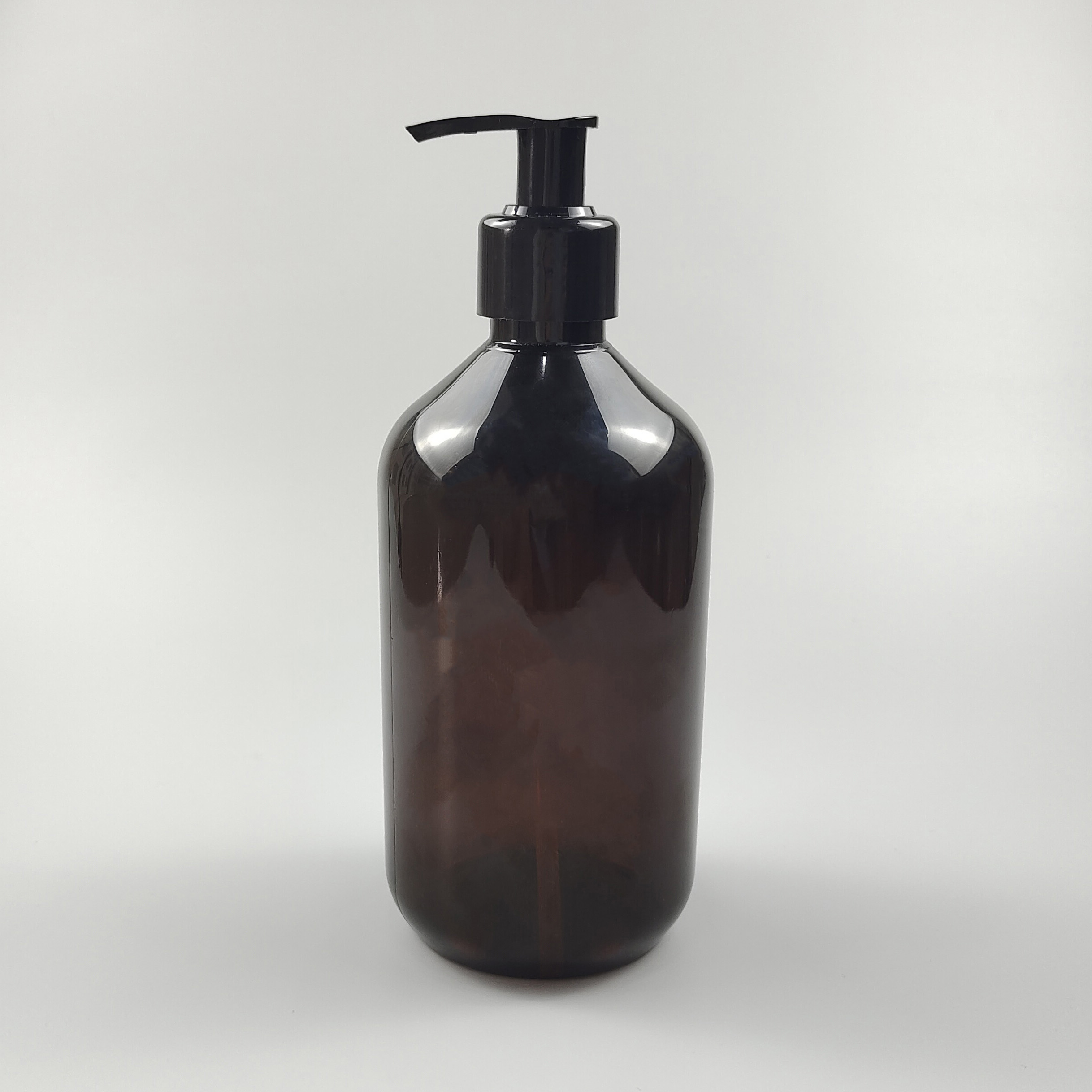
The modern plastic bottle has evolved far beyond its original single-use purpose, becoming a versatile packaging solution that adapts seamlessly across multiple industries. From cosmetics to cleaning products, food to pharmaceuticals, the plastic bottle serves as a critical bridge between manufacturers and consumers. Understanding how plastic bottles adapt to different industries reveals the engineering sophistication and design flexibility that manufacturers must balance to meet industry-specific demands, regulatory requirements, and consumer expectations. The plastic bottle's ability to serve diverse markets demonstrates why it remains the preferred packaging choice for billions of products worldwide.

Every industry has unique demands that shape how manufacturers design and produce plastic bottles for their specific applications. Cosmetic brands require transparent or frosted plastics with aesthetic appeal, while cleaning product manufacturers prioritize chemical resistance and durability. The plastic bottle must meet these contrasting needs without sacrificing functionality, safety, or cost-effectiveness. This adaptability has made the plastic bottle an indispensable component of modern manufacturing, with design specifications varying dramatically based on industry requirements and product chemistry.
Material Selection and Chemical Compatibility
Choosing the Right Resin for Different Products
The foundation of plastic bottle adaptation begins with material selection. A plastic bottle intended for cosmetic creams requires different resin properties than one designed to hold aggressive cleaning chemicals. Polyethylene terephthalate (PET) dominates the cosmetics industry because it offers clarity, lightweight properties, and excellent barrier characteristics against moisture and oxygen. However, high-density polyethylene (HDPE) becomes the preferred choice for cleaning products due to superior chemical resistance and ability to withstand harsh solvents without degradation. The plastic bottle manufacturer must evaluate product compatibility, shelf stability, and regulatory compliance when selecting which resin will best serve each industry.
Chemical Resistance and Product Stability
Cleaning products containing bleach, ammonia, or petroleum-based solvents demand plastic bottle materials with exceptional chemical resistance properties. A plastic bottle exposed to these aggressive chemicals must maintain structural integrity throughout its shelf life without leaching or becoming brittle. In contrast, cosmetic products like serums and oils require a plastic bottle that protects against oxidation and light exposure rather than chemical attack. The plastic bottle's wall thickness, material composition, and internal coating must be engineered specifically for the product it will contain. This fundamental difference in chemical compatibility drives distinct manufacturing processes for each industry vertical, making the plastic bottle far more specialized than consumers typically realize.
Design Features and Functional Adaptations
Dispensing Mechanisms Across Industries
The plastic bottle adapts functionally through dispensing mechanisms tailored to each industry's needs. Cosmetic applications frequently employ pump dispensers, droppers, or mist sprayers integrated directly into the plastic bottle cap system, enabling precise product delivery and maintaining product integrity during storage. Cleaning products often use trigger sprayers or squeeze dispensers that allow users to apply concentrated solutions effectively. Personal care products might incorporate foam dispensers that alter product texture upon application. Each dispensing variation requires a plastic bottle designed with specific internal dimensions, neck threading, and structural reinforcement to accommodate the chosen mechanism. The plastic bottle thus becomes a complete system rather than a simple container, adapting its form to optimize user experience across different categories.
Transparency and Aesthetic Requirements
Cosmetic and personal care brands leverage the plastic bottle as a visual marketing tool, often demanding crystal-clear transparency, custom colors, or specialized coatings that enhance shelf appeal. A plastic bottle for premium skincare must convey quality and luxury through its visual presentation. Conversely, industrial cleaning products may use opaque plastic bottles to protect light-sensitive formulations while reducing aesthetic demands. The plastic bottle's surface finish can be glossy, matte, or textured depending on brand positioning and functional requirements. Color opacity, UV protection, and surface decoration capabilities represent critical adaptation points that distinguish cosmetic plastic bottles from those serving functional industrial products. Manufacturers must invest in specialized molding equipment, paint systems, and quality control protocols to deliver the aesthetic variations demanded across different industries.
Regulatory Compliance and Industry-Specific Standards
Safety and Labeling Requirements
The plastic bottle must comply with distinct regulatory frameworks depending on its intended industry. Cosmetic plastic bottles must meet FDA guidelines for materials that contact skin-care products, ensuring no harmful substances leach into formulations. Cleaning product plastic bottles must withstand pressure testing and chemical compatibility verification under standards like ASTM specifications. The plastic bottle's structural design must account for warning label space, ingredient disclosure requirements, and bar code integration unique to each industry. Pharmaceutical-grade plastic bottles face even more stringent requirements, including sterility assurance and contamination prevention protocols. Regulatory compliance adds significant engineering complexity to plastic bottle design, requiring manufacturers to maintain industry-specific certifications and quality documentation that verify their plastic bottle meets applicable standards.
Environmental and Sustainability Standards
Modern plastic bottle adaptation increasingly incorporates sustainability considerations, with different industries facing varying environmental regulations. Cosmetic brands increasingly demand recyclable plastic bottles made from post-consumer recycled content, responding to consumer sustainability expectations. Cleaning product manufacturers must balance recyclability with chemical resistance, sometimes requiring specialized plastic bottle materials that complicate recycling infrastructure. The plastic bottle's design increasingly includes reduced-wall construction, lightweight materials, and modular components to minimize environmental impact. Extended producer responsibility laws and circular economy initiatives drive plastic bottle manufacturers to rethink traditional designs, incorporating sustainable materials without compromising chemical resistance or product protection. This regulatory landscape creates ongoing pressure for plastic bottle innovation, with each industry adapting its packaging requirements based on emerging environmental standards and consumer demand.
Performance Metrics and Quality Control
Strength Testing and Durability Verification
A plastic bottle designed for cosmetics undergoes different strength testing than one engineered for cleaning products. The plastic bottle must pass pressure tests that simulate storage, transportation, and shelf-life conditions specific to its intended product category. Cosmetic plastic bottles typically require lower pressure ratings but must ensure consistent clarity and color stability. Cleaning product plastic bottles demand higher burst strength ratings and chemical-soak durability testing to verify resistance to corrosive products. The plastic bottle manufacturer employs industry-specific quality protocols, including drop testing, temperature cycling, and long-term chemical compatibility studies that validate performance across diverse applications. These rigorous testing procedures ensure that each plastic bottle meets minimum performance thresholds while preventing product contamination, leakage, or premature packaging failure in the field.
Cost Efficiency and Production Scalability
Economic viability drives plastic bottle adaptation across industries, requiring manufacturers to optimize production efficiency without sacrificing quality. A plastic bottle for mass-market cleaning products must maintain low per-unit costs through efficient molding cycles and minimal material waste. Premium cosmetic plastic bottles accept higher production costs because brand value and product protection justify the investment. The plastic bottle manufacturer must develop flexible production capabilities that accommodate both high-volume commodity applications and specialized small-batch runs. Injection molding systems, blow-molding equipment, and finishing operations must adapt to changing specifications while maintaining consistency across industries. This production flexibility represents a critical competitive advantage, allowing plastic bottle manufacturers to serve diverse market segments profitably while responding rapidly to emerging industry demands and design variations.
Industry-Specific Applications and Use Cases
Cosmetics and Personal Care Excellence
The cosmetics industry represents one of the most demanding applications for plastic bottle design and adaptation. Foundation, serums, lotions, and other skincare products require plastic bottles that maintain product freshness, prevent oxidation, and present an attractive appearance on retail shelves. Cosmetic plastic bottles often incorporate airless pump systems that eliminate product contact with air, extending shelf stability significantly. The plastic bottle's material selection prioritizes transparency, UV protection, and compatibility with active ingredients that might degrade if exposed to light or air. Premium cosmetic brands invest heavily in plastic bottle customization, including custom colors, embossing, and decorative coatings that differentiate products in competitive markets. This investment reflects the plastic bottle's role as both functional protector and marketing asset within the cosmetics industry.
Cleaning and Household Products Application
Household cleaning products demand fundamentally different plastic bottle engineering than cosmetics, prioritizing durability and chemical resistance over aesthetics. A plastic bottle for bleach, disinfectants, or degreasers must resist aggressive chemical attack without leaching or becoming brittle during extended storage. These plastic bottles typically employ simpler designs with trigger spray dispensers, emphasizing functionality over visual appeal. The plastic bottle's thicker walls and opaque construction provide practical advantages by protecting the product from light degradation while reducing material cost compared to premium cosmetic alternatives. High-volume production requirements drive plastic bottle manufacturers to develop efficient molding processes that deliver consistent quality while maintaining competitive pricing. This segment represents the largest volume category for plastic bottle usage, with manufacturers serving retailers, commercial cleaning services, and industrial customers demanding reliable, economical packaging solutions.
FAQ
What material properties make a plastic bottle suitable for cleaning products?
Cleaning product plastic bottles require exceptional chemical resistance, typically achieved through high-density polyethylene (HDPE) or polypropylene materials that withstand aggressive solvents without degradation. The plastic bottle must maintain structural integrity even when exposed to bleach, acids, bases, and petroleum-based products that could attack softer plastics. Thicker wall construction, rigorous chemical compatibility testing, and materials certified for hazardous chemical contact distinguish these plastic bottles from cosmetic alternatives. Manufacturers verify plastic bottle suitability through extended soak testing in actual product formulations, ensuring no leaching or material breakdown occurs throughout the shelf life.
How do cosmetic plastic bottles differ from industrial packaging?
Cosmetic plastic bottles prioritize transparency, aesthetic appeal, and precise dispensing mechanisms that enhance brand positioning and user experience. These plastic bottles often employ premium materials like PET that offer crystal clarity and UV protection for light-sensitive formulations. The plastic bottle design includes sophisticated pump systems, dropper applications, or mist dispensers that add functionality while controlling product delivery. Industrial plastic bottles emphasize durability, chemical resistance, and cost efficiency over visual presentation. Cosmetic plastic bottles typically command higher production costs because brand value justifies premium materials and customization, while industrial plastic bottles optimize for volume production and material economy.
Why do different industries require specific plastic bottle designs?
Different industries require specialized plastic bottle designs because product chemistry, regulatory requirements, user expectations, and economic constraints vary dramatically across categories. A plastic bottle for cosmetics must protect delicate active ingredients while presenting an attractive appearance that influences purchase decisions. Cleaning product plastic bottles must withstand chemical attack while providing functional dispensing for concentrated solutions. The plastic bottle's material composition, wall thickness, surface finish, and integrated components must align with these diverse requirements. Regulatory compliance, product stability, and market positioning drive the need for industry-specific plastic bottle engineering rather than one-size-fits-all solutions, making specialized design and manufacturing capabilities essential for serving multiple market segments effectively.