
 EN
EN



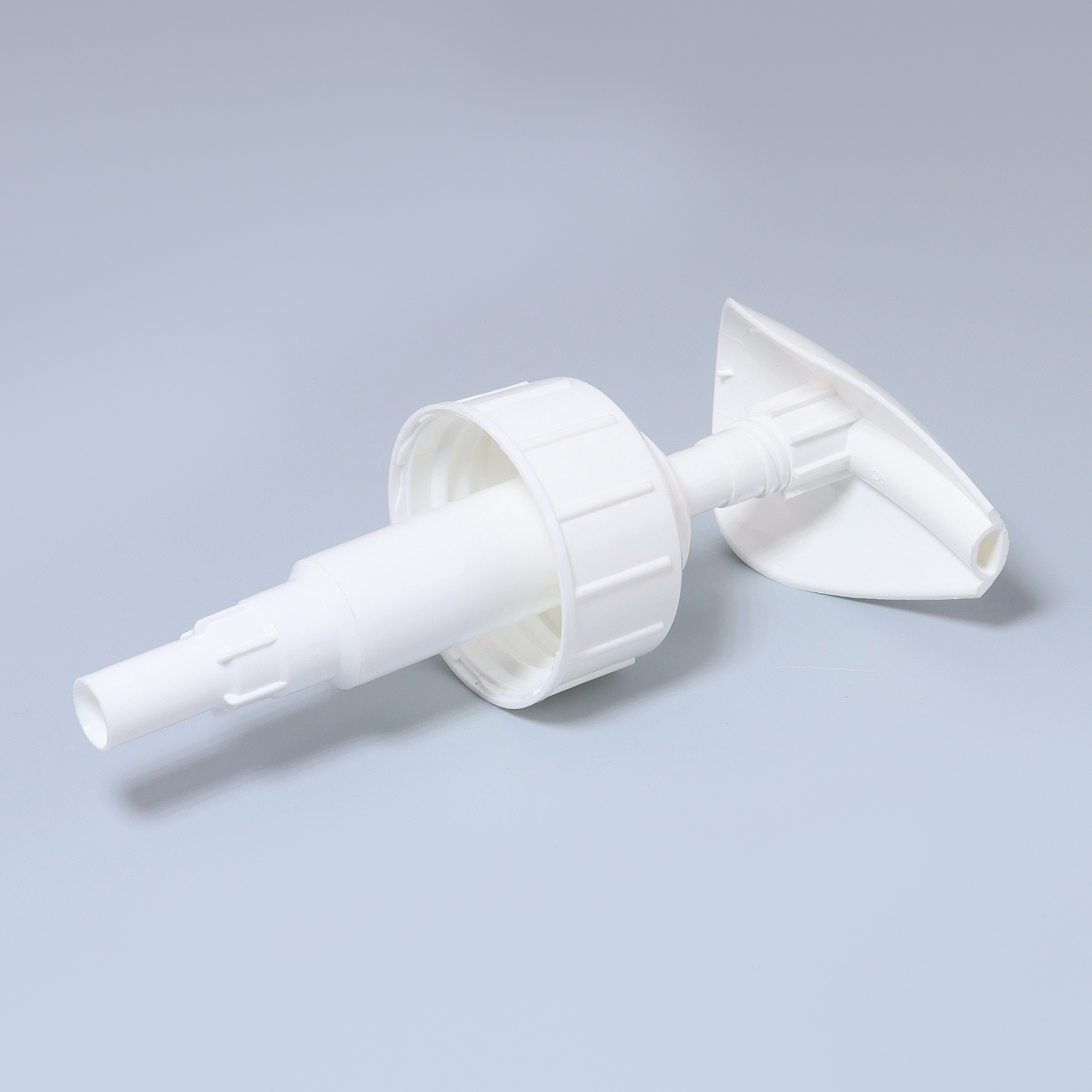
The 4cc lotion pump represents a critical advancement in cosmetic and skincare product dispensing technology. Understanding how the 4cc lotion pump structure delivers superior user control and maintains consistent liquid flow is essential for manufacturers, distributors, and end-users seeking reliable dispensing solutions. The precision engineering behind the 4cc lotion pump directly influences product waste reduction, user satisfaction, and overall brand perception in competitive beauty and personal care markets.

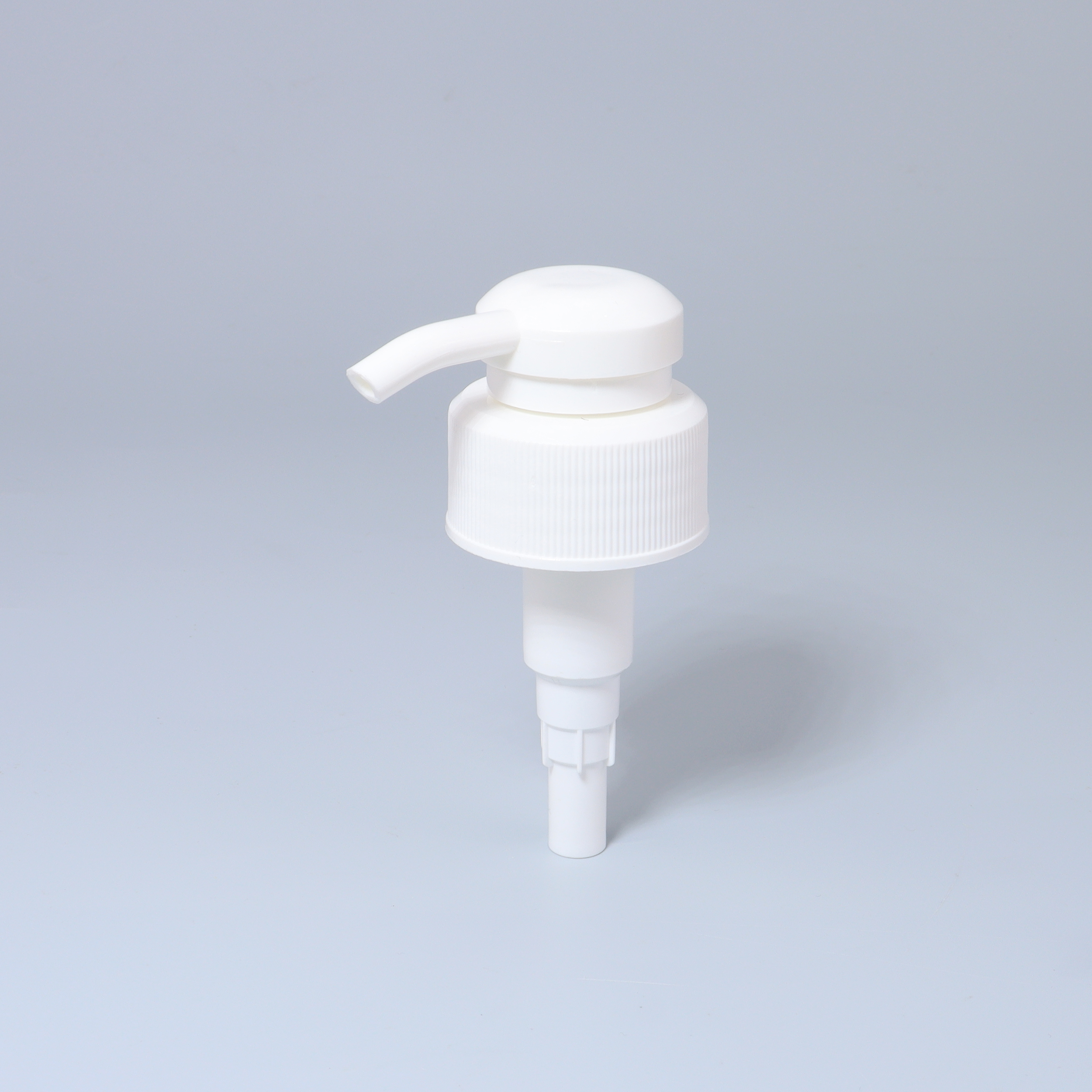
Every 4cc lotion pump incorporates carefully designed structural components that work in harmony to regulate dosage and ensure uniform liquid delivery. The architectural design of the 4cc lotion pump balances mechanical precision with practical usability, allowing consumers to dispense exactly the right amount of product with minimal effort. This article examines the technical and functional aspects that make the 4cc lotion pump an industry standard for premium cosmetic formulations.
Core Structural Components of the 4cc Lotion Pump
Pump Chamber Design and Capacity Precision
The foundation of any 4cc lotion pump lies in its precisely calibrated chamber design. The chamber serves as the metering cavity that holds exactly four cubic centimeters of product per stroke, ensuring consistent dose delivery with every use. The internal geometry of the 4cc lotion pump chamber is engineered to eliminate dead zones where liquid might stagnate or fail to dispense completely. This precision chamber design is what distinguishes a quality 4cc lotion pump from inferior alternatives that may deliver inconsistent volumes or require excessive pressure.
Manufacturing tolerances for the 4cc lotion pump chamber typically range within 0.1 millimeters, a specification that demands advanced injection molding technology. The smooth interior walls of the 4cc lotion pump prevent friction and ensure smooth piston movement without stuttering or resistance. Additionally, the cylindrical alignment of the 4cc lotion pump chamber directly impacts how predictably liquid flows during both the intake and discharge phases of operation.
Piston and Spring Assembly Integration
The piston assembly within the 4cc lotion pump creates the mechanical action necessary for controlled dispensing. A precisely engineered spring mechanism returns the piston to its original position, allowing the 4cc lotion pump to refill the chamber automatically after each stroke. The tension of the return spring in the 4cc lotion pump must be carefully calibrated to provide responsive tactile feedback without requiring excessive finger pressure. Users benefit from the balanced engineering because the 4cc lotion pump demands consistent, moderate force rather than sudden or erratic effort.
The piston head of the 4cc lotion pump features a specialized sealing surface that maintains pressure integrity throughout the stroke cycle. This seal prevents product leakage and ensures that the 4cc lotion pump dispenses the full calibrated volume rather than partial amounts. The durability of the piston seal directly influences the longevity of the 4cc lotion pump, as degradation of this component leads to performance decline over extended use periods.
Liquid Flow Consistency and Valve System Mechanics
One-Way Valve Architecture for Directional Control
The valve system within the 4cc lotion pump governs the direction and rate of liquid movement, ensuring consistent flow patterns throughout product life. The intake valve in a 4cc lotion pump opens when the piston retracts, allowing the chamber to refill from the product reservoir. Simultaneously, the discharge valve remains sealed during the intake phase, preventing backflow. When the user presses the 4cc lotion pump, the intake valve closes and the discharge valve opens, forcing the precisely measured volume through the outlet nozzle.
The design of the 4cc lotion pump valve seats determines the tightness of closure and the pressure threshold required for operation. A poorly engineered 4cc lotion pump with loose valve seals results in dripping between uses and inconsistent flow rates. The valve spring tension in a quality 4cc lotion pump ensures the discharge valve opens smoothly at the appropriate pressure point, typically between 15 and 30 pounds per square inch depending on product viscosity and container design.
Nozzle Geometry and Flow Rate Optimization
The outlet nozzle of the 4cc lotion pump significantly influences how users perceive product delivery and dispensing control. A well-designed 4cc lotion pump nozzle creates a smooth, controlled stream or spray pattern rather than an uncontrolled gush. The internal passageways within the 4cc lotion pump nozzle are sometimes ribbed or contoured to accelerate or decelerate flow depending on intended application. Viscous lotions, lightweight serums, and foaming products all require different 4cc lotion pump nozzle configurations to achieve optimal delivery characteristics.
The nozzle diameter and depth of the 4cc lotion pump directly correlate with the time required to fully dispense the 4cc volume. A narrow nozzle on the 4cc lotion pump extends the dispensing time to perhaps two to three seconds, which many consumers prefer for precise application. Wider 4cc lotion pump nozzles deliver the full dose more rapidly, which may be preferable for shower gels or body lotions where speed takes priority over precision.
User Control Enhancement Through Structural Design
Grip and Actuator Design for Ergonomic Feedback
The pump head and actuator structure of the 4cc lotion pump must provide tactile feedback that communicates to users exactly when they have completed a full stroke. An intuitive 4cc lotion pump design includes a distinct clicking sensation or resistance point that signals the metering cycle completion. This tactile feedback prevents accidental over-pressing and product waste, making the 4cc lotion pump more user-friendly across different age groups and hand-strength capabilities.
The pump head height and width of the 4cc lotion pump influence how easily consumers can operate it one-handed or with different finger arrangements. Ergonomic 4cc lotion pump designs accommodate both precision grip and power grip applications, expanding usability across diverse consumer preferences. The grip texture and material selection for the 4cc lotion pump actuator also matter in wet bathroom environments where slippery hands require adequate friction.
Pressure Consistency and Resistance Calibration
Consistent pressure requirements across the lifespan of the 4cc lotion pump enhance user predictability and satisfaction. A quality 4cc lotion pump maintains relatively stable resistance throughout hundreds of pump cycles, whereas cheaper alternatives show noticeable degradation where users must press harder to achieve full dispensing. The spring material and piston friction characteristics of the 4cc lotion pump determine this pressure consistency profile.
Manufacturers of the 4cc lotion pump must test pressure consistency across temperature ranges because material properties shift in cold and warm environments. A 4cc lotion pump that requires 20 pounds of pressure at room temperature might feel noticeably stiffer when chilled or slightly softer when heated. Controlling this variance ensures the 4cc lotion pump delivers predictable user experience regardless of storage or use conditions, which is particularly important for commercial product lines sold across diverse geographic markets.
FAQ
What factors determine the reliability of a 4cc lotion pump over extended use?
Reliability of a 4cc lotion pump depends on seal quality, spring material resilience, piston surface treatment, and manufacturing precision. The 4cc lotion pump's internal components must resist chemical interaction with the product being dispensed, as some formulations can degrade elastomers or metal surfaces. Additionally, the 4cc lotion pump undergoes stress with each compression cycle, so durable material selection and proper tolerancing directly impact longevity and consistent performance across thousands of uses.
How does product viscosity affect 4cc lotion pump performance and flow rates?
Product viscosity significantly influences how quickly liquid flows through the 4cc lotion pump nozzle and the pressure required to achieve full dispensing. Thicker products demand a 4cc lotion pump with larger internal passageways and optimized valve geometry to prevent blockage or excessive resistance. A 4cc lotion pump designed for heavy creams will feel noticeably different than one engineered for lightweight serums, as the structural features including valve spring tension and piston design must be tuned to match the intended product type.
Can different nozzle attachments change the dispensing behavior of a standard 4cc lotion pump?
Yes, interchangeable nozzles can modify the 4cc lotion pump dispensing pattern from precise streams to fine mists or broad sprays. However, the 4cc lotion pump chamber itself maintains the same metered volume regardless of nozzle design. Changing the nozzle on a 4cc lotion pump alters only the visual presentation and spray pattern of the dispensed product, not the total amount delivered per stroke. This modularity makes the 4cc lotion pump adaptable to multiple product formulations and packaging aesthetics without requiring different pump mechanisms.