
 EN
EN



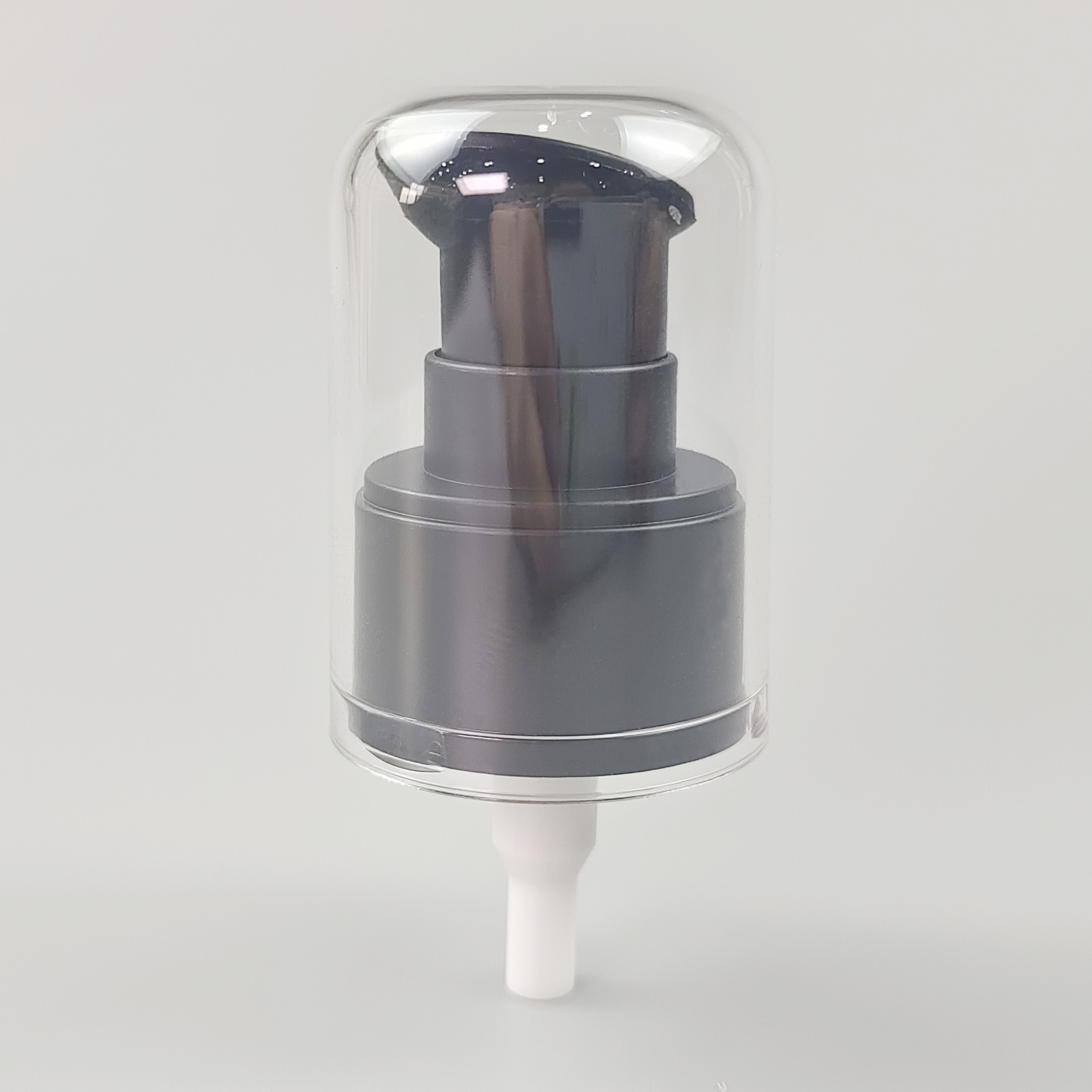
The cream pump represents far more than a simple dispensing mechanism. It serves as the critical barrier between your product and the external environment, directly influencing how long your formulation maintains its intended freshness and stability. Manufacturers and brand owners increasingly recognize that the sealing design of a cream pump is not a secondary consideration but rather a foundational element that determines product integrity, consumer satisfaction, and shelf life performance. Without proper sealing architecture, even the highest-quality cream pump will fail to protect your investment and reputation.
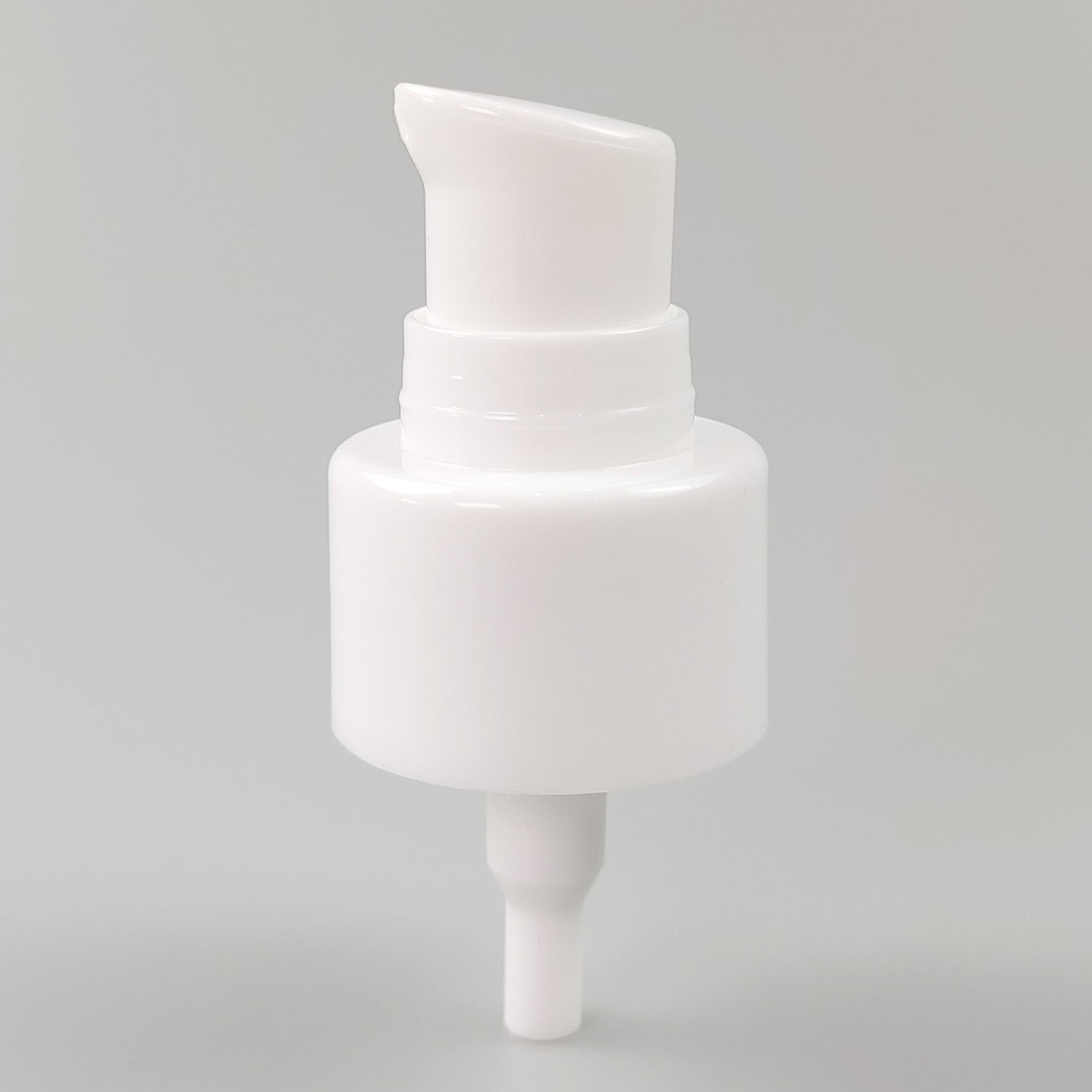
A well-designed cream pump must prevent oxidation, moisture infiltration, and microbial contamination while maintaining consistent dispensing performance across hundreds of actuations. The sealing mechanisms embedded within a cream pump determine whether your product remains stable for months or degrades within weeks. This article explores why sealing design is critical for cream pump effectiveness, how different sealing approaches impact product freshness, and what manufacturers should evaluate when selecting the ideal cream pump for their formulations.
Understanding Sealing Architecture in Cream Pump Design
Core Sealing Components Within a Cream Pump
Every cream pump relies on multiple sealing surfaces working in concert to create an airtight chamber. The primary seal typically consists of a gasket or elastomer ring positioned between the pump head and the reservoir. This seal prevents product from leaking during storage and shipping. A high-quality cream pump incorporates secondary seals at the piston rod, the output nozzle, and the connection points where the pump attaches to the container. Each of these contact surfaces must maintain integrity under varying temperature and humidity conditions. The material composition of seals within your cream pump directly affects how well it resists degradation from solvents, emulsifiers, and active ingredients common in cosmetic formulations.
The dip tube seal represents another critical design element in a cream pump. This seal ensures that the intake pathway remains isolated from external air during the filling and priming stages. If the dip tube seal fails, air can enter the product chamber, accelerating oxidation and compromising formulation stability. Advanced cream pump designs include multiple redundant sealing surfaces to minimize the risk of any single point of failure. Manufacturers who understand these architectural details can select a cream pump that matches their specific product chemistry and storage environment requirements.
Material Selection and Seal Longevity
The elastomer materials used in sealing elements directly determine how long a cream pump can maintain product freshness without degradation. Nitrile rubber, EPDM, and viton represent common seal materials, each offering different resistance profiles to oils, solvents, and preservatives. A cream pump designed with incompatible seal materials may swell, harden, or lose elasticity when exposed to certain ingredients, creating microscopic gaps that allow oxygen and moisture ingress. The solvent resistance of seals within your cream pump must be validated against your actual formulation through compatibility testing. This testing often reveals that seals suitable for one product family may be inadequate for another, underscoring why sealing design cannot be treated as a universal standard.
Premium cream pump manufacturers conduct extensive accelerated aging studies to confirm that seal materials maintain their properties across a product's full shelf life. Temperature cycling, humidity exposure, and chemical contact all place stress on seals, potentially causing permanent deformation or reduced resilience. A cream pump with seals that lose only 5 percent of their elasticity under stress will outperform competitors whose seals degrade by 20 percent or more. When evaluating a cream pump, manufacturers should request data on seal material compatibility with their specific preservative systems and active ingredients.
Impact of Sealing Integrity on Product Stability and Freshness
Oxygen Barrier Function and Oxidation Prevention
Product freshness depends critically on minimizing oxygen exposure, and sealing design in a cream pump directly controls this variable. Even tiny air gaps that develop over time can expose emulsified products to atmospheric oxygen, triggering oxidation reactions that degrade lipid components and active ingredients. A cream pump with precise sealing tolerances ensures that each actuation dispenses product without drawing air backward into the reservoir during the return stroke. This so-called 'breathing' problem causes formulations to deteriorate prematurely, leading to discoloration, rancid odors, and reduced efficacy. Customers who perceive a degraded product rapidly become dissatisfied, and the brand reputation suffers accordingly.
The sealing performance of a cream pump must be verified through oxygen transmission rate testing and seal gap measurement. A cream pump that maintains sealing pressure consistently across hundreds of cycles will preserve product stability far longer than one with loosening seals. Some advanced cream pump designs incorporate spring-loaded or preloaded sealing surfaces that compensate for material relaxation over time, ensuring that the barrier remains intact even after extended storage. This engineering approach to sealing design requires higher initial investment but delivers measurable returns through extended shelf life and reduced spoilage claims.
Moisture Control and Formulation Integrity
Water absorption represents another critical threat to cream pump performance and product freshness. Emulsions and hydrogels are particularly vulnerable to moisture ingress, which can disrupt the oil-water balance and promote microbial growth. A cream pump with imperfect seals allows ambient moisture to gradually enter the product chamber, especially in humid climates or poorly controlled storage environments. The sealing design of your cream pump must prevent this moisture infiltration while allowing the product to dispense smoothly without resistance. This balance requires careful engineering of clearances and seal compression forces within the cream pump structure.
Advanced sealing designs in premium cream pump models incorporate dual-chamber architectures or vapor barriers that specifically address moisture control. These engineering solutions add complexity but provide exceptional protection for sensitive formulations. A cream pump with superior moisture sealing will maintain product stability in challenging distribution and retail environments where temperature and humidity fluctuate significantly. Brands selling in tropical climates or through uncontrolled logistics channels gain particular advantage from cream pump designs that prioritize sealing integrity.
Sealing Performance and Real-World Application Scenarios
Dispensing Consistency and Seal Degradation Patterns
The mechanical stresses of repeated actuation accelerate seal wear in a cream pump over time. Each pump stroke applies compression forces to gaskets and elastomer components, gradually reducing their sealing effectiveness. A cream pump engineered with robust seal backing plates and optimized compression geometry will maintain consistent output performance throughout the product's shelf life. Conversely, a cream pump with undersized or poorly positioned seals may exhibit increasing leakage and inconsistent dose delivery after 100 or 200 actuations. Quality control procedures must include cycle testing of cream pump samples to ensure sealing degradation remains within acceptable limits across the intended product lifecycle.
The sealing design of a cream pump also influences whether residual product remains inside after the container is 'empty.' Poor sealing often correlates with excessive product retention, as air enters the pump chamber and prevents full evacuation during the final actuations. Customers perceive this phenomenon negatively, believing the cream pump design is defective when the actual issue stems from compromised sealing that allows backflow and air entrapment. A cream pump with optimized sealing geometry minimizes product retention while maintaining the barrier function that preserves formulation stability.
Storage Environment Compatibility
Different storage environments impose different demands on sealing design within a cream pump. Products distributed globally must tolerate temperature ranges from refrigerated storage to heated warehouses. A cream pump designed with narrow seal tolerances may fail in extreme temperature scenarios as material expansion and contraction create gaps. Robust cream pump designs incorporate compensating mechanisms that accommodate thermal expansion while maintaining sealing integrity across wide temperature ranges. Testing a cream pump under conditions representing the full distribution network ensures that sealing performance remains acceptable regardless of environmental stresses encountered during storage and transit.
Industrial manufacturers who ship cream pump equipped products through international channels understand that storage conditions are unpredictable and often uncontrolled. The sealing design of their chosen cream pump must therefore provide safety margins that accommodate worst-case scenarios. A cream pump with sealing reserves that exceed minimum requirements will maintain product freshness even when subjected to temperature cycling, humidity extremes, or extended shelf storage. This engineering philosophy transforms the cream pump from a mere dispenser into a stability partner that protects the investment throughout the entire product lifecycle.
FAQ
What role does the sealing design of a cream pump play in maintaining product stability?
The sealing design of a cream pump creates barriers against oxygen infiltration, moisture absorption, and microbial contamination. These barriers directly preserve the chemical stability of emulsions, active ingredients, and preservative systems. A cream pump with superior sealing will maintain product freshness for months longer than competitors with compromised seals. Poor sealing design leads to oxidation, discoloration, reduced efficacy, and ultimately customer dissatisfaction.
How can manufacturers test whether a cream pump's sealing design is adequate for their formulation?
Manufacturers should conduct accelerated aging studies that expose filled cream pump samples to elevated temperatures, humidity cycles, and light exposure while monitoring oxygen transmission rates and moisture ingress. Real-time shelf stability testing under normal storage conditions provides additional validation. Compatibility testing between seal materials and specific formulation components ensures that no chemical reactions compromise sealing integrity. Cycle testing through hundreds of pump actuations reveals whether sealing degrades unacceptably during normal product use.
Why do some cream pump designs perform better than others in humid or tropical climates?
Cream pump designs with redundant sealing surfaces, preloaded gaskets, and optimized compression geometry maintain integrity despite temperature and humidity fluctuations common in tropical environments. Advanced materials with superior chemical resistance and elasticity stability prevent seal degradation that typically occurs when exposed to moisture and heat cycling. A cream pump engineered with wide environmental operating margins will preserve product freshness in challenging climates where standard designs fail prematurely.