
 EN
EN



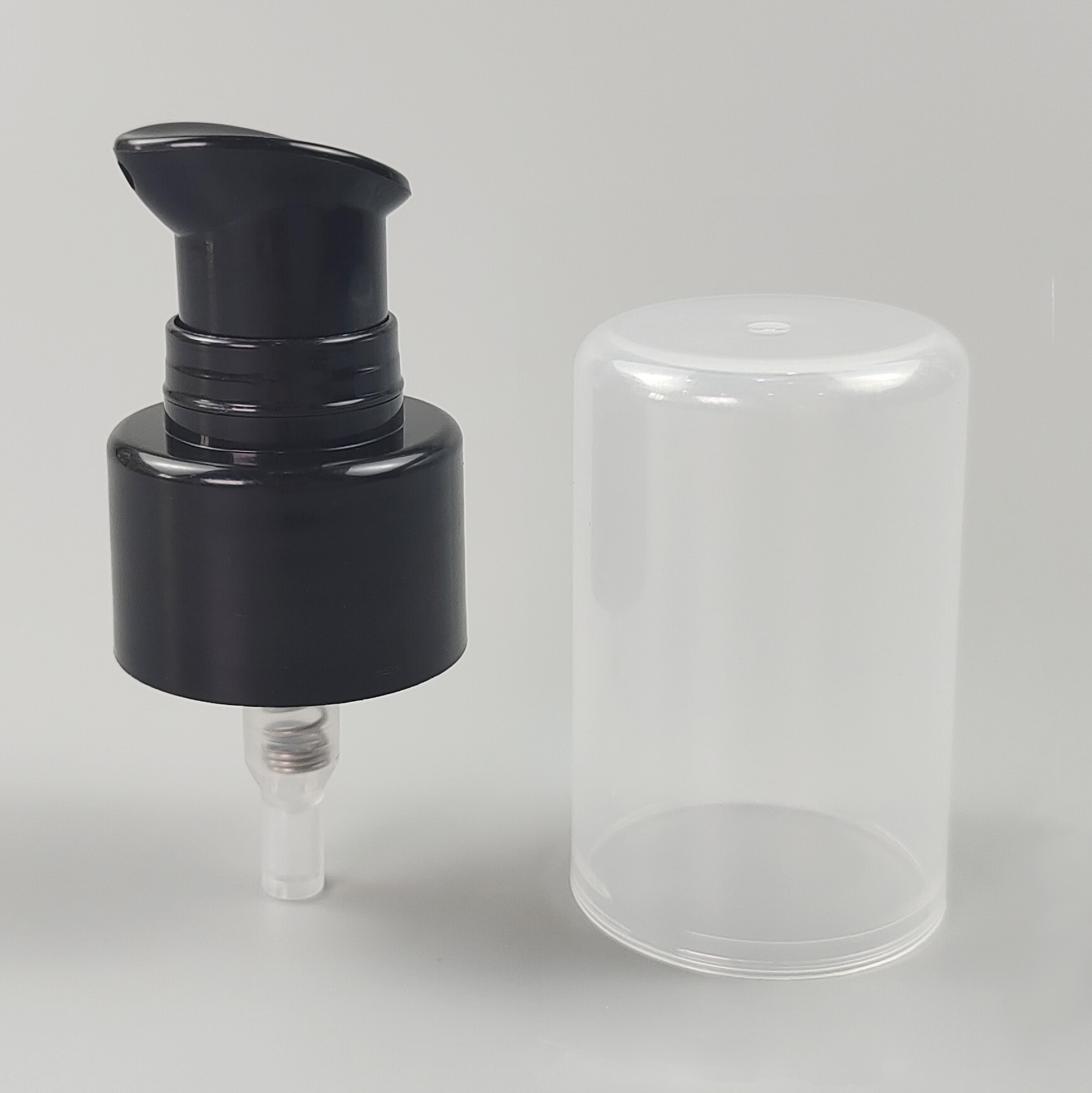
The cream pump stands as one of the most critical components in modern cosmetic packaging, yet its ability to handle diverse formulation viscosities remains underappreciated by many product developers and brand managers. When a cream pump encounters varying formulation thickness levels, it must adapt instantaneously to ensure consistent, reliable product delivery without compromising the user experience. Understanding how a cream pump achieves this adaptability is essential for anyone involved in cosmetic product development, packaging engineering, or quality assurance.
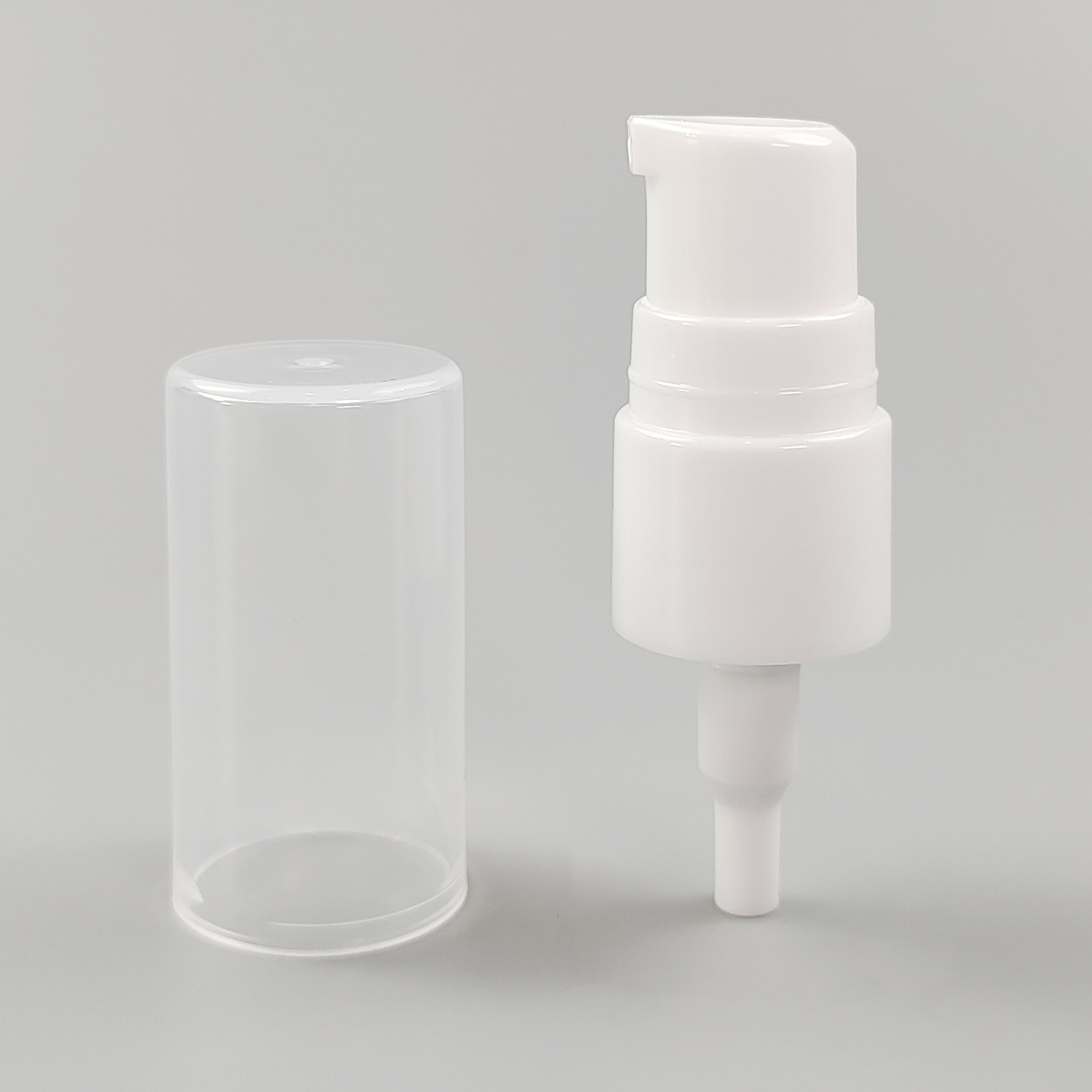
The fundamental challenge that every cream pump must address is that cosmetic formulations vary dramatically in their viscosity, density, and flow characteristics. A lightweight facial serum flows entirely differently from a thick anti-aging moisturizer or a heavy body butter. A cream pump must seamlessly transition between these vastly different product types, maintaining accurate dosing and smooth operation regardless of whether it is dispensing a thin lotion or an exceptionally dense cream. This adaptability is not accidental but rather the result of sophisticated mechanical design and engineering principles built into each pump mechanism.
Understanding Cream Pump Internal Mechanisms
Piston and Chamber Design in Cream Pump Systems
At the heart of every cream pump lies a piston-and-chamber mechanism that must physically accommodate products ranging from liquid-thin to putty-thick consistency. The cream pump chamber is precisely engineered to create an optimal compression ratio that adjusts to product resistance. When a user presses down on the cream pump stem, the piston descends and compresses the formulation inside the chamber. For thin products, minimal resistance builds quickly, while for thicker formulations, the piston must travel further against greater pressure before dispensing occurs. This mechanical relationship between piston travel distance and product resistance is the primary way a cream pump adapts to formulation thickness.
The internal passageway and nozzle design of a cream pump also play a critical role in this adaptation process. Premium cream pump designs incorporate variable-diameter channels that allow different flow rates based on product viscosity. Thinner products flow more rapidly through these passages, while thicker formulations move slowly but completely. The ball valve mechanism within many cream pump models prevents backflow and ensures that the thick formulation remains contained inside the reservoir when the pump is released. This innovative design means that one cream pump can successfully dispense both a silky serum and a heavy night cream without requiring manual adjustment.
Spring Tension and Return Mechanism
The spring system embedded within the cream pump is another crucial adaptation element that responds to formulation thickness. When the user releases the pump stem after dispensing a cream pump cycle, the spring must generate sufficient force to retract the piston back to its original position. For thin products, minimal spring tension is needed, but for thicker formulations, the spring must overcome greater residual pressure and product adhesion. Quality cream pump manufacturers engineer springs with carefully calibrated tension that automatically adjusts to the resistance profile of the specific formulation. This means a cream pump spring will feel different when dispensing a thin lotion versus a heavy cream, but both operations remain smooth and reliable.
Viscosity-Adaptive Dispensing Technology
How Cream Pump Dosing Adjusts to Thickness Levels
The actual dosing consistency delivered by a cream pump represents one of the most impressive adaptation achievements in cosmetic packaging engineering. Despite major differences in formulation thickness, a properly designed cream pump maintains remarkably consistent dose volumes across a wide range of viscosity levels. This occurs because the cream pump's mechanical advantage and displacement volume remain constant, while the piston travel resistance automatically adjusts based on product density. When dispensing a thin cream pump formulation, the piston moves swiftly and stops at its natural limit point. When dispensing a thick formulation through the same cream pump, the increased back-pressure naturally limits piston travel, creating an equivalent volume dose. This self-regulating behavior requires no external adjustment or user intervention.
The precision of dose volume through a cream pump is maintained through careful engineering of the chamber geometry and piston diameter tolerances. Most cosmetic-grade cream pump models are designed to deliver between 0.5 milliliters and 2 milliliters per stroke, but this volume remains consistent whether the cream pump is dispensing a 50-centipoise serum or a 5,000-centipoise rich cream. The internal geometry of the cream pump chamber ensures that regardless of product resistance, the compression cycle always displaces approximately the same physical volume. Quality control testing during manufacturing verifies that each cream pump meets strict dose volume specifications across the entire range of approved formulation viscosities for that pump model.
Material Compatibility in Cream Pump Adaptation
The materials selected for cream pump construction directly influence how well the pump adapts to different formulation thicknesses. Premium cream pump models use advanced elastomers and plastics that maintain consistent friction coefficients and flexibility across wide temperature ranges and exposure to diverse cosmetic ingredients. When a thick formulation exerts maximum pressure on the piston seal within the cream pump, the elastomeric seal must maintain its integrity and sealing properties without hardening or degrading. Similarly, the plastic housing of the cream pump must withstand the stress of repeated compressions against heavy formulations without warping or developing micro-cracks. Manufacturers select cream pump materials through extensive compatibility testing to ensure reliable performance with the widest possible range of cosmetic formulations, from ultra-light serums to ultra-heavy butters.
Practical Application and Performance Optimization
Selecting the Right Cream Pump for Your Formulation
While cream pump technology offers impressive adaptability across formulation thickness ranges, selecting the optimal cream pump for a specific product requires understanding the specific viscosity profile and expected user behavior. A cream pump designed for thin lotions features different internal geometry and spring tension than a cream pump engineered for heavy creams. Cosmetic manufacturers must evaluate the exact viscosity, density, and flow characteristics of their formulation and match those properties to a cream pump model rated for that viscosity range. Using a cream pump rated for thin products with a thick formulation may result in resistance or incomplete dispensing, while using a heavy-duty cream pump with thin products may produce excessive spray or misting rather than a controlled pump action. The cream pump supplier should provide clear viscosity specifications and testing data to support the selection process.
Testing the cream pump performance with your actual cosmetic formulation is an essential step in the development process. Stability testing over extended periods reveals whether the cream pump maintains consistent dispensing performance as the formulation ages or encounters temperature variations. A cream pump that performs perfectly during initial qualification testing might experience valve sticking or inconsistent doses if the formulation separates or changes composition over time. Manufacturers should conduct accelerated aging studies with their selected cream pump to verify that both the mechanical components and the formulation remain compatible throughout the entire product shelf life.
Maintenance and Long-Term Cream Pump Performance
The ability of a cream pump to adapt to formulation thickness extends throughout the entire product lifecycle, but this performance depends on proper manufacturing and storage practices. Cosmetic products stored in a cream pump should be protected from extreme temperature fluctuations, excessive light exposure, and contamination. When a cream pump is stored in conditions that cause the formulation to crystallize, separate, or become even thicker, the pump's adaptive mechanisms may be exceeded. Educating end consumers about proper storage conditions helps ensure that the cream pump maintains reliable performance from the first use through product expiration. Brands that provide clear storage instructions and explain the premium quality of their cream pump dispensing solution build stronger consumer trust and reduce product returns due to dispensing issues.
FAQ
Can a cream pump handle extremely thick formulations like body butters?
Most standard cream pump models are engineered to handle formulations up to approximately 10,000 centipoise, which covers the vast majority of cosmetic products from thin serums to thick creams and butters. However, extremely dense formulations approaching putty consistency may exceed the design limits of conventional cream pump mechanisms. Specialized heavy-duty cream pump models with reinforced springs and optimized piston geometry are available for ultra-thick formulations, and cosmetic developers should work with pump suppliers to verify compatibility before finalizing their product formula. Testing the actual cream pump with the finished formulation remains the most reliable way to confirm that dispensing performance will meet brand standards.
Does cream pump performance change as the formulation in the bottle empties?
The cream pump's adaptability continues to function consistently regardless of the fill level inside the reservoir bottle because the mechanism responds to the physical properties of the formulation itself rather than the quantity remaining. However, as the product level drops, the residual air space in the bottle may influence the return stroke of the cream pump piston, particularly in very thick formulations where the spring must overcome greater resistance. Most cream pump designs incorporate air-intake mechanisms or anti-draining features that prevent vacuum formation and maintain smooth operation throughout the product life cycle. Consumers rarely notice any change in cream pump performance during normal product usage, but manufacturers should verify this through accelerated depletion testing with their specific formulation.
What factors should influence cream pump selection for my cosmetic line?
Selecting the appropriate cream pump requires evaluating the viscosity and density of your specific formulation, the desired dose volume per pump stroke, the aesthetic design preferences, and the expected climate conditions where your product will be stored and used. The cream pump supplier should provide detailed technical specifications including viscosity ranges, dose accuracy data, material compatibility information, and customer testimonials from similar product types. Consider conducting side-by-side performance testing with multiple cream pump options to verify that the selected pump delivers consistent, reliable dispensing that matches your brand quality standards. Long-term stability testing with your formulation ensures that the cream pump will maintain performance throughout the entire intended shelf life of your cosmetic product.