
 EN
EN



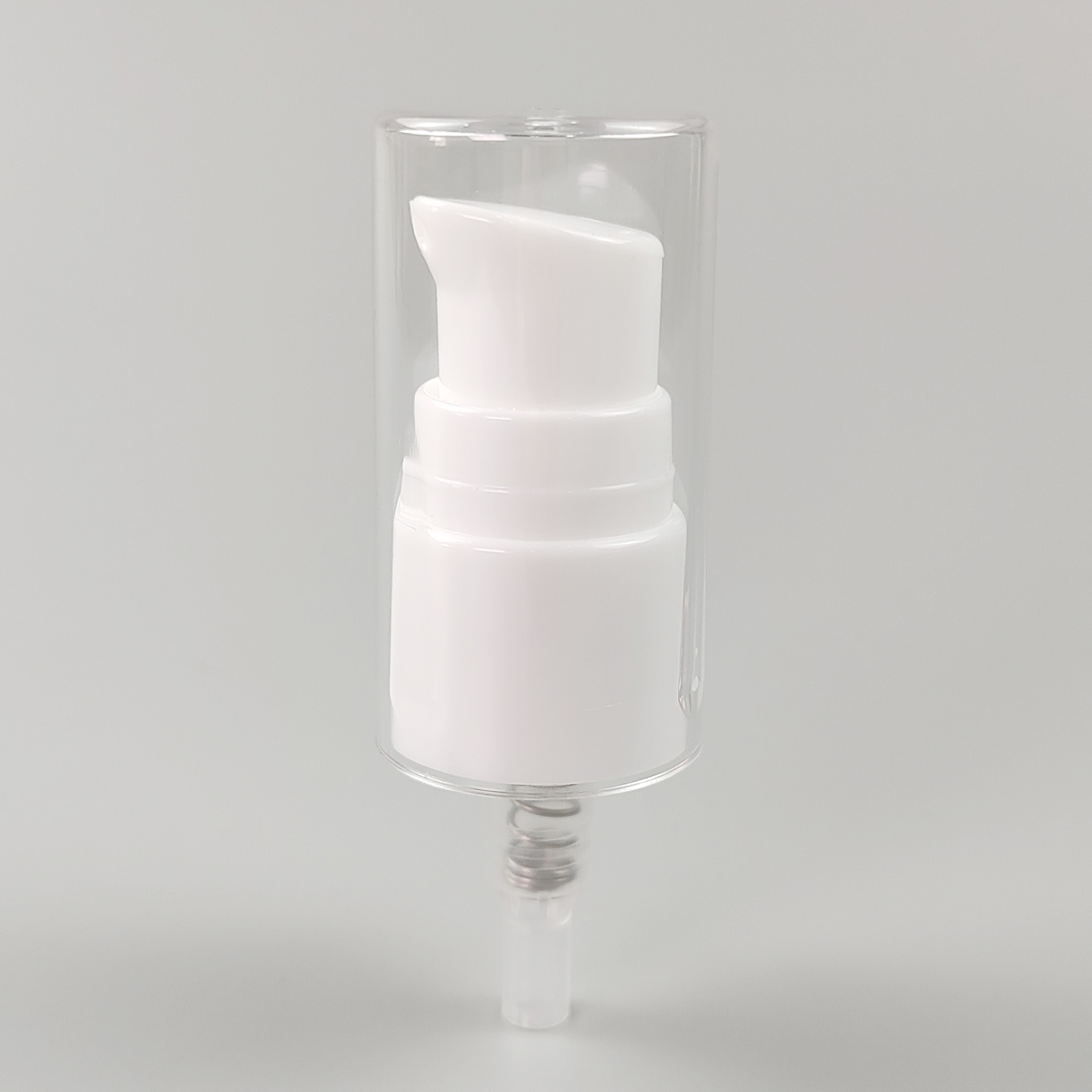
The design of a cream pump fundamentally shapes how users interact with skincare and cosmetic products. A well-engineered cream pump delivers consistent, controlled dispensing while minimizing waste, which directly impacts both user satisfaction and product economics. Understanding the structural elements that make cream pump systems effective helps manufacturers, formulators, and end-users appreciate why pump quality matters beyond simple aesthetics.
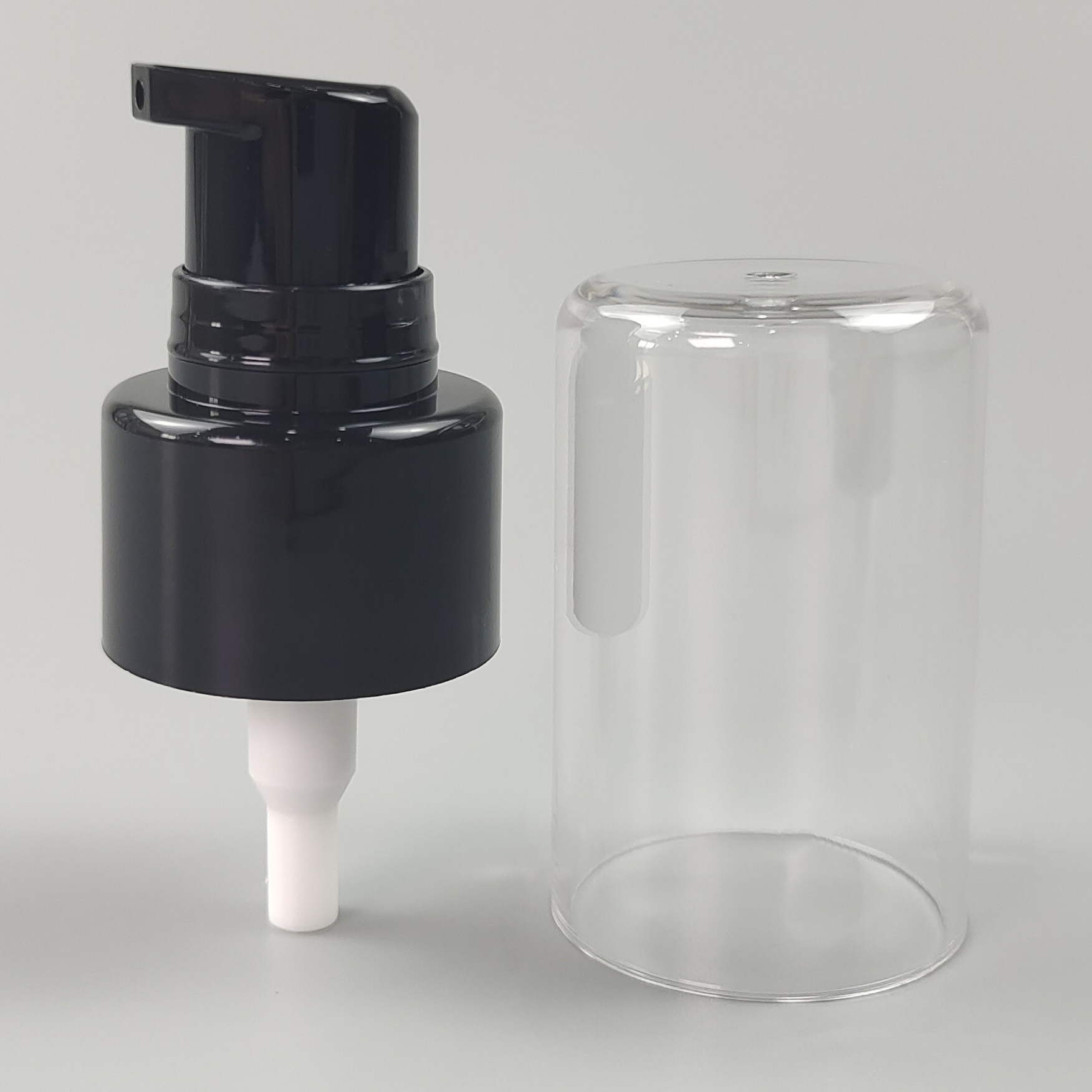
The structural integrity of a cream pump determines its ability to function reliably over hundreds of applications. From the spring mechanism to the valve seat design, every component influences user control and product loss. By examining how cream pump architecture works, businesses can make informed purchasing decisions and optimize their product delivery experience.
How Cream Pump Valve Mechanics Control Dispensing Precision
Spring Tension and Stroke Consistency
The spring mechanism inside a cream pump controls how much force is required to activate the dispenser and how far the internal plunger travels with each stroke. A properly calibrated cream pump spring ensures uniform stroke length, which means every pump delivers approximately the same volume of product. This consistency is critical for skincare products where users expect predictable dosing from day to day. When spring tension is weak or inconsistent, the cream pump becomes unreliable, leading users to over-pump or waste product trying to achieve the desired amount.
The mechanical design of a cream pump includes a return spring that resets the plunger after each stroke. Higher-quality cream pump systems use stainless steel or reinforced polymer springs that maintain their properties over thousands of cycles. This durability prevents the spring from becoming sluggish or loose over time, which would compromise the cream pump's ability to deliver controlled doses consistently.
Valve Seat and Sealing Surfaces
The valve seat is where the cream pump's plunger interacts with the internal chamber, determining whether the dispenser remains sealed or opens to release product. A precision-engineered valve seat in a cream pump creates an airtight seal when the plunger rests in its home position, preventing leakage and product evaporation. The material composition of the cream pump valve seat, typically elastomer or polymer, must resist the chemical properties of the formulation without degrading over time.
Improper valve seat tolerances in a cream pump lead to micro-leaks that slowly waste product between applications. Advanced cream pump designs incorporate dual-seal technology, where a secondary valve surface provides backup sealing to eliminate this waste pathway. The precision of the valve seat also affects how easily the user can actuate the cream pump, balancing ease of use with the seal integrity needed for waste prevention.
Internal Chamber Design and Product Flow Control
Tube and Uptake Mechanism
The internal pathway through which product travels in a cream pump significantly impacts how much product remains trapped or wasted inside the dispenser. A well-designed cream pump features a smooth uptake tube that draws product from the container with minimal resistance, allowing the user to achieve a full dose with a single, controlled stroke. The diameter and length of the cream pump's internal tube must be optimized for the viscosity of the product being dispensed.
Thick or highly viscous creams require a wider cream pump internal passage to prevent air bubbles from forming during the intake stroke. If the cream pump tube is too narrow for a dense formulation, the user experiences a sluggish or incomplete dose, which frustrates the user and creates waste as they attempt multiple pumps to achieve the desired product amount. Conversely, a cream pump designed for thin lotions but used with thick creams will over-deliver, wasting product and requiring dosage adjustments.
Chamber Volume and Dose Precision
The internal chamber volume of a cream pump determines the exact amount of product released with each stroke. Manufacturers specify cream pump displacement, typically measured in milliliters or cubic centimeters, to help users understand dosing. A cream pump chamber designed to deliver 0.5 mL per stroke provides precision that allows users to meter product accurately, whereas an oversized cream pump chamber that delivers 2 mL forces users to either over-apply or partially pump, creating inconsistency and waste.
The relationship between chamber size and the cream pump's overall footprint matters for ergonomic control. A compact cream pump with a smaller chamber volume is easier for users to actuate with consistent pressure, reducing the likelihood of accidental over-pumping. Premium cream pump designs often feature a moderately sized chamber that balances dose precision with ease of operation, minimizing user error and unintended waste.
Material Selection and Long-Term Performance Impact on Waste
Polymer and Metal Component Durability
The durability of materials used in cream pump construction directly affects the dispenser's lifespan and cumulative waste over time. A cream pump made with high-grade polypropylene and stainless steel components resists chemical degradation and maintains its mechanical properties through hundreds or thousands of applications. Lower-quality materials in a cream pump may become brittle, crack, or degrade when exposed to alcohols, oils, or active ingredients in cosmetic formulations, leading to mechanical failure and product leakage.
When a cream pump fails due to material weakness, the entire container may become unusable, resulting in significant product waste. Investing in a durable cream pump structure upfront prevents premature failure and extends the useful life of the container. Industrial applications and professional skincare lines often specify premium cream pump materials to ensure reliability and minimize waste costs across their product lifecycle.
Compatibility and Chemical Resistance
The cream pump must remain compatible with the specific formulation it dispenses. If a cream pump's elastomer seals are not chemical-resistant to the product inside, they may swell, soften, or degrade over weeks or months. This degradation compromises the cream pump's sealing ability, allowing leakage and waste. Proper material selection ensures that a cream pump maintains its structural integrity and functionality regardless of the formulation's pH, fatty acid content, or preservative system.
Testing and validation are essential steps when a cream pump is selected for a new product formulation. Chemical compatibility testing confirms that the cream pump's internal components will not fail or cause product separation over the shelf life. This proactive approach prevents costly recalls or customer dissatisfaction caused by a cream pump that leaks or fails during the product's intended use period.
User Control Features That Minimize Accidental Waste
Ergonomic Actuation and Feedback
The tactile feedback and ergonomic design of a cream pump's actuation mechanism influence how much control users have over each dose. A well-engineered cream pump provides clear tactile feedback—a distinct click or resistance point—that tells the user when a full dose has been delivered. This feedback loop helps users avoid over-pumping, which is one of the leading causes of product waste in at-home skincare routines.
Cream pump systems with adjustable resistance or progressive actuation allow users to control the speed and force applied to each stroke. This refinement is particularly valuable for premium skincare products where precise dosing is part of the product experience. A cream pump that resists rapid or aggressive pumping reduces the likelihood of accidental over-dispensing that results from impatient or forceful user behavior.
Anti-Drip and Overflow Prevention
Dripping is a common source of waste that occurs between pumps or after dispensing. A premium cream pump incorporates anti-drip features, such as a specialized valve design or a slight upward angle in the nozzle, that prevent product from dripping onto the user's hand or counter after each stroke. These features are subtle but highly effective at eliminating small amounts of waste that accumulate over hundreds of applications.
Overflow prevention is another structural feature that reduces waste in cream pump systems. If a user accidentally pumps product into a container or onto their skin and then continues pumping without stopping, an overflow-prevention structure limits the maximum volume that can exit the cream pump nozzle in one stroke. This safeguard prevents spills and ensures that over-enthusiastic users cannot waste large volumes of product in a single action.
FAQ
What are the main structural elements that make a quality cream pump effective?
A quality cream pump combines precise valve seating, a well-calibrated spring mechanism, an optimized internal chamber volume, and durable materials that resist chemical degradation. The uptake tube and internal passages must match the product viscosity, and ergonomic features such as tactile feedback and anti-drip design enhance user control. Together, these structural elements ensure that each dose is consistent, the seal remains tight between applications, and accidental waste is minimized.
How does cream pump chamber volume affect product dosing and waste?
Chamber volume determines how much product is released per stroke. An appropriately sized cream pump chamber allows users to achieve the intended dose in a single pump, preventing multiple attempts and partial doses that lead to waste. Oversized cream pump chambers force over-application, while undersized chambers require repeated pumping, both causing waste and user frustration.
Can a cream pump fail prematurely and cause waste?
Yes, a cream pump constructed from low-grade materials or incompatible with the product formulation may fail through chemical degradation, spring fatigue, or seal deterioration. When a cream pump fails, the container may leak continuously or become impossible to dispense, wasting the remaining product. Selecting a cream pump with durable materials and confirmed chemical compatibility prevents premature failure and associated waste.