
 EN
EN



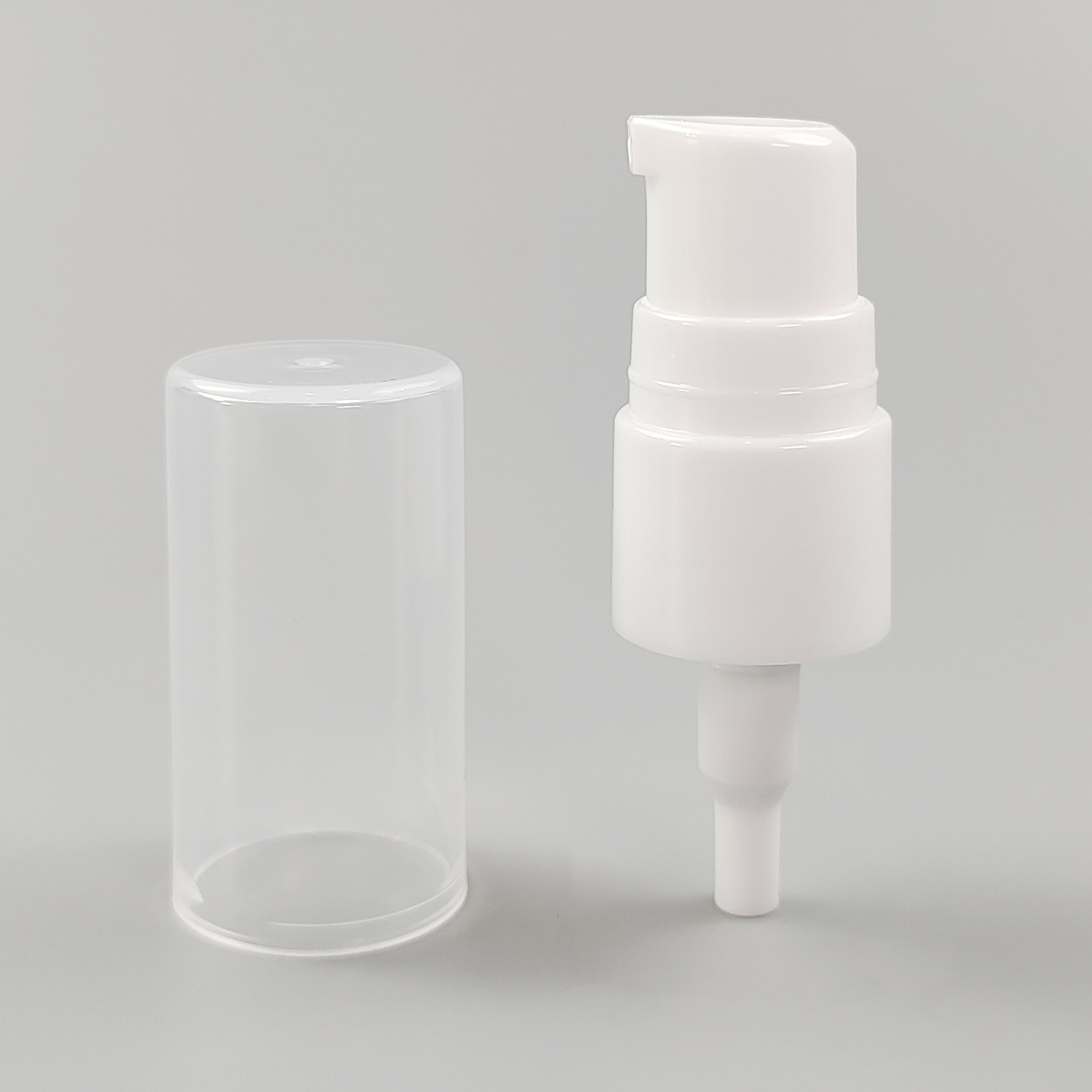
In the world of cosmetic and personal care packaging, the cream pump plays a far more consequential role than simply dispensing product. Every time a consumer presses the actuator, the internal mechanism must deliver a precise dose while simultaneously protecting the remaining formula from contamination, oxidation, and moisture intrusion. The engineering decisions made around sealing directly determine whether that protection holds across hundreds of pump cycles or fails within the first few weeks of use.
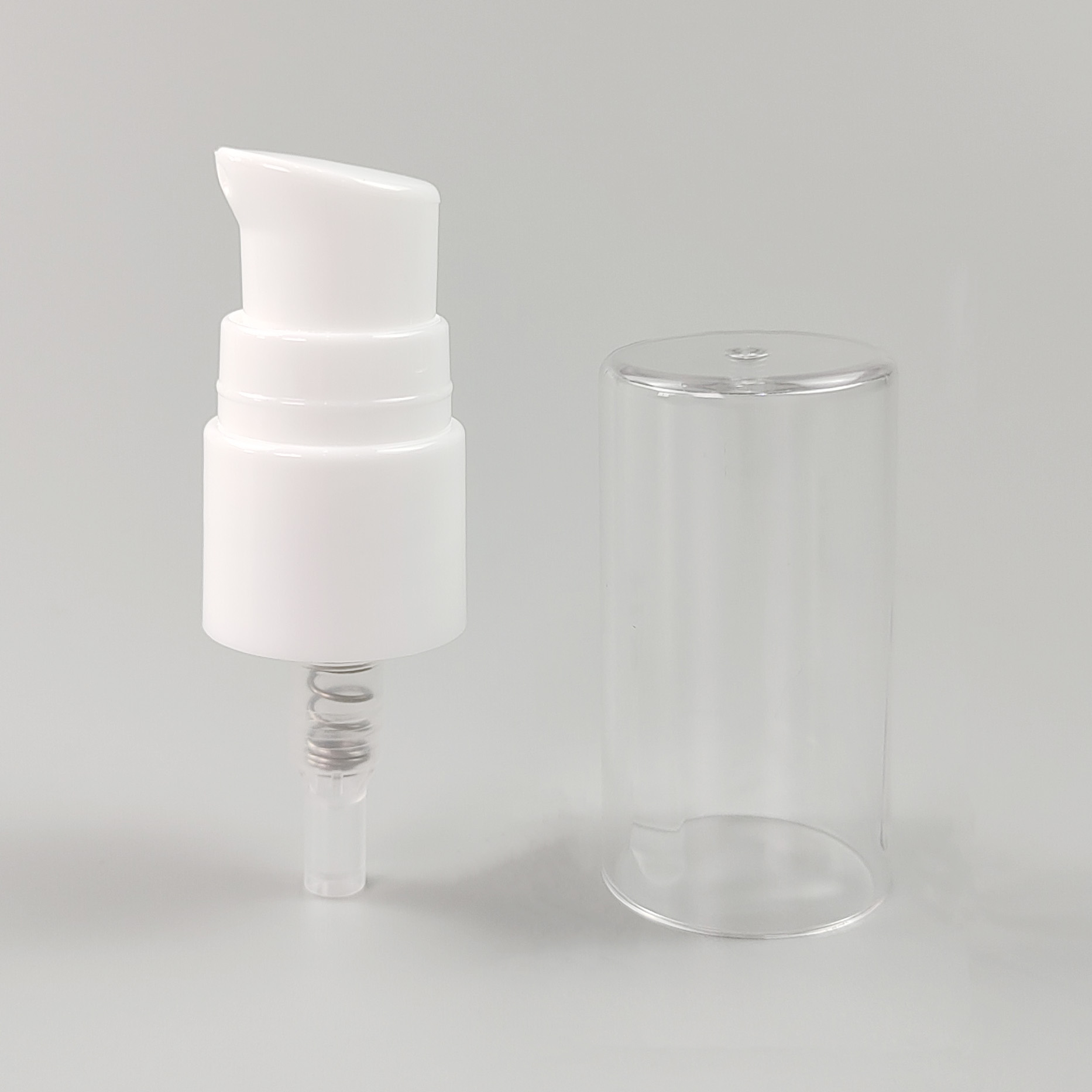
What many brand owners and product developers underestimate is how intimately the sealing architecture of a cream pump is tied to formula longevity. A poorly sealed pump allows micro-quantities of air to re-enter the bottle after each actuation, gradually degrading active ingredients, altering texture, and shortening shelf life. Understanding why sealing design is critical is therefore not a packaging technicality — it is a core product quality decision that affects consumer trust, regulatory compliance, and brand reputation.
The Functional Role of Sealing in a Cream Pump
How the Seal Creates a Controlled Dispensing Environment
A cream pump operates through a combination of a piston, a spring, a dip tube, and a series of valves — all of which depend on tight sealing to function correctly. When the actuator is depressed, the piston compresses the product chamber, forcing the formulation upward through the nozzle. The moment pressure is released, the spring retracts the piston, and the internal check valve must seal immediately to prevent air from being drawn back into the reservoir.
This check valve seal is the first and most critical line of defense in any cream pump. If the valve seat is imprecisely molded or the gasket material is incompatible with the formula, even a microscopic gap allows oxygen ingress. For formulations containing vitamins, botanical extracts, or unsaturated fatty acids, this oxygen exposure triggers oxidative degradation that visibly alters color, odor, and efficacy within days.
The sealing geometry also governs the pump's ability to maintain prime — meaning the product stays loaded in the dip tube and chamber between uses. A cream pump that loses prime forces the consumer to pump repeatedly before product emerges, which is both a usability failure and a sign that the internal seal is not holding pressure effectively.
Sealing at the Closure Interface
Beyond the internal valve system, the interface between the pump collar and the bottle neck is an equally important sealing zone. This closure seal prevents leakage during shipping and storage, but it also stops ambient air from migrating into the bottle around the pump stem. In high-humidity environments or during temperature cycling in transit, this interface is under constant mechanical stress.
A well-engineered cream pump uses a precisely dimensioned neck gasket or a torque-controlled thread engagement to maintain consistent compression at this interface. If the collar is over-tightened during filling, the gasket can deform and lose its sealing function. If it is under-tightened, the gap allows vapor exchange that slowly destabilizes emulsion-based formulas.
For brands selling in international markets, this closure seal must also perform reliably across a range of bottle neck tolerances, since glass and plastic bottles from different suppliers carry dimensional variation. A cream pump designed with adaptive sealing geometry accommodates this variation without compromising the integrity of the seal.
Material Compatibility and Its Impact on Seal Integrity
Why Gasket and Piston Material Selection Matters
The sealing components inside a cream pump — gaskets, piston rings, and valve seats — are typically made from elastomeric materials such as LDPE, EPDM, or silicone. Each material has a distinct chemical resistance profile, and selecting the wrong one for a given formula can cause the seal to swell, harden, or degrade over time. When this happens, the cream pump loses its ability to maintain a hermetic barrier, and the formula is exposed to the very conditions it was designed to avoid.
Formulas with high alcohol content, for example, can cause certain elastomers to swell significantly, which initially tightens the seal but eventually leads to cracking and seal failure. Oil-rich formulas, on the other hand, can plasticize some polymers, causing them to soften and lose dimensional stability. A cream pump intended for a specific formula category must be validated with the actual product chemistry, not just tested with water or a generic surrogate.
This is why reputable cream pump manufacturers conduct compatibility testing as a standard part of the qualification process. Brands that skip this step often discover seal failures only after products have reached retail shelves, at which point the cost of recalls, reformulations, and repackaging far exceeds the investment that proper material validation would have required.
The Role of Surface Finish in Sealing Performance
Sealing is not only a material question — it is also a precision manufacturing question. The surface finish of the piston bore, the valve seat, and the dip tube connection point all influence how effectively the sealing components can conform and maintain contact under repeated actuation cycles. Rough or inconsistent surface finishes create micro-channels through which product or air can migrate, even when the correct materials are used.
In high-quality cream pump production, the mold tooling for sealing surfaces is held to tight tolerances, and post-molding inspection verifies that critical dimensions fall within specification. This level of manufacturing discipline is what separates a cream pump that performs consistently across its rated cycle life from one that begins to leak or lose prime after a few hundred actuations.
For brands sourcing cream pump components at scale, surface finish consistency is a key quality criterion to include in supplier audits and incoming inspection protocols. A pump that looks identical to a high-quality unit but was produced with worn tooling may pass visual inspection while failing in the field.
Sealing Design and Formula Stability Across Product Categories
Emulsions, Actives, and Oxidation-Sensitive Formulas
Cream formulas are among the most complex and sensitive products in the personal care category. Emulsions rely on a precise balance between oil and water phases, stabilized by emulsifiers that can be disrupted by contamination or phase separation triggered by temperature and oxygen exposure. A cream pump with robust sealing design preserves this balance by minimizing the headspace oxygen that contacts the product surface after each use.
Formulas containing active ingredients such as retinol, ascorbic acid, or niacinamide are particularly vulnerable to oxidative degradation. These actives are often the primary reason consumers purchase a product, and their efficacy depends entirely on remaining chemically intact until the moment of application. A cream pump that allows even trace oxygen ingress between uses can reduce the effective concentration of these actives measurably over the product's in-use period.
Sealing design in this context is not a secondary packaging consideration — it is a direct contributor to the clinical and sensory performance claims that brands make on their packaging. When a cream pump maintains its seal integrity throughout the product's use life, it supports the brand's ability to stand behind those claims with confidence.
Preservative Systems and Microbial Contamination Risk
Many modern cosmetic formulas are designed with minimal preservative systems in response to consumer demand for 'clean' formulations. These formulas rely heavily on packaging integrity to prevent microbial contamination, since they have less chemical defense against bacteria and mold. A cream pump that seals effectively reduces the risk of contamination by limiting the pathways through which microorganisms can enter the product reservoir.
The dip tube seal and the piston seal are the two most critical points in this regard. If either allows product to stagnate in a zone that is not fully flushed with each actuation, that stagnant product becomes a potential site for microbial growth. A well-designed cream pump minimizes dead volume and ensures that the sealing geometry promotes complete product turnover with each use cycle.
For brands positioning their products as preservative-free or naturally preserved, the sealing performance of the cream pump is not just a quality issue — it is a safety issue. Regulatory bodies in major markets require that cosmetic products remain microbiologically safe throughout their labeled shelf life, and packaging integrity is a recognized factor in meeting that requirement.
Sealing Design Considerations for Different Deployment Scenarios
Airless Versus Conventional Cream Pump Architectures
The conventional cream pump draws product up through a dip tube as the piston creates suction, which means the headspace above the product grows with each use. This growing headspace is a reservoir of air that can interact with the formula surface. Sealing design in conventional cream pump systems focuses on minimizing the rate of oxygen transfer from this headspace into the bulk product.
Airless cream pump systems take a fundamentally different approach by using a follower piston or collapsible bag to eliminate headspace entirely. In these systems, the sealing challenge shifts to maintaining the integrity of the follower piston seal against the bottle wall, ensuring that no air bypasses the piston and reaches the product. The sealing precision required for airless systems is generally higher, and the tolerance stack between the piston and the bottle bore must be carefully controlled.
Choosing between these architectures depends on the formula's sensitivity, the target price point, and the brand's sustainability commitments. Both approaches can deliver excellent product protection when the sealing design is executed correctly, but they require different validation approaches and different quality control checkpoints during production.
Performance Under Shipping and Storage Stress
A cream pump must maintain its sealing integrity not only during normal consumer use but also through the mechanical and thermal stresses of the supply chain. Vibration during transport, pressure changes during air freight, and temperature extremes in warehouse storage all challenge the sealing components in ways that bench testing alone may not fully replicate.
Drop testing, vibration simulation, and thermal cycling are standard methods used to validate that a cream pump's sealing design holds up under real-world logistics conditions. Brands that invest in this validation before launch avoid the costly scenario of receiving consumer complaints about leaking or degraded product that was damaged in transit rather than in use.
The locking mechanism on many cream pump designs — typically a collar that prevents the actuator from being depressed during shipping — is also part of the sealing strategy. When locked, the pump maintains a static seal that is less vulnerable to vibration-induced micro-movement than an unlocked pump under repeated small compressions. Ensuring that this lock engages reliably and that consumers can disengage it easily is a detail that affects both seal performance and user experience.
FAQ
What makes the sealing design of a cream pump different from other pump types?
A cream pump handles viscous, emulsion-based formulas that are more sensitive to contamination and oxidation than thin liquids. The sealing components must maintain integrity against higher viscosity product flow, and the valve geometry must prevent thick formulas from causing seal bypass. This requires tighter dimensional tolerances and more careful material selection than is typically needed for water-based or low-viscosity pump applications.
How often should the sealing performance of a cream pump be tested during production?
Sealing performance should be validated at the design qualification stage using the actual formula, and then monitored during production through statistical sampling of key dimensional parameters. For high-volume production runs, in-line leak testing or periodic pull-and-test sampling provides ongoing assurance that the sealing components remain within specification as tooling wears over time.
Can a cream pump with good sealing design extend the shelf life of a formula?
Yes, effective sealing design directly supports formula stability by limiting oxygen ingress, preventing microbial contamination pathways, and maintaining the physical integrity of the emulsion. For formulas with active ingredients or minimal preservative systems, the contribution of a well-sealed cream pump to overall shelf life can be significant — sometimes the difference between a six-month and a twelve-month in-use stability profile.
What should brands look for when evaluating the sealing quality of a cream pump supplier?
Brands should request documentation of compatibility testing with representative formula types, dimensional inspection reports for critical sealing surfaces, and evidence of lifecycle testing that covers the rated actuation count. Visiting the manufacturing facility to assess tooling maintenance practices and quality control checkpoints is also valuable, since sealing performance is heavily dependent on the consistency of the production process rather than just the design specification.
Table of Contents
- The Functional Role of Sealing in a Cream Pump
- Material Compatibility and Its Impact on Seal Integrity
- Sealing Design and Formula Stability Across Product Categories
- Sealing Design Considerations for Different Deployment Scenarios
-
FAQ
- What makes the sealing design of a cream pump different from other pump types?
- How often should the sealing performance of a cream pump be tested during production?
- Can a cream pump with good sealing design extend the shelf life of a formula?
- What should brands look for when evaluating the sealing quality of a cream pump supplier?