
 EN
EN



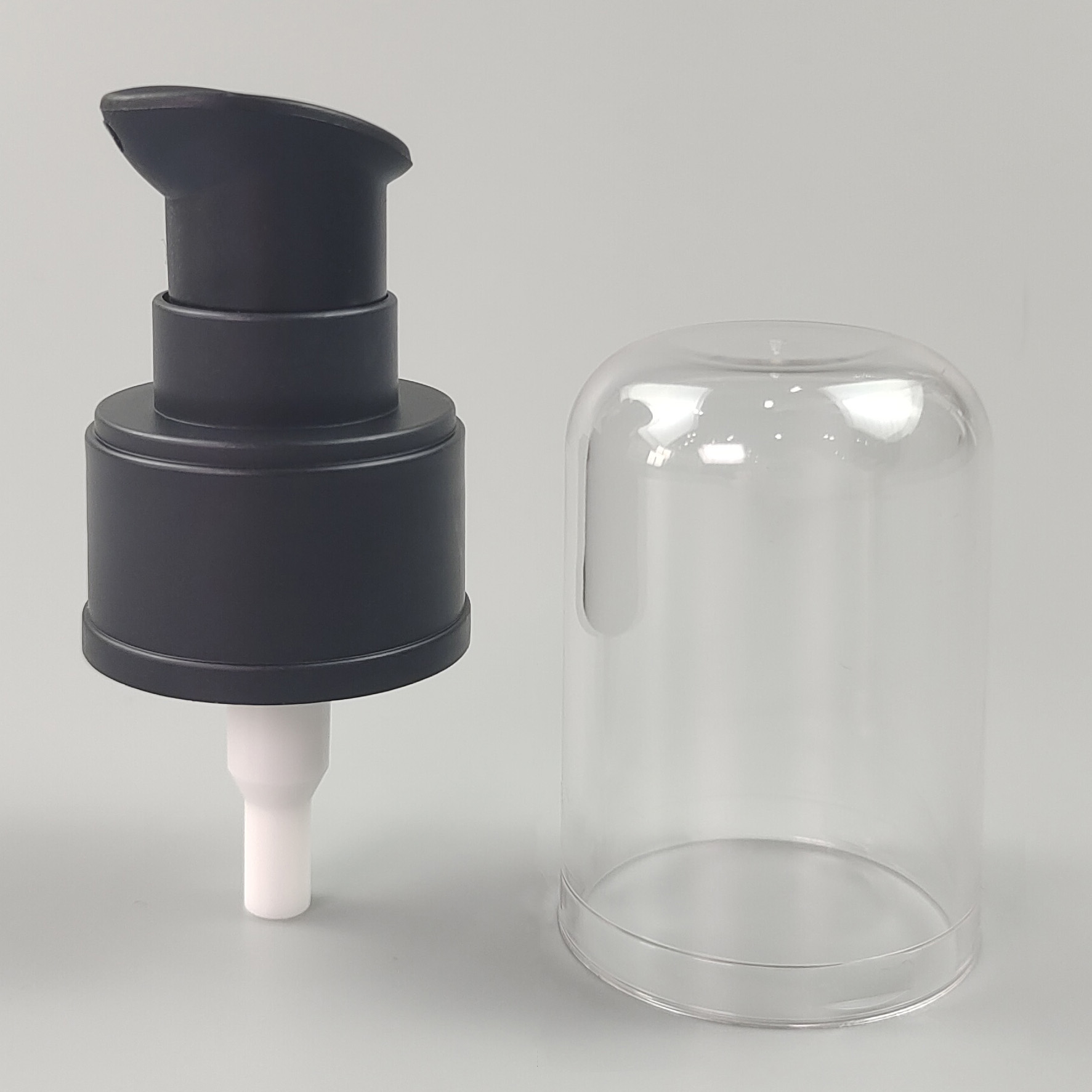
In modern cosmetic manufacturing, one of the most persistent technical challenges is delivering products with radically different viscosities through a single, reliable dispensing mechanism. A cream pump is not a passive accessory — it is an engineered dispensing system that must accommodate everything from lightweight serums to dense body butters within the same essential form factor. Understanding how a cream pump adapts to varying formulation thickness is critical for cosmetic brands, packaging engineers, and contract manufacturers who need dispensing solutions that perform consistently across an entire product line.
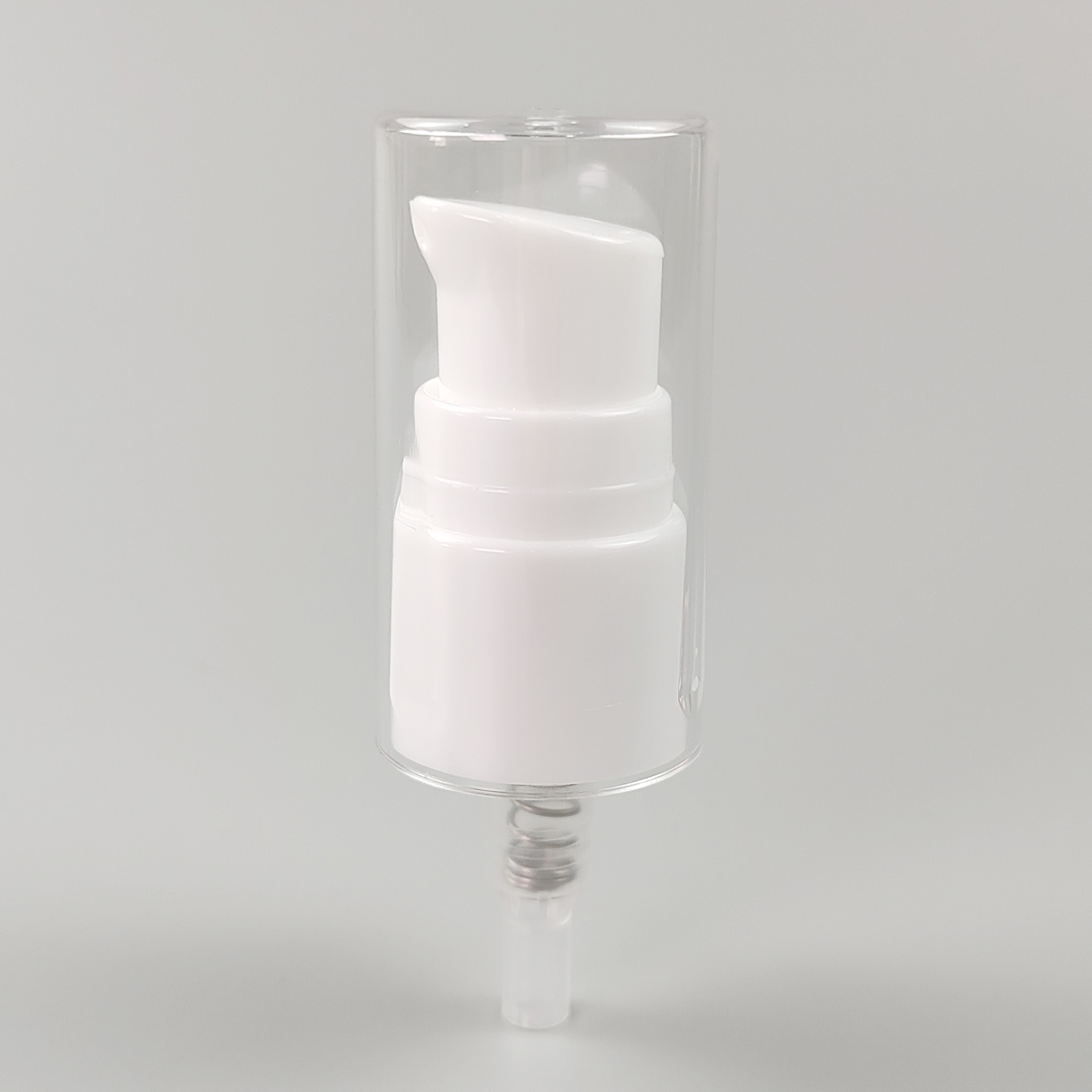
The relationship between formulation viscosity and cream pump mechanics is far more nuanced than most buyers anticipate. Selecting the wrong pump configuration for a thick emollient cream or a water-thin essence can result in product waste, consumer frustration, and costly packaging redesigns. This article explores the engineering principles behind cream pump adaptability, the key mechanical variables that govern performance across viscosity ranges, and the practical decision factors that cosmetic packaging teams must evaluate before committing to a dispensing solution.
The Mechanical Principles Behind Cream Pump Adaptability
How Piston Stroke and Cylinder Design Control Viscosity Flow
At the core of every cream pump is a piston-cylinder assembly that creates differential pressure to draw formulation up through a dip tube and expel it through the actuator nozzle. The internal diameter of the cylinder and the length of the piston stroke directly determine how much product is displaced per actuation — typically measured in milliliters or cubic centimeters. For thicker formulations, a wider cylinder bore allows the product to flow with less resistance during the intake phase, reducing the effort required per pump stroke and preventing air gaps that cause inconsistent dosing.
Thinner formulations behave oppositely: they flow too freely through a wide-bore system, making precise dosing difficult and increasing the risk of drips or over-dispensing. A well-designed cream pump addresses this by offering configurable cylinder geometry or spring tension settings that create appropriate back-pressure for lighter consistencies. The engineering goal is to match internal resistance with the natural flow characteristics of the target formulation, ensuring a smooth, controlled output regardless of where the product falls on the viscosity spectrum.
Spring tension is another critical variable within this mechanical framework. A stronger spring returns the piston more forcefully, which is beneficial for pulling viscous creams upward through the dip tube. However, too much spring tension in a system handling thin liquids can create turbulence or splashing at the nozzle. Manufacturers of quality cream pump components engineer their spring assemblies to be interchangeable or factory-calibrated for specific viscosity ranges, giving cosmetic brands flexibility across formulation types without requiring entirely different pump bodies.
The Role of the Ball Valve in Thickness Adaptation
Inside virtually every cream pump sits a small ball valve — usually a steel or polypropylene sphere seated against a precision-machined valve seat. This valve controls the one-way flow of product, opening under pressure during the downstroke and sealing during the return stroke to prevent backflow. Its diameter and the tightness of its seat are engineered to specific viscosity profiles, and selecting the wrong ball valve configuration is one of the most common causes of poor cream pump performance with thicker formulations.
For high-viscosity creams, the ball valve must be large enough to allow product passage without creating a bottleneck, and the valve seat must be smooth enough to seal cleanly without residue buildup. For watery serums, the valve must seal with precision to prevent gravity-driven drips between uses. Leading cream pump designs often incorporate dual-valve systems — one at the base of the cylinder and one just below the actuator — to manage both intake and output independently, allowing fine-tuned performance across a wider range of formulation thicknesses.
Material selection for ball valves also plays an important role in cream pump adaptability. Certain cosmetic formulations contain oils, alcohols, or active ingredients that can degrade standard valve materials over time, causing swelling or warping that affects sealing performance. High-quality cream pump systems use chemically resistant polymers or stainless steel ball valves that maintain dimensional stability across the range of cosmetic ingredients commonly used in modern skincare formulations.
Dip Tube Engineering and Its Impact on Thick Formulations
Dip Tube Diameter and Length Calibration
The dip tube is the channel through which formulation travels from the container base to the pump mechanism. In a standard cream pump configuration, the dip tube extends to near the bottom of the container to maximize product use. However, for thick formulations such as heavy body creams or whipped moisturizers, the internal diameter of the dip tube becomes a critical engineering variable. A tube that is too narrow creates excessive resistance, forcing the user to apply more actuating pressure and ultimately shortening the functional life of the pump mechanism.
Wider dip tubes reduce flow resistance and allow dense creams to travel upward with less effort during each pump stroke. This is especially important in containers with tall profiles, where the formulation must travel a greater vertical distance before reaching the actuator. High-quality cream pump assemblies designed for thick cosmetics often feature dip tubes with internal diameters ranging from 4mm to 8mm, depending on the target viscosity, container height, and desired dose output per stroke.
Dip tube length must also be calibrated to the container shape. For flat or wide containers, a standard straight dip tube may leave significant product behind at the edges, while a curved or angled tube allows more complete evacuation. Some cream pump systems designed for premium cosmetic packaging use specially cut or flexible dip tubes that hug the container base to minimize product waste — a feature that becomes more commercially important as formulation costs rise with active ingredient concentrations.
Priming Behavior Across Viscosity Levels
Priming — the initial series of strokes required to fill the cream pump mechanism with product before first use — behaves very differently depending on formulation thickness. Thin lotions and essences often prime within one or two strokes because the low-viscosity liquid travels through the system quickly under minimal pressure differential. Dense creams may require five or more priming strokes, particularly in taller containers where the dip tube must fill completely before product reaches the actuator.
This difference in priming behavior affects consumer experience significantly. Brands marketing premium skincare products cannot afford to frustrate their customers with pumps that require excessive priming effort or appear defective on first use. Cream pump suppliers who understand formulation thickness can pre-calibrate spring tension, ball valve sizing, and dip tube diameter combinations that minimize priming strokes for a given viscosity, creating a better out-of-box experience for end consumers.
Some advanced cream pump designs incorporate an airless mechanism that eliminates the traditional dip tube entirely, instead using a follower plate or piston at the container base to push formulation upward. These airless cream pump systems prime almost instantly regardless of viscosity because the product is always in direct contact with the pump inlet. While airless configurations carry a higher per-unit cost, they are increasingly adopted for high-end facial creams where formulation integrity, dosing precision, and consumer experience are top priorities.
Output Dose Control and Viscosity-Responsive Design
Fixed Versus Adjustable Output in Cream Pump Systems
The output volume of a cream pump per stroke is determined by the displacement volume of the piston within the cylinder chamber. Standard cosmetic cream pump configurations deliver fixed doses — typically 0.5cc, 1cc, 2cc, or 4cc per actuation — calibrated during design to match the expected formulation type and application context. A hand cream formulated at high viscosity may require a 4cc dose to deliver a practical amount in a single pump, while a high-potency facial serum might need only 0.5cc for effective application.
Matching the dose output to formulation viscosity is not simply a matter of consumer convenience — it also affects product-to-container ratio, shelf life, and margin calculations for cosmetic brands. An incorrectly specified cream pump that delivers too large a dose shortens the apparent product life and creates a perception of poor value. One that delivers too small a dose frustrates users who must pump repeatedly for adequate coverage. Cosmetic packaging engineers must evaluate viscosity and intended use simultaneously when specifying cream pump output volume.
Some cream pump systems offer adjustable output through a locking collar or insert that restricts stroke travel distance, reducing displacement volume. This mechanical flexibility allows a single cream pump body to serve multiple SKUs within a product line, simply by adjusting the stroke limiter during assembly. For brands managing large, multi-viscosity product portfolios, this kind of design versatility significantly reduces tooling investment and supplier complexity.
Nozzle Geometry and Its Effect on Thick Product Dispensing
The actuator nozzle is the final stage of the cream pump dispensing pathway and plays a surprisingly significant role in how thick formulations are delivered to the consumer. A narrow orifice creates a thin, high-pressure stream — appropriate for thin liquids but prone to clogging or channeling with dense creams. A wide, oval, or recessed orifice allows thick formulations to emerge cleanly without the pressure buildup that causes splashing or uneven dispensing.
Nozzle geometry also affects consumer perception of product quality. A well-engineered cream pump designed for high-viscosity formulations dispenses a smooth, controlled 'ribbon' of product that feels precise and premium. An inadequately designed nozzle may produce irregular blobs, strings, or air bubbles mixed into the product, which negatively affects perceived quality even if the formulation itself is excellent. Packaging engineers often overlook nozzle specification when selecting a cream pump, focusing only on fill size and neck diameter, but nozzle geometry deserves equal attention in the viscosity adaptation process.
For particularly dense formulations — such as thick sunscreen sticks reformulated into pump format, or balm-consistency facial treatments — some cream pump manufacturers offer actuator nozzles with a silicone wiper or recessed tip that prevents product from drying and clogging between uses. This feature becomes especially important in low-humidity environments or when the formulation contains fast-drying carrier compounds that can harden at the orifice upon contact with air.
Matching Cream Pump Specifications to Cosmetic Formulation Categories
Lightweight Serums and Essences
Lightweight water-based serums and hydrating essences present a specific challenge for cream pump design because their low viscosity makes them prone to gravity-driven backflow and over-dispensing. A cream pump intended for these formulations must feature tight ball valve seating, reduced spring tension to avoid turbulence, and a narrow-bore cylinder to create sufficient back-pressure for controlled dosing. The actuator nozzle should feature a small, precision-cut orifice that delivers a clean stream without dripping after the stroke completes.
Many serums also contain active ingredients — niacinamide, hyaluronic acid, vitamin C derivatives — that are chemically aggressive toward certain plastics. A cream pump designed for serum applications should use materials that are validated for compatibility with these ingredients. Polypropylene and high-density polyethylene components are commonly used in cream pump construction for this reason, as they offer broad chemical resistance alongside dimensional stability during repeated actuation cycles.
Rich Creams, Emollients, and Body Butters
At the opposite end of the viscosity spectrum, rich moisturizing creams, facial emollients, and whipped body butters require a cream pump configuration that prioritizes flow accommodation over precision control. Wide-bore cylinders, large ball valves, strong spring assemblies, and wide dip tubes are the engineering hallmarks of a cream pump designed for these dense formulations. The actuator nozzle should be generously sized to allow the thick product to emerge without restriction, and the overall pump mechanism must be built to withstand the higher actuating forces that users apply when dispensing viscous products.
Packaging aesthetics are also an important consideration at this end of the market. Rich creams and body butters are often marketed in premium or lifestyle-positioned cosmetic lines where the appearance of the cream pump matters as much as its function. Anodized aluminum components, satin-finish actuators, and elegant, minimalist profiles are frequently requested for high-viscosity cream packaging. Fortunately, premium aesthetic finishes and robust internal engineering are not mutually exclusive — quality cream pump manufacturers design their mechanisms to perform reliably inside whatever exterior aesthetic the brand requires.
Contamination prevention is another concern unique to high-viscosity cosmetic formulations. Dense creams are more likely to retain microbiological contamination if exposed to air repeatedly over weeks of use. A cream pump with a secure locking mechanism, tight actuator fitment, and a sealed dip tube system reduces the air ingress that can accelerate microbial growth in preservative-sensitive formulations. This is particularly relevant for 'clean beauty' products that use lower concentrations of traditional preservatives.
FAQ
What cream pump specifications should I prioritize for a very thick body butter formulation?
For a thick body butter, prioritize a cream pump with a wide cylinder bore (at least 28mm neck size or larger), a large ball valve, a strong spring, and a wide dip tube — ideally 6mm to 8mm internal diameter. The nozzle orifice should be generously sized to prevent clogging, and the actuator travel should be sufficient to displace a useful dose volume per stroke. Pre-production compatibility testing with your specific formulation is strongly recommended before finalizing the cream pump specification.
Can a single cream pump model work across multiple formulation viscosities?
In some cases, yes — particularly when the viscosity difference between formulations is moderate. Cream pump systems with adjustable stroke limiters or interchangeable ball valve assemblies can serve a range of viscosities within a defined band. However, for formulations at viscosity extremes — very thin serums alongside very thick butters — separate cream pump configurations are typically needed to ensure reliable dosing and consumer satisfaction. A packaging engineer or pump supplier can conduct viscosity-matched testing to determine whether a single pump body can accommodate your specific formulation range.
How does formulation temperature affect cream pump performance?
Temperature has a direct effect on formulation viscosity, which in turn affects cream pump behavior. Many creams become significantly thicker in cold temperatures and thinner in warm conditions, which can cause a pump calibrated for room-temperature performance to behave inconsistently in retail or storage environments with temperature variation. High-quality cream pump designs account for this by using spring materials and valve configurations that maintain acceptable performance across a defined temperature range, typically 5°C to 40°C for cosmetic distribution environments.
What is the difference between an airless cream pump and a standard cream pump for thick formulations?
A standard cream pump draws formulation up through a dip tube using differential pressure created by the piston stroke, meaning the container contains air as the product level decreases. An airless cream pump uses a movable follower plate or base piston to push product upward with no air contact, eliminating oxidation risk and improving evacuation rates. For thick formulations, airless systems offer more consistent dosing throughout the container's life because the product is always immediately adjacent to the pump inlet. They are preferred for oxygen-sensitive actives or high-value formulations where complete evacuation and preservation integrity are business priorities.
Table of Contents
- The Mechanical Principles Behind Cream Pump Adaptability
- Dip Tube Engineering and Its Impact on Thick Formulations
- Output Dose Control and Viscosity-Responsive Design
- Matching Cream Pump Specifications to Cosmetic Formulation Categories
-
FAQ
- What cream pump specifications should I prioritize for a very thick body butter formulation?
- Can a single cream pump model work across multiple formulation viscosities?
- How does formulation temperature affect cream pump performance?
- What is the difference between an airless cream pump and a standard cream pump for thick formulations?