
 EN
EN



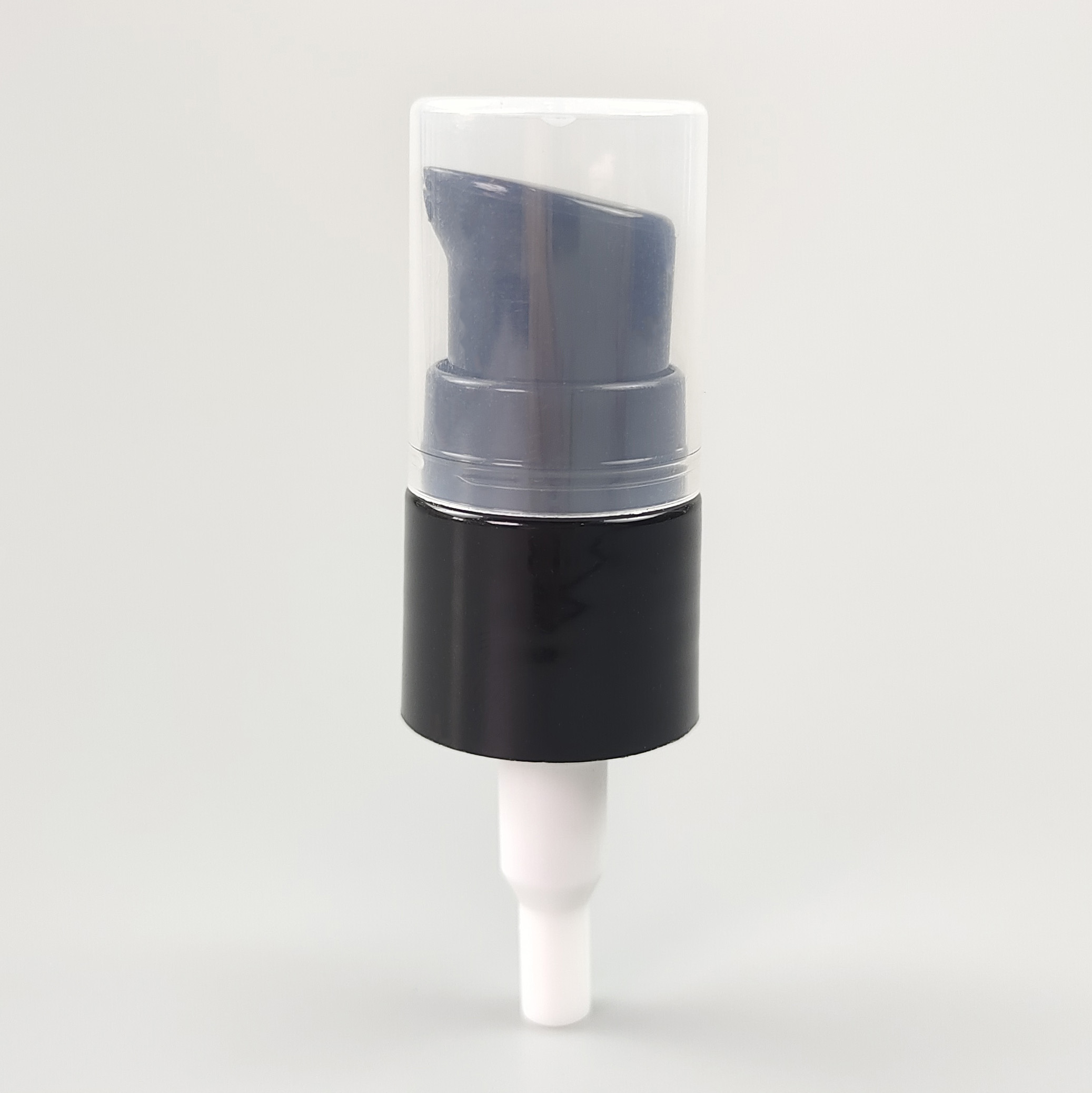
When it comes to dispensing skincare, cosmetic, or personal care formulations, the mechanics behind the dispenser matter far more than most users realize. A well-engineered cream pump is not simply a convenience feature — it is a precision delivery system designed to give users consistent, controlled output while minimizing the amount of product that goes unused or wasted. Understanding how the internal structure of a cream pump achieves these goals helps both consumers and product developers make smarter decisions about packaging and formulation compatibility.
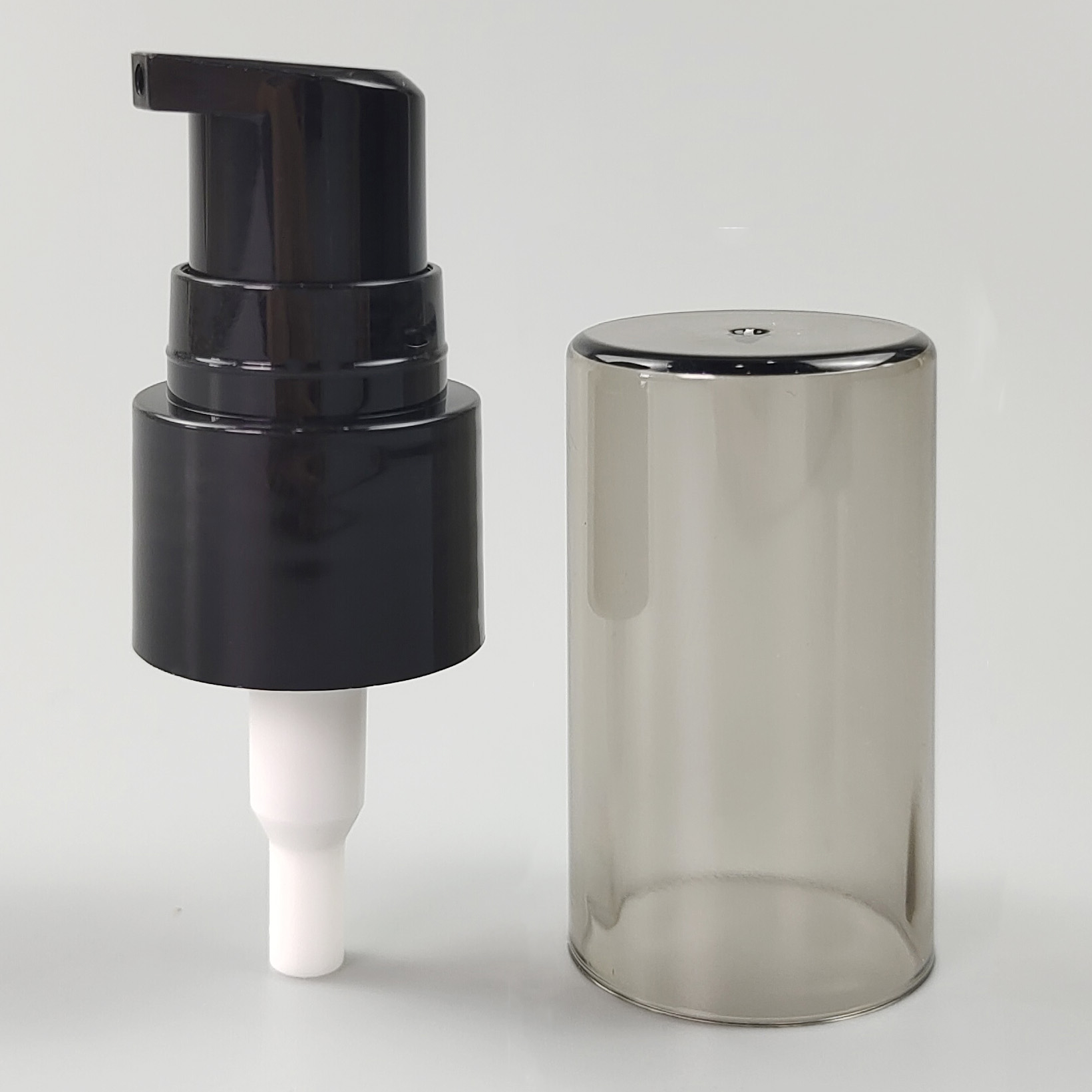
The design of a cream pump directly influences how a product feels during use, how accurately a dose is delivered, and how much residual product remains trapped inside the bottle at the end of its life. These are not trivial concerns — in both consumer and professional settings, product waste translates directly into cost, frustration, and a diminished user experience. By examining the structural components of a cream pump in detail, it becomes clear why engineering choices at the component level have such a significant impact on real-world performance.
The Core Structural Components of a Cream Pump
The Actuator and Nozzle Design
The actuator is the part of the cream pump that the user presses down to initiate dispensing. Its shape, travel distance, and resistance level all contribute to how much control a user feels during application. A well-designed actuator requires a consistent and predictable amount of force, which prevents accidental over-dispensing and allows users to modulate output based on their needs.
The nozzle opening, which is integrated into or attached to the actuator, determines the direction and spread of the dispensed product. For thicker cream formulations, a wider nozzle opening reduces shear stress on the product and allows it to flow smoothly without separation or texture change. A poorly designed nozzle can cause product to splatter, drip, or dispense unevenly, all of which contribute to waste and a frustrating user experience.
In professional-grade cream pump designs, the actuator is often engineered with a locking mechanism that prevents accidental depression during transport or storage. This feature alone can prevent significant product loss before the item even reaches the end user.
The Pump Chamber and Piston Mechanism
Inside every cream pump is a cylindrical pump chamber that houses the piston. When the actuator is pressed, the piston moves downward within the chamber, compressing the product and forcing it upward through the stem and out of the nozzle. The volume of this chamber is what determines the dose size — commonly referred to as the output per stroke.
For a cream pump used in skincare or cosmetic applications, the chamber volume is typically calibrated to deliver between 0.5cc and 2cc per stroke. This precision is critical because it allows users to dispense exactly the amount they need without guessing. A cream pump with a 2cc output per stroke, for example, gives users a reliable reference point for dosage, which reduces the tendency to over-pump and waste product.
The piston seal quality also plays a major role in preventing product from leaking back into the bottle between uses. A tight, well-fitted piston maintains pressure integrity within the chamber, ensuring that each stroke delivers a full, consistent dose rather than a partial or inconsistent one.
How the Dip Tube Affects Product Retrieval and Waste Reduction
Dip Tube Length and Bottle Geometry
The dip tube is the slender tube that extends from the base of the cream pump mechanism down into the product container. Its primary function is to draw product upward from the bottom of the bottle when the pump is activated. The length and diameter of the dip tube must be matched carefully to the bottle geometry to ensure that product can be retrieved efficiently throughout the entire life of the container.
If the dip tube is too short, product at the bottom of the bottle becomes inaccessible once the level drops below the tube's intake point. This is one of the most common causes of product waste in poorly designed cream pump systems. A correctly sized dip tube that reaches close to the base of the container allows users to access nearly all of the product, dramatically reducing the amount left behind when the bottle appears empty.
Some advanced cream pump designs incorporate a flexible or angled dip tube that can follow the contour of the bottle as the product level drops. This approach is particularly effective in wide-base containers where a straight tube might miss product pooled at the sides.
Tube Diameter and Viscosity Compatibility
The internal diameter of the dip tube must be compatible with the viscosity of the cream formulation it is intended to dispense. Thick, high-viscosity creams require a wider tube diameter to allow adequate flow without requiring excessive force on the actuator. If the tube is too narrow for the product, users must press harder and more repeatedly, which increases the risk of over-dispensing and accelerates wear on the pump mechanism.
Conversely, a tube that is too wide for a low-viscosity product may allow product to drain back into the bottle between strokes, reducing the efficiency of each pump action and creating inconsistency in dose delivery. Matching tube diameter to formulation viscosity is therefore a key engineering consideration in cream pump selection and design.
When a cream pump is properly matched to its formulation in terms of tube diameter and chamber volume, users experience smooth, effortless dispensing that feels controlled and intentional — a quality that directly enhances the perceived value of the product.
The Role of the Spring and Valve System in Dose Precision
Spring Tension and Return Force
Inside the cream pump, a coiled spring sits beneath the piston and provides the return force that pushes the actuator back to its resting position after each stroke. The tension of this spring is carefully calibrated to balance two competing needs: enough resistance to prevent accidental dispensing, and enough ease of compression to allow comfortable, controlled use.
A spring that is too stiff makes the cream pump difficult to operate, particularly for users with limited hand strength. This can lead to users pressing harder than intended, which may cause the actuator to travel further than the designed stroke length and dispense more product than needed. A spring that is too soft, on the other hand, offers little resistance and makes it difficult for users to modulate how much product they are dispensing.
The spring also plays a role in preventing drip-back. When the actuator is released, the spring's return force creates a slight negative pressure within the pump chamber, which draws any product remaining in the nozzle back into the stem. This 'suck-back' effect is a deliberate design feature that prevents dripping between uses and keeps the nozzle clean, both of which contribute to reduced product waste over time.
Ball Valve and Check Valve Function
Most cream pump designs incorporate one or more check valves — often a small ball valve seated at the base of the pump chamber — that control the direction of product flow. When the actuator is pressed, the downward pressure closes the lower valve and opens the upper pathway, forcing product toward the nozzle. When the actuator is released, the lower valve opens again to allow product to refill the chamber from the bottle.
This one-way flow system is what gives the cream pump its characteristic precision. Without functioning check valves, product could flow in both directions simultaneously, resulting in inconsistent doses and significant waste. The quality and fit of these valves are therefore among the most important factors in determining how reliably a cream pump performs over its service life.
In high-quality cream pump designs, the ball valve is made from materials that are chemically resistant to the formulation being dispensed. This prevents degradation of the valve over time, which could lead to leakage, inconsistent dosing, or contamination of the product.
Structural Features That Directly Reduce Product Waste
Controlled Output Per Stroke
One of the most direct ways that cream pump structure reduces product waste is through the fixed output per stroke. Because the pump chamber has a defined volume, each full depression of the actuator delivers the same amount of product. This removes the guesswork from application and prevents the common habit of dispensing more than needed simply because the user is uncertain how much will come out.
For products that are used in measured quantities — such as prescription topical treatments, high-value serums, or professional skincare formulations — this consistency is not just a convenience but a functional requirement. A cream pump that delivers a reliable 1cc or 2cc per stroke allows users and practitioners to follow dosage guidelines accurately, which reduces both waste and the risk of under- or over-application.
The fixed-dose nature of the cream pump also has a psychological effect on users. Knowing that each press delivers a standard amount encourages more deliberate, measured use, which naturally leads to less waste over the product's lifetime.
Minimizing Dead Volume and Residual Product
Dead volume refers to the amount of product that remains trapped within the pump mechanism itself — in the stem, chamber, and nozzle — after the bottle has been emptied. In a poorly designed cream pump, this dead volume can represent a meaningful percentage of the total product, particularly in smaller containers.
Engineers reduce dead volume by minimizing the internal dimensions of the pump pathway while still maintaining adequate flow characteristics. Shorter stems, tighter chamber tolerances, and nozzle designs that allow complete evacuation all contribute to reducing the amount of product that is permanently lost inside the dispenser.
Some cream pump designs also incorporate a transparent or semi-transparent stem that allows users to see when product is still present in the tube, encouraging them to continue using the pump rather than discarding the bottle prematurely. This simple visual cue can meaningfully extend the usable life of a product and reduce waste at the consumer level.
FAQ
What makes a cream pump better at controlling dose size compared to a standard open jar?
A cream pump delivers a fixed volume of product with each stroke, determined by the internal chamber size. This eliminates the variability of scooping or pouring from an open jar, where users often take more than needed. The mechanical precision of the pump structure ensures consistent dosing every time, which directly reduces over-application and product waste.
How does the spring mechanism inside a cream pump prevent dripping between uses?
When the actuator is released after dispensing, the spring's return force creates a brief negative pressure inside the pump chamber. This draws residual product back from the nozzle tip into the stem, a process known as suck-back. This prevents product from dripping out between uses, keeps the nozzle clean, and reduces the small but cumulative waste that dripping causes over many applications.
Can the dip tube length affect how much product is left unused at the end of a bottle?
Yes, significantly. If the dip tube does not reach close enough to the base of the container, product below the tube's intake point becomes inaccessible once the level drops. A correctly sized dip tube that extends to near the bottom of the bottle allows users to retrieve nearly all of the product, minimizing the amount left behind when the container appears empty.
Why does viscosity compatibility matter when selecting a cream pump for a specific formulation?
The internal dimensions of a cream pump — particularly the dip tube diameter and chamber volume — must be matched to the viscosity of the product it will dispense. A tube that is too narrow for a thick cream will restrict flow and require excessive force, leading to inconsistent dosing. A tube that is too wide for a thin formulation may allow product to drain back between strokes. Proper viscosity matching ensures smooth, controlled dispensing and consistent dose delivery throughout the product's life.
Table of Contents
- The Core Structural Components of a Cream Pump
- How the Dip Tube Affects Product Retrieval and Waste Reduction
- The Role of the Spring and Valve System in Dose Precision
- Structural Features That Directly Reduce Product Waste
-
FAQ
- What makes a cream pump better at controlling dose size compared to a standard open jar?
- How does the spring mechanism inside a cream pump prevent dripping between uses?
- Can the dip tube length affect how much product is left unused at the end of a bottle?
- Why does viscosity compatibility matter when selecting a cream pump for a specific formulation?