
 EN
EN



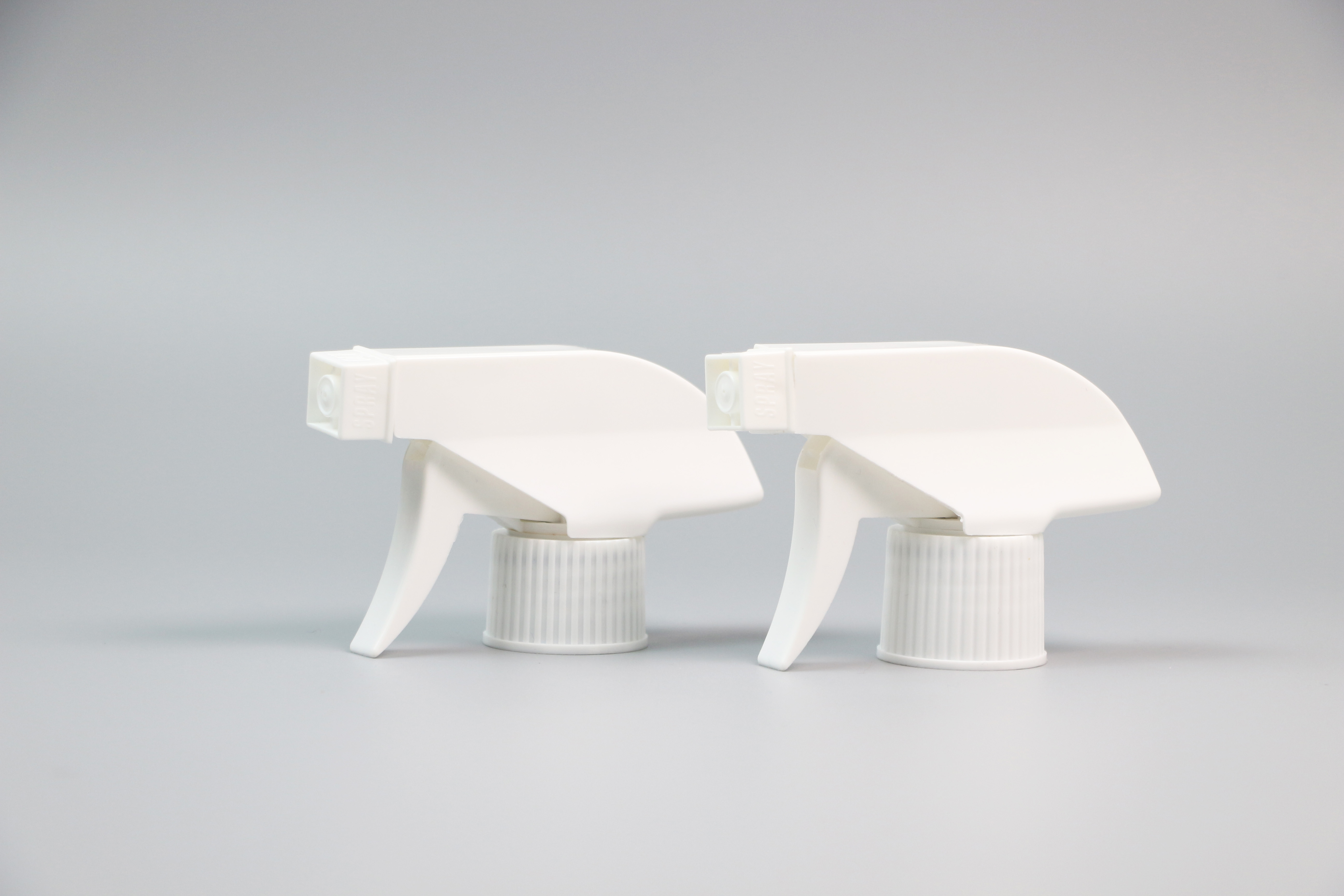
The performance of a trigger sprayer depends heavily on one often-overlooked component: the nozzle design. Whether you're formulating cleaning products, pesticides, cosmetics, or industrial applications, the trigger sprayer nozzle directly determines spray pattern, coverage uniformity, and user experience. A poorly designed nozzle can lead to inconsistent misting, product waste, and customer dissatisfaction. Understanding how nozzle geometry, material selection, and flow dynamics influence trigger sprayer behavior is essential for manufacturers and product developers who want to deliver reliable spray performance across diverse market requirements.
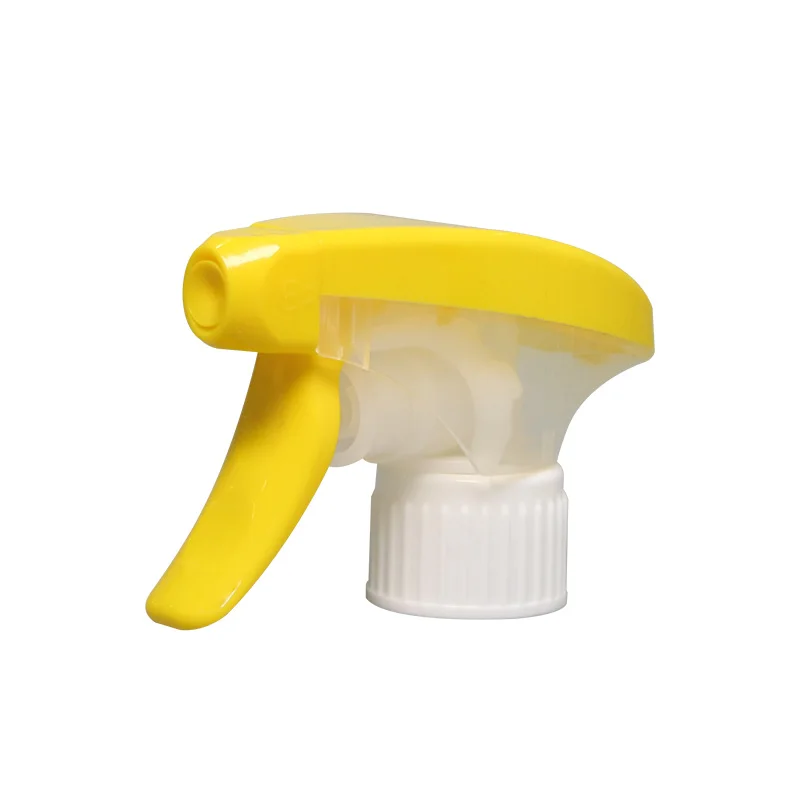
The trigger sprayer has become the standard delivery mechanism for countless consumer and industrial products. Yet its effectiveness hinges on precise nozzle engineering. The nozzle aperture size, internal flow channels, air-mix geometry, and outlet angle all work together to create the intended spray character. When designing a trigger sprayer for specific applications, manufacturers must balance viscosity compatibility, spray distance requirements, droplet size distribution, and the overall user experience expectations of the target market.
Nozzle Geometry and Spray Pattern Control
How Nozzle Design Shapes Spray Output
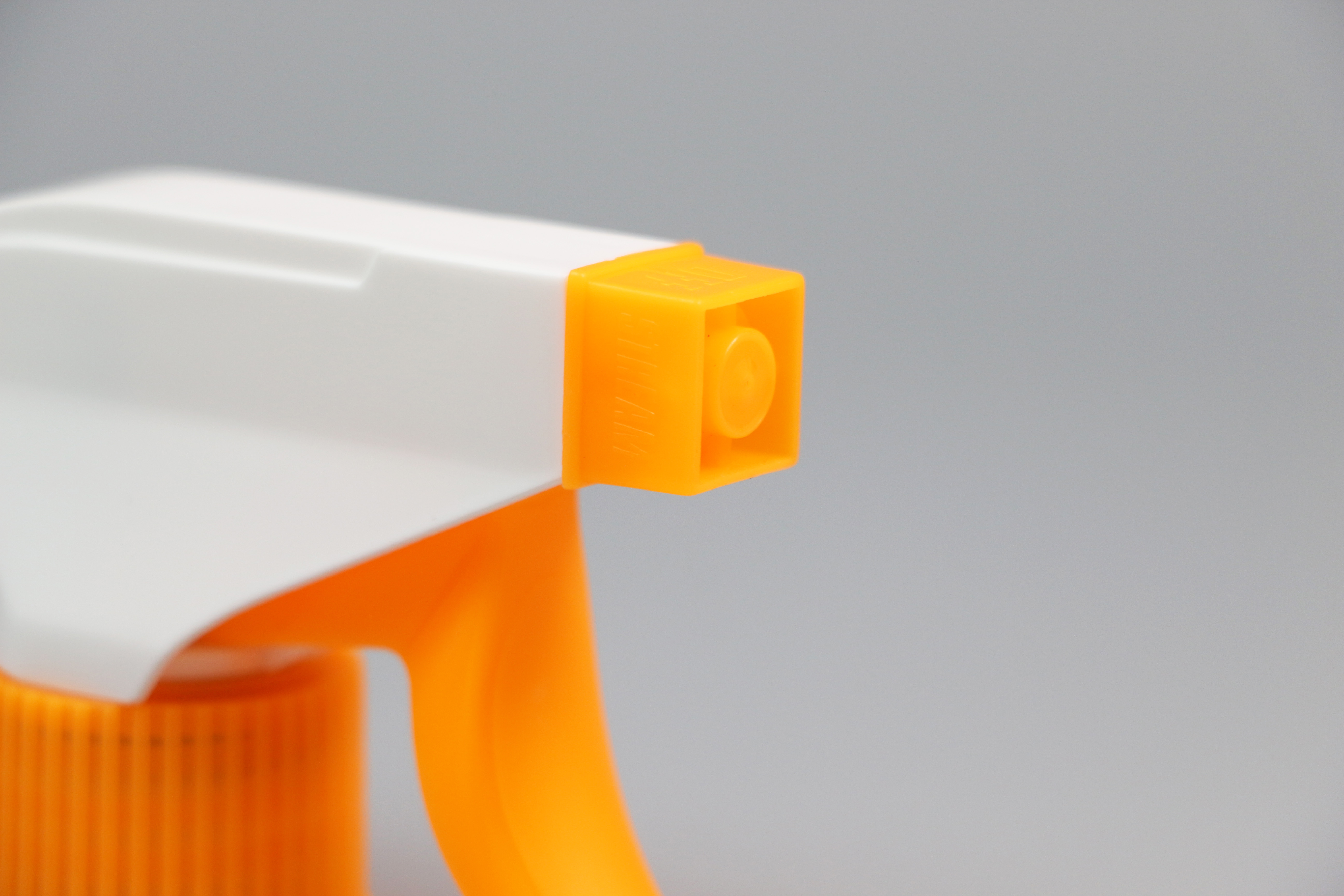
Nozzle geometry is the primary determinant of spray pattern in any trigger sprayer system. The aperture diameter controls flow rate and spray cone angle, while internal passages guide liquid and air mixing. A trigger sprayer with a narrow orifice produces a tighter, more concentrated stream suitable for targeted applications like spot cleaning or precise pesticide application. Conversely, a wider orifice generates a broader mist pattern ideal for full-surface coverage in air fresheners or disinfectants. The internal contours of the nozzle also influence whether liquid emerges as a coherent stream, fine mist, or foam, fundamentally changing the trigger sprayer's suitability for different product types.
Critical Parameters in Nozzle Design
The trigger sprayer nozzle operates within several interdependent design parameters. Swirl chamber geometry controls the rotational velocity of liquid before it exits, affecting droplet breakup and uniformity. The distance between the swirl chamber and the outlet orifice determines residence time and droplet coalescence behavior. Material selection for the nozzle—whether plastic, stainless steel, or brass—impacts chemical resistance and durability. A trigger sprayer designed for acidic cleaning agents requires different material compatibility than one formulated for alkaline degreasers. These geometric and material variables must align with the specific spray requirements to ensure consistent trigger sprayer performance throughout the product's shelf life and use cycles.
Spray Requirements and Application-Specific Design
Matching Nozzle Design to Product Viscosity and Chemistry
Different spray applications demand distinct trigger sprayer nozzle configurations based on product properties. Thin, watery solutions like glass cleaners or window sprays flow easily through fine nozzles, enabling efficient misting patterns. Thicker formulations such as weedkillers, plant growth regulators, or cosmetic sprays require trigger sprayer nozzles with larger flow passages to prevent clogging and maintain consistent spray output. The trigger sprayer nozzle must also resist the chemical composition of its contents—corrosive formulations demand stainless steel or specialized plastic compounds, while fatty or oily products need nozzle materials that resist swelling or degradation. This alignment between nozzle design and product chemistry is non-negotiable for reliable trigger sprayer performance.
Spray Distance and User Experience Expectations
The desired spray distance and atomization quality significantly influence trigger sprayer nozzle geometry. Professional-grade pesticide applications often require a trigger sprayer that delivers a coherent stream up to three meters or more, demanding a nozzle design that generates laminar flow with minimal air entrainment. Consumer air fresheners, conversely, prioritize fine mist distribution over distance, requiring a trigger sprayer nozzle optimized for rapid air-liquid mixing and uniform droplet breakup. The trigger sprayer nozzle outlet angle, entrance angle, and internal baffle design all contribute to these spray characteristics. Understanding user expectations—whether they need precision targeting or broad coverage—drives the engineering choices that define the trigger sprayer's market fit.
Technical Factors and Performance Optimization
Flow Rate Calibration and Spray Consistency
The trigger sprayer nozzle orifice size directly correlates with flow rate, typically measured in milliliters per trigger pull or seconds to empty a standard container. A trigger sprayer with a 1.0 mm orifice might deliver 1.2 ml per pull, while a 1.5 mm orifice could deliver 2.5 ml per pull under identical pump pressure. This calibration is critical because inconsistent flow rates lead to user frustration and product waste. The trigger sprayer nozzle must maintain stable flow across its design operating pressure range, typically 0.5 to 2.5 bar for consumer applications. Material fatigue, thermal expansion, and chemical degradation can gradually alter orifice geometry, reducing the trigger sprayer's ability to maintain consistent spray performance over time. Rigorous nozzle design testing ensures that spray variability remains within acceptable limits throughout the product's intended lifespan.
Air-Liquid Mixing and Droplet Formation
The mechanism of air incorporation into the product flow fundamentally affects trigger sprayer atomization quality. Many trigger sprayer designs use coaxial air channels that introduce ambient air around the liquid jet, creating turbulence that breaks the stream into fine droplets. The trigger sprayer nozzle geometry determines how effectively this mixing occurs. If air channels are too narrow, the trigger sprayer produces primarily large droplets or a thin stream with poor coverage. If they are too wide, the trigger sprayer may generate excessive foam or inconsistent spray patterns. Computational fluid dynamics (CFD) simulations and physical prototyping help engineers optimize the trigger sprayer nozzle design to achieve the target droplet size distribution. This is especially important for products where particle size affects efficacy, such as pesticides or pharmaceutical sprays where droplet penetration and adhesion directly influence performance.
Frequently Asked Questions
What factors make one trigger sprayer nozzle better than another for different applications?
A superior trigger sprayer nozzle excels at matching the specific requirements of its intended application. For a trigger sprayer used in cleaning products, the nozzle should deliver consistent fine mist with even coverage. For industrial pesticide applications, the trigger sprayer nozzle must produce uniform droplet size at longer spray distances without clogging. The best trigger sprayer nozzle design considers orifice diameter, swirl chamber geometry, material chemical resistance, and air-mixing efficiency. A trigger sprayer nozzle optimized for one product may perform poorly with another due to viscosity differences, chemical incompatibility, or mismatched spray distance expectations.
How does nozzle material affect trigger sprayer durability and performance?
Nozzle material selection directly impacts how long a trigger sprayer maintains consistent performance. Plastic nozzles offer cost efficiency and are suitable for neutral or slightly acidic products, but may swell or degrade when exposed to strong solvents or alkaline formulations. A trigger sprayer with a stainless steel or brass nozzle resists chemical attack and maintains dimensional stability across a broader range of formulations, though at higher cost. Over time, corrosion, abrasion, or material softening can enlarge the trigger sprayer nozzle orifice, increasing flow rate and altering spray pattern. Selecting the appropriate nozzle material for the specific product chemistry ensures that the trigger sprayer delivers reliable performance throughout its commercial lifespan.
Why do trigger sprayer nozzles produce different spray patterns like stream, mist, or foam?
The trigger sprayer nozzle design determines spray pattern through internal geometry and air-mixing mechanisms. A trigger sprayer nozzle with minimal air entrainment and a streamlined flow path produces a coherent stream ideal for targeted application. A trigger sprayer nozzle with multiple swirl chambers and wide air channels creates fine mist by breaking the liquid jet into thousands of tiny droplets. Some trigger sprayer nozzles incorporate foam-generating passages that trap air bubbles in the product, producing foam spray for applications like furniture polish or carpet cleaner. The choice of trigger sprayer nozzle geometry directly reflects the intended end-use application and user expectations for coverage, distance, and product delivery efficiency.