
 EN
EN



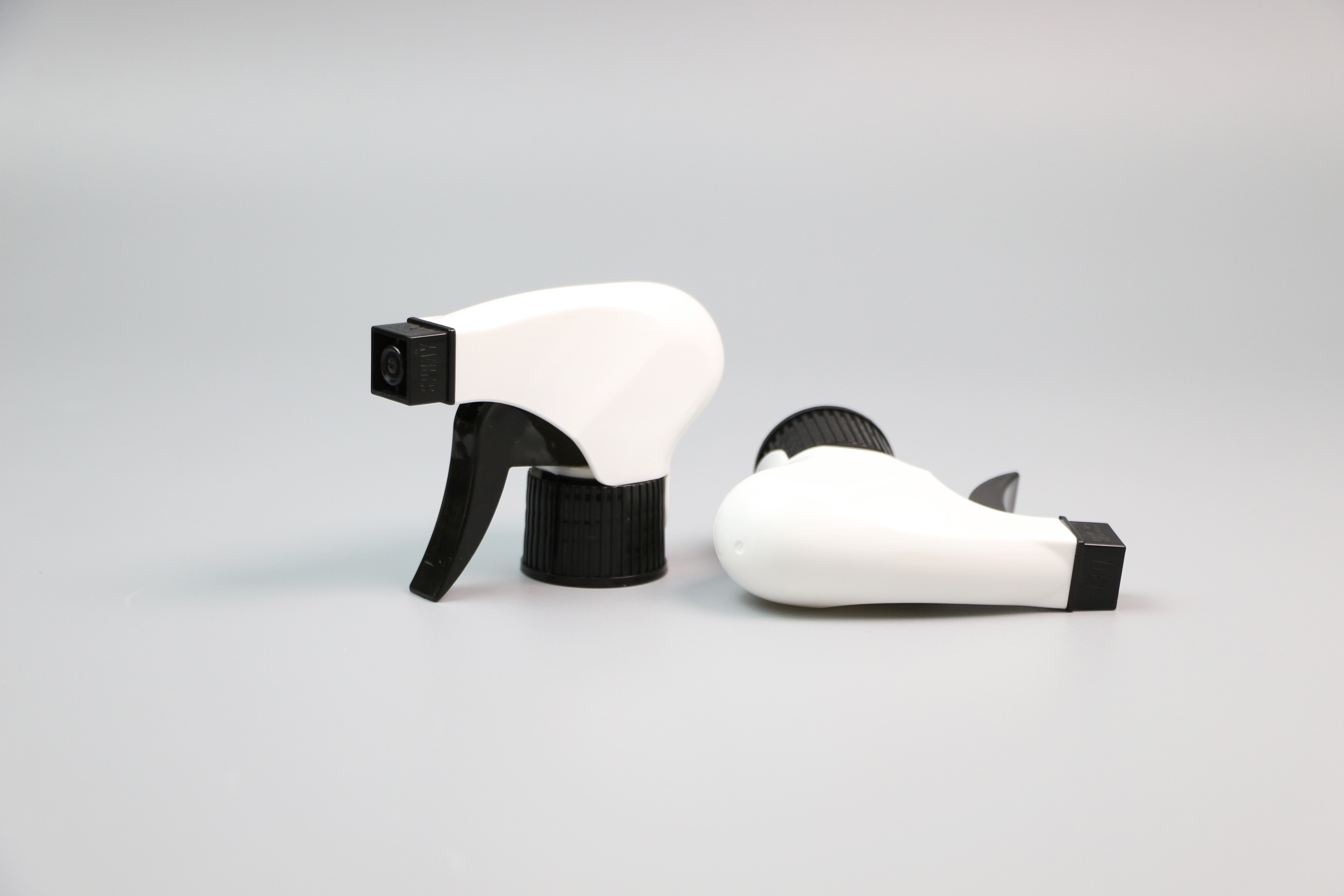
A trigger sprayer is engineered to deliver reliable, consistent liquid output across thousands of activation cycles. Whether used in household cleaning applications, agricultural products, or industrial solutions, the mechanical integrity and design precision of a trigger sprayer directly determine how well it maintains performance over time. Understanding how this mechanism functions is essential for manufacturers, product developers, and end-users who depend on consistent spray delivery for product efficacy and user satisfaction.
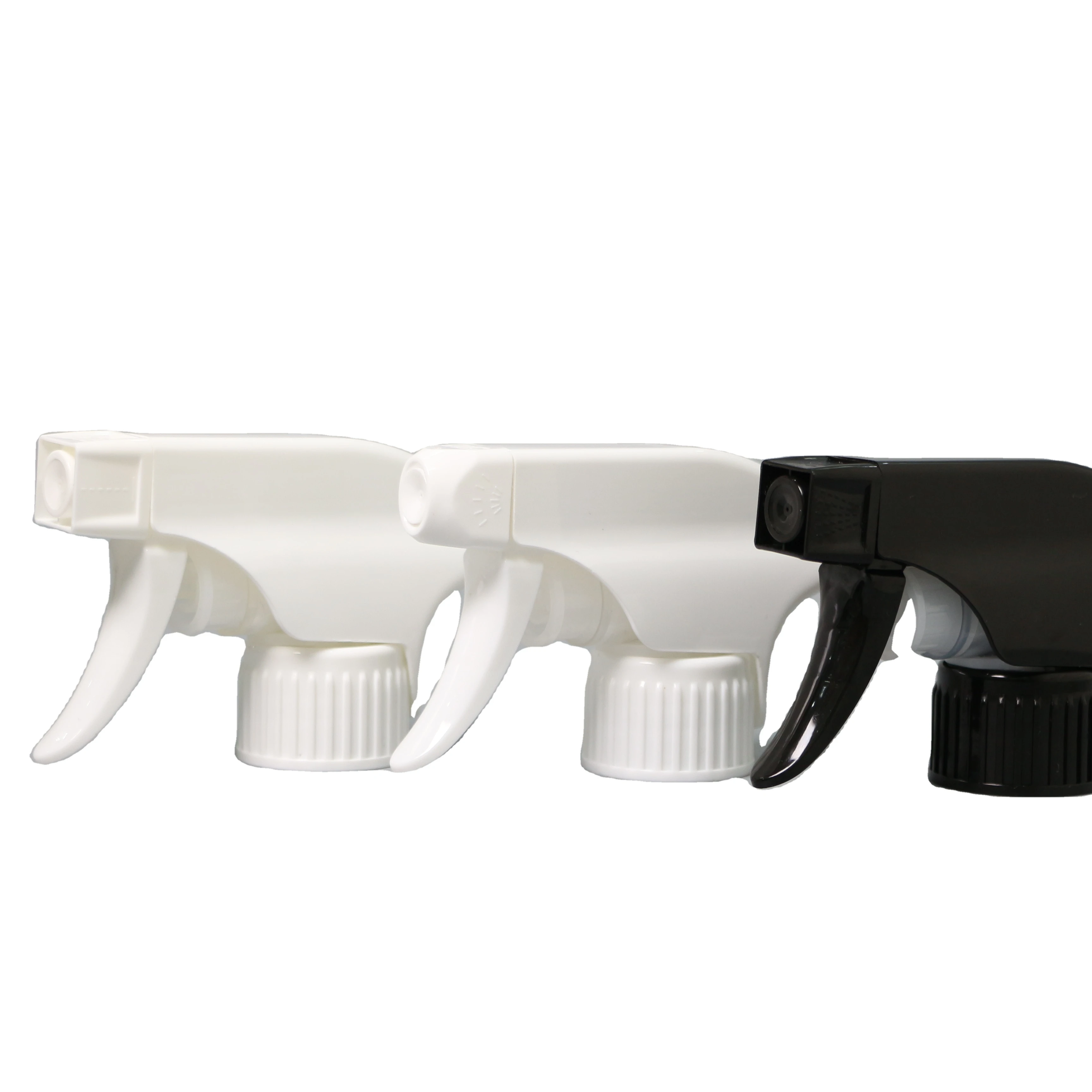
The consistency of liquid output from a trigger sprayer depends on multiple interconnected mechanical elements working in precise harmony. From the spring mechanism that controls the plunger action to the nozzle design that regulates flow rate, every component plays a vital role in maintaining output stability. This article explores the engineering principles behind trigger sprayer performance, the factors that influence longevity, and how quality design ensures your sprayer continues to function reliably through repeated use cycles.
The Core Mechanical Design of Trigger Sprayer Systems
Spring and Plunger Integration in Trigger Sprayer Operation
The heart of any trigger sprayer lies in its spring and plunger assembly. When you press the trigger, the plunger moves downward, creating pressure that forces liquid up through the internal tube and out through the nozzle. The spring mechanism must be precisely calibrated to return the plunger to its neutral position after each activation. A high-quality trigger sprayer uses stainless steel or reinforced polymer springs that resist fatigue and deformation, ensuring the mechanical action remains consistent across hundreds of thousands of cycles.
Consistency in trigger sprayer performance directly correlates with spring durability. If the spring loses its tension over time, the plunger may not fully reset between cycles, leading to reduced output volume or variable spray patterns. Premium trigger sprayer designs incorporate springs with higher fatigue resistance, allowing them to maintain original tension characteristics even after extended use. This mechanical precision is what distinguishes industrial-grade trigger sprayer products from lower-quality alternatives that degrade quickly under demanding conditions.
Valve Sealing and Pressure Regulation in Trigger Sprayer Design
The valve seal within a trigger sprayer controls whether liquid flows or is held in check. When the trigger is released, the valve seal must perfectly close to prevent dripping or gradual leakage. A robust trigger sprayer incorporates high-performance elastomer seals, such as silicone or specialized rubber compounds, that resist chemical degradation and maintain sealing integrity. Over repeated use cycles, these seals can wear if exposed to harsh chemicals or abrasive particles, which is why filtration and material compatibility matter for trigger sprayer longevity.
Pressure regulation within the trigger sprayer chamber ensures that each activation delivers approximately the same volume of liquid. If internal pressure varies due to seal deterioration or air leaks, output becomes inconsistent. A well-engineered trigger sprayer maintains stable pressure by keeping all internal chambers airtight and using appropriately sized valve ports. This design discipline ensures that your trigger sprayer delivers predictable, uniform spray output on every single use, cycle after cycle.
Factors That Influence Trigger Sprayer Consistency Over Time
Material Degradation and Chemical Compatibility
The materials used in a trigger sprayer significantly impact its ability to maintain consistent output over extended use. Plastics, metals, and elastomers can degrade when exposed to corrosive chemicals, high temperatures, or ultraviolet light. A durable trigger sprayer uses chemical-resistant materials selected specifically for the target liquid, whether that is water-based cleaners, solvents, or specialized industrial formulations. Incompatible materials lead to swelling, brittleness, or seal failure, all of which compromise the trigger sprayer's ability to deliver consistent performance.
Regular exposure to aggressive cleaning agents or solvents can accelerate material degradation in trigger sprayer components. Manufacturers design premium trigger sprayer systems with material combinations that resist the specific chemicals they will encounter. Selecting the right trigger sprayer for your application—one engineered for your particular liquid—is critical for maintaining long-term consistency and avoiding premature performance loss due to chemical attack on internal seals or spring materials.
Mechanical Wear Patterns and Usage Intensity
Every trigger sprayer experiences mechanical wear as the plunger slides within its chamber, the spring flexes repeatedly, and the valve opens and closes thousands of times. High-usage environments accelerate this wear cycle, which is why commercial-grade trigger sprayer products incorporate tighter tolerances, harder bearing surfaces, and reinforced components. A trigger sprayer designed for light household use will degrade faster under industrial application conditions than a purpose-built industrial trigger sprayer would.
Understanding the intended duty cycle helps predict when a trigger sprayer will begin losing consistency. A trigger sprayer used a few times daily will maintain performance far longer than one activated hundreds of times per shift in a manufacturing facility. By selecting a trigger sprayer rated for your actual usage intensity, you ensure that the mechanical components remain in specification long enough to deliver the consistent output your application demands.
Filtration and Liquid Purity Effects on Trigger Sprayer Performance
Particulates suspended in the liquid being sprayed can act as abrasives within a trigger sprayer, causing internal surfaces to wear faster. A high-quality trigger sprayer system includes or works with fine filtration to remove particles that might lodge in the valve seat or scratch precision-fitted surfaces. Even small contaminants can accumulate over thousands of cycles, creating drag on the plunger, reducing seal effectiveness, or blocking the nozzle port of your trigger sprayer.
Maintaining clean, filtered liquid is one of the most effective ways to ensure your trigger sprayer maintains consistent output performance. When liquid purity is controlled, the internal mechanisms of a trigger sprayer operate smoothly without the accelerated wear that particulates cause. This simple practice extends trigger sprayer lifespan and preserves the mechanical precision that delivers reliable, uniform spray volume on every activation.
Design Features That Ensure Long-Term Trigger Sprayer Consistency
Precision-Engineered Nozzle Design and Flow Control
The nozzle of a trigger sprayer is engineered to convert internal pressure into a controlled spray pattern while maintaining uniform flow rate across the product's lifespan. A precision-designed trigger sprayer nozzle incorporates carefully sized orifices and internal geometry that resist clogging and maintain dimensional stability despite repeated use. Higher-quality trigger sprayer nozzles are manufactured using injection molding techniques that achieve tight tolerances, ensuring consistency in spray pattern and output volume from the first use through thousands of subsequent cycles.
Inconsistency in spray output often originates from nozzle degradation rather than failures in the main trigger sprayer pump mechanism. A well-designed trigger sprayer includes nozzle geometry that prevents particle accumulation and allows for easy cleaning. Some premium trigger sprayer designs even incorporate anti-drip or precision-calibrated nozzle chambers that further enhance output consistency by controlling micro-variations in internal pressure or flow dynamics.
Housing Rigidity and Structural Integrity
The trigger sprayer housing must maintain structural rigidity throughout its service life to preserve the tight tolerances that allow precise plunger movement and consistent output. Plastic housings in premium trigger sprayer designs use reinforced polymer blends that resist flexing under pressure, which can cause seal misalignment or plunger binding. Metal or composite housing options available in some trigger sprayer products provide even greater rigidity for the most demanding applications.
A trigger sprayer that flexes or warps during use will gradually lose output consistency because the changing geometry creates varying clearances between the plunger and its bore. Quality manufacturing and material selection ensure your trigger sprayer maintains its original dimensional accuracy through thousands of activation cycles. This structural integrity is what allows a well-made trigger sprayer to deliver predictable performance long after cheaper alternatives have begun to fail.
Durability-Focused Component Assembly and Quality Control
Manufacturing excellence directly translates into trigger sprayer longevity and consistency. Premium trigger sprayer manufacturers employ rigorous quality control processes that verify spring preload, seal compression, plunger fit, and nozzle calibration before products leave the factory. Each trigger sprayer is tested under simulated use conditions to confirm that it meets output consistency specifications. This level of manufacturing discipline ensures that trigger sprayer performance remains stable across the entire population of units produced.
Lower-cost trigger sprayer products often skip these verification steps, resulting in higher variability between individual units and faster performance degradation. Investing in a trigger sprayer from a manufacturer known for rigorous quality control means you receive a product engineered to maintain consistent liquid output over extended use. This quality foundation is what separates trigger sprayer products that remain reliable for years from those that begin losing consistency within months.
FAQ
How many cycles can a high-quality trigger sprayer typically withstand?
A premium trigger sprayer engineered for commercial use can reliably deliver consistent output for 50,000 to 500,000 cycles or more, depending on the design, materials, and operating conditions. Industrial-grade trigger sprayer products tested for extreme durability may exceed one million cycles while maintaining acceptable performance specifications. Household-grade trigger sprayer products typically offer 10,000 to 50,000 cycles before output consistency begins to noticeably decline. Actual cycle life depends on liquid chemistry, contamination levels, usage intensity, and maintenance practices throughout the trigger sprayer's operational lifespan.
What signs indicate that a trigger sprayer is losing consistency?
A trigger sprayer experiencing performance degradation typically shows uneven spray patterns, variable output volume per activation, or increased resistance when pressing the trigger mechanism. You might notice that some sprays from your trigger sprayer are light mist while others are heavy stream, or that the spray has become more prone to dripping between uses. These symptoms indicate that internal seals in the trigger sprayer are wearing, springs are losing tension, or nozzle orifices are becoming partially clogged. When a trigger sprayer exhibits these signs, it is time to consider replacement, repair, or preventive maintenance depending on the severity and your application requirements.
Can regular maintenance improve trigger sprayer consistency?
Yes, consistent maintenance significantly extends the functional life of a trigger sprayer and preserves output consistency. Regularly cleaning the nozzle of your trigger sprayer, ensuring liquid purity through filtration, and storing your trigger sprayer in appropriate environmental conditions all reduce degradation rates. For removable-nozzle trigger sprayer designs, occasional disassembly and cleaning can prevent particle accumulation that compromises performance. Using a trigger sprayer with liquids compatible with its materials, avoiding excessive temperature exposure, and preventing chemical contact with sensitive components will all help your trigger sprayer maintain consistent output delivery throughout its service life.