
 EN
EN



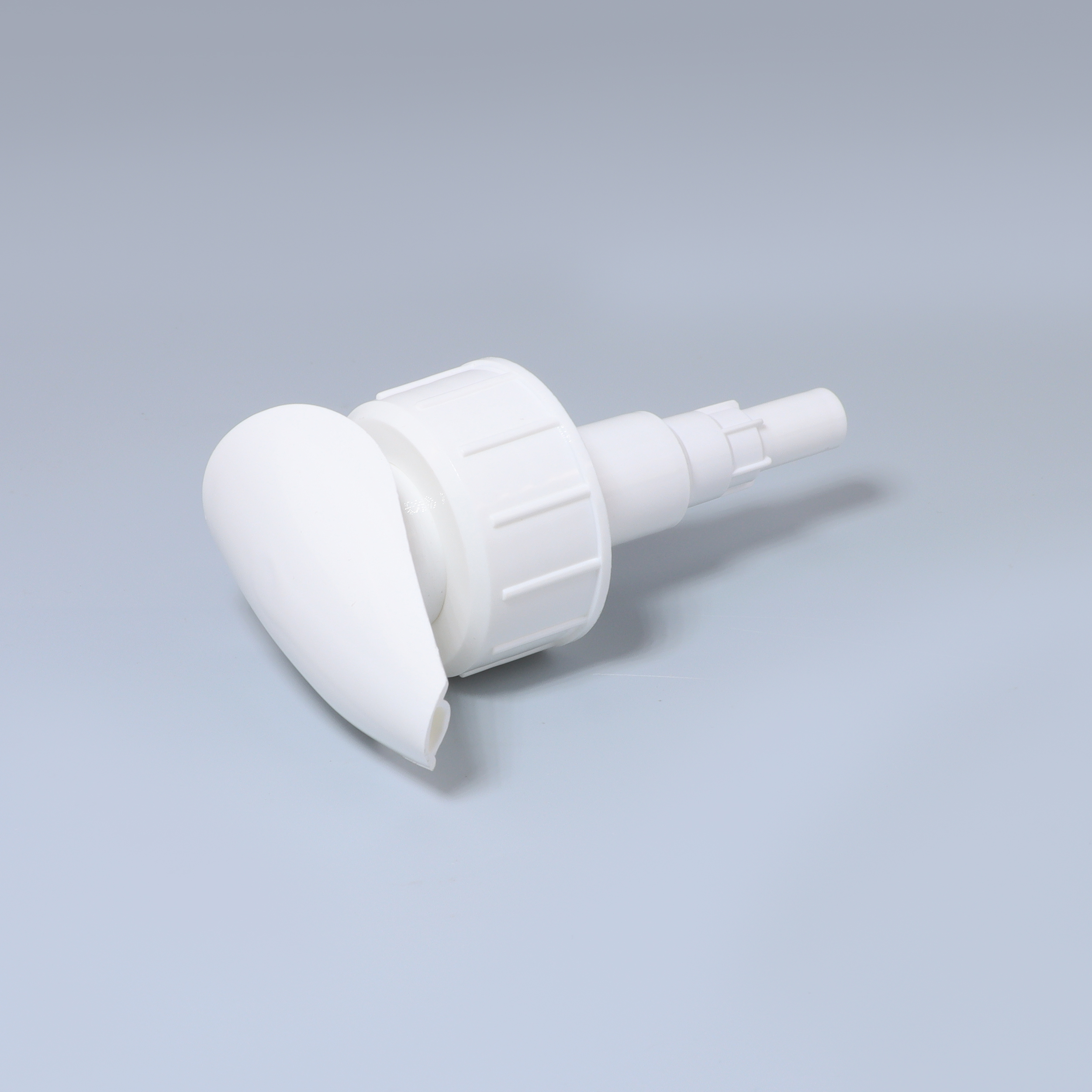
The 4cc lotion pump represents a critical component in modern cosmetic packaging, directly influencing how consumers interact with skincare and personal care products. Understanding how 4cc lotion pump output design affects dispensing efficiency is essential for manufacturers seeking to optimize product delivery, reduce waste, and enhance user satisfaction. The precision of a 4cc lotion pump determines whether customers receive consistent doses, experience satisfying product application, and ultimately develop loyalty to a brand based on packaging performance alone.

Dispensing efficiency in cosmetic packaging extends beyond simple functionality. A well-engineered 4cc lotion pump must balance precision with user comfort, delivering exactly the right volume with minimal effort. The relationship between 4cc lotion pump design parameters and dispensing efficiency affects production costs, consumer perception, and regulatory compliance. This article explores the mechanical and design factors that make a 4cc lotion pump effective in meeting both manufacturer specifications and end-user expectations.
Understanding 4cc Lotion Pump Stroke Mechanism
Piston Rod and Chamber Design in 4cc Lotion Pump Systems
The fundamental architecture of a 4cc lotion pump depends on the stroke mechanism that creates precise volume displacement. Inside a 4cc lotion pump, the piston rod travels through a sealed chamber, drawing product on the upstroke and dispensing on the downstroke. The chamber dimensions of a 4cc lotion pump are engineered to contain exactly four cubic centimeters of liquid, ensuring consistent output with each pump cycle. Variations in piston bore diameter, stroke length, and chamber volume directly determine the accuracy of each 4cc lotion pump dispensing action. Manufacturers must maintain tight tolerances during production to ensure every 4cc lotion pump delivers uniform doses that meet customer expectations and regulatory standards.
Pressure Dynamics and Flow Control in 4cc Lotion Pump Operation
The pressure generated during the downstroke of a 4cc lotion pump significantly influences dispensing efficiency and user experience. When the piston compresses product inside a 4cc lotion pump chamber, pressure forces the liquid through internal pathways and out through the nozzle opening. A well-designed 4cc lotion pump requires appropriate spring tension to generate sufficient pressure without requiring excessive user effort. Poor pressure dynamics in a 4cc lotion pump can result in incomplete dispensing, product leakage, or customer frustration from requiring multiple pump strokes to achieve the desired dose. Engineers optimize the 4cc lotion pump pressure curve by adjusting spring characteristics and valve seat precision, ensuring reliable performance across varying product viscosities.
Nozzle Geometry and Spray Pattern Optimization
Nozzle Opening Size and Its Impact on 4cc Lotion Pump Output
The nozzle opening diameter of a 4cc lotion pump directly controls the dispensing characteristics and perceived quality of the product delivery. A properly sized nozzle for a 4cc lotion pump prevents product separation, reduces spillage, and ensures smooth application to skin. If the nozzle opening is too large, a 4cc lotion pump will dispense product too rapidly, causing waste and inconsistent application. Conversely, an undersized nozzle reduces dispensing efficiency by creating backpressure that demands excessive user force. The ideal 4cc lotion pump nozzle opening is designed to deliver product at a rate that feels natural and controlled, typically achieved through precision molding or metering inserts that work in conjunction with the 4cc lotion pump chamber volume.
Spray Pattern Consistency and Cosmetic Product Formulation
The spray pattern produced by a 4cc lotion pump depends on both mechanical design and product viscosity compatibility. A 4cc lotion pump optimized for lotions and creams produces a narrow, consistent stream or fine mist that prevents product from splashing or pooling outside the application area. Product formulations that work with specific 4cc lotion pump designs must fall within acceptable viscosity ranges, typically between 50 and 2000 centipoise, to ensure the 4cc lotion pump performs as intended. When formulation viscosity deviates from the designed range, even a precision-engineered 4cc lotion pump may experience inconsistent spray patterns, clogging, or premature wear. Cosmetic manufacturers must validate that their specific product formulation maintains dispensing efficiency with the selected 4cc lotion pump model throughout the product's shelf life.
Valve Seat Design and Leakage Prevention
Duckbill Valve Mechanics in Modern 4cc Lotion Pump Systems
One-way valves represent a critical innovation in achieving consistent dispensing efficiency from a 4cc lotion pump. The duckbill valve inside a 4cc lotion pump is a flexible elastomer component that opens during the downstroke to allow product discharge and closes automatically during the upstroke to prevent backflow and dripping. A high-quality 4cc lotion pump incorporates a duckbill valve manufactured from materials that resist fatigue and degradation from cosmetic ingredients, ensuring thousands of cycles of reliable operation. If the duckbill valve in a 4cc lotion pump degrades or becomes misaligned, product will leak from the nozzle between pump strokes, reducing perceived quality and wasting valuable product. Engineers designing a 4cc lotion pump must specify elastomer durability, valve seat geometry, and compression force to maintain zero-leakage performance even after extended use with aggressive or chemically active formulations.
Intake and Discharge Path Optimization for 4cc Lotion Pump Efficiency
The internal pathways within a 4cc lotion pump that connect the product reservoir to the discharge nozzle significantly affect dispensing efficiency and response time. A 4cc lotion pump with smooth, appropriately sized intake and discharge channels minimizes turbulence, product aeration, and pressure loss during the pump cycle. Restrictive pathways force a 4cc lotion pump to work harder, increasing required user force and potentially causing product separation or foam generation in the output. Optimized channel geometry in a premium 4cc lotion pump reduces the number of pump strokes needed to achieve full priming and maintains consistent performance even as product level in the reservoir decreases. By engineering the internal fluid paths of a 4cc lotion pump for low-resistance flow, manufacturers achieve superior dispensing efficiency that enhances consumer satisfaction and brand perception.
Material Selection and Long-Term Dispensing Performance
Elastomer and Metal Compatibility in 4cc Lotion Pump Construction
The material composition of a 4cc lotion pump directly determines its durability, chemical resistance, and ability to maintain dispensing efficiency over months of repeated use. Premium 4cc lotion pump designs specify stainless steel springs, aluminum or brass housings, and food-grade elastomers for seals and valves. When a 4cc lotion pump encounters incompatible cosmetic ingredients, the elastomer components may swell, shrink, or degrade, causing leakage and loss of consistent dispensing efficiency. Quality manufacturers of 4cc lotion pump systems conduct accelerated aging tests with representative cosmetic formulations to verify long-term performance before releasing products to market. The choice of elastomer material in a 4cc lotion pump is as critical as the mechanical design, since even minor chemical incompatibility can eliminate dispensing efficiency gains achieved through careful engineering of the pump mechanism.
Surface Finish and Wear Resistance in 4cc Lotion Pump Systems
The internal surface finish of the piston bore inside a 4cc lotion pump influences friction, seal integrity, and long-term dispensing accuracy. A precisely machined 4cc lotion pump with smooth internal surfaces maintains an effective seal between the piston and cylinder wall, preventing product bypass and ensuring full chamber evacuation with each stroke. Over time, wear patterns in a poorly finished 4cc lotion pump can create micro-channels that allow product to leak past the seal, gradually reducing the effective dispensing volume and requiring additional pump strokes to achieve the intended 4cc dose. Advanced 4cc lotion pump manufacturing processes use precision grinding and polishing to achieve surface roughness values that minimize wear while maintaining optimal seal function, ensuring consistent dispensing efficiency throughout the product lifecycle.
FAQ
What is the typical output range for a standard 4cc lotion pump?
A standard 4cc lotion pump is engineered to dispense approximately four cubic centimeters of product per complete pump stroke. However, actual output may vary slightly depending on formulation viscosity, nozzle design, and wear condition. Most quality 4cc lotion pump systems maintain output accuracy within plus or minus 5 percent of the nominal 4cc specification when used with products within the recommended viscosity range. Manufacturers typically print the 4cc lotion pump capacity on packaging to set customer expectations for dose size.
How does product viscosity affect 4cc lotion pump dispensing efficiency?
Product viscosity has a profound impact on how well a 4cc lotion pump maintains designed dispensing efficiency and output consistency. Formulations thicker than the design specification for a 4cc lotion pump may flow slowly through nozzles, requiring greater user effort or multiple strokes to achieve the full dose. Conversely, products too thin for a specific 4cc lotion pump design may dispense too rapidly, reducing user control and increasing product waste. The optimal 4cc lotion pump performs best when paired with products in the 50 to 2000 centipoise range, though custom designs accommodate alternative viscosity specifications when needed.
What maintenance steps preserve 4cc lotion pump dispensing performance?
Simple maintenance practices significantly extend the service life and dispensing efficiency of a 4cc lotion pump. Users should clean the nozzle tip regularly by wiping it dry after each use to prevent product buildup and clogging that would reduce 4cc lotion pump performance. For bottles that remain unopened or are stored vertically for extended periods, running a few test pump strokes before use helps prime the system and ensure consistent output from the 4cc lotion pump. Storing bottles upright in cool, dry conditions prevents formulation separation and maintains the chemical stability of elastomer components inside the 4cc lotion pump.