
 EN
EN



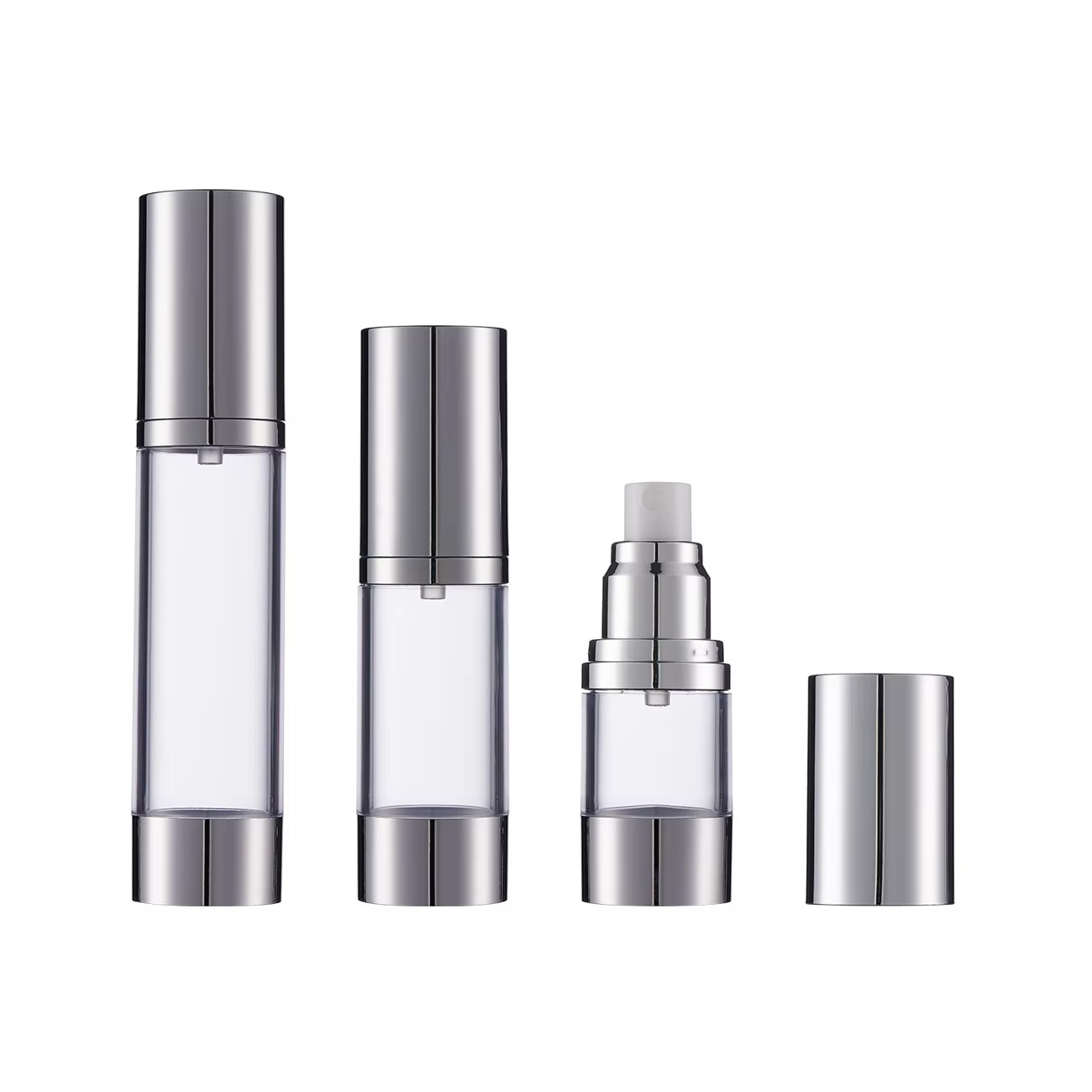
The internal structure of an airless bottle directly determines how effectively the device maintains pressure balance and delivers product consistently. Understanding the mechanical principles behind airless bottle design is essential for manufacturers, formulators, and brand owners who seek reliable packaging solutions that protect product integrity while ensuring optimal user experience. An airless bottle functions through a vacuum-driven system, but the quality of this system depends entirely on how internal components work together to create and maintain the necessary pressure differential.
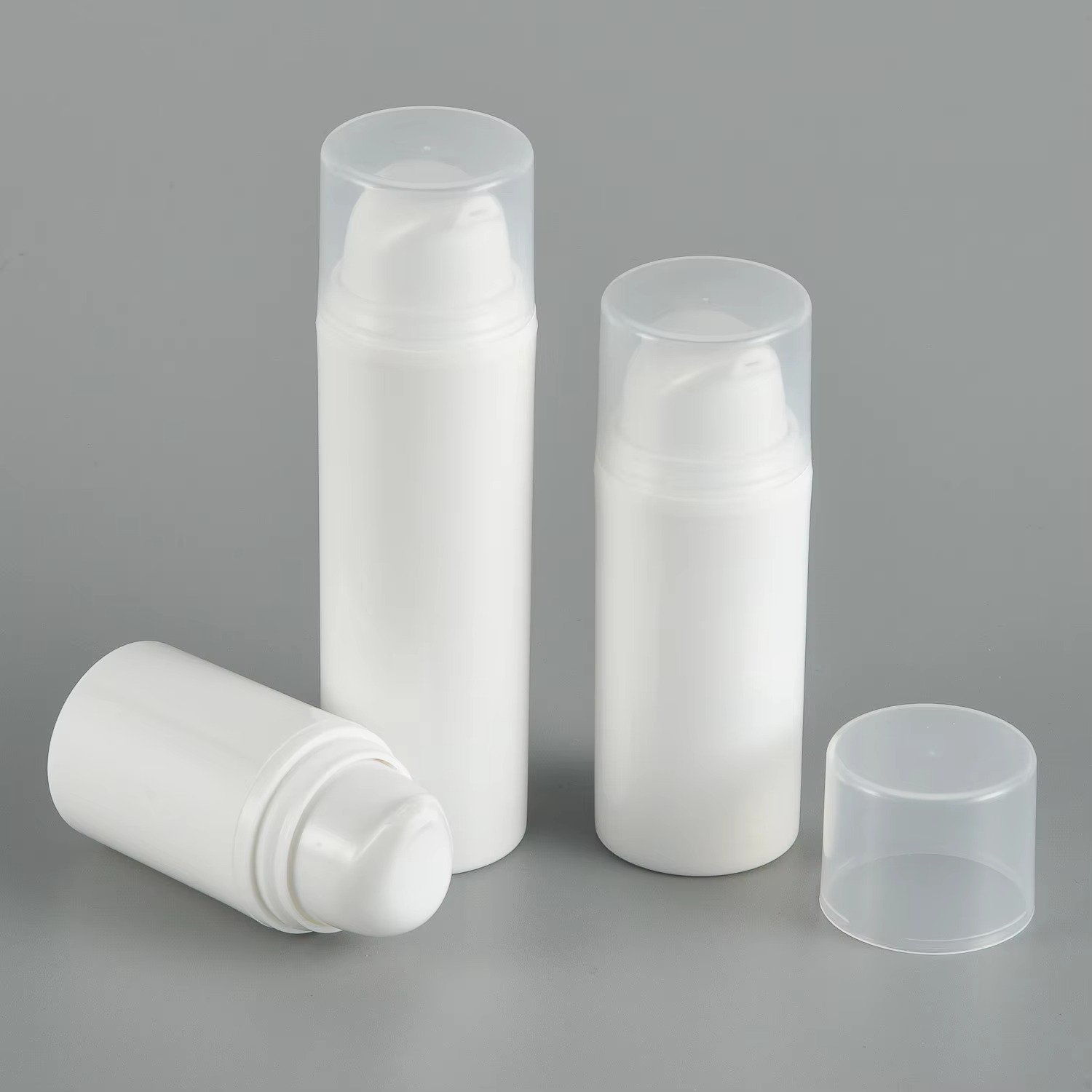
When you examine the construction of an airless bottle, you discover that every internal element serves a specific function in maintaining pressure stability. The piston system, seals, chamber design, and valve mechanisms all work together to prevent oxidation and contamination while allowing controlled product dispensing. This article explores why the internal architecture of an airless bottle matters so much and how proper structural design delivers measurable benefits to both manufacturers and end consumers.
How Internal Pressure Mechanisms Work in Airless Bottle Systems
The Vacuum Chamber and Piston Assembly
The core of any airless bottle relies on a vacuum-sealed chamber where a piston separates the product from the external environment. This piston moves upward as the pump dispenses product, maintaining a consistent vacuum that prevents air from entering the container. The precision of this airless bottle design determines whether the vacuum remains intact throughout the product lifecycle. If the chamber dimensions are poorly engineered, the piston may bind, stick, or develop gaps that compromise the seal. The internal structure must accommodate smooth piston movement while maintaining an airtight barrier, which requires exact tolerances in both the cylinder wall and the piston guide.
Manufacturers designing airless bottle systems invest in advanced molding techniques to ensure consistent wall thickness and dimensional accuracy. Variations in plastic thickness create stress points where the piston may experience friction or where micro-leaks can develop. A well-engineered airless bottle maintains uniform wall geometry throughout the chamber, allowing the piston to glide smoothly from bottom to top without resistance. This smooth operation is critical because any friction increases the force required to dispense product, which frustrates consumers and can damage delicate formulations that are sensitive to mechanical stress.
Seal Systems and Pressure Integrity
The sealing components within an airless bottle determine whether pressure balance is maintained or gradually lost over the product's shelf life. Most airless bottle designs use elastomeric seals around the piston and at the pump interface to create barriers against air infiltration. The material composition, durometer hardness, and surface finish of these seals directly affect their performance. If seals are too rigid, they create excessive friction that makes the airless bottle difficult to use; if they are too soft, they fail to maintain a hermetic seal and the product oxidizes. The internal structure of the airless bottle must provide precise surfaces where seals can compress uniformly without distortion.
Temperature variations and repeated pressure cycling stress these seals continuously. An airless bottle that maintains optimal seal integrity across a range of storage conditions demonstrates superior internal design. Premium airless bottle manufacturers specify seal materials that resist degradation from the product formula itself, whether acidic, basic, or containing volatile solvents. The interior surface finish of the airless bottle chamber directly influences seal lifespan because any rough spots accelerate wear and create potential leak paths. This attention to internal surface quality separates commodity airless bottle solutions from performance-grade options that maintain pressure balance over years of storage.
Structural Elements That Support Pressure Balance in Airless Bottle Design
Chamber Geometry and Volume Control
The cylindrical chamber that houses the piston in an airless bottle must be precisely dimensioned to ensure that pressure calculations remain accurate. The internal volume must match the specified fill volume so that the piston starts at the correct position and moves through its full range of motion as product is dispensed. If an airless bottle chamber is too large, the piston may not reach the top, leaving product inaccessible; if too small, the piston may bottom out and damage the valve seat. The structural design of the airless bottle chamber establishes the boundaries within which pressure physics operates correctly. This precision requirement explains why injection molding of airless bottle components demands tight process controls and regular mold maintenance.
Modern airless bottle manufacturing uses three-dimensional measurement systems to verify internal chamber dimensions before containers are released for filling. The shape of the chamber influences how evenly pressure distributes throughout the airless bottle interior. Flat-bottomed chambers in some airless bottle designs allow the piston to settle into a stable resting position, while rounded bottoms in other airless bottle variants distribute pressure more uniformly but require different piston geometry. Each structural choice in airless bottle design involves trade-offs between manufacturability, cost, and performance characteristics. Selecting the right chamber geometry for your specific product formulation and application is a critical decision that impacts the entire packaging experience.
Pump Head Integration and Valve Design
The pump head assembly attaches to the airless bottle and must create a hermetic seal with the chamber while housing the dispensing valve. The internal structure of this interface determines how effectively the airless bottle maintains vacuum during storage and product use. If the pump head does not seat perfectly against the airless bottle opening, air gradually infiltrates the chamber and oxygen exposure begins degrading the product. The valve itself contains springs, balls, and small passages that must allow product to flow upward during the pump stroke while preventing backflow when the pump resets. The internal passages within the airless bottle pump head require precision drilling and polishing to ensure smooth product flow.
The connection between pump head and airless bottle body must withstand pressure differentials and mechanical stress from repeated pumping. A reinforced internal ring or boss structure around the opening of the airless bottle strengthens this critical joint. Without adequate internal reinforcement, the plastic at the pump interface becomes a weak point where stress cracks develop, allowing air to enter and undermining the entire pressure balance system. Quality airless bottle manufacturers design these reinforced zones into the mold so they form as an integral part of the container structure, not as an afterthought. This structural integration is what transforms an airless bottle from a simple container into a sophisticated delivery system.
Performance Benefits Delivered by Superior Airless Bottle Internal Structure
Product Protection and Stability
The fundamental value proposition of an airless bottle comes from its ability to protect oxygen-sensitive formulations. Antioxidants, retinol, vitamin C, and other active ingredients degrade rapidly when exposed to air, reducing product efficacy before consumers can use them. A well-designed airless bottle maintains the vacuum barrier that prevents this oxidation, preserving potency from manufacturing through the final consumer application. The internal structural quality of the airless bottle directly determines how effectively it maintains this protection throughout the product lifecycle. Inferior airless bottle design with poor seals or imprecise chamber geometry compromises this protection within weeks or months, while premium airless bottle construction preserves product quality for years.
Beyond oxidation protection, the airless bottle structure prevents microbial contamination because external organisms cannot penetrate the sealed system. This elimates the need for preservative systems as comprehensive as those required for airless bottle alternatives like jars or pump bottles with open systems. Manufacturers can develop cleaner, more natural formulations when they specify airless bottle packaging because the container itself provides sterility assurance. This structural benefit of the airless bottle creates competitive advantages for brands targeting premium and natural product segments.
User Experience and Dispensing Consistency
Consumers judge airless bottle performance by how smoothly the pump operates and how completely they can empty the container. An airless bottle with poor internal design feels sticky, requires excessive force, or stops dispensing before all product is extracted. These negative experiences damage brand perception and generate product complaints even when the formula itself is excellent. A superior airless bottle with optimized internal structure delivers effortless pumping and allows consumers to extract 95 percent or more of the filled product. The piston moves smoothly because internal dimensions are precise, seals function without excessive drag, and pressure gradients remain balanced throughout dispensing.
Consistency across multiple uses is another benefit of proper airless bottle internal structure. Each pump stroke should deliver approximately the same volume throughout the product lifecycle. If internal design is suboptimal, dispensing becomes inconsistent as seal wear accelerates or piston binding develops. Premium airless bottle design maintains dose accuracy across hundreds of pump cycles, which is essential for skincare products where consumers expect reliable dosing. This performance consistency reflects the quality of internal engineering and manufacturing precision in the airless bottle production process.
FAQ
What makes internal structure critical for airless bottle performance?
Internal structure determines whether an airless bottle maintains its vacuum seal, prevents product oxidation, and functions smoothly. The piston assembly, seal systems, and chamber geometry must work together precisely to create and sustain pressure balance. Without proper internal design, an airless bottle fails to deliver its core benefit—protection of sensitive formulations through isolation from air and microbial contamination.
How does piston precision affect overall airless bottle functionality?
The piston inside an airless bottle must move freely while maintaining an airtight seal. If the internal chamber walls are not precisely machined or molded, the piston experiences friction that makes pumping difficult and can cause seals to wear prematurely. Precise internal dimensions allow the piston to glide smoothly, ensure consistent dispensing, and extend the functional lifespan of the airless bottle throughout its shelf life.
Can an airless bottle maintain pressure balance if internal seals are substandard?
No, substandard seals compromise the entire purpose of an airless bottle. Poor-quality seals leak gradually, allowing air to enter and destroying the vacuum that protects the product. The internal structure must support seals that remain effective across temperature variations, chemical compatibility with the formula, and hundreds of pressure cycles. Using premium seal materials and maintaining precise internal surfaces where seals compress is essential for airless bottle reliability.