
 EN
EN



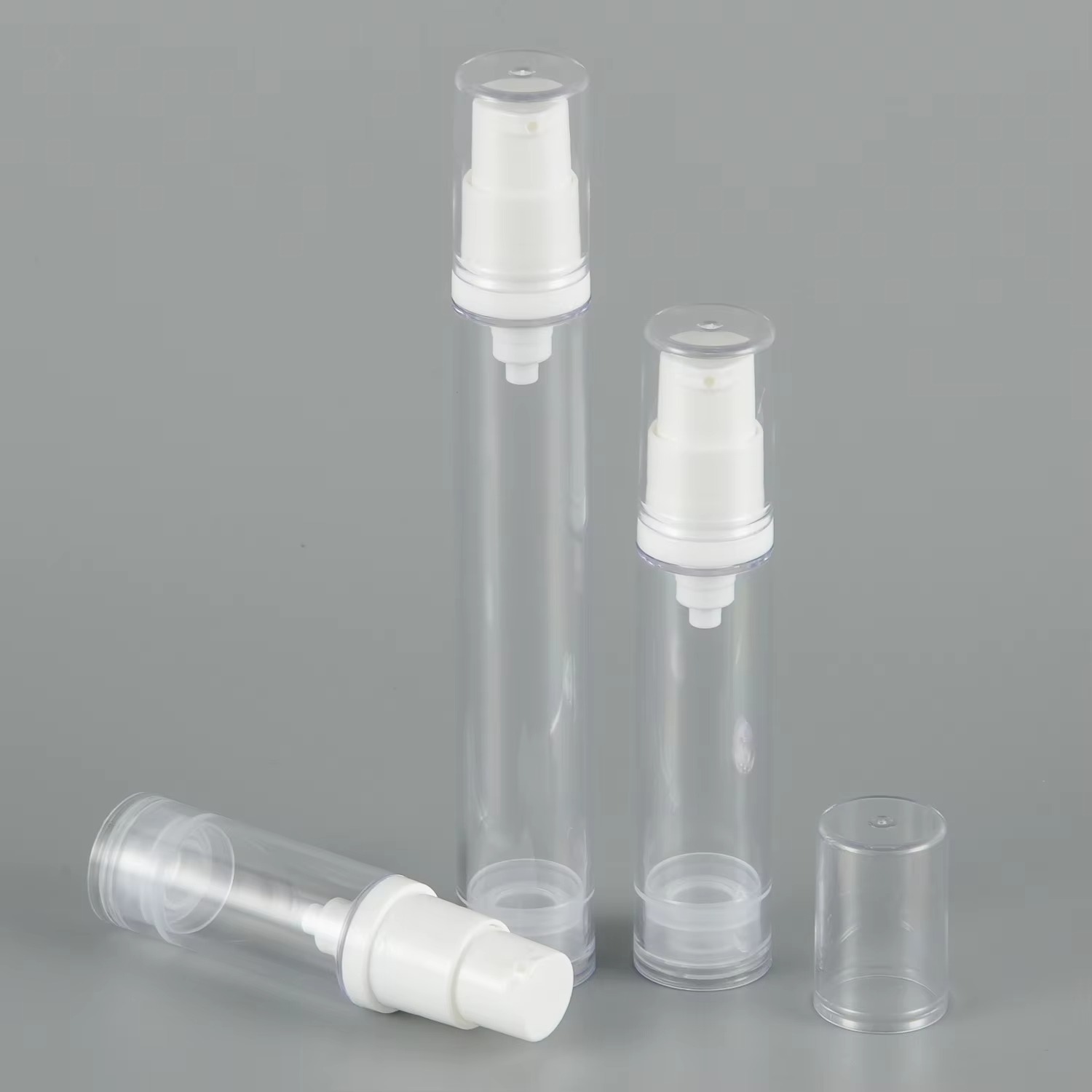
Sensitive formulations demand packaging solutions that go beyond basic containment. An airless bottle represents a sophisticated approach to protecting delicate cosmetic, pharmaceutical, and skincare products from degradation and contamination. Unlike traditional containers that allow air and external contaminants to reach the product, an airless bottle uses a precision-engineered mechanism to dispense contents without exposing them to oxygen or environmental factors. For manufacturers and formulators working with active ingredients, botanical extracts, or preservative-sensitive compounds, understanding how an airless bottle adapts to these requirements is essential for maintaining product efficacy and consumer safety.
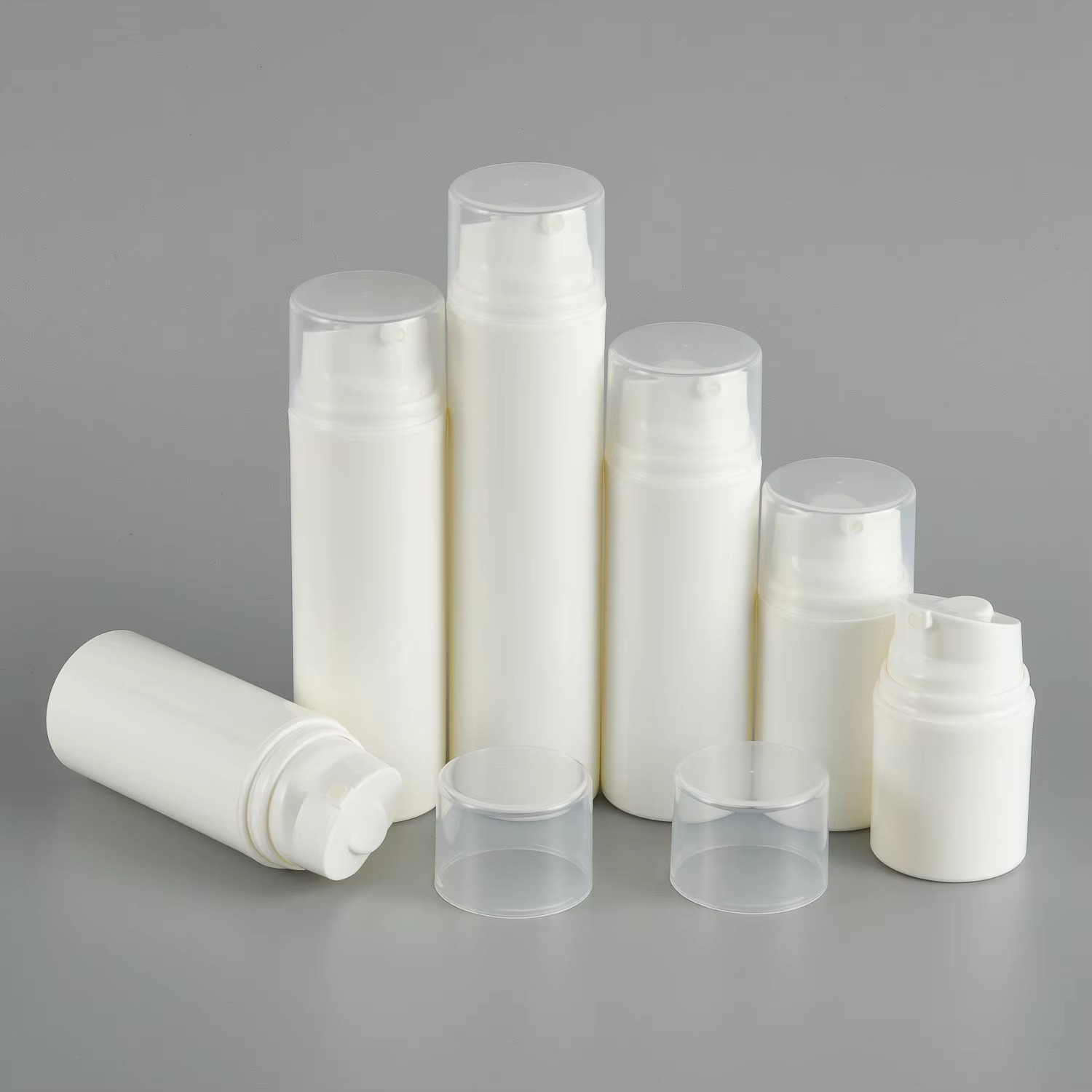
The foundation of effective airless bottle protection lies in its closed-loop delivery system. When you select an airless bottle for a sensitive formulation, you are investing in a container that isolates the product from atmospheric exposure throughout the entire lifecycle, from manufacturing through consumer use. This isolation prevents oxidation, microbial contamination, and cross-contamination that could compromise ingredient stability or product safety. The airless bottle design accommodates the specific needs of formulations that cannot tolerate traditional packaging methods, making it an industry standard for premium and clinically-active products.
Core Mechanisms That Protect Sensitive Formulations
Vacuum Pressure and Piston-Based Delivery
An airless bottle functions through a piston that moves upward as the product is dispensed, creating a vacuum that prevents air from entering the chamber. This airless bottle mechanism means that oxygen cannot degrade light-sensitive or oxidation-prone ingredients such as vitamin C, retinol, or peptide-based serums. The piston inside the airless bottle stays in contact with the product surface, eliminating the headspace where air could accumulate. For sensitive formulations containing unstable actives, this feature alone extends shelf life significantly and reduces the need for additional preservatives, which is particularly valuable for preservative-sensitive skin types.
Elimination of Air Contact During Dispensing
Traditional pump bottles introduce air with every dispense cycle, creating micro-oxidation events that compound over time. An airless bottle eliminates this problem by maintaining a sealed environment. When a consumer depresses the pump on an airless bottle, the piston rises in perfect synchronization, keeping the airspace at zero. Sensitive formulations that degrade rapidly upon air exposure benefit enormously from this feature, as each dose is extracted without compromising the remaining product. The airless bottle design also prevents product separation, ensuring consistent texture and efficacy throughout the product's lifespan.
Contamination Control Features Integrated Into Airless Bottle Design
Sealed Chamber Architecture
The sealed chamber of an airless bottle creates a barrier against external microbial contamination and particulate matter. Sensitive formulations often contain ingredients that support microbial growth or cannot tolerate antimicrobial preservatives at sufficient concentrations, making contamination prevention critical. An airless bottle's hermetic seal is achieved through precise machining of the piston, pump mechanism, and container walls. This airless bottle configuration meets or exceeds pharmaceutical-grade standards for sterility and is essential for formulations designed for compromised skin, post-procedure applications, or immunocompromised populations. The control of contamination risk through airless bottle design directly translates to reduced regulatory burden and improved product liability positioning.
Material Selection and Chemical Compatibility
An airless bottle is typically constructed from high-density polyethylene, polypropylene, or glass, each offering distinct advantages for sensitive formulations. The choice of material in an airless bottle impacts oxygen permeability, light protection, and chemical compatibility with active ingredients. For example, an airless bottle with amber or opaque walls protects photosensitive actives, while certain elastomers and gasket materials inside the airless bottle are selected to avoid leaching compounds that could react with sensitive ingredients. Formulators working with natural extracts, essential oils, or volatile compounds depend on the airless bottle's material specification to prevent interaction between packaging and formulation. This material consideration transforms an airless bottle from a simple container into an integral part of the stability profile.
Practical Implementation for Sensitive Product Ranges
Compatibility With Viscosity Ranges and Flow Characteristics
Sensitive formulations span a wide viscosity range, from fluid serums to thick creams and gels. An airless bottle adapts to these variations through adjustable pump stroke length and spring tension settings. A lighter formulation may require an airless bottle with a higher-flow pump mechanism, while a thick cream needs the robust piston action that an airless bottle provides to ensure reliable dispensing without product separation. The airless bottle design accommodates these needs without compromising the contamination control that makes airless technology valuable. Formulators can specify an airless bottle configuration that matches their product's exact rheology, ensuring both user experience and product protection remain optimal across the range.
Regulatory Alignment and Safety Documentation
An airless bottle meets stringent requirements for cosmetic, pharmaceutical, and nutraceutical applications due to its proven ability to control contamination and maintain product integrity. When a manufacturer chooses an airless bottle for a sensitive formulation, the packaging choice itself becomes part of the safety dossier, demonstrating commitment to product stability and consumer protection. Regulatory bodies recognize airless bottle technology as a best practice for sensitive applications, which can reduce approval timelines and simplify post-market surveillance documentation. The airless bottle design's inherent control of contamination and oxidation reduces the need for aggressive preservative systems or antioxidant overages, aligning packaging choice with regulatory preferences for minimal excipient burdens.
FAQ
Why is an airless bottle necessary for formulations containing vitamin C or retinoids?
Vitamin C and retinoids are highly susceptible to oxidation when exposed to air, which degrades their efficacy rapidly. An airless bottle eliminates oxygen contact entirely, allowing these sensitive actives to maintain their potency throughout the product's shelf life. Traditional containers cannot offer this level of protection, making an airless bottle the only viable packaging solution for high-concentration vitamin C or prescription-strength retinoid products. Without an airless bottle, manufacturers would need to reduce active concentrations or accept significantly shortened shelf life, either of which diminishes product value and consumer outcomes.
Can an airless bottle be used with all sensitive formulation types?
An airless bottle is compatible with most sensitive formulations, including serums, oils, creams, gels, and emulsions, provided the product viscosity falls within the design parameters of the selected airless bottle model. Some highly specialized formulations, such as those with suspended particles or extremely thick textures, may require custom airless bottle specifications. Generally, an airless bottle accommodates serums up to moderate-viscosity creams without difficulty. Formulators should confirm viscosity compatibility with airless bottle manufacturers to ensure reliable dispensing and full product recovery, as an airless bottle's efficiency depends on the product flowing smoothly through the pump mechanism.
How does an airless bottle reduce preservative requirements in sensitive formulations?
An airless bottle eliminates the primary pathway for microbial contamination by preventing water ingress and external microbial introduction. Since contamination risk is minimized, sensitive formulations packaged in an airless bottle can use lower preservative concentrations or preservative blends that would be insufficient in traditional containers. This airless bottle benefit is especially valuable for formulations designed for sensitive skin, as lower preservative levels reduce irritation risk. An airless bottle essentially replaces some of the preservative burden with physical barrier protection, creating formulations that are both safer and more tolerable for compromised skin conditions.