
 EN
EN



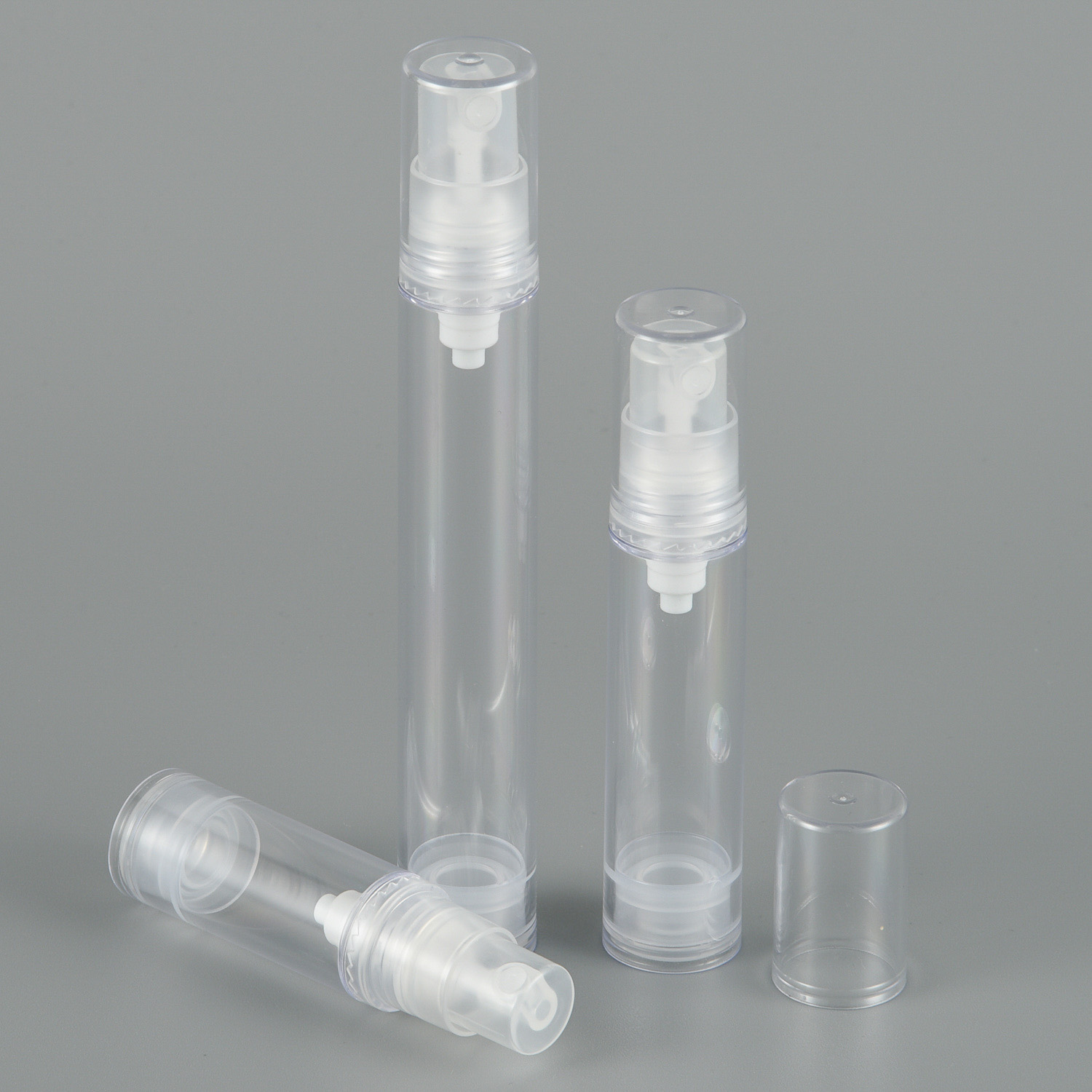
The performance of an airless bottle depends on far more than its exterior design or pump mechanism. At the heart of every reliable airless bottle lies a precisely engineered internal structure that governs how pressure is created, maintained, and balanced throughout the product's lifespan. Without this internal engineering, even the most visually appealing packaging will fail to deliver consistent dosing, product integrity, or consumer satisfaction. Understanding why internal structure matters is essential for cosmetic formulators, packaging engineers, and brand managers who depend on airless technology to protect and dispense sensitive formulations.
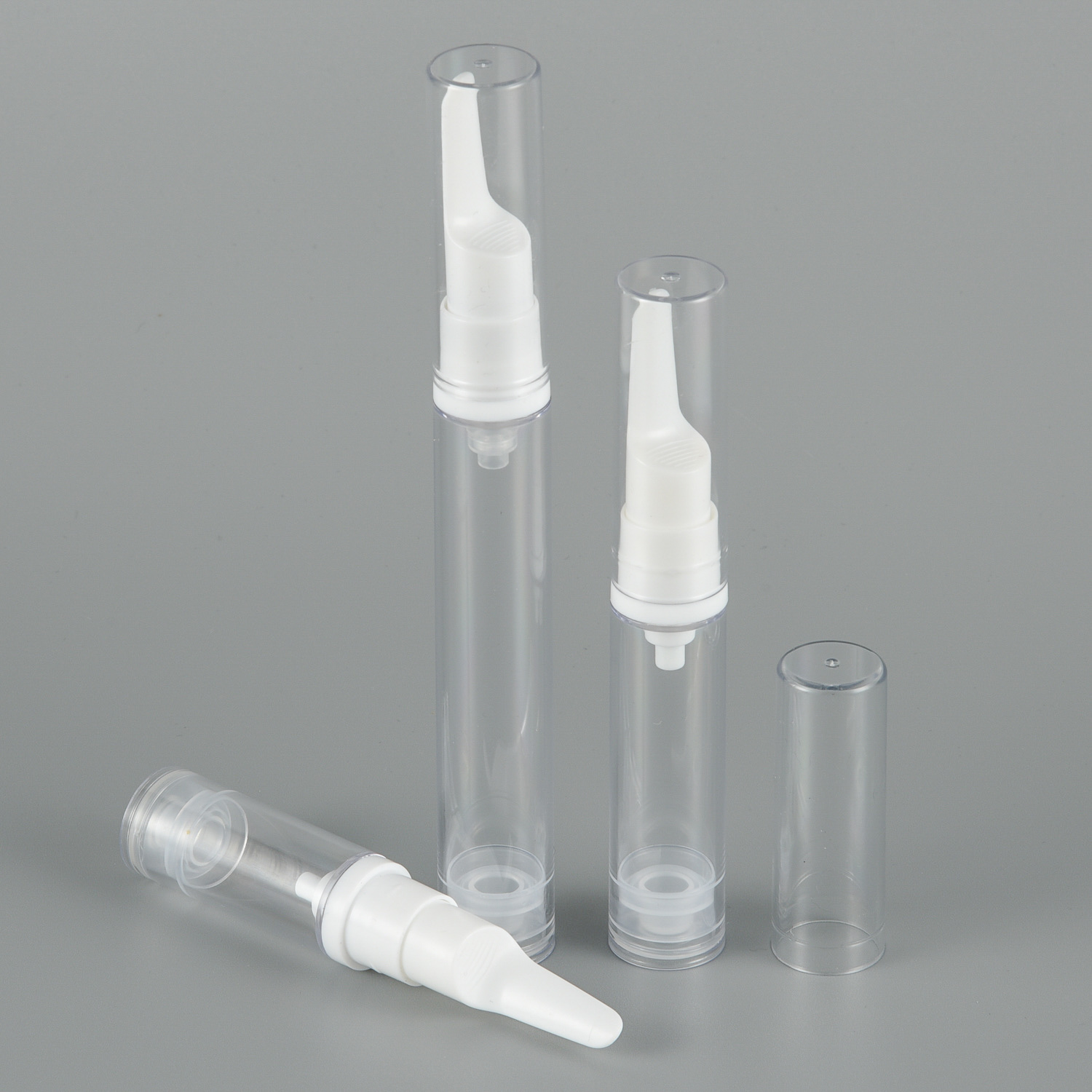
Pressure balance is not a passive characteristic of an airless bottle — it is an actively maintained state achieved through the coordinated interaction of internal components. When these components are properly designed and manufactured to precise tolerances, the airless bottle functions as intended: delivering product smoothly, preventing oxidation, and ensuring nearly complete evacuation of the formula. When internal structure is compromised or poorly engineered, the consequences range from inconsistent dispensing to full product spoilage. This article examines the mechanical reasons why internal structure is the defining factor in airless bottle pressure performance.
The Mechanical Foundation of Pressure Balance
How the Piston and Inner Wall Relationship Creates Pressure
The primary mechanism inside an airless bottle relies on a moving piston that travels upward as product is dispensed. This piston must form a near-perfect seal against the inner walls of the bottle container. The tightness of this fit determines whether the system can generate and sustain the upward pressure needed to push the formula toward the pump head. If the piston is too loose, air enters from below, disrupting the pressure differential that drives the dispensing mechanism.
The geometry of the inner wall is equally critical. A smooth, uniform cylindrical surface allows the piston to travel without friction spikes or hang-up points. Any irregularity in the inner wall — whether from molding defects, inconsistent wall thickness, or material warping — creates dead zones where pressure builds unevenly. In practice, this means consumers experience erratic pumping behavior, including spurting, skipping doses, or a sudden lock-up of the pump mechanism.
This relationship between piston and wall is one reason why high-quality airless bottle manufacturing demands strict mold tolerances. The internal diameter of the bottle and the outer diameter of the piston must be matched within very small margins. Even a fraction of a millimeter of deviation can compromise the pressure balance that the entire system depends on.
The Role of the Bottom Valve in Pressure Regulation
Most airless bottle designs incorporate a one-way valve at the base of the container. This valve allows a controlled amount of atmospheric air to enter beneath the piston as the product above is dispensed. The valve's function is to prevent the creation of a full vacuum beneath the piston, which would otherwise resist upward movement and make dispensing increasingly difficult as the bottle empties.
The precision of this bottom valve directly affects the pressure balance across the entire system. If the valve allows too much air ingress too quickly, the pressure differential collapses and the pump loses its driving force. If the valve is too restrictive, vacuum resistance builds below the piston, creating a counterforce that makes the pump feel stiff and unresponsive. A well-calibrated valve maintains a gentle equilibrium that supports smooth, consistent dispensing from the first use to the last.
From a design standpoint, the bottom valve must be integrated seamlessly into the base structure of the airless bottle. Its position, aperture size, and material must all be calculated relative to the expected viscosity of the formula and the intended pump stroke volume. This level of system thinking reinforces why internal structure cannot be considered in isolation — every element must work in concert to maintain pressure balance.
Internal Component Tolerances and Their Impact on Dispensing Consistency
Why Manufacturing Precision Defines Functional Reliability
An airless bottle is a closed mechanical system. Unlike open-neck jars or standard pump bottles, it relies entirely on its internal geometry to create and sustain the pressure conditions needed for dispensing. This means that variations in component dimensions — however small — have a disproportionate impact on functional performance. High-volume manufacturing environments must control tolerances at every stage of production to ensure that every unit performs identically.
The piston itself must be manufactured from materials with low creep and good memory characteristics, so that it maintains its sealing profile over repeated use cycles and under varying temperature conditions. If the piston material deforms under the sustained compression of extended product contact, the seal against the inner wall weakens, and pressure balance is compromised. This is why material selection for internal components of an airless bottle is inseparable from structural engineering decisions.
Assembly processes also matter. The piston must be inserted into the container at precisely the right position and angle. A canted or misaligned piston creates uneven pressure distribution across the sealing surface, leading to localized leakage paths. These paths allow both product migration and air intrusion, both of which destroy the functional integrity of the airless system.
Pump Chamber Geometry and Pressure Efficiency
Above the product reservoir, the pump chamber is where mechanical action converts piston-generated pressure into a controlled dose of dispensed formula. The internal geometry of this chamber — including the dip tube length, ball valve seating, and spring tension — must be precisely calibrated to the expected operating pressure delivered by the piston mechanism below. If the pump chamber is designed for a pressure range that the internal structure cannot reliably deliver, the system fails at the point of use.
The dip tube that connects the pump to the product reservoir must be the correct length to ensure it contacts the product surface as the piston rises. If it is too short, air pockets form above the remaining product and disrupt the pressure continuity needed for smooth pumping. If it is too long, it may buckle against the rising piston, creating a mechanical blockage. In a well-engineered airless bottle, the dip tube length is calculated relative to the expected piston travel distance for each fill volume.
Spring tension inside the pump head is another structural variable that connects directly to pressure balance. Too-light a spring returns the pump head too quickly and allows product suck-back into the chamber, creating air inclusion. Too-heavy a spring requires excessive user force and can overload the pressure generated by the piston, causing product to bypass the ball valve seat. The correct spring specification is determined by the internal pressure profile of the specific airless bottle configuration.
Formulation Viscosity and Structural Compatibility
How Internal Structure Must Match the Formula Being Packaged
An airless bottle does not function in a vacuum of its own internal physics — it must interface with the specific rheological properties of the formula it contains. High-viscosity creams, gels, and serums create significantly different internal pressure demands than low-viscosity liquids. The internal structure of the airless bottle must be engineered with the target formulation in mind to ensure that pressure balance is achievable across the full range of product temperatures and usage frequencies.
For high-viscosity formulas, the piston seal must generate greater upward force, which means the piston material, diameter, and wall contact geometry must all be optimized for higher load conditions. The pump orifice must also be sized to allow the thicker formula to flow without excessive resistance, which could create back-pressure that stalls the pump. Packaging engineers who select an airless bottle for a new formula must verify structural compatibility before committing to production tooling.
Low-viscosity formulas present a different challenge. Their tendency to flow freely means that even minor pressure imbalances — such as slight air entry past the piston — can cause product to migrate backward through the system. The internal structure must compensate for this by using tighter piston tolerances, more precisely calibrated bottom valves, and pump chambers designed to minimize dead volume. The airless bottle must be structurally tuned, not simply selected off a standard shelf.
Temperature Variation and Internal Pressure Stability
Products stored and used across a wide temperature range subject the internal structure of an airless bottle to significant dimensional variation. Polymeric components expand and contract with temperature changes, which can alter piston-to-wall clearances, change valve seat geometries, and modify spring tension characteristics. If the internal structure is not engineered with these thermal dynamics in mind, pressure balance may be reliable at room temperature but compromised in cold storage or warm retail environments.
Material selection for internal components must account for the coefficient of thermal expansion of each part and ensure that the assembled system maintains acceptable pressure balance across the expected temperature range. This is particularly important for airless bottle products destined for global distribution, where shipping containers and retail environments may expose packaging to temperature extremes that laboratory testing must anticipate and simulate.
Brands that deploy an airless bottle for premium skincare or pharmaceutical-adjacent applications have a special obligation to validate thermal performance. A product that dispenses perfectly at 23 degrees Celsius but fails in a cold bathroom or a sun-warmed handbag represents a structural engineering shortcoming, not a formulation problem. The internal architecture must deliver pressure balance across real-world conditions, not just controlled test scenarios.
Structural Integrity Over Product Lifespan
Fatigue, Wear, and Long-Term Pressure Performance
An airless bottle is used repeatedly over weeks or months, subjecting its internal components to thousands of mechanical cycles. The piston sealing surface undergoes repeated compression and release. The pump spring cycles between compression and extension with every dose. The ball valve opens and closes under alternating pressure gradients. Each of these micro-events contributes to cumulative wear that must be anticipated in the structural design phase.
Fatigue performance of the piston material is one of the most consequential structural considerations. As the material fatigues, its sealing force against the inner wall gradually decreases. This progressive reduction in sealing effectiveness translates directly into progressive degradation of pressure balance. The consumer experience shifts from smooth, consistent dispensing to increasing difficulty, air-locking, and ultimately complete pump failure before the product is emptied.
Engineers designing internal structures for airless bottle systems must specify materials and component geometries that maintain sealing performance through at least the expected usage cycle count — typically calculated from fill volume divided by intended dose size, multiplied by a safety factor. This ensures that the pressure balance maintained on day one of product use is still substantially intact on the final dose, protecting both brand reputation and consumer trust.
Product Evacuation Rate and Residual Volume
One of the most visible performance metrics of an airless bottle is how completely it evacuates the formula. An ideal airless bottle should deliver close to 100 percent of its fill volume to the consumer. In practice, the internal structure determines whether this standard is approached or whether significant residual product is trapped when the pump stops functioning. Structural factors that affect evacuation include piston travel distance relative to fill height, dip tube positioning, and the clearance between the piston surface and the bottom of the container.
When internal structural dimensions are poorly matched to the intended fill volume, the piston may reach its mechanical travel limit while product still remains above it. Alternatively, the dip tube may lose contact with the product surface before the piston has completed its travel, introducing air into the pump system and causing premature failure. Both scenarios leave usable product inaccessible, which is not only wasteful but represents a direct cost to consumers and a source of brand dissatisfaction.
Achieving high evacuation rates requires that the internal structure of the airless bottle be designed holistically — with every dimension, from fill height to piston travel range to dip tube terminus position — treated as an interdependent variable in the pressure balance equation. This systems-level thinking is what separates structurally optimized airless bottle designs from commodity packaging solutions.
FAQ
What happens to pressure balance when the internal piston in an airless bottle is misaligned?
A misaligned piston creates uneven contact between its sealing surface and the inner wall of the airless bottle. This uneven contact creates localized gaps through which air can enter the product zone and product can escape into the sub-piston space. The result is a rapid collapse of the pressure differential that drives dispensing. The pump may feel inconsistent, produce air-mixed output, or lock up entirely. Correcting this requires proper assembly processes and tight component tolerances from the start of production.
Why does an airless bottle sometimes dispense product unevenly as it empties?
Uneven dispensing as an airless bottle empties is often caused by progressive changes in the internal pressure balance. As the piston rises and product volume decreases, any minor structural imperfection — such as slight inner wall irregularities or bottom valve calibration drift — becomes proportionally more significant. Additionally, high-viscosity formulas may exhibit increased resistance to flow as the remaining volume shrinks and temperature effects on the formula become more pronounced. Structural optimization of the bottle interior, particularly the bottom valve and piston seal geometry, reduces these effects significantly.
How does internal structure affect the shelf life of products in an airless bottle?
The internal structure of an airless bottle is the primary barrier against oxidative degradation of the formula. When the structure maintains perfect pressure balance and an intact piston seal, air is excluded from the product zone entirely. This exclusion preserves sensitive active ingredients — such as vitamins, peptides, and antioxidants — far longer than conventional packaging allows. If the internal structure fails and air infiltrates the product chamber, oxidation begins, reducing efficacy and potentially altering the formula's color, texture, and safety profile.
Can the internal structure of an airless bottle be adapted for different formula viscosities?
Yes, the internal structure of an airless bottle can and should be adapted when the target formula viscosity changes significantly. Key structural variables including piston seal hardness, bottom valve aperture size, pump spring tension, and orifice diameter can all be adjusted to optimize pressure balance for a specific viscosity range. However, these adjustments require systematic engineering evaluation rather than ad hoc component swapping. Packaging developers should conduct dispensing performance testing across the expected temperature and viscosity ranges before finalizing the internal structure specification for any new formula application.
Table of Contents
- The Mechanical Foundation of Pressure Balance
- Internal Component Tolerances and Their Impact on Dispensing Consistency
- Formulation Viscosity and Structural Compatibility
- Structural Integrity Over Product Lifespan
-
FAQ
- What happens to pressure balance when the internal piston in an airless bottle is misaligned?
- Why does an airless bottle sometimes dispense product unevenly as it empties?
- How does internal structure affect the shelf life of products in an airless bottle?
- Can the internal structure of an airless bottle be adapted for different formula viscosities?