
 EN
EN



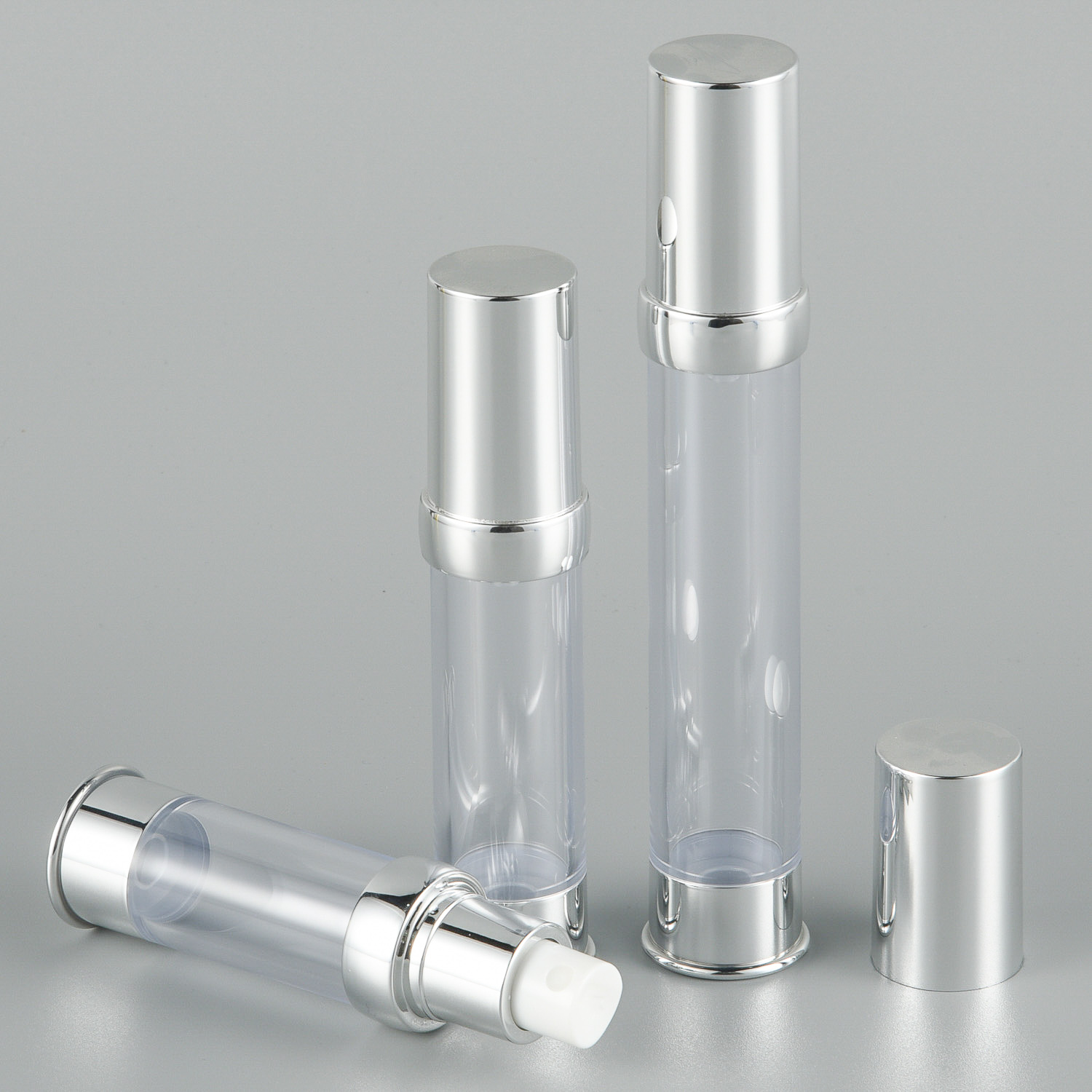
In the world of cosmetic and pharmaceutical packaging, contamination control is not a secondary consideration — it is a fundamental requirement. When a formulation contains active ingredients that degrade upon contact with air, light, or microbial exposure, the packaging system must do more than simply hold the product. It must actively protect it from the moment of filling to the final pump of use. The airless bottle has emerged as one of the most technically capable solutions for meeting these demands, particularly for sensitive formulations that require strict contamination control throughout their shelf life.
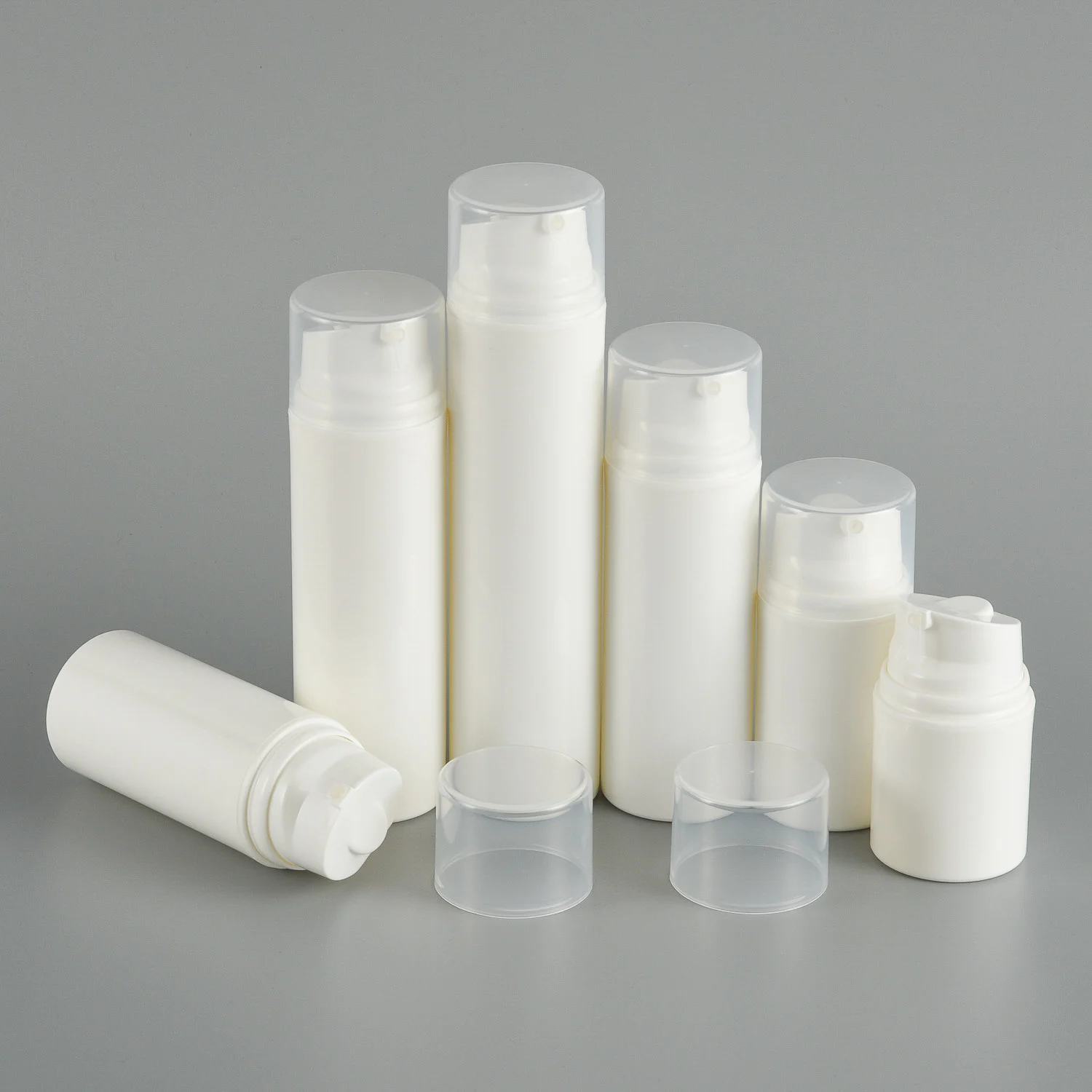
Understanding how an airless bottle adapts to sensitive formulations begins with understanding what makes those formulations vulnerable in the first place. Products such as vitamin C serums, retinol creams, peptide-based treatments, probiotic blends, and preservative-free moisturizers all share a common challenge: their active components react negatively when exposed to oxygen, bacteria, or repeated handling. The airless bottle addresses these vulnerabilities through its unique mechanical design, which eliminates the entry of outside air into the product reservoir during dispensing. This fundamental difference in operation sets it apart from conventional pump or jar-style packaging and makes it the preferred choice for formulators, cosmetic chemists, and brand developers working with high-integrity products.
The Mechanism Behind Airless Bottle Performance
How the Piston-Driven System Works
The core technology of an airless bottle relies on a vacuum-based piston mechanism rather than a dip tube system. Inside the bottle, a movable disc or piston sits below the product and rises as the product is dispensed. When the pump is pressed, the piston moves upward, pushing the formulation toward the pump outlet without introducing any external air into the container. This process creates a sealed, controlled environment for the product from the first use to the last drop.
This mechanism is fundamentally different from a conventional pump bottle that draws product through a dip tube while allowing air to re-enter the bottle from below. With a standard bottle, each pump cycle creates a vacuum that pulls air back in to replace the dispensed volume. That incoming air carries oxygen, humidity, and potential airborne contaminants — all of which can compromise sensitive active ingredients over time. The airless bottle eliminates this exchange entirely, which is why it is specifically designed for contamination-sensitive applications.
The piston system also ensures that the product is evacuated in a consistent, controlled manner. As the piston rises and reduces the internal reservoir volume, the formulation is dispensed with each actuation. This design means that the product inside an airless bottle is never sitting in a space that is being progressively contaminated by repeated air exposure. For chemists formulating without traditional preservatives, this mechanical protection replaces much of what chemical preservatives would otherwise need to do.
The Role of the Sealed Pump Assembly
The pump head of an airless bottle is engineered with a one-way valve system that prevents backflow of dispensed product and blocks the entry of outside air through the nozzle. After each pump actuation, the valve closes completely, sealing the pathway between the dispensing nozzle and the product chamber. This dual-direction sealing capability is critical for maintaining the integrity of the formulation between uses.
For sensitive formulations, this design has a direct and measurable impact on stability. Products that would ordinarily oxidize within weeks when stored in open-air containers maintain their efficacy significantly longer when housed in an airless bottle. The sealed pump assembly ensures that no ambient oxygen enters the system during storage, during use, or during the period between uses, which is often when contamination events occur in conventional packaging.
The materials used in pump assembly components are also carefully selected for chemical compatibility. Polypropylene and certain grades of polyethylene are commonly used because they resist reacting with acidic, alkaline, or volatile formulations. This compatibility further ensures that the airless bottle does not introduce contaminants into the product through material degradation or interaction — a concern that is especially relevant for formulations with extreme pH levels or high concentrations of active ingredients.
Contamination Control for Preservative-Free and Natural Formulations
Why Preservative-Free Products Need Airless Packaging
The clean beauty and natural cosmetics market has driven significant demand for preservative-free formulations. Consumers are increasingly seeking products that exclude parabens, phenoxyethanol, and other synthetic preservatives. However, removing these ingredients without compromising product safety requires that the packaging itself take on a greater protective role. This is precisely where the airless bottle becomes indispensable.
Without chemical preservatives to inhibit microbial growth, a preservative-free formulation is highly vulnerable to contamination from bacteria and mold. Every time a consumer opens a jar or presses a conventional pump, there is potential for microbial ingress. The airless bottle mitigates this risk by ensuring that the user never makes direct contact with the product reservoir and that no outside air circulates through the product chamber. The result is a packaging system that provides passive microbial protection purely through its mechanical design.
This protective function allows formulators to reduce or eliminate traditional preservative systems without compromising the product's safety or shelf life. For brands building product lines around clean, minimal, or 'free-from' ingredient claims, the airless bottle is not just a packaging preference — it is a formulation strategy that makes those claims possible and credible to the market.
Protection of Oxidation-Sensitive Actives
Many of today's most commercially important cosmetic actives are highly susceptible to oxidation. Vitamin C in its ascorbic acid form, retinoids, niacinamide blends, and certain peptide structures all begin to degrade when exposed to atmospheric oxygen. This degradation is not always visible to the eye, but it reduces the concentration of active ingredients and can generate byproducts that irritate the skin or alter the product's sensory profile. The airless bottle directly addresses this vulnerability by keeping the formulation in an oxygen-minimized environment throughout its usable life.
When a brand chooses an airless bottle for a vitamin C serum or retinol treatment, the packaging decision directly supports the product's performance claims. A serum that promises a 20% active concentration at the point of purchase should deliver that same concentration at the point of use, weeks or months later. Conventional packaging cannot reliably guarantee this outcome for highly reactive ingredients, but the airless bottle is specifically designed to do exactly that.
Formulators often reduce antioxidant stabilizers in their formulas when they know the product will be packaged in an airless bottle, because the packaging reduces the oxidative burden on the formula. This allows for cleaner ingredient decks, lower formulation costs, and higher confidence in stability testing outcomes — all of which are meaningful business advantages for cosmetic and personal care brands.
Material Compatibility and Formulation Safety
Selecting the Right Bottle Material for Sensitive Formulas
An airless bottle is manufactured using a range of materials, including polypropylene, ABS plastic, PETG, and in some applications, glass or aluminum-lined components. The choice of material matters enormously when the formulation contains aggressive actives, essential oils, alcohol-based ingredients, or pH-extreme compounds. Material incompatibility can cause leaching of plasticizers, discoloration of the product, or structural degradation of the bottle itself — all of which are unacceptable outcomes in sensitive formulation contexts.
Responsible packaging selection for sensitive formulas begins with compatibility testing between the formulation and the proposed airless bottle materials. This typically involves filling the bottle with the product under representative conditions and then evaluating the system at elevated temperatures over a defined time period. Any evidence of component migration, product discoloration, viscosity change, or pump malfunction signals a compatibility problem that must be resolved before commercial launch.
Manufacturers of high-quality airless bottles provide detailed material data sheets that allow formulators to screen packaging options before conducting full compatibility studies. This upfront information sharing shortens the development timeline and reduces the risk of late-stage packaging failures. When brands treat the airless bottle as an integral part of the formulation system rather than an afterthought, they achieve far better outcomes in both stability and consumer experience.
Inner Surface Finish and Product Residue Control
The inner surface characteristics of an airless bottle influence both contamination control and product evacuation efficiency. Smooth interior surfaces minimize the adhesion of product residue, which would otherwise become a site for microbial growth or oxidation over time. Well-engineered airless bottles are designed with a geometry that allows the piston to make close contact with the interior walls, ensuring that very little product is left behind as the bottle empties.
High product evacuation efficiency is also a practical contamination control measure. When a large volume of product remains stranded in the bottom of the container, it has prolonged exposure to whatever environmental conditions exist at that interface. By minimizing residual product through efficient piston travel, the airless bottle reduces the opportunity for degradation or contamination to affect the unused portion. This is a functional design advantage that has direct implications for the quality and safety of sensitive formulations.
For formulators working with thicker creams, emulsions, or gel-based products, the viscosity of the formulation must be considered alongside the bottle's internal geometry and piston tolerance. An airless bottle that performs optimally with thin serums may struggle with dense creams if the pump spring tension and valve design are not appropriately matched. Packaging engineers and formulation scientists should collaborate early in the development process to ensure that the selected airless bottle system is mechanically compatible with the target formulation viscosity.
Application Scenarios Where Airless Bottle Technology Delivers the Greatest Value
Clinical Skincare and Dermocosmetic Products
Clinical skincare brands operating in the dermocosmetic space face particularly strict requirements around contamination control. Products positioned for use on compromised, sensitized, or post-procedure skin must meet higher standards of microbiological safety than standard consumer cosmetics. For these applications, the airless bottle provides a level of protection that aligns with the clinical positioning of the brand and the vulnerability of the target consumer.
Post-procedure recovery creams, rosacea management serums, eczema barrier formulas, and hyperpigmentation treatments all belong to product categories where the tolerance for contamination is extremely low. In these contexts, an airless bottle is not simply a premium packaging choice — it is a requirement driven by product safety considerations. Brands that supply to dermatology clinics, medical spas, or hospital retail environments often find that the airless bottle is expected by their professional customers as a baseline standard.
The professional perception of an airless bottle also contributes to the brand's authority in clinical settings. When a practitioner recommends a product to a patient, the packaging must reinforce the message that the product is hygienic, stable, and professionally formulated. The airless bottle communicates these qualities through its design, its dosing precision, and its visible resistance to contamination — all of which matter to the practitioner-patient relationship.
Pharmaceutical Topicals and Regulated Cosmetics
Beyond traditional cosmetics, the airless bottle finds important application in pharmaceutical topical products where regulatory expectations for contamination control are codified in official standards. Topical drug products, medicated creams, and over-the-counter treatments that contain active pharmaceutical ingredients are subject to strict packaging validation requirements that an airless bottle is well-positioned to meet.
In regulated pharmaceutical contexts, the airless bottle must be validated as a container-closure system, demonstrating that it maintains the integrity of the product under defined stress conditions. This validation process encompasses microbial ingress testing, container integrity testing, extractables and leachables profiling, and functional pump performance testing. The mechanical design of the airless bottle, with its sealed piston chamber and one-way valve assembly, provides a strong foundation for passing these rigorous evaluations.
Brands operating in regulated markets benefit from working with packaging suppliers who have experience providing airless bottle systems with documentation packages suited for regulatory submissions. Having complete material traceability, component specifications, and test data available for a given airless bottle model significantly reduces the burden of packaging validation and accelerates the path to market for pharmaceutical topical products.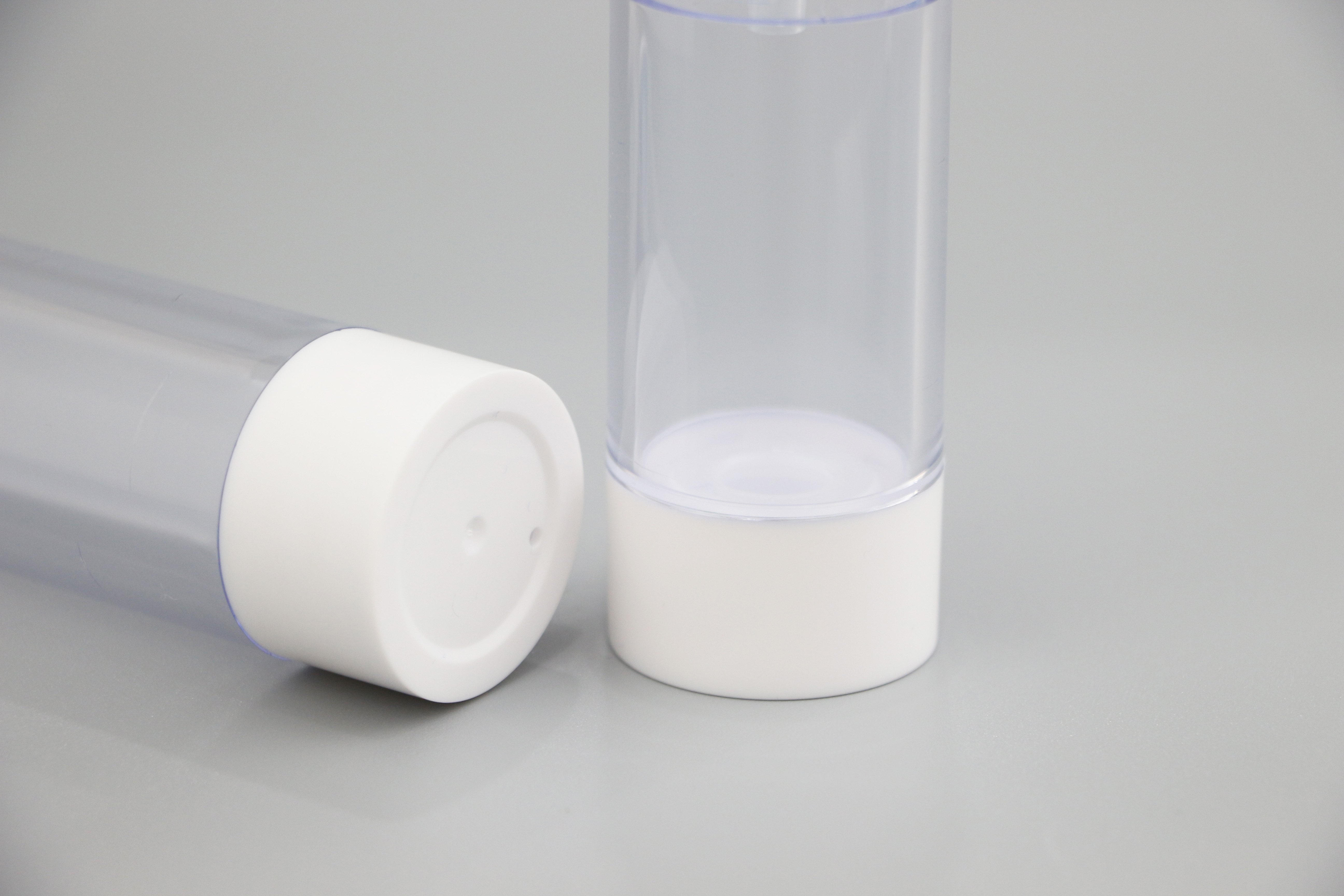
FAQ
What types of formulations benefit most from an airless bottle?
Formulations that benefit most from an airless bottle include those containing oxidation-sensitive actives such as vitamin C, retinol, and peptides, as well as preservative-free products, natural cosmetics, clinical skincare treatments, and pharmaceutical topicals. Any formulation where contamination from air, moisture, or repeated handling poses a stability or safety risk is a strong candidate for airless bottle packaging.
Does an airless bottle completely eliminate the risk of contamination?
An airless bottle substantially reduces the risk of contamination by preventing air ingress and minimizing user contact with the product reservoir, but it does not eliminate all contamination risk entirely. Proper filling practices, appropriate material selection, and compatibility testing remain essential complementary measures. The airless bottle is most effective as part of a comprehensive contamination control strategy that begins at the formulation stage.
How does the airless bottle handle thick or high-viscosity formulations?
An airless bottle can be engineered to accommodate a range of viscosities, but the pump spring tension, valve design, and nozzle orifice must all be appropriately matched to the specific formulation. Very thick creams or dense balms may require modified pump assemblies or wider dispensing channels. Early collaboration between packaging engineers and formulators is the best way to ensure that the selected airless bottle performs reliably with high-viscosity products.
Is an airless bottle suitable for pharmaceutical packaging applications?
Yes, an airless bottle is used in pharmaceutical topical packaging and can be validated as a container-closure system under regulatory guidelines. It is important to work with suppliers who can provide full material documentation, extractables and leachables data, and container integrity test results. These documents support the packaging validation process required for pharmaceutical regulatory submissions and help ensure compliance with applicable standards.