
 EN
EN



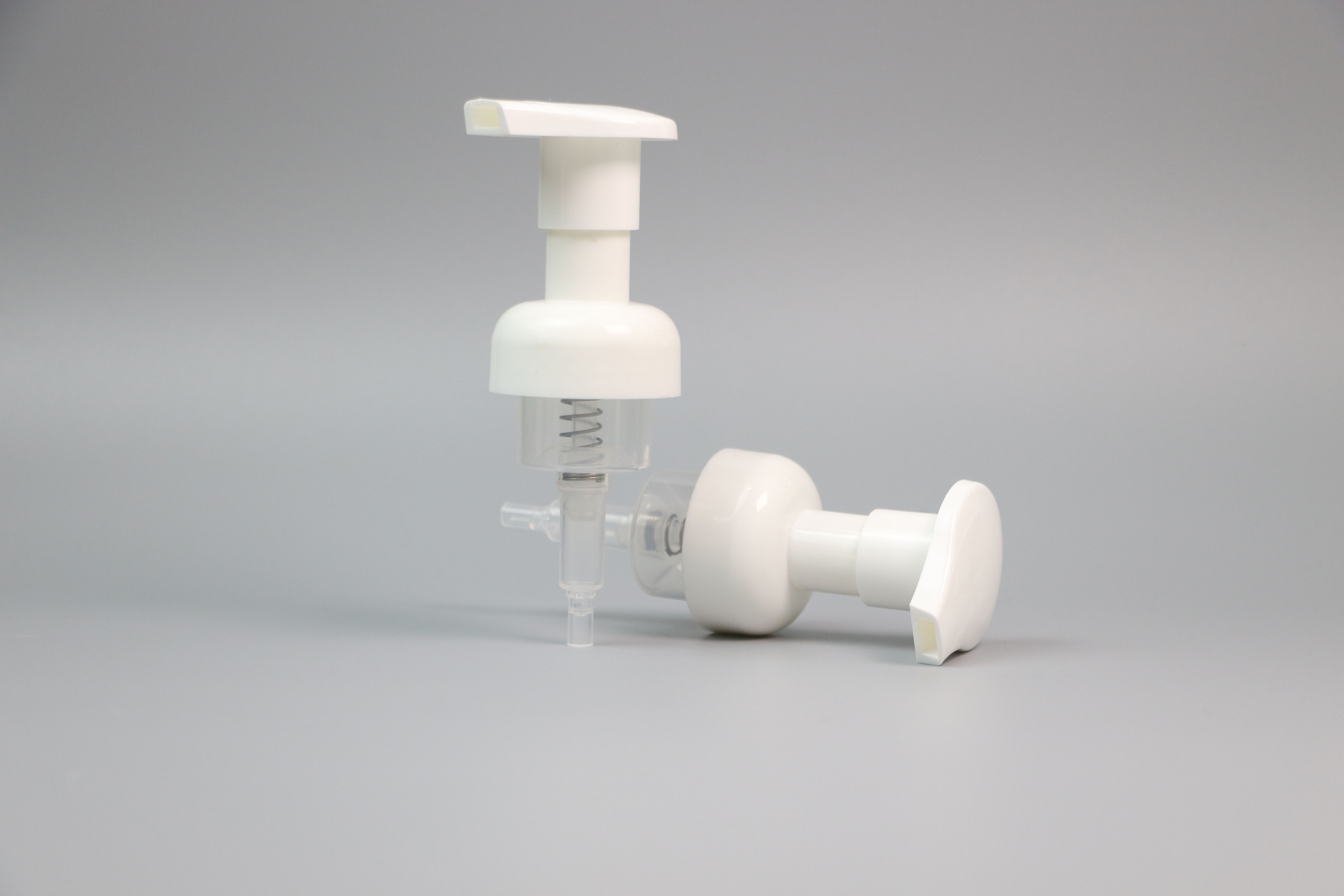
The quality of foam produced by a foam pump directly impacts user experience, product efficacy, and overall satisfaction with cleaning or personal care applications. Understanding the factors that influence foam pump density and texture is essential for manufacturers, product developers, and end-users who want to optimize their dispensing systems. Foam pump performance depends on a complex interplay of chemical, mechanical, and design factors that work together to create the ideal foam consistency, bubble size, and stability that consumers expect from modern dispensing solutions.
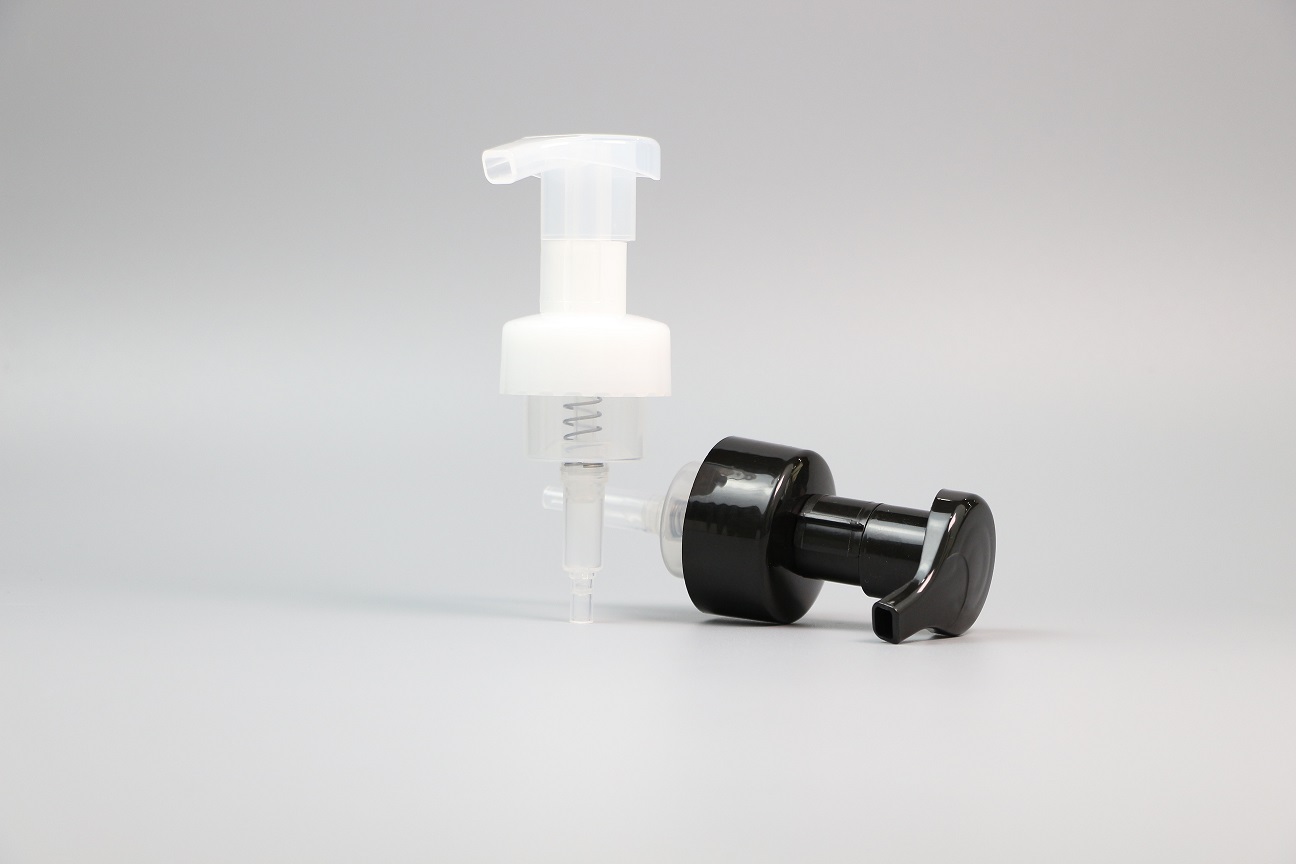
The characteristics of foam produced by a foam pump are not random or accidental—they result from deliberate design choices, formulation decisions, and system engineering. When a foam pump is used in a cleaning product, personal care item, or industrial application, the resulting foam's density and texture determine how effectively the product performs and how pleasant the user experience becomes. By examining the primary drivers behind foam pump density and texture variation, businesses and consumers can make more informed decisions about which foam pump systems best suit their specific needs.
Liquid Formulation and Chemical Composition
Role of Surfactants in Foam Pump Performance
Surfactants are the foundation of any foam-generating liquid used in a foam pump system. These molecules reduce surface tension between air and liquid, allowing air to be trapped more easily within the formulation. The type, concentration, and chemical structure of surfactants directly determine how stable the foam becomes and how dense it will be when produced by a foam pump. Anionic surfactants, cationic surfactants, and amphoteric surfactants each behave differently when incorporated into a foam pump, creating variations in bubble formation and foam texture that influence the final product quality.
Higher surfactant concentrations generally produce denser foam from a foam pump, but excessive concentrations can lead to overly rigid bubbles that feel unpleasant and break down too quickly. The molecular weight and hydrophobic-hydrophilic balance of surfactants also affect how a foam pump converts liquid into foam. When formulating a product for use with a foam pump dispenser, manufacturers must carefully balance surfactant levels to achieve the desired density without creating foam that feels waxy or leaves residue on skin or surfaces.
Water Content and Liquid Viscosity
The proportion of water in a formulation used with a foam pump dramatically affects the final foam characteristics. Water acts as a carrier that reduces the overall viscosity of the product, allowing a foam pump to aerate the liquid more easily and produce lighter, airier foam. Products with lower water content create denser, more compact foam when dispensed through a foam pump, while high water-content formulations tend to produce lighter, more voluminous foam structures.
Viscosity—the thickness or resistance to flow—plays a crucial role in how a foam pump performs. Thicker liquids require more mechanical force from the foam pump to aerate, potentially resulting in smaller, more tightly packed bubbles and denser foam texture. Conversely, thin, low-viscosity liquids flow through a foam pump more easily, allowing for larger bubble formation and lighter foam density. Manufacturers formulating products for use with a foam pump must consider the optimal viscosity range that balances ease of dispensing with desired foam characteristics.
Foam Pump Design and Mechanical Features
Nozzle Design and Air Incorporation Mechanism
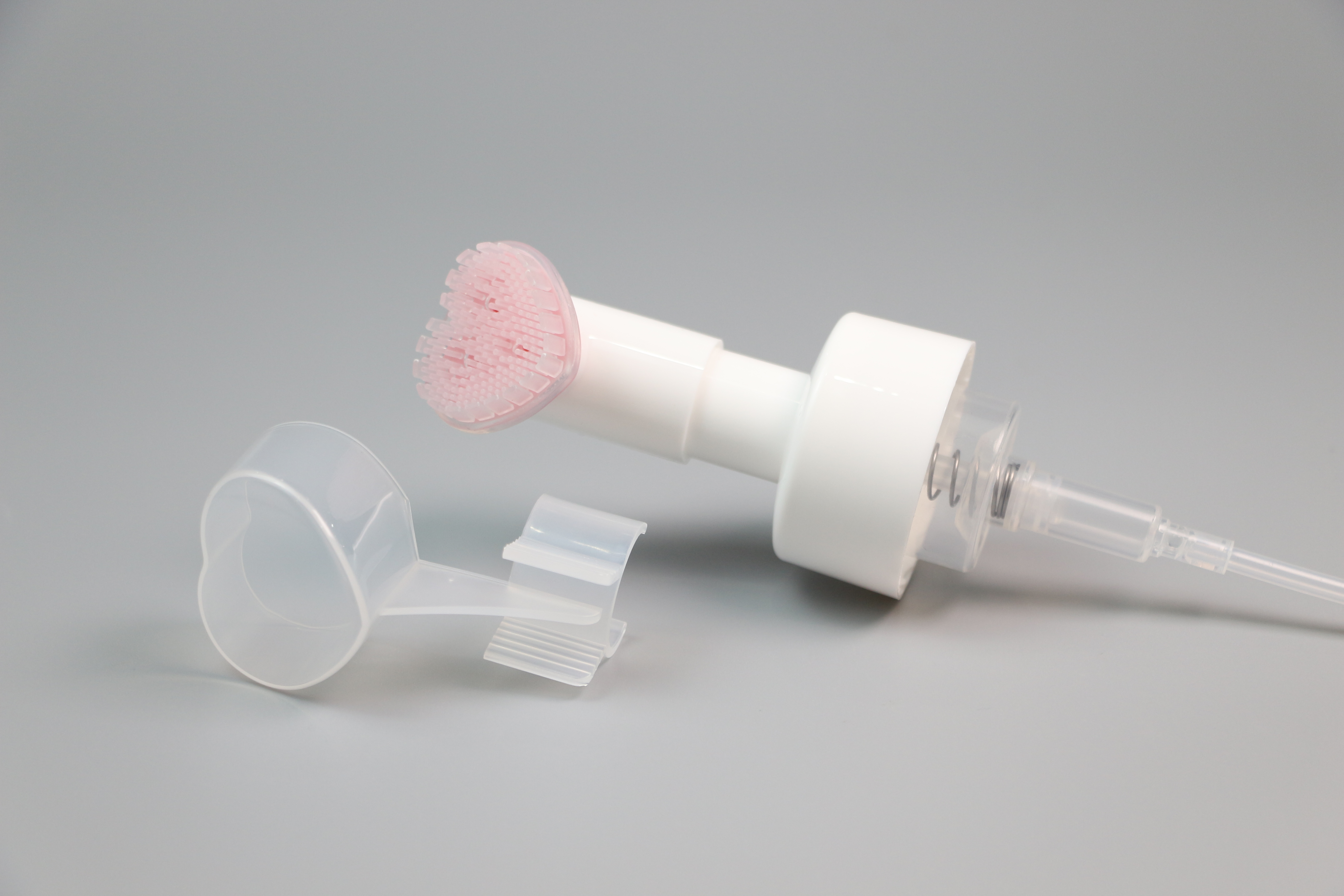
The nozzle of a foam pump is where liquid transforms into foam, making it a critical component that directly influences foam density and texture. The mesh screen or perforations in the nozzle of a foam pump control how much air gets incorporated into the liquid during the dispensing stroke. A fine mesh nozzle in a foam pump creates smaller, more numerous contact points where air enters the liquid, resulting in finer, denser foam with smaller bubble sizes. A coarser mesh or larger perforations in a foam pump nozzle allow more air to incorporate rapidly, producing larger bubbles and lighter, airier foam.
The specific design geometry of the foam pump nozzle also affects flow dynamics and air entrainment efficiency. When a foam pump is triggered, the liquid must travel through the nozzle at a speed that creates turbulence and shear forces capable of breaking the liquid stream into bubbles. The path the liquid takes through the nozzle of a foam pump, combined with the depth and shape of any internal channels, influences how effectively air mixes with the product and how uniform the resulting foam texture becomes. Premium foam pump designs engineer these features to achieve consistent, high-quality foam output with every use.
Chamber Volume and Compression Stroke
The internal chamber of a foam pump and the length of its compression stroke determine how much air gets drawn into the system during the dispensing cycle. A larger foam pump chamber with a longer stroke pulls more air into the mixing zone, which can increase foam volume and reduce density if other factors remain constant. A smaller foam pump chamber with a shorter stroke produces less air incorporation, resulting in denser, more compact foam with fewer, smaller bubbles.
The pressure generated during the compression stroke of a foam pump also affects foam characteristics. Higher pressure forces liquid through the nozzle at greater velocity, which can create finer foam texture with smaller, more uniform bubble sizes. Lower pressure from a foam pump results in slower liquid flow and potentially less efficient air incorporation, though this may sometimes produce the desired effect depending on the specific application and consumer preference. The engineering of a foam pump's internal mechanism directly translates to measurable differences in the foam it produces.
Environmental and Usage Variables
Temperature Effects on Foam Pump Output
Temperature significantly influences how a foam pump dispenses and what characteristics the resulting foam exhibits. Warmer liquids have lower viscosity and surface tension properties, which can lead to faster air incorporation and lighter foam density when using a foam pump. Conversely, cooler temperatures increase liquid viscosity and surface tension, potentially producing denser foam from the same foam pump when the same formulation is used at different temperatures.
Ambient temperature also affects the stability of foam produced by a foam pump after it has been dispensed. Foam bubbles formed at warmer temperatures may collapse more quickly because the reduced surface tension provides less structural support for the air-liquid interface. Understanding how temperature variations impact foam pump performance is essential for products used in different climates or seasonal conditions, ensuring consistent quality year-round.
Storage Time and Product Aging
Products formulated for use with a foam pump can change over time during storage, affecting how the foam pump performs and what foam characteristics it produces. Surfactants may partially degrade, water can evaporate slightly from open containers, and the liquid's chemical composition may shift, all of which alter the density and texture of foam generated by a foam pump. Properly sealed storage conditions help maintain the consistency of a foam pump formulation, ensuring that the product performs the same way whether used shortly after manufacture or several months later.
The relationship between storage conditions and foam pump performance highlights the importance of maintaining proper handling and storage protocols throughout the product's lifecycle. When a foam pump product is stored at extreme temperatures, exposed to direct sunlight, or kept in poorly sealed containers, the resulting changes in the formulation can make the foam pump produce noticeably different foam texture and density than expected, potentially disappointing consumers and damaging brand reputation.
FAQ
How does the mesh size in a foam pump nozzle affect foam texture?
The mesh size in a foam pump nozzle directly determines bubble formation characteristics. A finer mesh in a foam pump creates smaller, more uniform bubbles and denser foam, while a coarser mesh produces larger bubbles and lighter, airier foam. The mesh design is one of the most controllable factors affecting foam pump texture, making it a key consideration for product developers.
Can changing the viscosity of a liquid improve how a foam pump performs?
Yes, adjusting the viscosity of a liquid can significantly improve foam pump performance. Thinner liquids flow more easily through a foam pump, allowing for lighter foam production, while thicker liquids require more effort to dispense but may produce denser foam. Finding the optimal viscosity range for your specific foam pump design and application ensures both user satisfaction and consistent foam quality.
Why does temperature affect the foam produced by a foam pump?
Temperature affects foam pump output because it changes the physical properties of the liquid being dispensed. Warmer temperatures reduce viscosity and surface tension, causing faster air incorporation and lighter foam. Cooler temperatures increase viscosity and surface tension, potentially producing denser foam. Temperature stability during storage and use helps maintain consistent foam pump performance throughout the product's shelf life.