
 EN
EN



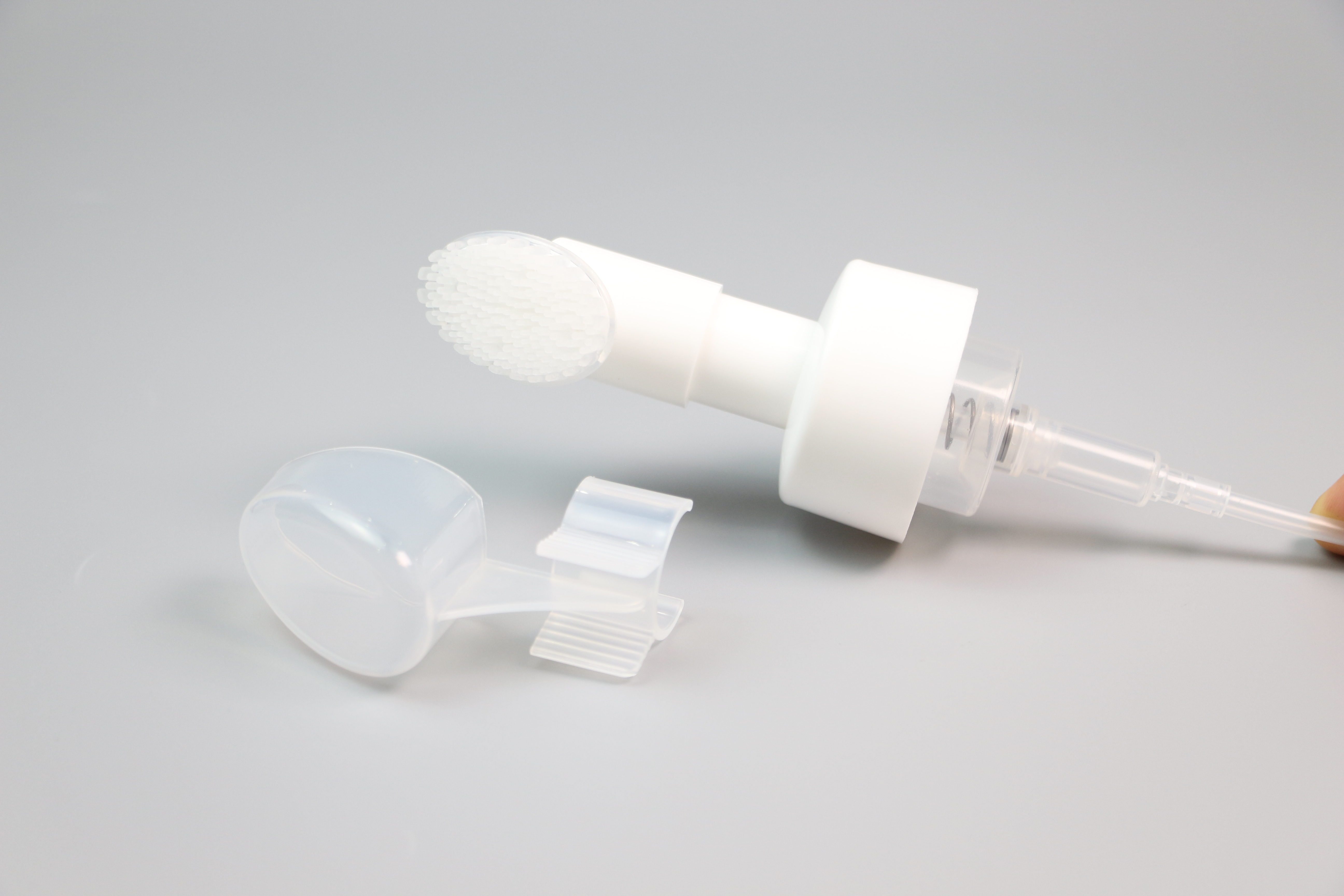
The efficiency of any foam pump depends fundamentally on its internal structure and design architecture. A properly engineered foam pump converts liquid cleaners into stable foam through a carefully orchestrated process that maximizes air incorporation while maintaining consistent output. Understanding how foam pump mechanics work reveals why structural optimization directly impacts cleaning performance, product consumption rates, and overall operational effectiveness in industrial and household cleaning applications.
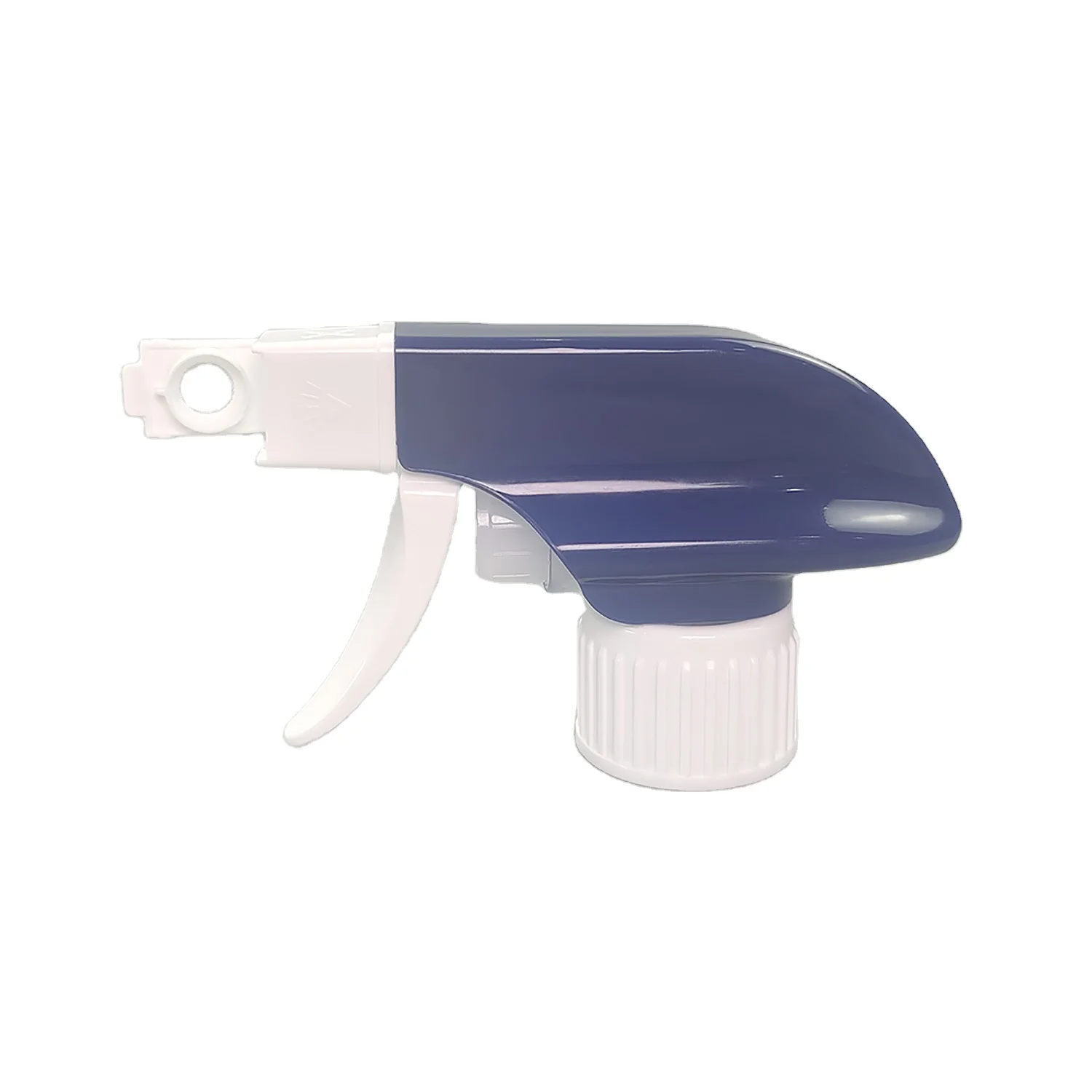
The structural components of a foam pump work together as an integrated system that converts liquid into aerated foam at the point of spray delivery. Each element, from the internal chamber design to the nozzle configuration, plays a critical role in the conversion efficiency. This article explores the key structural features that define modern foam pump performance and explains how these design elements translate into tangible improvements in cleaning efficiency and user satisfaction.
Core Structural Components of Foam Pump Design
Pumping Chamber Architecture
The heart of any effective foam pump lies in its pumping chamber design. This chamber must balance liquid intake, air incorporation, and foam generation with each stroke. A foam pump with an optimized chamber includes internal baffles and separation zones that enable precise control over the air-to-liquid ratio. The chamber's volume and shape directly influence how much foam can be generated per pump action, making structural design a fundamental determinant of foam pump efficiency. Larger chambers create more foam per stroke, while smaller chambers offer finer control and less waste.
Valve and Intake System
The valve mechanism in a foam pump controls how liquid flows into the chamber during compression and how air enters during the expansion phase. A well-designed foam pump valve system ensures one-way flow, preventing backflow and maintaining pressure consistency. The intake tube extends into the liquid reservoir, and its diameter and perforations directly affect how quickly the foam pump fills and how uniformly it distributes liquid into the aeration chamber. Structural refinements in the intake design reduce air locks and ensure reliable priming, which is essential for consistent foam pump performance from the first stroke through extended use.
Aeration Mechanisms in Foam Pump Operation
Air Injection and Mixing Chambers
The conversion of liquid into foam requires controlled air injection, and this is where the foam pump's internal structure becomes truly critical. Advanced foam pump designs include dedicated aeration chambers where liquid and air meet and mix in precise proportions. The structural geometry of these chambers determines mixing efficiency and foam stability. A foam pump that incorporates swirl chambers or helical pathways can enhance air incorporation and create more uniform foam bubbles. These design features ensure that the foam pump delivers consistent foam density across multiple uses and varying environmental conditions.
Nozzle Configuration and Foam Generation
The nozzle is where the foam pump's structural advantages culminate in final product delivery. A foam pump with an integrated mesh screen or porous structure at the nozzle creates additional aeration points. The mesh design in a high-performance foam pump causes the liquid-air mixture to break into finer bubbles, producing stable, voluminous foam. The orifice size and internal channel design within the foam pump nozzle regulate discharge pressure and foam texture, enabling users to achieve the desired foam consistency for specific cleaning tasks.
Performance Benefits Derived from Optimized Structure
Efficiency Gains Through Structural Design
A foam pump optimized for efficiency reduces the volume of liquid required to cover a given surface area. By maximizing the air content in the foam output, the foam pump stretches cleaning solution further while maintaining effective contact with soiled surfaces. Structural improvements in foam pump design also reduce hand strain by requiring fewer pump strokes to achieve desired foam coverage. The net result is that users employ less raw product per cleaning session, lowering both material costs and consumption rates. These efficiency gains are directly traceable to careful structural engineering of the foam pump's internal pathways and mixing zones.
Consistency and Reliability
The structural robustness of a foam pump determines its longevity and consistent performance over thousands of pump cycles. Materials selection and structural reinforcement prevent wear, valve degradation, and seal failure that compromise foam pump output quality. A well-engineered foam pump maintains consistent foam density throughout its operational life, resisting the performance decline common in poorly designed alternatives. Structural durability also ensures that the foam pump remains primed and ready for immediate use, even after extended storage periods, because the internal seal design prevents liquid evaporation and air intrusion. This reliability translates directly into user confidence and repeated satisfaction with foam pump performance.
Adaptability to Different Liquid Formulations
The structural flexibility of modern foam pump designs allows them to accommodate various cleaning formulations with differing viscosities and surface tensions. The foam pump's internal chamber size, valve resistance, and nozzle design can be calibrated to work effectively with thick concentrates, diluted solutions, and specialty cleaners. This structural versatility means a single foam pump can serve multiple cleaning applications without requiring recalibration or replacement. The ability to adjust foam pump output characteristics across different liquid types reflects advanced structural engineering that considers fluid dynamics and material properties.
Manufacturing Considerations for Foam Pump Efficiency
Material Selection and Precision Tolerances
The materials used in foam pump construction directly impact both performance and durability. Rigid plastics with precise dimensional tolerances ensure that each foam pump chamber, valve, and nozzle component fits together perfectly, minimizing internal leakage and maximizing aeration efficiency. Manufacturing precision in a foam pump determines how closely the actual air-to-liquid ratio matches the design intent. Higher tolerances in foam pump manufacturing result in more consistent product quality across production batches and ensure that each foam pump delivers predictable performance. Poor material or tolerance control in a foam pump leads to inconsistent output and reduced user satisfaction.
Assembly and Quality Control
The structural integrity of a foam pump depends on precise assembly of multiple components. Each foam pump must be tested to verify that chambers are properly sealed, valves operate smoothly, and the nozzle delivers appropriate foam characteristics. Quality control processes in foam pump manufacturing verify that the structural design translates into reliable field performance. A foam pump that passes rigorous factory testing provides consistent results when deployed in real-world cleaning applications. This commitment to structural quality and assembly precision separates premium foam pump products from inferior alternatives that cut corners on manufacturing standards.
FAQ
How does a foam pump create stable foam?
A foam pump creates stable foam by carefully mixing liquid cleaner with air in a controlled chamber environment. The internal structure of the foam pump includes baffles and mesh components that break the air-liquid mixture into fine bubbles. The nozzle design further refines these bubbles into uniform foam. Surface-active agents in the cleaning solution stabilize the bubble structure, and the foam pump's consistent delivery ensures uniform bubble size distribution. This combination of structural design and material chemistry allows the foam pump to produce stable foam that clings to surfaces and provides extended contact time for cleaning action.
Why is structural design important for foam pump efficiency?
Structural design is critical for foam pump efficiency because the internal geometry directly controls the air-to-liquid ratio and the uniformity of the final foam output. An optimized foam pump structure maximizes air incorporation while minimizing liquid consumption per stroke. Better structural design also reduces the number of pump actions required to achieve desired foam coverage, decreasing user effort and improving practicality. The internal pathways and chamber configurations in a foam pump determine how effectively the device converts pumping action into aerated product delivery. Superior structural engineering translates directly into measurable efficiency improvements in cleaning performance and product economy.
Can a foam pump work with different types of cleaning solutions?
Yes, a well-designed foam pump can accommodate various cleaning solutions with differing viscosities and formulations. The internal structure of the foam pump, including chamber size and valve design, can be engineered to handle concentrated solutions, diluted mixtures, and specialty cleaners. Different formulations may produce varying foam characteristics, but a versatile foam pump structure adapts to these variations while maintaining acceptable performance. However, extremely thick solutions or those with high salt concentrations may challenge some foam pump designs, so matching the foam pump specifications to the intended liquid formulation ensures optimal results. Most standard household and industrial cleaning concentrates work effectively with appropriately designed foam pump products.