
 EN
EN



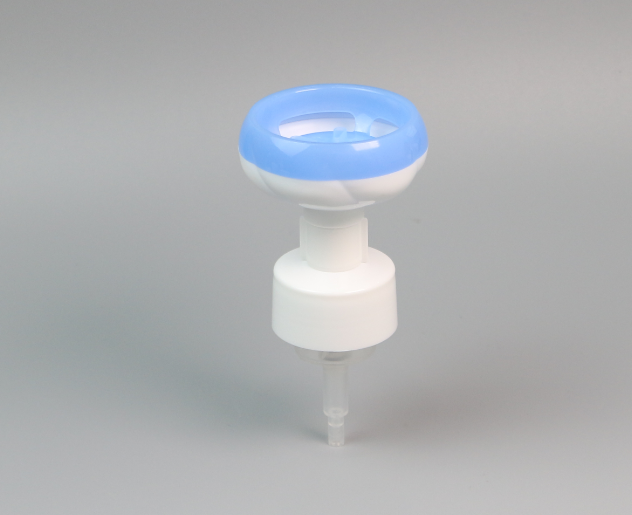
The foam pump has become an essential component in cleaning, personal care, and industrial applications where precise foam generation is critical. Understanding how a foam pump delivers consistent output across different liquid formulations requires insight into its mechanical design, air-to-liquid interaction, and material compatibility. This knowledge helps manufacturers, formulators, and end users select the right foam pump technology for their specific needs.
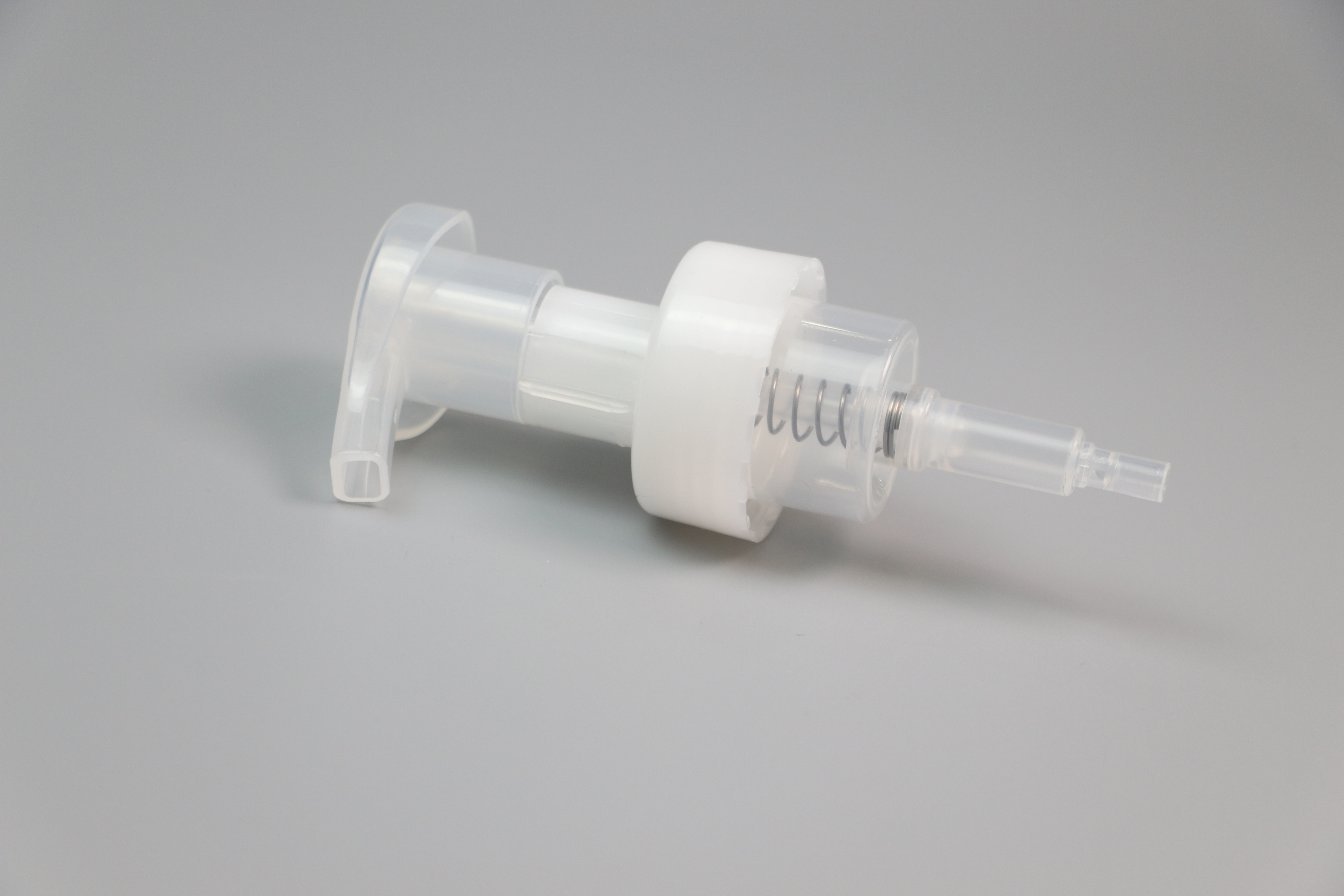
A foam pump operates by mixing air with liquid at a controlled ratio, creating uniform foam bubbles that emerge at consistent volume and density. The reliability of this process across various formulations—whether thick gels, thin liquids, or highly viscous solutions—depends on the internal architecture of the foam pump, the precision of its components, and how those elements interact with different product chemistries.
Core Design Principles of the Foam Pump
Air Intake and Mixing Chamber
Every foam pump contains a dedicated air intake pathway that draws ambient air through a filter or mesh screen into the mixing chamber. This air pathway is designed to maintain a constant air-to-liquid ratio regardless of how hard the user presses the trigger. The foam pump mechanism uses a specialized nozzle—often featuring a mesh or screen—that breaks the liquid stream into fine droplets and combines them with the air stream. This mixing happens at high velocity, creating foam that is both stable and consistent in texture.
The internal geometry of the foam pump is engineered to minimize turbulence while maximizing contact between air and liquid. When a user activates a foam pump, the trigger mechanism compresses an internal spring and pump chamber, forcing the liquid up through the nozzle assembly. Simultaneously, air enters through dedicated ports in the foam pump body, meeting the liquid at precisely calibrated points within the nozzle. This synchronized timing is what allows the foam pump to produce uniform foam output every single time the trigger is pressed.
Consistency Across Different Liquid Types
The challenge with any foam pump is maintaining output consistency when formulations vary in viscosity, surface tension, density, and chemical composition. A thin aqueous cleanser behaves very differently than a thick conditioning gel or a heavy-bodied hand soap. The foam pump overcomes these differences through its mechanical design, which relies on volume displacement rather than relying solely on the liquid's natural flow properties.
When you activate a foam pump, the pump mechanism displaces a fixed volume of liquid during each stroke—typically 0.5 to 1.5 milliliters, depending on the foam pump model. This displacement is consistent whether the liquid is runny or thick. The air intake occurs simultaneously, so the foam pump delivers the same air-to-liquid ratio regardless of formulation viscosity. This is why premium foam pump designs can handle both thin hand soaps and thick body washes without requiring user adjustment or producing inconsistent foam textures.
How the Foam Pump Adapts to Formulation Variations
Surface Tension and Foam Stability
Different formulations contain different surfactants and stabilizers that alter the surface tension of the liquid. A foam pump must generate foam that remains stable whether the liquid has high or low surface tension. The foam pump nozzle design addresses this by creating foam bubbles of a specific, optimized size—typically in the 100 to 500 micron range—that resist collapse across a wide range of product formulations. The mesh inside many foam pump nozzles helps break the liquid into uniform droplets, ensuring that regardless of the surfactant chemistry, the foam structure remains consistent.
Manufacturers test their foam pump designs across dozens of formulations to ensure the output remains visually and texturally consistent. The foam pump achieves this consistency by controlling the mechanical forces applied to the liquid—specifically the velocity, shear rate, and turbulence in the nozzle—rather than relying on the chemical properties of the liquid to self-organize into stable foam. This is a critical engineering distinction that separates high-quality foam pump products from basic sprayer designs.
Viscosity Handling and Pump Chamber Design
The pump chamber of a foam pump is sized and shaped to accommodate a range of viscosities without losing prime or becoming air-locked. Lower viscosity liquids flow easily through the foam pump, while higher viscosity formulations require more pump strokes to achieve the same volume output—but the foam quality remains consistent due to the mechanical foam generation process. Many foam pump manufacturers engineer their pump chambers with a slight taper or specific internal surface finish to ensure that even thick gels move smoothly through the pump without sticking or creating dead zones where liquid pools.
The internal valve structure of the foam pump also plays a key role. Ball-check valves or duckbill valve designs allow the foam pump to handle different viscosities without failing to prime or creating siphoning issues. When the foam pump trigger is released, the check valve prevents backflow, which is especially important for thick formulations that would otherwise flow backward when downward pressure is removed. This one-way valve design is consistent across most professional-grade foam pump models, ensuring that viscosity variations do not compromise the foam pump's functional reliability.
Engineering Durability and Long-Term Output Consistency
Material Selection and Chemical Compatibility
The foam pump must be manufactured from materials that resist degradation when exposed to various liquid formulations over extended periods. All-plastic foam pump designs use engineered polymers such as polypropylene and acetal copolymer, which resist swelling, softening, or becoming brittle when exposed to surfactants, alcohols, and other common cleaning or personal care ingredients. The foam pump's durability directly impacts whether the output remains consistent throughout the product's shelf life and the container's usable period.
Elastomer components within the foam pump—including seals, springs, and the duckbill valve—must also maintain their mechanical properties across different formulation chemistries. Premium foam pump manufacturers conduct compatibility testing to ensure that their foam pump materials do not leach, absorb, or degrade when in contact with specific formulations. This preventive engineering ensures that a foam pump dispenses consistently from the first use through the final drop, regardless of the liquid formulation inside.
Nozzle Mesh Maintenance and Performance
The nozzle mesh of a foam pump is the most critical wear component because it directly generates the foam structure. Over time, mineral deposits, surfactant residue, or product buildup can partially clog the foam pump mesh, potentially changing the output texture or reducing the volume of foam dispensed. High-quality foam pump designs incorporate a cleanable mesh or use nylon mesh materials that resist mineral buildup and are easily rinsed under running water. The foam pump's ability to remain functional across thousands of actuations depends on maintaining an unobstructed nozzle mesh.
Manufacturers often include usage guidance recommending that users rinse the foam pump nozzle periodically or simply run water through the pump to prevent clogging. This simple maintenance step keeps the foam pump performing consistently throughout the product's life. Even without maintenance, well-engineered foam pump designs maintain acceptable output consistency for several thousand uses, making them reliable for both residential and commercial applications.
FAQ
Why does foam output consistency matter in cleaning or personal care products?
Consistent foam output ensures that users receive the same product experience every time they use the foam pump, which builds trust and predictability. For cleaning applications, consistent foam helps ensure even coverage and consistent cleaning power. For personal care, uniform foam texture enhances the user experience and suggests product quality. Additionally, consistent output allows formulators to design their products knowing exactly how much active ingredient will be dispensed, improving product efficacy and safety.
Can a single foam pump design work with both thick and thin formulations?
Yes, a well-engineered foam pump can dispense consistent foam across a range of viscosities because the foam pump relies on mechanical displacement and air injection rather than on the liquid's flow characteristics. Thick formulations require more pump strokes, but the foam quality remains consistent. However, extreme viscosities outside the foam pump's rated range may result in slower output or require redesigning the pump chamber. Most commercial foam pump models are rated for viscosities between 50 and 5000 centipoises, covering the vast majority of practical applications.
What is the typical air-to-liquid ratio in a foam pump, and does it vary by formulation?
Most foam pump designs deliver foam with an air-to-liquid ratio between 3:1 and 5:1, meaning the final foam volume is three to five times larger than the original liquid volume. This ratio is relatively constant across formulations because the foam pump's mechanical design controls the air intake independently of the liquid formulation. Some specialized foam pump designs allow users to adjust the ratio, but standard foam pump models maintain a fixed, optimized ratio that produces stable, consistent foam across all compatible formulations.