
 EN
EN




When a plastic bottle travels through a modern supply chain, it faces a remarkably hostile environment. Vibration, compression, temperature swings, stacking pressure, and impact forces all act simultaneously against the container's structural integrity. For manufacturers, packaging engineers, and procurement professionals, understanding what makes a plastic bottle strong enough to survive these conditions is not just a technical curiosity — it is a direct business necessity that affects product quality, shelf appeal, and brand reputation.
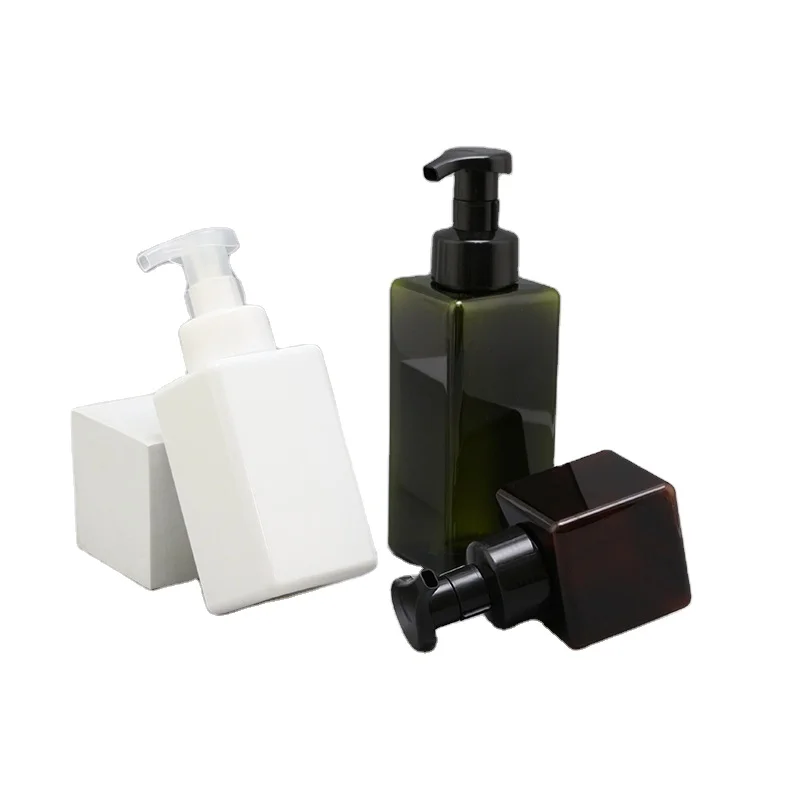
The structural strength of a plastic bottle under transportation conditions is shaped by a combination of material science, geometric design, manufacturing precision, and environmental factors. None of these elements operates in isolation. A bottle that performs perfectly in a warehouse stress test may still fail in the field if even one variable falls outside an acceptable range. This article examines each of the key determinants systematically, providing decision-useful insights for anyone responsible for selecting, specifying, or designing packaging for distribution environments.
Material Selection and Its Role in Transportation Durability
Resin Type and Mechanical Properties
The base resin of a plastic bottle is the single most influential factor in determining its mechanical behavior under stress. Common resins such as PET, PETG, HDPE, and PP each carry a distinct set of tensile strength, impact resistance, and elongation-at-break values. PETG, for instance, offers a favorable combination of clarity, rigidity, and toughness, making it a popular choice for premium personal care and cosmetic packaging that must survive palletized shipping without cracking or deforming.
PET remains the dominant resin for beverage and liquid containers because of its high tensile modulus and excellent barrier properties. However, its relative brittleness compared to HDPE means that drop impact performance requires careful design compensation. HDPE, with its waxy surface and flexible molecular structure, absorbs impact energy more effectively but may deform under sustained compressive loads if wall thickness is insufficient. Every resin choice represents a set of trade-offs that must be evaluated against the specific transport conditions the plastic bottle will encounter.
Selecting a resin solely on cost or clarity without considering mechanical performance data is one of the most common mistakes made during packaging development. A plastic bottle specified for a refrigerated logistics chain, for example, must account for the fact that many resins become significantly more brittle at low temperatures, reducing their ability to absorb the shock loads generated during loading and unloading cycles.
Wall Thickness and Material Distribution
Even when the correct resin is chosen, wall thickness distribution plays a critical role in determining how a plastic bottle withstands transportation stresses. Uniform wall thickness ensures that no single zone becomes a concentration point for stress, which is typically where fracture or deformation initiates. Inconsistent wall thickness, often a result of improper mold design or process control, creates weak zones that may not be visible to the naked eye but will fail predictably under compression or vibration loading.
The shoulder and base of a plastic bottle are particularly vulnerable areas. The shoulder transitions the cylindrical body into the neck finish and experiences complex multi-directional stresses during stacking. The base must resist both axial compression from stacked weight and the internal pressure that can build up in sealed liquid containers during temperature changes. Adequate material distribution in these critical zones requires both a well-engineered mold and consistent process monitoring during production.
Geometric Design and Structural Architecture
Shape Geometry and Load Distribution
The physical geometry of a plastic bottle determines how external forces are distributed across its surface. Cylindrical bottles naturally distribute compressive loads evenly around their circumference, which is why they are structurally efficient under top-load conditions. Square and rectangular bottles, while offering better pallet space utilization, create stress concentration at corners and panel edges, making their structural performance more sensitive to design refinements such as corner radii and ribbing patterns.
Ribbing and panel designs are engineering tools used to add stiffness to a plastic bottle without adding weight or material cost. Horizontal ribs along the body wall resist the vacuum deformation that occurs when a sealed container cools after hot-fill or experiences pressure differential during transport at altitude. Vertical ribs increase the column strength of the container, allowing it to better resist the axial compression generated by stacking layers on a pallet. The placement, depth, and frequency of these geometric features must be calculated based on expected load profiles rather than applied as aesthetic afterthoughts.
Neck Finish and Closure Compatibility
The neck finish of a plastic bottle — the threaded or snap-fit portion that accepts a cap, pump, or dispensing mechanism — is frequently overlooked as a structural element, yet it is critical during transport. If the neck finish does not mate precisely with its closure, the resulting micro-movement under vibration can generate fretting fatigue that progressively weakens the material until leakage or fracture occurs. This is especially relevant for plastic bottles with foam pump or lotion pump assemblies, where the pump collar must maintain a consistent sealing force across thousands of vibration cycles during a typical freight journey.
The concentricity and thread engagement depth of the neck finish also affect the overall top-load capability of a plastic bottle. A neck that deforms under stacking pressure will compromise the closure seal, leading to leakage that can damage adjacent containers, secondary packaging, and the retailer's shelf environment. Specifying the correct thread standard and verifying closure compatibility through dynamic transport testing is an essential step in qualifying any new plastic bottle design for distribution use.
Manufacturing Quality and Process Consistency
Blow Molding Process Control
For most commercial plastic bottles, the blow molding process — either extrusion blow molding or injection stretch blow molding — determines the final mechanical properties of the container. Process parameters such as preform temperature, blow pressure, stretch ratio, and mold temperature directly influence the degree of molecular orientation within the bottle wall. Biaxial molecular orientation, achieved correctly in injection stretch blow molding, significantly improves the tensile strength and impact resistance of a plastic bottle compared to an unoriented structure of the same resin.
When process parameters drift outside specified windows, the resulting plastic bottle may look identical to a correctly produced container but carry significantly lower structural integrity. Gates that show stress whitening, bases with uneven crystallinity, or shoulder areas with thin spots are all indicators of process inconsistency. Robust statistical process control, regular wall thickness sampling, and periodic top-load testing are the quality tools that separate reliably strong plastic bottle production from inconsistent output.
Post-Production Handling and Inspection
Even a perfectly designed and correctly molded plastic bottle can suffer structural damage before it reaches the filling line if post-production handling is poorly controlled. Automated conveying systems that apply excessive contact pressure, stacking of unsupported bottles in open-top bins, or exposure to UV light during outdoor storage can all degrade the mechanical performance of the container before any product is introduced. Quality programs that extend beyond the molding machine to encompass all downstream handling steps are essential for maintaining the structural integrity that engineering specifications promise.
Incoming inspection at the filling facility is equally important. Checking for stress cracks, gate defects, and dimensional conformance before committing a batch of plastic bottles to filling, labeling, and palletizing prevents costly downstream failures. Suppliers who provide consistent dimensional data, material certifications, and process capability reports make this incoming quality step far more efficient and reliable.
Environmental and Loading Conditions During Transport
Temperature Variation and Its Mechanical Consequences
Transportation environments expose a plastic bottle to temperature extremes that can dramatically alter the mechanical behavior of the polymer. High temperatures soften thermoplastic resins, reducing their modulus of elasticity and increasing their susceptibility to creep under sustained compressive loads. A pallet of plastic bottles stacked five layers high in a truck container during a summer shipment may arrive at its destination with measurably deformed base panels if the resin's heat deflection temperature is exceeded.
Cold temperatures have the opposite effect, making most thermoplastics more brittle and reducing their impact resistance. A plastic bottle that passes a drop test at room temperature may crack at the same drop height when the ambient temperature is at freezing point. This is particularly relevant for export shipments that cross climate zones or for products distributed through refrigerated supply chains. Material selection and container design must account for the full temperature range the plastic bottle will experience across its entire logistical journey.
Vibration, Compression, and Dynamic Load Effects
During ground transportation, a plastic bottle experiences continuous low-amplitude vibration from road surface irregularities and vehicle resonance frequencies. Over the duration of a long-haul shipment, cumulative vibration energy can cause fatigue damage at stress concentration points, leading to delayed failures that appear only after the product has reached the retailer or end consumer. Corrugated secondary packaging helps attenuate vibration transmission, but the primary container itself must have sufficient inherent damping capacity.
Static compression from pallet stacking represents the most predictable and controllable transport load. Knowing the maximum pallet height, the weight of product per case, and the number of stacked cases allows engineers to calculate the top-load requirement for each plastic bottle in the stack. Adding a safety factor appropriate for dynamic transportation conditions — typically 1.5 to 2.5 times the static calculated value — ensures that real-world vibration and impact forces do not push the container beyond its structural limits.
Humidity is another environmental variable that affects some resins significantly. Nylon-based containers absorb moisture and soften over time, while PET can experience hydrolytic degradation under prolonged exposure to moisture at elevated temperatures. For most polyolefin-based plastic bottles, humidity poses minimal mechanical risk, but for specialty resins and high-barrier formulations, moisture exposure during transport must be factored into the performance specification.
Secondary Packaging and System-Level Structural Support
Case and Pallet Configuration
The structural strength of a plastic bottle during transport is never evaluated in isolation from its secondary and tertiary packaging systems. A well-designed corrugated case provides column strength, vibration damping, and lateral support that the primary container alone cannot supply. The interaction between the bottle, the case, and the pallet configuration determines the system-level performance that actually governs whether product arrives at its destination in sellable condition.
Pallet patterns that align corrugated case columns vertically transfer compressive loads through the secondary packaging rather than through the primary plastic bottle. Interlocked pallet patterns improve stability during transport but can direct more lateral force into the case walls and containers. Understanding how pallet load is transmitted to each individual plastic bottle requires a systems engineering perspective that considers the entire packaging hierarchy, not just the strength of the primary container in isolation.
Protective Packaging Materials and Their Contribution
Void fill, foam inserts, dividers, and tray systems all contribute to the overall protection of a plastic bottle within its secondary packaging. These materials absorb impact energy, prevent container-to-container abrasion, and maintain correct orientation during transport. For fragile or premium containers — such as those with decorative embossing, thin wall sections, or complex pump assemblies — protective inserts are often the difference between an acceptable damage rate and an unacceptable one.
The interaction between protective packaging and the plastic bottle itself must be considered carefully. Foam materials that outgas chemical compounds can cause stress cracking in certain resins. Cardboard dividers that absorb moisture can transfer that moisture to hygroscopic label materials, causing them to fail. Specifying protective packaging requires the same level of material compatibility analysis that is applied to the primary container and its contents.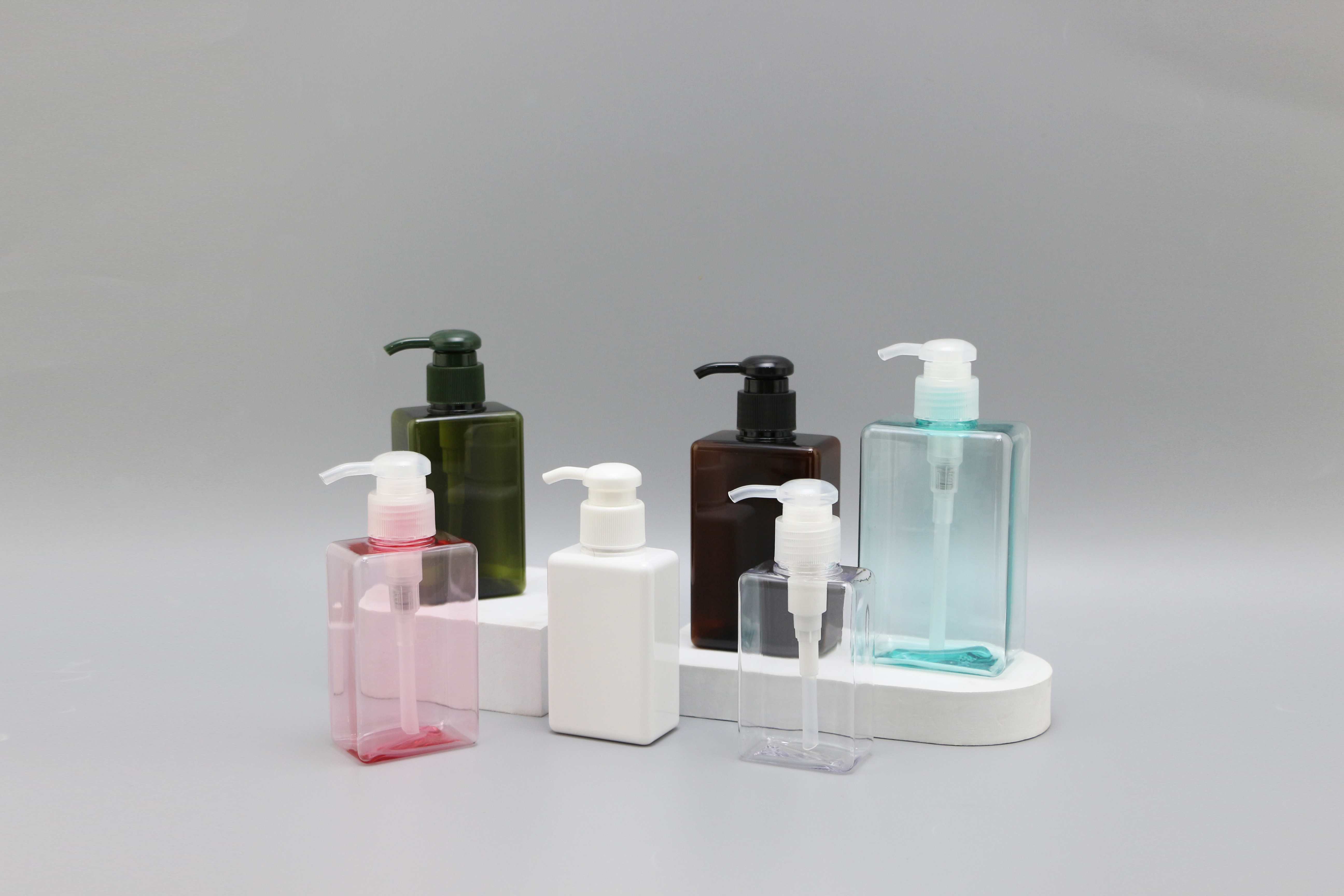
FAQ
What is the most important factor affecting plastic bottle strength during transport?
There is no single dominant factor — structural performance is the result of material selection, geometric design, manufacturing quality, and transport conditions acting together. However, resin choice and wall thickness distribution are often the most foundational variables because they establish the baseline mechanical properties before any design optimization can be applied. A plastic bottle built from an inappropriate resin will underperform regardless of how well it is geometrically engineered.
How does temperature during shipping affect a plastic bottle's structural integrity?
Temperature affects a plastic bottle in two opposing ways depending on direction. High temperatures reduce the stiffness of the polymer, increasing creep and deformation under stacking loads. Low temperatures increase brittleness and reduce impact resistance, making the container more susceptible to cracking during drops or sharp impacts. Both extremes must be accounted for when specifying a plastic bottle for a logistics chain that spans multiple climate zones or seasonal temperature ranges.
Can the shape of a plastic bottle influence how well it survives pallet stacking?
Yes, shape has a significant influence on top-load performance. Cylindrical shapes distribute compressive forces efficiently around their circumference, while square and rectangular shapes concentrate stress at corners and require additional design features such as ribbing or increased corner wall thickness to achieve comparable stacking strength. The base design is equally critical, as a flat unribbed base will buckle under axial compression much sooner than a petaloid or ribbed base engineered for load distribution.
What testing methods are used to verify that a plastic bottle can survive transportation?
Standard transport simulation testing for a plastic bottle typically includes top-load compression testing, drop impact testing at various orientations, vibration table simulation based on road or air freight profiles, and climate conditioning cycles that replicate temperature and humidity extremes. Industry standards such as ASTM D4169 and ISTA protocols provide structured test sequences that represent realistic distribution hazards. Passing these tests with appropriate safety margins gives reliable confidence that the plastic bottle will perform acceptably across its intended supply chain.
Table of Contents
- Material Selection and Its Role in Transportation Durability
- Geometric Design and Structural Architecture
- Manufacturing Quality and Process Consistency
- Environmental and Loading Conditions During Transport
- Secondary Packaging and System-Level Structural Support
-
FAQ
- What is the most important factor affecting plastic bottle strength during transport?
- How does temperature during shipping affect a plastic bottle's structural integrity?
- Can the shape of a plastic bottle influence how well it survives pallet stacking?
- What testing methods are used to verify that a plastic bottle can survive transportation?