
 EN
EN



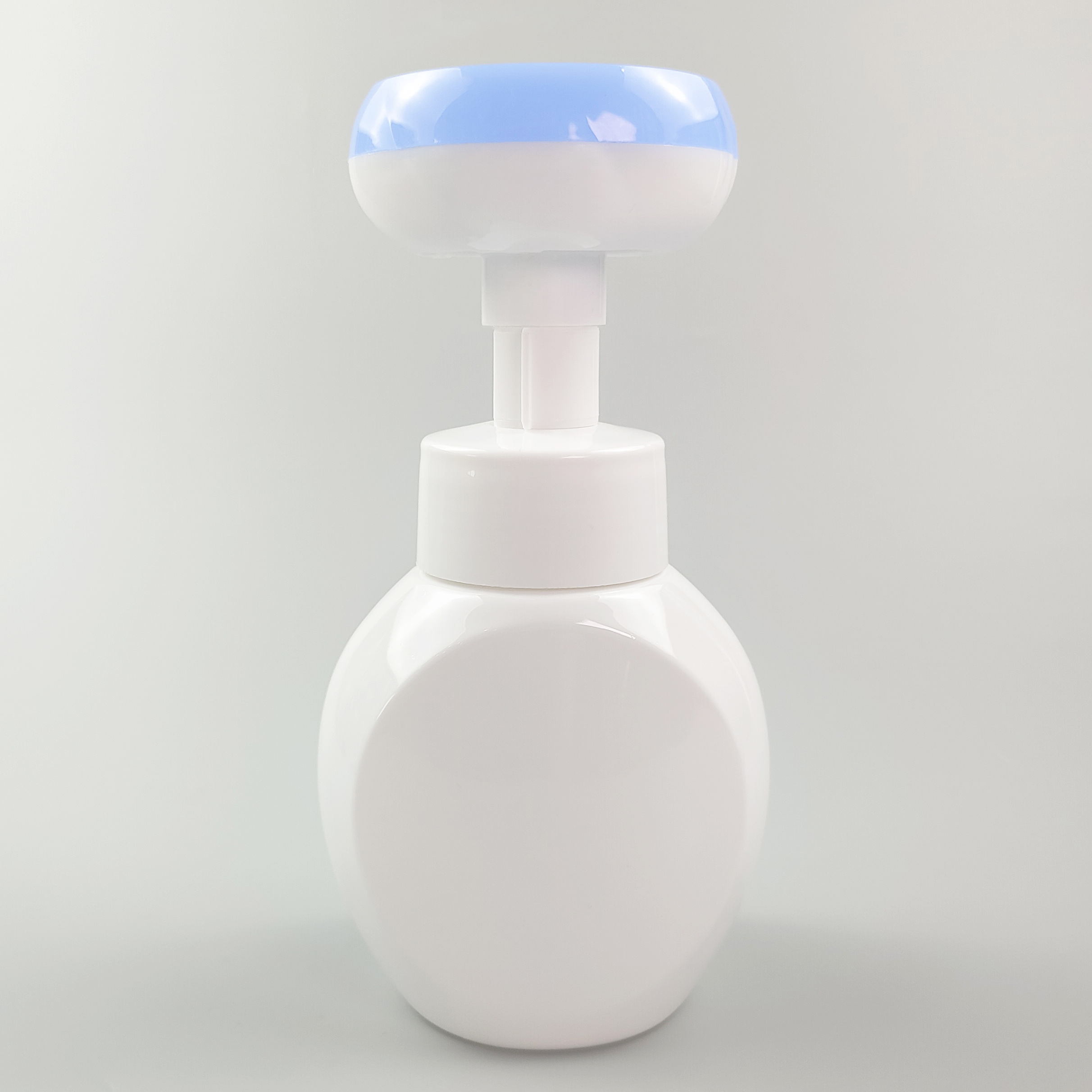
Selecting the right material for a plastic bottle is one of the most consequential decisions in industrial and consumer packaging design. The material determines not just how a container looks or feels, but how it performs across its entire service life — from manufacturing and filling to storage, transit, and end use. For packaging engineers, procurement specialists, and product developers, understanding how resin choice directly shapes durability and chemical resistance is not optional; it is foundational to every packaging decision that follows.
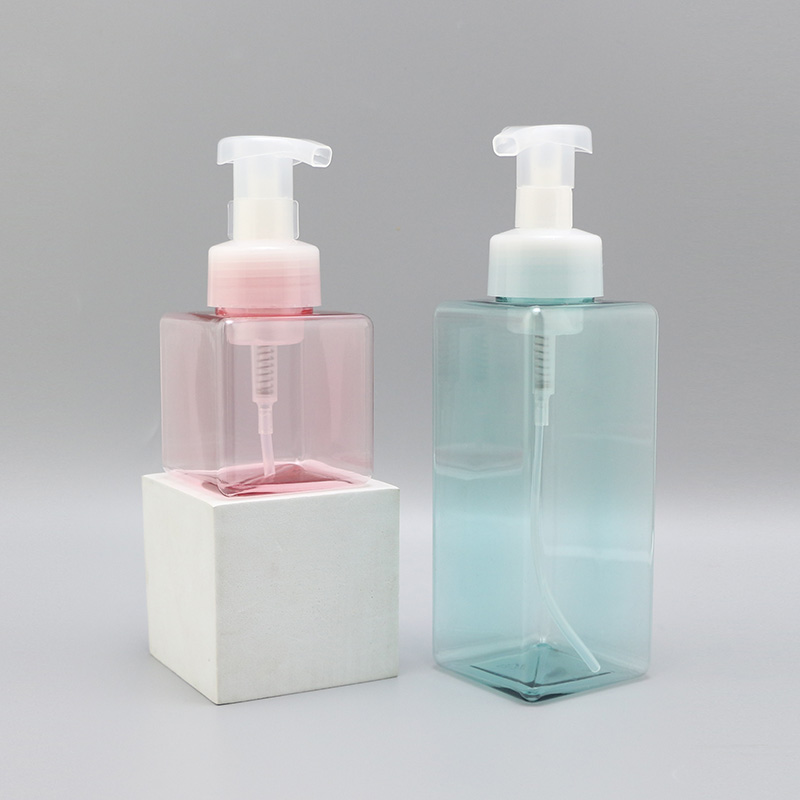
The relationship between material selection and performance in a plastic bottle is far more nuanced than simply choosing a commodity resin based on cost. Different polymer families respond in dramatically different ways to mechanical stress, temperature variation, UV exposure, and chemical contact. In industrial environments — such as agricultural chemical dispensing, cleaning product distribution, or laboratory reagent storage — a mismatch between material and application can lead to catastrophic container failure, regulatory non-compliance, or product contamination. This article explores how the choice of polymer directly influences these critical performance dimensions and how packaging professionals can make better-informed decisions.
The Core Relationship Between Polymer Chemistry and Bottle Performance
Why Polymer Molecular Structure Drives Everything
At the heart of plastic bottle material selection lies the molecular architecture of the chosen polymer. The arrangement of polymer chains, the presence of crystalline versus amorphous regions, and the density of the resulting material all influence how a bottle responds to physical and chemical challenges. High-density resins, for example, pack polymer chains more tightly together, creating a physical barrier that resists permeation by many solvents and aggressive chemicals. This is why containers made from higher-density materials consistently outperform lower-density counterparts in chemical resistance testing.
Crystallinity is another key variable. Highly crystalline polymers tend to resist chemical attack more effectively because their ordered molecular structure offers fewer pathways for chemical molecules to penetrate the container wall. In contrast, amorphous polymers, which lack this ordered structure, may absorb certain solvents or allow trace permeation of volatile compounds. For any plastic bottle intended to hold reactive, corrosive, or solvent-based contents, understanding the crystallinity of the chosen resin is a non-negotiable step in material qualification.
Molecular weight also plays an important role. Polymers with higher average molecular weights generally exhibit greater toughness and environmental stress crack resistance, two properties that directly correlate with long-term durability. Packaging engineers who evaluate only the broad resin category — without examining grade-level molecular weight specifications — may find that their chosen plastic bottle underperforms under conditions of sustained mechanical load or repeated flex stress during transit.
Additive Systems and Their Influence on Performance Profiles
No commercial plastic bottle resin is used in its pure polymer form. Stabilizers, plasticizers, colorants, processing aids, and functional additives are blended into the base resin before or during conversion. Each of these additives interacts with the base polymer and with the packaged product, creating a performance profile that may differ significantly from what the base resin alone would suggest. UV stabilizers, for instance, protect the polymer chains from photodegradation during outdoor storage, directly extending the service life of containers exposed to sunlight.
Plasticizers present a particular concern for chemical resistance. Certain plasticizers used to improve flexibility in otherwise rigid resins can leach into packaged formulations, especially those with a solvent or surfactant component. This leaching not only compromises the integrity of the plastic bottle wall over time but can also contaminate the product itself. For applications involving agricultural chemicals, industrial cleaning agents, or specialty coatings, specifying low-plasticizer or plasticizer-free grade materials becomes critical to maintaining both chemical resistance and product purity.
Durability Factors Specific to Material Selection
Mechanical Durability Under Real-World Conditions
Durability in a plastic bottle encompasses far more than simple impact resistance. It includes resistance to environmental stress cracking, sustained compressive load during stacking, fatigue resistance under repeated pressurization or dispensing cycles, and the ability to maintain dimensional stability across temperature ranges encountered during shipping and storage. Each of these dimensions is directly influenced by the polymer selected and the processing conditions used during bottle manufacture.
Environmental stress cracking is one of the most underappreciated failure modes in industrial plastic bottle applications. It occurs when a container is simultaneously exposed to mechanical stress and a chemical that acts as a stress crack agent, even if that chemical would not otherwise dissolve or swell the polymer. Surfactant-based cleaning products, for example, are well-known stress crack agents for certain polyolefin resins. Selecting a higher-molecular-weight grade or a copolymer formulation can substantially reduce this risk, extending container service life and protecting product integrity throughout the distribution chain.
Temperature cycling is another durability challenge that directly reflects material selection. A plastic bottle that meets performance requirements at room temperature may become brittle and prone to fracture at low temperatures encountered during winter shipping, or may soften and deform under elevated temperatures in storage facilities or transport vehicles in warm climates. Each polymer family has a characteristic glass transition temperature and heat deflection temperature, and these thermal limits must be matched against the full range of environmental conditions the packaging will realistically encounter.
Long-Term Durability and Shelf Life Considerations
Long-term durability is a critical concern for supply chains with extended warehousing periods or products that move slowly through distribution. A plastic bottle stored for one to two years before use must retain its structural integrity, closure seal compatibility, and barrier properties throughout that storage window. Polymer oxidation, photo-induced chain scission, and slow permeation of oxygen or moisture can all degrade container performance over time, compromising product quality and creating potential safety or liability issues for the brand.
Antioxidant additive systems built into the base resin formulation directly address oxidative degradation, preserving the molecular weight and mechanical properties of the plastic bottle during storage. However, the effectiveness of these systems depends on the resin grade selected and the processing history of the bottle. Overprocessing during blow molding or extrusion can deplete antioxidant reserves, leaving the container more vulnerable to oxidative attack during shelf storage. This is a practical reason why material selection and processing conditions must be considered together rather than in isolation.
Chemical Resistance and Its Material Determinants
Matching Polymer Families to Chemical Exposure Profiles
Chemical resistance is perhaps the most technically demanding performance dimension in plastic bottle material selection. Different polymer families exhibit fundamentally different resistance profiles: what one resin handles without degradation may cause rapid swelling, crazing, or dissolution in another. A basic understanding of polymer-solvent interactions — guided by the principle that 'like dissolves like' — is a useful starting point, but rigorous compatibility testing remains the gold standard for high-stakes chemical packaging applications.
High-density polyolefin resins are generally well-suited for aqueous solutions, dilute acids, bases, and many salt solutions. However, they show limited resistance to aromatic and chlorinated hydrocarbons. Fluoropolymer-modified containers or bottles made from fluorinated barrier resins can handle a much broader chemical spectrum, including aggressive solvents, concentrated acids, and oxidizing agents. For a plastic bottle designed to dispense or store a complex chemical formulation, the full ingredient profile of the contents must be reviewed against the polymer's documented resistance data before any material is finalized.
It is also important to consider not just resistance to the primary active ingredient but to adjuvants, co-solvents, surfactants, and pH modifiers that are often present in commercial formulations. A plastic bottle might exhibit strong resistance to the main chemical component while being degraded by a minor ingredient present at only a few percent concentration. Comprehensive compatibility matrices, empirical immersion tests, and long-term fill-and-seal trials are all used by responsible packaging engineers to validate material choices before commercial rollout.
Chemical Resistance in Spray and Dispensing Applications
In dispensing applications — such as trigger sprayers, pump tops, and dosing closures — the chemical resistance requirements extend beyond the bottle body itself. The complete packaging system, including the closure, dip tube, gaskets, and any metal spring components, must collectively resist the packaged formulation. A chemically resistant plastic bottle paired with incompatible closure components can still fail prematurely due to seal degradation or spring corrosion, leading to leakage and product loss.
This is why plastic bottle systems designed for aggressive chemical products are increasingly specified with all-plastic trigger sprayer mechanisms that eliminate metal components entirely. Removing metal springs and inserts from the dispensing assembly eliminates a critical corrosion pathway, allowing the entire spray system to benefit from the chemical resistance of the chosen polymer. For industrial cleaning agents, biocides, herbicides, and other formulations with challenging chemistry, this system-level thinking is essential to ensuring long-term packaging integrity.
The material selection for dispensing components must also account for repeated mechanical cycling. A trigger mechanism or pump sprayer on a plastic bottle may be actuated hundreds or even thousands of times during product use. The polymer used for these functional components must maintain its chemical resistance and dimensional stability under this repeated flex stress, without absorbing or swelling in response to the packaged formulation. This requires polymers with both strong chemical resistance and good fatigue resistance — a combination that is not automatically delivered by any single polymer family and must be carefully evaluated during component specification.
Practical Material Selection Logic for Chemical Packaging
Building a Material Specification Framework
A structured approach to plastic bottle material selection begins with a thorough chemical characterization of the product to be packaged. This includes identifying all active ingredients, solvents, surfactants, and functional additives, along with their concentrations and the pH range of the formulation. This chemical profile is then mapped against the published resistance data for candidate polymer families, allowing the packaging team to eliminate clearly unsuitable materials early in the selection process before investing in physical testing.
Physical testing protocols for a new plastic bottle in a chemical application typically include compatibility immersion tests at elevated temperatures, environmental stress crack resistance testing, permeation rate measurement for volatile components, and accelerated aging studies under simulated storage conditions. The combination of these tests provides a multi-dimensional view of how the selected material will perform across the anticipated service life of the package, reducing the risk of field failures and recalls.
Regulatory requirements also shape material selection for chemical packaging. Many jurisdictions impose specific requirements on containers used for agricultural chemicals, cleaning agents, or hazardous substances, including minimum wall thickness standards, closure torque retention requirements, and UN performance certification for certain hazard classes. A plastic bottle material that performs excellently in internal laboratory testing must still be compatible with these external standards, which means regulatory review must be integrated into the material selection workflow from the start.
Balancing Performance, Cost, and Sustainability Objectives
Material selection for a plastic bottle rarely involves choosing the single highest-performing option without constraint. Procurement teams, sustainability managers, and commercial decision-makers all bring different priorities to the table, and the final material choice typically represents a carefully negotiated balance among performance requirements, cost boundaries, and environmental commitments. Understanding how each material trade-off affects durability and chemical resistance helps packaging professionals make these conversations more productive and technically grounded.
Sustainability objectives increasingly influence polymer selection in chemical packaging. Recycled content resins, bio-based polymers, and resins designed for enhanced recyclability all present different chemical resistance profiles compared to their virgin counterparts. A plastic bottle produced from post-consumer recycled resin may show greater variability in chemical resistance due to the mixed origins and processing histories of the recycled material. This variability must be addressed through tighter incoming resin quality controls and more comprehensive container qualification testing, ensuring that sustainability goals do not compromise the chemical integrity required for the application.
The total cost of ownership perspective is also valuable here. A plastic bottle made from a premium, chemically resistant resin at a higher unit cost may deliver far better commercial outcomes than a lower-cost alternative that requires more frequent replacement, generates higher rates of customer complaints, or creates liability exposure through product contamination or container failure. Framing material selection decisions in terms of total cost and risk — rather than unit price alone — consistently produces better long-term outcomes for both brands and their customers.
FAQ
What polymer is most suitable for a plastic bottle holding aggressive solvents or acids?
High-density polyolefin resins are a common starting point for chemical-resistant packaging, but for aggressive solvents, concentrated acids, or oxidizing agents, fluoropolymer-lined or fluorine-treated containers offer substantially better resistance. The specific polymer choice should always be validated through compatibility testing with the actual formulation rather than relying solely on generic resistance charts, as minor ingredients in the formulation can sometimes have an outsized impact on container performance.
How does wall thickness affect the chemical resistance of a plastic bottle?
Wall thickness influences the time it takes for a chemical to permeate through the bottle wall, but it does not change the fundamental compatibility between the polymer and the chemical. A thicker wall provides a greater physical barrier, slowing permeation rates and extending the service life of the container in marginally compatible applications. However, for truly incompatible polymer-chemical combinations, increasing wall thickness only delays rather than prevents failure, making correct material selection the primary lever for chemical resistance.
Can the same plastic bottle resin be used for both acidic and alkaline chemical products?
Many polyolefin resins show reasonable resistance to both acidic and alkaline aqueous solutions, making them versatile across a range of pH levels. However, the specific concentration and temperature of the solution, as well as any co-solvents or surfactants present, can significantly alter the resistance profile. It is not safe to assume that resistance to one class of chemicals automatically implies resistance to another, and each application pairing should be validated independently before commercial production begins.
How does material selection affect the dispensing performance of a plastic bottle with a trigger sprayer?
The material selection for both the bottle body and the sprayer components collectively determines how well the packaging system performs over its full service life. If the bottle polymer absorbs or swells due to the packaged formulation, dimensional changes can affect closure seal integrity and trigger-fit tolerances. All-plastic trigger sprayer assemblies specified from chemical-resistant polymers offer a system-level solution that maintains dispensing performance and chemical integrity together, particularly for formulations with aggressive or corrosive chemistry.
Table of Contents
- The Core Relationship Between Polymer Chemistry and Bottle Performance
- Durability Factors Specific to Material Selection
- Chemical Resistance and Its Material Determinants
- Practical Material Selection Logic for Chemical Packaging
-
FAQ
- What polymer is most suitable for a plastic bottle holding aggressive solvents or acids?
- How does wall thickness affect the chemical resistance of a plastic bottle?
- Can the same plastic bottle resin be used for both acidic and alkaline chemical products?
- How does material selection affect the dispensing performance of a plastic bottle with a trigger sprayer?