
 EN
EN



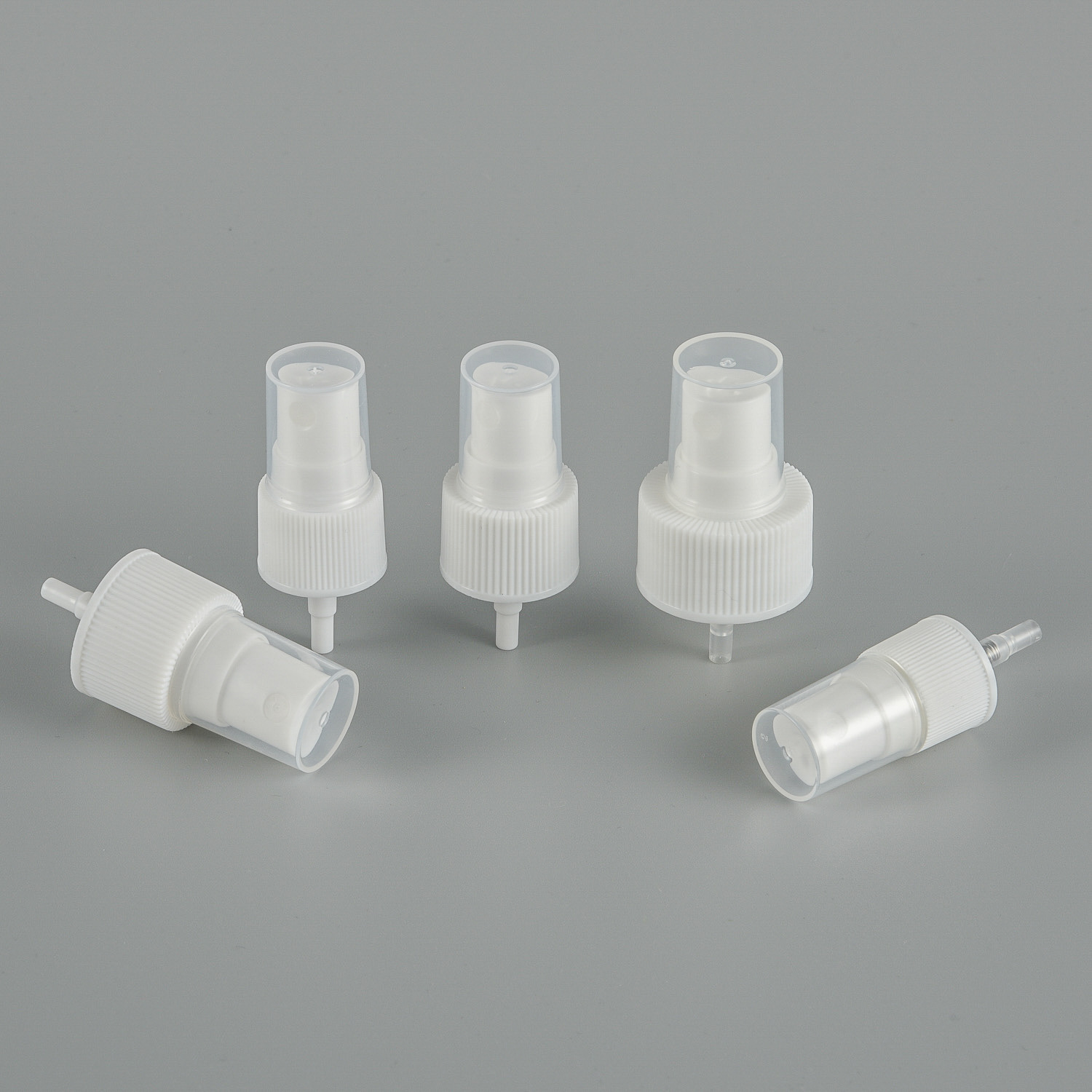
The mist sprayer has become an essential component in cosmetic and personal care packaging, delivering precise atomization and user experience that consumers expect from premium products. Modern cosmetic brands face increasing pressure to differentiate their offerings while maintaining functionality, safety, and compliance with packaging regulations. A mist sprayer addresses these demands by providing consistent fine mist delivery, ergonomic operation, and compatibility with various product formulations. Understanding how a mist sprayer adapts to specific packaging requirements is critical for manufacturers seeking to enhance their product positioning and meet consumer expectations in competitive beauty markets.
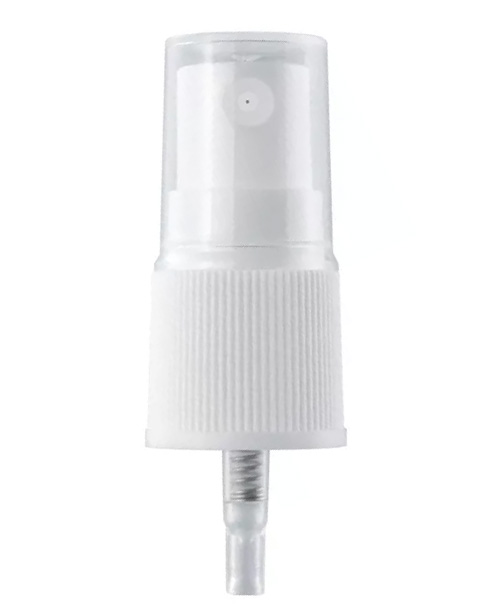
Adapting a mist sprayer to cosmetic and personal care packaging involves multiple technical and regulatory considerations that extend beyond simple mechanical attachment. The mist sprayer must accommodate varying viscosity levels found in skincare serums, facial toners, setting sprays, and fragrance products while maintaining proper spray patterns and dosage accuracy. Different product categories demand distinct mist sprayer configurations, from fine mist patterns for facial applications to broader coverage sprays for body products. This article explores the key design adaptations, compatibility factors, and industry-specific requirements that make mist sprayer integration successful in modern cosmetic packaging.
Understanding Mist Sprayer Design Specifications
Core Spray Pattern and Particle Size
A mist sprayer's fundamental design parameter is its spray pattern output, which directly influences user perception and product efficacy. Cosmetic applications require mist sprayer configurations that generate particles ranging from 80 to 200 microns, creating a lightweight cloud effect rather than heavy liquid streams. Fine mist sprayer models achieve this through precisely engineered nozzle orifices and actuator spring tensions that optimize atomization pressure. The mist sprayer's particle uniformity matters significantly in premium skincare products where customers expect a luxurious, even application experience. Different mist sprayer spray widths—typically ranging from 12 millimeters to 30 millimeters—allow brands to tailor the application area based on product type and target body zone.
Material Compatibility and Chemical Resistance
A critical mist sprayer adaptation factor involves material selection that resists corrosion and degradation from active cosmetic ingredients. Alcohol-based toners, essential oil formulations, and preservative systems can degrade standard plastic components in a conventional mist sprayer over time. Manufacturers respond by engineering mist sprayer housings from polypropylene, polyethylene, or specialty resins that withstand prolonged contact with solvents, humectants, and botanical extracts. The mist sprayer's internal seals and springs require elastomers compatible with cosmetic formulations to prevent premature failure or leaching that could compromise product quality. This mist sprayer material optimization process ensures shelf-stable performance across cosmetic product categories and extended storage conditions.
Packaging Integration and Mechanical Adaptation
Thread Standards and Bottle Neck Compatibility
Cosmetic packaging standardization drives mist sprayer adaptation around specific thread pitches and mounting configurations. The most common mist sprayer compatibility involves 18/410 and 20/410 thread standards, matching industry-standard cosmetic bottle neck sizes. A mist sprayer designed for 20/410 applications delivers secure seating and tamper-evident properties that regulatory bodies require for over-the-counter beauty products. Manufacturers optimizing a mist sprayer for premium packaging segments often employ 15/410 or 24/410 standards to communicate product positioning and create distinctive unboxing moments. The mist sprayer's thread engagement depth must precisely match bottle neck specifications to prevent leakage, maintain spray consistency, and support shelf appeal through visual symmetry.
Actuator Design for Consumer Ergonomics
The actuator mechanism of a mist sprayer directly impacts repeat purchase decisions and brand loyalty in personal care categories. Cosmetic consumers expect a mist sprayer actuator that requires minimal finger pressure, typically between 2 and 4 pounds of force, to accommodate repeated applications throughout daily routines. A premium mist sprayer actuator offers smooth mechanical feedback, consistent trigger reset, and fatigue-resistant design for high-frequency usage patterns common in facial mist or setting spray applications. Brands adapt mist sprayer actuators through ergonomic contouring, textured grip surfaces, and color-matched designs that reinforce brand identity while improving functional performance. The mist sprayer actuator's mechanical reliability directly influences consumer satisfaction metrics and online product ratings in competitive personal care markets.
Product-Specific Performance Adaptation
Viscosity Range and Spray Consistency
Successful mist sprayer adaptation requires precise calibration to the specific viscosity profile of cosmetic formulations being packaged. A mist sprayer engineered for lightweight facial toners with water-like viscosity operates under different pressure requirements than mist sprayer models designed for thicker body lotions or hair care products. Cosmetic formulators collaborate with mist sprayer engineers to test spray pattern stability across anticipated product viscosity ranges, typically 1 to 500 centipoise, ensuring consistent mist delivery under real-world usage conditions. The mist sprayer's internal pump chamber design, valve orifice dimensions, and dip tube specifications require optimization based on product composition and intended application frequency. This mist sprayer customization process prevents performance degradation that could result in clogging, irregular spray patterns, or premature actuator fatigue across the product's shelf life.
Temperature Stability and Storage Considerations
Cosmetic products experience temperature fluctuations during manufacturing, distribution, warehousing, and retail display that can compromise mist sprayer performance and product integrity. A mist sprayer adapted for cosmetic environments must maintain consistent functionality across temperature ranges of 50°F to 95°F, or broader ranges for products with international distribution. The mist sprayer's elastomer seals and internal springs experience dimensional changes with temperature variation, potentially affecting spray accuracy and actuator responsiveness. Manufacturers address this through material science innovations, using formulated elastomers with predictable thermal properties and spring alloys that maintain consistent mechanical performance across seasonal and climate-controlled environments. This mist sprayer temperature adaptation ensures that consumers experience identical spray quality whether purchasing a product in arctic climates or tropical markets.
Regulatory Compliance and Quality Assurance
Closure System Standards and Safety Testing
The mist sprayer's regulatory environment encompasses multiple testing protocols and international standards that manufacturers must navigate before product launch. A mist sprayer closure system requires certification under ISO 11930 for preservative efficacy, ISO 22716 for good manufacturing practices, and cosmetic product-specific regulations in target markets. The mist sprayer must pass leakage testing at specified pressure conditions, actuator durability assessments confirming minimum activation cycles, and spray pattern consistency measurements across production lots. Cosmetic brands utilizing a mist sprayer design must provide technical documentation demonstrating that the spray mechanism does not compromise product sterility, stability, or safety profile. This mist sprayer regulatory compliance process often extends development timelines but ensures market acceptance and prevents costly recalls or regulatory actions.
Quality Control and Performance Benchmarking
Manufacturing excellence in mist sprayer production demands rigorous quality assurance protocols that verify consistency across production runs and supply chain logistics. A mist sprayer manufacturer must implement statistical process control monitoring spray pattern distribution, actuator force requirements, and leak rates at statistically meaningful sample intervals. Cosmetic brands receiving mist sprayer components typically establish acceptance criteria specifying spray width tolerance within ±2 millimeters, actuator force consistency within ±0.5 pounds, and leakage prevention below 0.05 milliliters per hour. The mist sprayer's performance benchmarking process includes accelerated aging studies simulating 18–24 months of shelf life under temperature and humidity stress, validating that spray quality remains consistent as consumers use their products. Advanced mist sprayer manufacturers employ automated vision systems and pressure sensors to detect dimensional and performance variations before components reach cosmetic brand customers.
FAQ
What viscosity range can a mist sprayer effectively handle in cosmetic formulations?
A mist sprayer typically operates effectively across product viscosities ranging from 1 to 500 centipoise, covering most cosmetic applications from water-light toners to thicker body creams. However, a mist sprayer's optimal performance zone concentrates between 5 and 200 centipoise, where spray pattern consistency and actuator efficiency peak. Products exceeding this range require custom mist sprayer engineering with enlarged dip tube diameters or enhanced pump chambers to prevent clogging or inconsistent spray delivery.
How does a mist sprayer maintain spray consistency after extended shelf storage?
A mist sprayer maintains performance consistency through elastomer seals formulated to resist product absorption and dimensional change, combined with spring alloys engineered for stable mechanical properties across temperature variations. Regular quality assurance testing simulates extended shelf conditions, verifying that a mist sprayer's spray pattern, actuator force, and leakage rates remain within acceptable tolerances after 12 to 24 months of storage. Advanced mist sprayer designs incorporate desiccant chambers or micro-barriers that minimize internal corrosion from product vapors or residual moisture.
Are all mist sprayer models compatible with standard cosmetic bottle threads?
Not all mist sprayer models fit standard cosmetic bottle threads; compatibility depends on specific thread pitch standards like 18/410, 20/410, or 15/410 that cosmetic bottles employ. A mist sprayer designer must specify thread dimensions and engagement depths precisely matching the target bottle configuration to ensure leak-proof seating and proper mechanical function. Premium cosmetic brands often select mist sprayer models with exact thread specifications matching their bottle suppliers, ensuring consistent assembly quality and brand presentation throughout production runs.