
 EN
EN



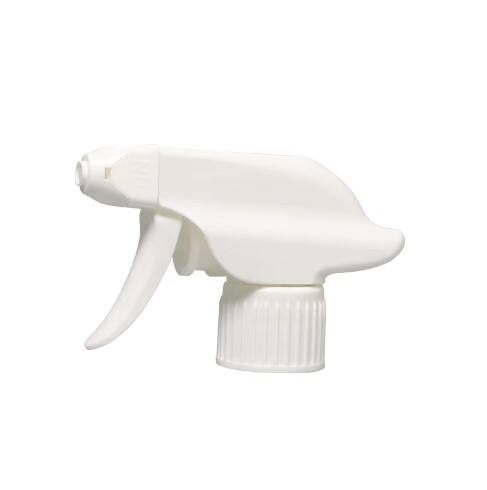
Professional cleaning applications and industrial maintenance tasks demand reliable equipment that delivers consistent performance under demanding conditions. A high-quality trigger sprayer represents the cornerstone of efficient liquid application systems, whether for commercial cleaning services, automotive detailing operations, or specialized industrial processes. Understanding the essential characteristics that define superior trigger sprayer performance enables businesses to make informed purchasing decisions that directly impact operational efficiency and cost-effectiveness. Modern trigger sprayer technology has evolved significantly, incorporating advanced materials science and precision engineering to meet the diverse requirements of contemporary commercial and industrial applications.
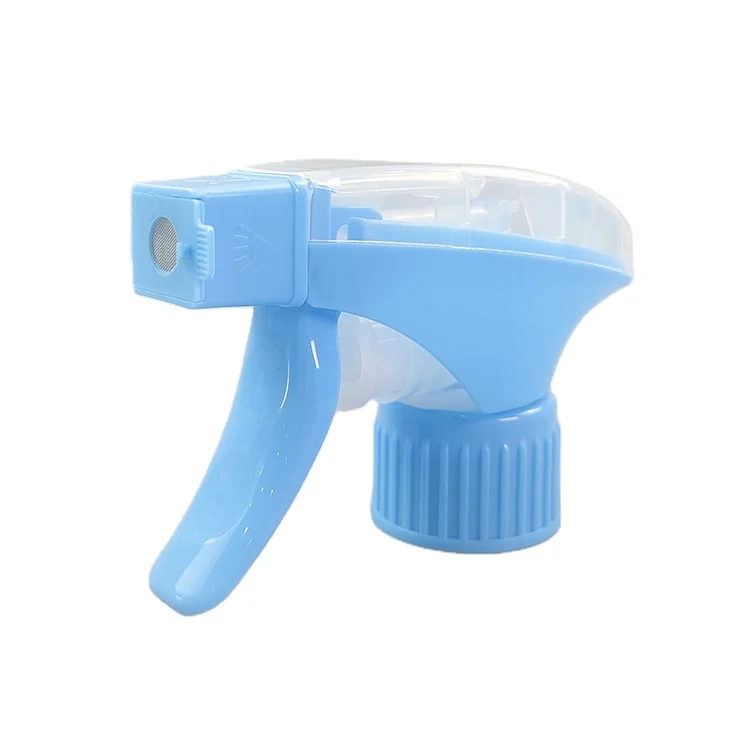
Essential Material Construction and Durability Standards
Advanced Polymer Engineering
The foundation of any exceptional trigger sprayer begins with its material composition, where high-grade polymers and reinforced plastics determine long-term reliability and chemical resistance. Premium trigger sprayer models utilize specialized polypropylene and polyethylene compounds that withstand exposure to aggressive cleaning chemicals, solvents, and extreme temperatures without degradation. These advanced materials undergo rigorous testing protocols to ensure dimensional stability, UV resistance, and mechanical strength under continuous operation cycles. The molecular structure of these polymers provides superior flexibility while maintaining structural integrity, preventing cracking and stress fractures that commonly affect inferior products.
Corrosion Resistance Properties
Chemical compatibility represents a critical factor in trigger sprayer selection, particularly for industrial applications involving caustic substances or acidic formulations. High-quality units incorporate specialized seal materials and gasket compounds that resist swelling, hardening, and chemical attack from diverse liquid formulations. The internal components, including springs, ball bearings, and valve mechanisms, feature corrosion-resistant coatings or utilize non-metallic alternatives that eliminate oxidation concerns. This comprehensive approach to material selection ensures consistent performance across various chemical environments while extending operational lifespan significantly beyond standard alternatives.
Precision Spray Pattern Control Technology
Adjustable Nozzle Mechanisms
Modern trigger sprayer designs incorporate sophisticated nozzle technology that enables precise spray pattern adjustment from fine mist to focused stream applications. The adjustable mechanism typically features multiple preset positions that deliver consistent droplet size distribution and coverage patterns essential for specific application requirements. Professional-grade models include graduated adjustment scales that facilitate reproducible settings across multiple units, ensuring uniform application results in commercial operations. The nozzle design also incorporates anti-clogging features and easy disassembly capabilities for maintenance and cleaning procedures.
Flow Rate Optimization
Consistent flow rate delivery distinguishes premium trigger sprayer models from basic alternatives, with engineered pump mechanisms that maintain uniform output pressure regardless of trigger activation speed or force. Advanced pump chamber designs optimize fluid displacement volume while minimizing operator fatigue through ergonomic trigger geometry and reduced activation force requirements. The internal valve system incorporates precision-machined components that eliminate flow irregularities and provide reliable shut-off characteristics without leakage or dripping. This level of engineering precision ensures predictable chemical consumption rates and application consistency across extended operating periods.
Ergonomic Design Features and User Comfort
Trigger Mechanism Engineering
Professional trigger sprayer models prioritize operator comfort through carefully engineered trigger mechanisms that minimize hand strain during extended use periods. The trigger geometry incorporates anatomical considerations that distribute activation forces evenly across the hand, reducing pressure points and fatigue symptoms common with repetitive operations. Advanced models feature adjustable trigger travel distances and activation force settings that accommodate different hand sizes and strength levels. The surface texturing and grip patterns on the trigger and handle areas provide secure control even when wearing protective gloves or in wet operating conditions.
Handle Design and Balance
The overall handle configuration significantly impacts user experience and operational efficiency, with premium designs incorporating weight distribution optimization and contoured grip surfaces. Properly balanced trigger sprayer units reduce wrist strain and enable comfortable operation angles for overhead, horizontal, and downward-directed spraying applications. The handle diameter and shape follow ergonomic principles that accommodate natural hand positioning while providing adequate surface area for secure grip maintenance. Anti-slip materials and textured surfaces ensure reliable control under various environmental conditions, including wet or chemically contaminated work environments.
Chemical Compatibility and Safety Features
Seal Technology and Leak Prevention
Superior trigger sprayer designs incorporate multiple sealing systems that prevent internal leakage and external dripping during storage and operation. The primary sealing mechanisms utilize specialized elastomers that maintain flexibility and sealing efficiency across temperature extremes and chemical exposure conditions. Secondary containment features include overflow channels and collection chambers that redirect any potential leakage away from critical components and user contact areas. The pump chamber design includes integrated venting systems that prevent pressure buildup while maintaining consistent spray performance throughout the container contents.
Safety Lock Mechanisms
Professional-grade trigger sprayer models include integrated safety features that prevent accidental discharge during transportation, storage, or maintenance procedures. The lock mechanism typically engages automatically when the trigger reaches a specific position, providing visual and tactile confirmation of the secure state. These safety systems resist inadvertent activation while remaining easily accessible for authorized operation, balancing security requirements with operational convenience. Additional safety features may include pressure relief valves and maximum pressure limiting systems that protect both equipment and operators from potential overpressure conditions.
Performance Specifications and Testing Standards
Volume Output Consistency
Reliable trigger sprayer performance demands consistent volume output per activation cycle, with precision-engineered pump mechanisms that deliver uniform liquid quantities regardless of container fill level or ambient conditions. Professional models undergo extensive testing protocols that verify output consistency across thousands of activation cycles, ensuring predictable chemical consumption and application coverage. The pump chamber design incorporates compensating mechanisms that maintain output consistency as internal components experience normal wear patterns. Quality control procedures include individual unit testing to verify compliance with published performance specifications.
Cycle Life and Durability Testing
Industrial-grade trigger sprayer units must demonstrate exceptional longevity under demanding operational conditions, with manufacturers conducting accelerated life testing that simulates years of typical commercial use. These testing protocols evaluate all critical components including trigger mechanisms, pump assemblies, and sealing systems under controlled stress conditions that exceed normal operating parameters. The results provide reliable predictions of operational lifespan and maintenance requirements, enabling informed decisions regarding total cost of ownership calculations. Premium models typically demonstrate operational lifespans exceeding 50,000 activation cycles while maintaining original performance specifications.
Installation and Maintenance Considerations
Container Compatibility
Versatile trigger sprayer designs accommodate various container neck configurations and threading standards commonly encountered in commercial and industrial applications. The dip tube assembly includes adjustable length features that optimize chemical pickup from containers of different heights and capacities. Thread compatibility systems incorporate universal adapters or multiple thread patterns that eliminate the need for specialized containers or modification procedures. The installation process requires minimal tools and technical expertise, facilitating rapid deployment and replacement operations in demanding work environments.
Service and Component Replacement
Maintenance-friendly trigger sprayer designs enable rapid disassembly and component replacement without specialized tools or extensive technical knowledge. The modular construction approach allows individual component replacement rather than complete unit disposal, reducing operational costs and environmental impact. Service documentation includes detailed diagrams and procedures that facilitate troubleshooting and repair operations by maintenance personnel. Replacement parts availability and standardized component specifications ensure long-term serviceability and operational continuity for critical applications.
FAQ
What materials should I look for in a high-quality trigger sprayer
The best trigger sprayer models utilize high-grade polypropylene or polyethylene construction with specialized chemical-resistant seals and gaskets. Look for units that specify compatibility with your intended chemicals, including pH ranges and temperature tolerances. Premium models often feature reinforced polymer construction and corrosion-resistant internal components that extend operational lifespan significantly beyond basic alternatives.
How do I determine the appropriate spray pattern for my application
Spray pattern selection depends on your specific application requirements, with adjustable nozzles offering versatility for multiple tasks. Fine mist patterns work well for delicate surface cleaning and light coating applications, while stream patterns provide concentrated delivery for targeted cleaning or precision application needs. Many professional trigger sprayer models include multiple preset positions that accommodate various operational requirements within a single unit.
What maintenance procedures are required for optimal performance
Regular maintenance includes periodic cleaning of internal components with compatible solvents and inspection of seals and gaskets for wear or chemical damage. The nozzle assembly requires periodic disassembly and cleaning to prevent clogging and maintain consistent spray patterns. Most trigger sprayer models benefit from monthly inspection cycles and annual component replacement schedules based on usage intensity and chemical exposure conditions.
How can I ensure chemical compatibility with my trigger sprayer
Always consult the manufacturer's chemical compatibility charts before using any cleaning solution or chemical formulation with your trigger sprayer. Test compatibility with small quantities before full-scale implementation, and monitor seal condition and pump performance for signs of chemical attack or degradation. When switching between different chemical formulations, thoroughly flush the system with compatible solvents to prevent contamination or adverse chemical reactions.