
 EN
EN



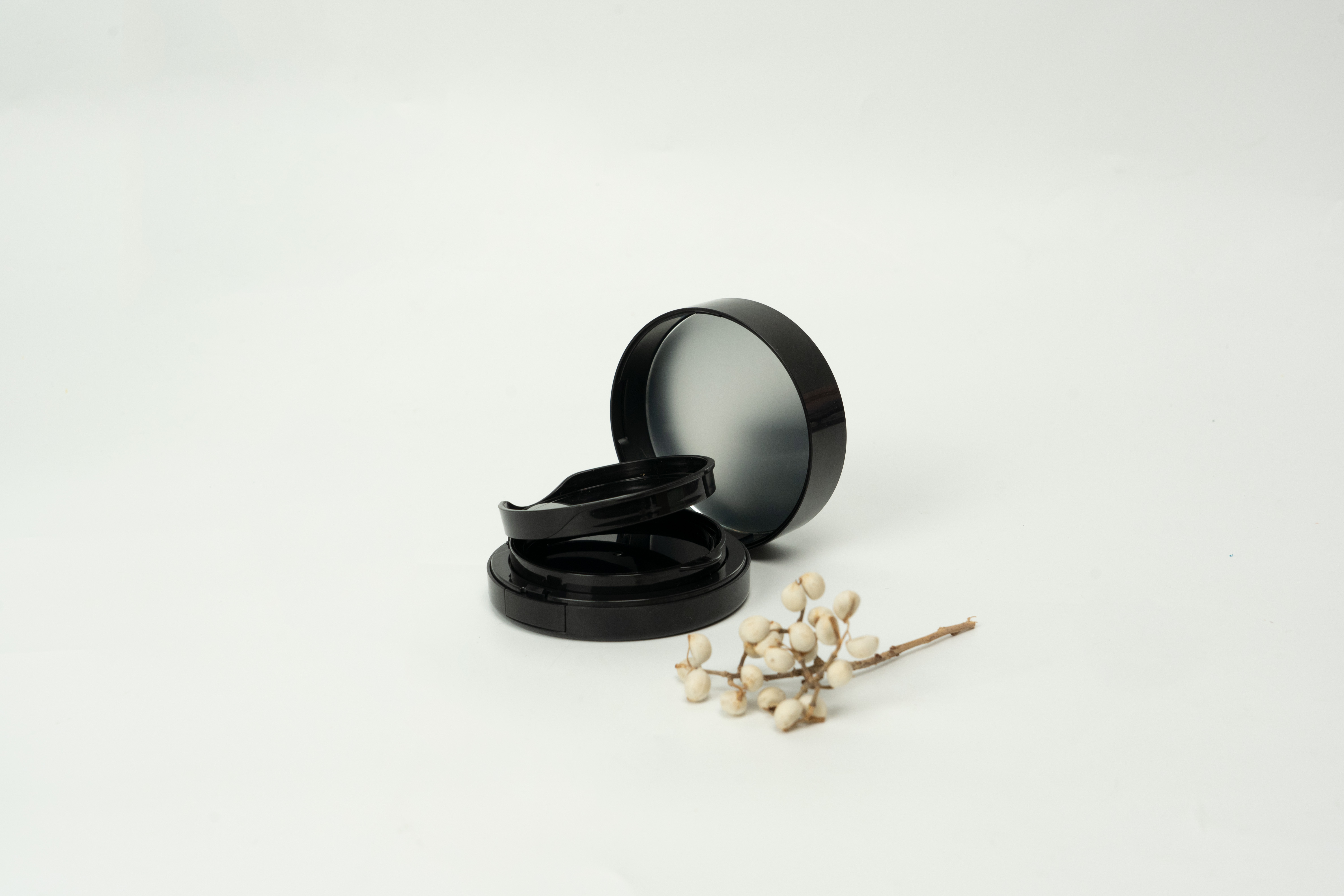
In the competitive landscape of cosmetic packaging, the powder compact stands as one of the most essential and sophisticated tools for beauty product presentation. Modern consumers demand both functionality and aesthetic appeal from their cosmetic containers, making the selection of a high-quality powder compact crucial for brands seeking to establish market presence. Understanding the key features that distinguish premium powder compacts from standard alternatives enables manufacturers and beauty brands to make informed decisions that enhance product value and customer satisfaction.
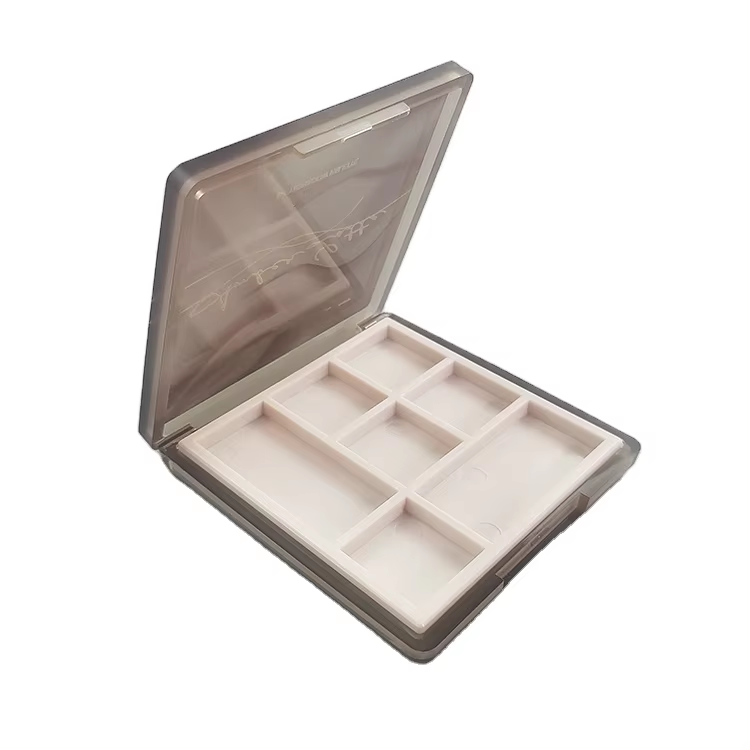
Essential Design Elements for Premium Powder Compacts
Ergonomic Construction and User Experience
The foundation of any exceptional powder compact lies in its ergonomic design that prioritizes user comfort and practical functionality. High-quality compacts feature carefully contoured edges that fit naturally in the palm, preventing slippage during application. The weight distribution should feel balanced, neither too heavy nor too light, creating a sense of luxury without causing fatigue during extended use. Professional-grade compacts incorporate subtle texturing on grip areas to enhance handling security, particularly important for professional makeup artists working in fast-paced environments.
Surface design considerations extend beyond mere aesthetics to include practical elements such as fingerprint resistance and easy cleaning capabilities. Premium powder compacts often feature specialized coatings that maintain their appearance despite frequent handling, ensuring the product continues to reflect brand quality throughout its lifecycle. The overall form factor must accommodate various hand sizes while maintaining a compact profile suitable for travel and storage in limited spaces.
Mirror Integration and Optical Quality
A distinguishing characteristic of superior powder compacts involves the integration of high-quality mirrors that provide clear, distortion-free reflection. The mirror surface should utilize genuine glass rather than plastic alternatives, offering superior clarity and durability that maintains its reflective properties over time. Edge finishing around the mirror prevents chipping and ensures seamless integration with the compact housing, creating a professional appearance that enhances the overall user experience.
Mirror positioning within the compact requires precise engineering to achieve optimal viewing angles while maximizing the available surface area. The mounting system must provide secure attachment that prevents loosening or separation during regular use, while allowing for potential replacement if necessary. Advanced powder compact designs incorporate slight curvature in the mirror surface to provide enhanced viewing perspectives, particularly beneficial for detailed application work.
Advanced Closure Mechanisms and Security Features
Precision Hinge Systems
The hinge mechanism represents a critical component that directly impacts the longevity and user satisfaction of any powder compact. Premium units utilize multi-point hinge designs that distribute stress evenly across the connection points, preventing premature wear and maintaining smooth operation throughout the product lifecycle. The hinge tension must provide sufficient resistance to prevent accidental opening while allowing effortless single-handed operation when desired.
Professional-grade hinge systems often incorporate self-limiting mechanisms that prevent over-extension, protecting both the hinge components and the mirror from damage. The materials used in hinge construction should resist corrosion and maintain their mechanical properties despite exposure to cosmetic ingredients and environmental conditions. Quality manufacturers employ precision machining techniques to ensure consistent hinge performance across production runs, eliminating variations that could compromise user experience.
Secure Closure Technology
Effective closure systems in high-quality powder compacts balance security with accessibility, ensuring the product remains sealed during transport while allowing quick access when needed. Magnetic closure systems have gained popularity due to their silent operation and reliable engagement, utilizing rare earth magnets that maintain their strength over extended periods. The magnetic field strength must be calibrated to provide secure closure without creating excessive resistance during opening.
Alternative closure mechanisms include precision-fitted mechanical latches that provide tactile feedback upon engagement, ensuring users can confirm secure closure without visual inspection. These systems require careful tolerance control during manufacturing to maintain consistent engagement force while accommodating normal wear patterns. The closure design should integrate seamlessly with the overall aesthetic while providing clear indication of the closed state through visual or tactile cues.
Material Selection and Durability Considerations
Housing Material Properties
The selection of housing materials significantly influences both the performance characteristics and perceived quality of powder compacts. Premium compacts typically utilize high-grade metals such as aluminum alloys or stainless steel that offer excellent durability while maintaining reasonable weight characteristics. These materials provide superior resistance to deformation and wear compared to plastic alternatives, ensuring the compact maintains its shape and functionality throughout its service life.
Surface treatment options for metal housings include anodization, powder coating, and specialized plating processes that enhance both appearance and protective properties. These treatments must demonstrate resistance to common cosmetic ingredients, including oils, alcohols, and preservatives that could cause discoloration or surface degradation. The material selection process should consider thermal expansion characteristics to ensure dimensional stability across temperature ranges commonly encountered during shipping and storage.
Interior Component Integration
Interior components of high-quality powder compacts require materials that maintain their properties despite direct contact with cosmetic formulations. The powder pan, typically manufactured from food-grade metals or specialized plastics, must provide a smooth surface that facilitates easy product removal while resisting staining and odor absorption. Proper material selection ensures compatibility with various powder formulations without compromising product integrity or user safety.
Sealing elements within the compact, including gaskets and barrier strips, utilize materials specifically chosen for their chemical resistance and flexibility retention. These components prevent powder migration between compartments and protect the mirror surface from contamination. The integration of these elements requires precise manufacturing tolerances to ensure effective sealing without interfering with normal operation or creating excessive closure resistance.
Manufacturing Excellence and Quality Control Standards
Precision Manufacturing Processes
High-quality powder compact production relies on advanced manufacturing techniques that ensure consistent dimensional accuracy and surface finish quality. CNC machining processes enable the creation of complex geometries with tight tolerances, ensuring proper fit and finish across all components. The manufacturing sequence must be carefully controlled to maintain alignment between mating surfaces and prevent the introduction of defects that could compromise functionality or appearance.
Surface finishing operations require specialized equipment and expertise to achieve the smooth, uniform appearance expected in premium cosmetic packaging. These processes include polishing, texturing, and coating applications that must be performed under controlled conditions to ensure repeatability and consistency. Quality manufacturing facilities employ environmental controls that prevent contamination during production while maintaining the cleanliness standards required for cosmetic packaging applications.
Quality Assurance Protocols
Comprehensive quality control measures ensure that each powder compact meets established performance standards before reaching the consumer market. Testing protocols include mechanical durability assessments that simulate extended use conditions, evaluating hinge performance, closure reliability, and overall structural integrity. These tests must accurately represent real-world usage patterns while providing accelerated results that enable timely production decisions.
Chemical compatibility testing verifies that all materials used in powder compact construction remain stable when exposed to typical cosmetic formulations and environmental conditions. This testing encompasses both short-term exposure scenarios and long-term aging studies that reveal potential degradation mechanisms. Documentation of test results provides traceability and supports continuous improvement initiatives that enhance product quality over time.
FAQ
What materials are commonly used in high-quality powder compact construction?
Premium powder compacts typically utilize aluminum alloys, stainless steel, or high-grade zinc alloys for their housing construction, offering excellent durability and corrosion resistance. Interior components often employ food-grade plastics or specialized metal alloys that maintain compatibility with cosmetic formulations while providing smooth surfaces for product application. Surface treatments such as anodization or powder coating enhance both aesthetic appeal and protective properties, ensuring long-term performance under normal use conditions.
How do magnetic closure systems compare to traditional mechanical latches in powder compacts?
Magnetic closure systems offer several advantages including silent operation, consistent engagement force, and elimination of mechanical wear points that can develop play over time. These systems utilize rare earth magnets strategically positioned to provide secure closure while allowing effortless opening with appropriate force application. Traditional mechanical latches may offer more positive tactile feedback and can be designed to provide visual indication of closure status, making them suitable for applications where confirmation of secure closure is critical.
What factors should be considered when selecting a powder compact for professional makeup applications?
Professional makeup artists require powder compacts that offer rapid access, secure closure, and durability under frequent use conditions. Key considerations include hinge reliability, mirror quality for accurate color matching, and ergonomic design that facilitates extended use without fatigue. The compact should accommodate easy product refilling and cleaning while maintaining its appearance despite exposure to various cosmetic products and frequent handling in professional environments.
How important is mirror quality in determining overall powder compact value?
Mirror quality significantly impacts user satisfaction and perceived product value, as distorted or low-quality reflective surfaces compromise application accuracy and create negative user experiences. High-quality mirrors utilize genuine glass with proper silvering processes that maintain clarity and reflection accuracy over time. The mounting system must provide secure attachment while preventing edge damage, and the mirror size should be optimized for the intended application while fitting within the compact's overall design constraints.
Table of Contents
- Essential Design Elements for Premium Powder Compacts
- Advanced Closure Mechanisms and Security Features
- Material Selection and Durability Considerations
- Manufacturing Excellence and Quality Control Standards
-
FAQ
- What materials are commonly used in high-quality powder compact construction?
- How do magnetic closure systems compare to traditional mechanical latches in powder compacts?
- What factors should be considered when selecting a powder compact for professional makeup applications?
- How important is mirror quality in determining overall powder compact value?