
 EN
EN



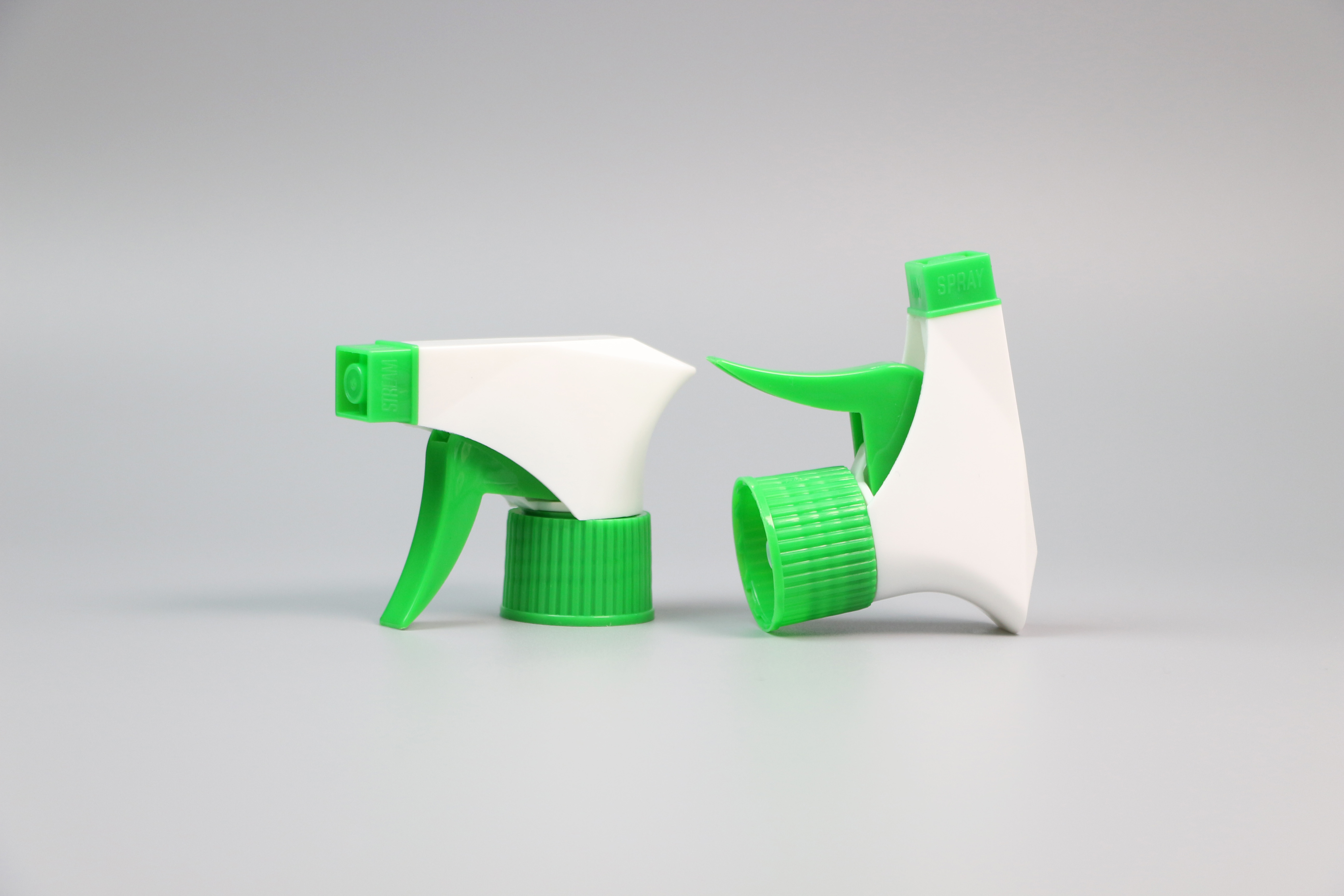
A trigger sprayer is a fundamental component in countless household, commercial, and industrial applications, yet most users never pause to consider how its design directly influences their experience. The mechanics of a trigger sprayer determine not only the consistency and coverage of the spray pattern but also the level of control and comfort an operator enjoys during extended use. Understanding how trigger sprayer design impacts spray performance and user control is essential for manufacturers, product developers, and anyone seeking to optimize their spraying equipment for reliability and precision.
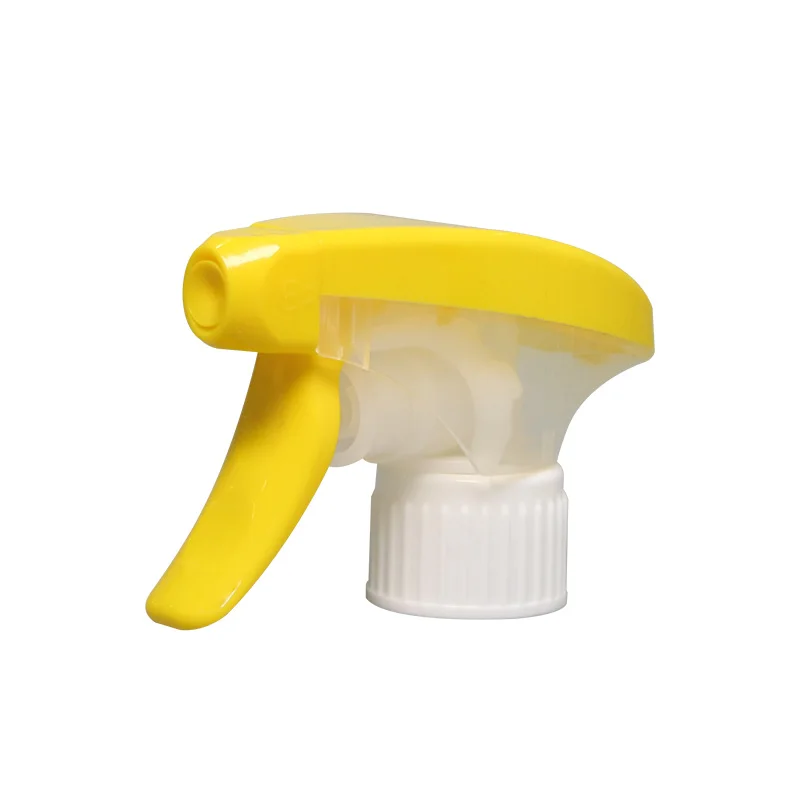
The quality and functionality of a trigger sprayer depend on numerous interconnected design elements. From the internal valve mechanism to the nozzle geometry, each feature plays a critical role in delivering consistent spray patterns and maintaining user comfort. By examining these design factors in detail, operators and procurement professionals can make informed decisions about which trigger sprayer models best suit their specific applications and performance requirements.
Core Design Elements of Trigger Sprayer Systems
Internal Valve Mechanism and Spray Consistency
The internal valve mechanism is the heart of any trigger sprayer, governing how liquid flows from the reservoir through the spray outlet. A well-engineered trigger sprayer uses a precision-designed valve that opens smoothly when pressure is applied and closes completely when released, ensuring predictable spray bursts. The seal quality within a trigger sprayer directly affects leakage prevention and consistent spray delivery across thousands of activations. Poor valve design leads to dripping, uneven spray patterns, and frustration during use.
The spring tension in a trigger sprayer mechanism must be calibrated carefully to balance ease of use with spray precision. If the spring is too stiff, users experience hand fatigue during prolonged spraying sessions; if too loose, the valve may not seal properly, compromising the trigger sprayer's reliability. Advanced trigger sprayer designs incorporate multi-stage valve systems that allow operators to achieve both fine mist and powerful stream modes from a single trigger sprayer unit.
Nozzle Design and Spray Pattern Formation
The nozzle is arguably the most visible component of a trigger sprayer and has the greatest influence on final spray characteristics. A trigger sprayer equipped with a precision-molded nozzle produces coherent, directional spray patterns that minimize overspray and material waste. Different nozzle apertures and internal channel geometries within a trigger sprayer create distinct spray profiles, ranging from ultra-fine mists to concentrated jets suitable for heavy-duty cleaning or agricultural applications.
Modern trigger sprayer designs often feature interchangeable or multi-mode nozzles that allow users to switch between spray patterns without removing the trigger sprayer from the application. This flexibility significantly enhances the utility of a single trigger sprayer across multiple use cases, reducing the need for specialized equipment and improving operational efficiency in professional settings.
Impact on User Control and Comfort
Ergonomic Trigger Design and Handling
User control begins with the physical design of the trigger itself on a trigger sprayer. An ergonomic trigger sprayer features a contoured, finger-friendly lever that distributes pressure across the palm and fingers rather than concentrating force at a single point. The angle and curvature of a well-designed trigger sprayer reduce muscle strain and allow operators to maintain precise control even during extended use sessions. Industrial-grade trigger sprayer models often incorporate cushioned grips and adjustable trigger tension settings to accommodate different hand sizes and strength levels.
The feedback a user receives when operating a trigger sprayer significantly impacts their sense of control and confidence. A high-quality trigger sprayer delivers tactile and auditory feedback through a smooth, responsive trigger action that gives the operator immediate awareness of spray activation and intensity. Poor trigger sprayer design creates mushy, unpredictable activation that leaves users uncertain about whether their spray command was registered, leading to hesitation and inconsistent application patterns.
Spray Accuracy and Application Precision
Precision spray application depends heavily on how a trigger sprayer delivers liquid at the target area. When a trigger sprayer is engineered for minimal drift and maximum directional control, operators can apply treatments or cleaning solutions exactly where needed, avoiding damage to adjacent surfaces and improving material efficiency. This precision is especially critical in medical, laboratory, and food processing environments where cross-contamination or overspray poses significant risks.
The relationship between trigger sensitivity and spray accuracy in a trigger sprayer cannot be overstated. A trigger sprayer that responds predictably to subtle pressure variations allows operators to achieve fine control over spray intensity without completely releasing the trigger. This fine-tuning capability transforms a trigger sprayer from a simple on-off device into a precision instrument suited for delicate applications like horticulture, cosmetic dispensing, and equipment maintenance.
Real-World Performance Considerations
Durability and Long-Term Reliability
Trigger sprayer design must balance immediate performance with long-term durability under demanding field conditions. A robust trigger sprayer uses materials and manufacturing processes that resist chemical corrosion, UV degradation, and mechanical wear from repeated activation cycles. Industrial-duty trigger sprayer models incorporate reinforced components in high-stress areas, such as the valve seat and trigger pivot points, ensuring consistent performance across hundreds of thousands of spray cycles.
The material selection for a trigger sprayer affects both its lifespan and its compatibility with different liquid formulations. Some trigger sprayer designs use plastic components that work well with water-based products but may swell or degrade when exposed to solvents or caustic chemicals. Premium trigger sprayer models often feature chemical-resistant elastomers and corrosion-proof metal components, making them suitable for a broader range of applications without performance degradation over time.
Environmental and Cost Factors
Efficient trigger sprayer design minimizes product waste and environmental impact while reducing operational costs. A trigger sprayer that delivers consistent spray coverage with minimal overspray reduces the volume of liquid required to treat a given area, translating directly to cost savings and reduced environmental footprint. Optimized trigger sprayer nozzle geometry also reduces aerosol formation, which is important in applications where vapor inhalation poses health concerns.
The selection of appropriate trigger sprayer technology can significantly influence total cost of ownership across an organization. While premium trigger sprayer models may carry higher upfront costs, their superior reliability, longer service life, and reduced product waste often justify the investment for high-volume users. Many enterprises find that upgrading to purpose-built trigger sprayer solutions optimized for their specific applications yields measurable improvements in productivity and profitability.
FAQ
How does trigger sprayer nozzle size affect spray distance and coverage area?
Larger nozzle apertures in a trigger sprayer allow greater liquid flow, increasing spray distance and coverage area but potentially reducing spray precision. Smaller nozzles in a trigger sprayer produce finer, more controlled patterns with shorter effective range. The optimal nozzle size depends on the intended application; a trigger sprayer for detail cleaning requires precision, while a trigger sprayer for floor treatment benefits from broader coverage.
Can different liquid viscosities affect trigger sprayer performance and control?
Yes, liquid viscosity significantly impacts trigger sprayer performance. Thicker formulations require more pressure to atomize properly through a trigger sprayer nozzle, potentially reducing spray fineness and increasing trigger force requirements. A trigger sprayer designed for water-based solutions may struggle with oils or gels, while a premium trigger sprayer uses valve designs that maintain consistent spray characteristics across a wider viscosity range.
What maintenance practices help preserve trigger sprayer spray pattern quality over time?
Regular cleaning of the trigger sprayer nozzle prevents mineral deposits and product residue from accumulating and distorting the spray pattern. Store a trigger sprayer upright in a cool, dry location to prevent seal degradation. Flushing the trigger sprayer system with clean water after using caustic or thick products maintains valve functionality. Periodic inspection of the trigger sprayer spring and seal ensures early detection of wear before complete performance failure occurs.