
 EN



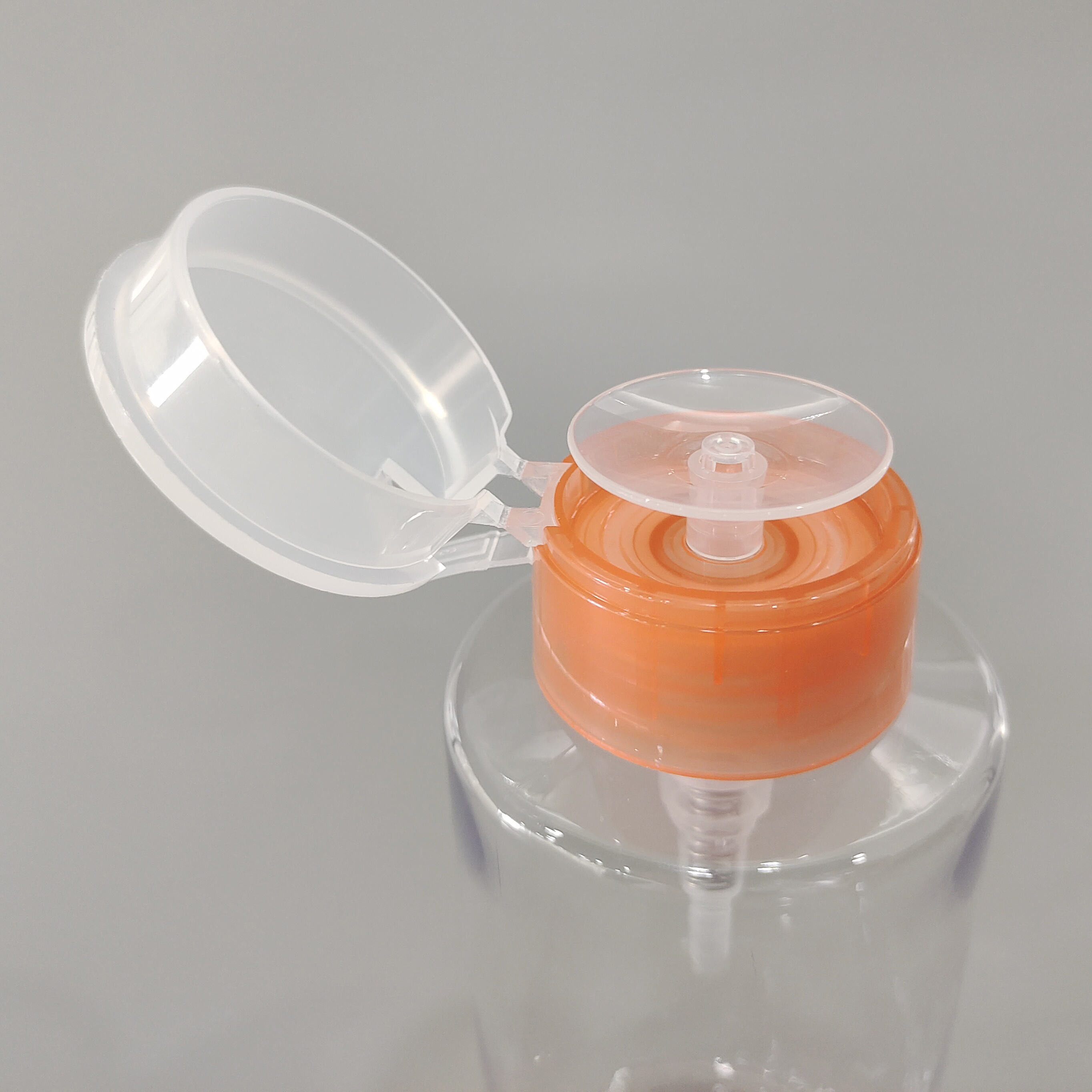
The nail pump represents a critical component in professional nail care applications, where precision liquid dispensing directly impacts service quality and client satisfaction. A well-engineered nail pump design ensures consistent, controlled delivery of products like gel, acrylic, or nail treatments, eliminating waste and reducing product inconsistency. Understanding how nail pump technology works helps professionals select the right tools for their specific workflow needs and operational demands.
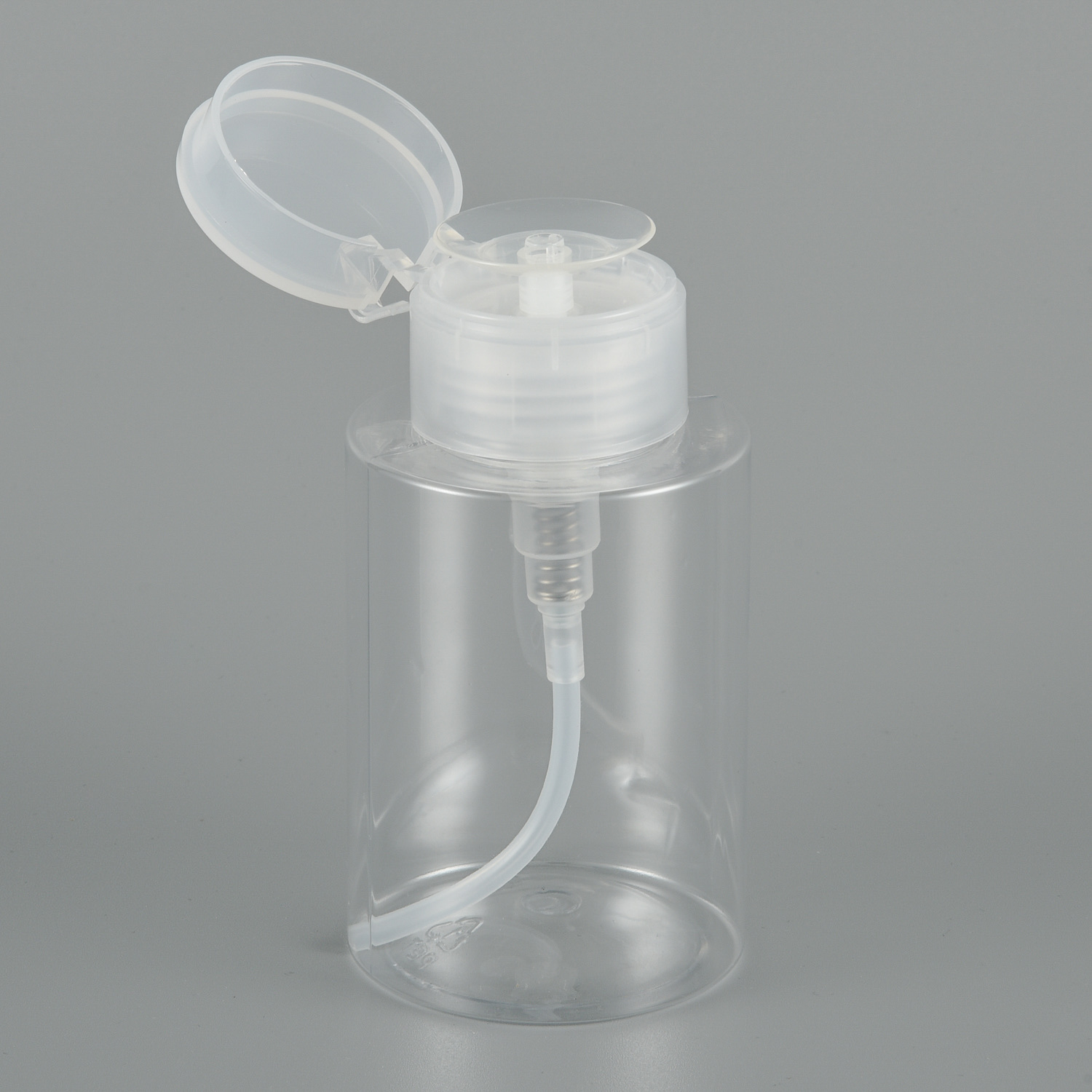
Professional nail care environments demand reliability and efficiency from every tool. The nail pump is no exception, as it directly influences how quickly technicians can serve clients while maintaining precision in product application. Modern nail pump designs incorporate ergonomic features, durability, and materials that withstand frequent use in busy salon settings. This article explores the core mechanisms behind effective nail pump design and how these innovations translate into superior liquid control for professional applications.
How Nail Pump Design Mechanism Improves Precision Control
Internal Engineering of the Nail Pump
A quality nail pump operates through carefully engineered internal components that regulate flow rate and pressure. The nail pump design typically includes a trigger mechanism, internal spring system, and calibrated nozzle that work together to deliver exact amounts of product per stroke. This mechanical precision prevents over-dispensing, which can lead to wasted product and inconsistent application. The spring tension in the nail pump determines how much force is required to activate the pump and controls the return speed, affecting user comfort and repeatability across multiple applications.
The valve system within a nail pump is fundamental to controlling liquid flow. Advanced nail pump designs feature multi-stage valves that prevent backflow, reduce dripping, and maintain pressure consistency throughout the container's lifecycle. When the trigger is pressed, the nail pump's valve opens to allow product to flow through the nozzle, and when released, it seals immediately to prevent waste. This rapid, responsive valve action is what distinguishes professional-grade nail pump models from basic alternatives, enabling technicians to dispense exactly the right amount of gel, acrylic primer, or treatment liquid without spillage.
Material Selection in Nail Pump Construction
The materials used in nail pump construction directly affect liquid control performance and product compatibility. Professional nail pump designs employ durable plastics, stainless steel components, and chemical-resistant seals to withstand exposure to solvents, acrylics, and gel products. When a nail pump is constructed with inferior materials, seals can degrade, leading to inconsistent spray patterns or leakage. A robust nail pump design maintains structural integrity even under repeated daily use, preserving the precision spray or stream delivery that professionals depend on. Corrosion-resistant components in the nail pump ensure that the device performs consistently regardless of the chemical composition of the products being dispensed.
Liquid Control Features That Define Professional Nail Pump Performance
Nozzle Design and Spray Pattern Consistency
The nozzle is where nail pump design decisions most directly impact the end user experience. Professional nail pump models offer interchangeable or adjustable nozzles that produce either fine spray, stream, or foam patterns depending on the application requirement. A precision nail pump design ensures that the nozzle maintains consistent spray geometry with every trigger pull, preventing product waste and ensuring even coverage on nail surfaces. The nail pump's nozzle bore diameter is calibrated to work with specific viscosity ranges, so selecting the correct nail pump variant for your product type is essential for maintaining optimal liquid control and application consistency.
Spray pattern uniformity in a nail pump depends on the internal baffle system and pressure regulation. When the nail pump's internal pressure is stable, the liquid exits the nozzle in a predictable, repeatable pattern. This consistency allows technicians to work faster and with greater confidence, knowing that each application delivers the expected amount of product. Poor nail pump design can result in erratic spray patterns, requiring multiple pumps to achieve the desired coverage, which increases product consumption and reduces operational efficiency.
Trigger Ergonomics and User Control
Trigger ergonomics in nail pump design directly influence how much control a technician maintains during application. A well-designed nail pump features a smooth trigger action with minimal dead travel, meaning the pump responds immediately when pressure is applied. This responsiveness is crucial in nail care work, where quick, precise adjustments are often necessary. The nail pump's trigger should require moderate force—enough to prevent accidental activation but not so much that hand fatigue becomes an issue during extended use. Professional-grade nail pump models incorporate finger supports and contoured trigger designs that promote proper grip and reduce repetitive strain.
The return action of the trigger is equally important in nail pump performance. When released, the trigger should snap back quickly, resetting the pump mechanism for the next stroke. A sluggish nail pump trigger return can interrupt workflow and create inconsistency in application pressure. Technicians working with a superior nail pump design experience less hand fatigue, which translates to longer working hours and more consistent results throughout the day.
Practical Benefits of Advanced Nail Pump Design in Professional Settings
Product Efficiency and Cost Reduction
Implementing a nail pump with superior design directly impacts a salon's bottom line through reduced product waste. A precision nail pump dispenses only the amount needed for each application, whereas inconsistent designs often result in over-application and spillage. Over the course of a month, a professional nail care facility using well-designed nail pump products can reduce costs significantly by minimizing waste. The nail pump's accurate metering also ensures that techs spend less time applying product and more time serving clients, improving operational throughput. When every application from the nail pump uses the correct amount of product, margins improve and material costs become more predictable.
The reliability of a well-engineered nail pump also reduces downtime and replacement costs. A professional nail pump that maintains consistent performance over months of heavy daily use eliminates the need for frequent replacements. Investing in quality nail pump designs pays dividends through extended equipment lifespan and reduced operational interruptions.
Service Quality and Client Satisfaction
Clients notice the difference that advanced nail pump design makes in application quality. When a nail pump delivers consistent, even coverage without drips or uneven saturation, the final aesthetic result is superior. Professional nail pump designs enable technicians to work more precisely, reducing the need for corrections or touch-ups. This precision translates directly into higher client satisfaction and repeat business. A technician using a superior nail pump can complete applications faster and with fewer mistakes, creating a more professional impression and encouraging referrals.
The reliability of a professional nail pump also builds client trust. When clients see that the technician is using carefully engineered equipment, they perceive higher professionalism and expertise. Conversely, visible product dripping or inconsistent application from a poorly designed nail pump can undermine confidence in the technician's skills, even if the technician is highly experienced.
FAQ
What is the ideal pressure range for a professional nail pump?
Professional nail pump designs typically operate in the 0.5 to 2.0 bar pressure range, adjustable based on product viscosity and desired application method. A nail pump operating within this range maintains liquid control while allowing for both spray and stream nozzle functionality. Pressure below this range may result in inconsistent spray, while excessive pressure can cause product waste and uncontrollable application patterns.
How often should a nail pump be serviced or replaced?
A quality nail pump used in professional settings typically requires internal cleaning weekly and seal inspection monthly to maintain optimal performance. With proper maintenance, a well-designed nail pump can perform reliably for 12 to 18 months in high-volume salon environments. If a nail pump begins showing inconsistent spray patterns or reduced control, it may be time to replace internal seals or the entire unit, depending on the manufacturer's service recommendations.
Can one nail pump work with multiple product types?
Yes, a versatile nail pump design can work with various products, but selecting the correct nozzle type and pressure setting for each product's viscosity is essential. Some professional nail pump systems offer interchangeable nozzles and adjustable pressure, allowing one base unit to handle gel, acrylic, liquid, and treatment products effectively. However, certain specialized products may require a dedicated nail pump design optimized for that product's specific chemical properties and flow characteristics.