
 EN
EN



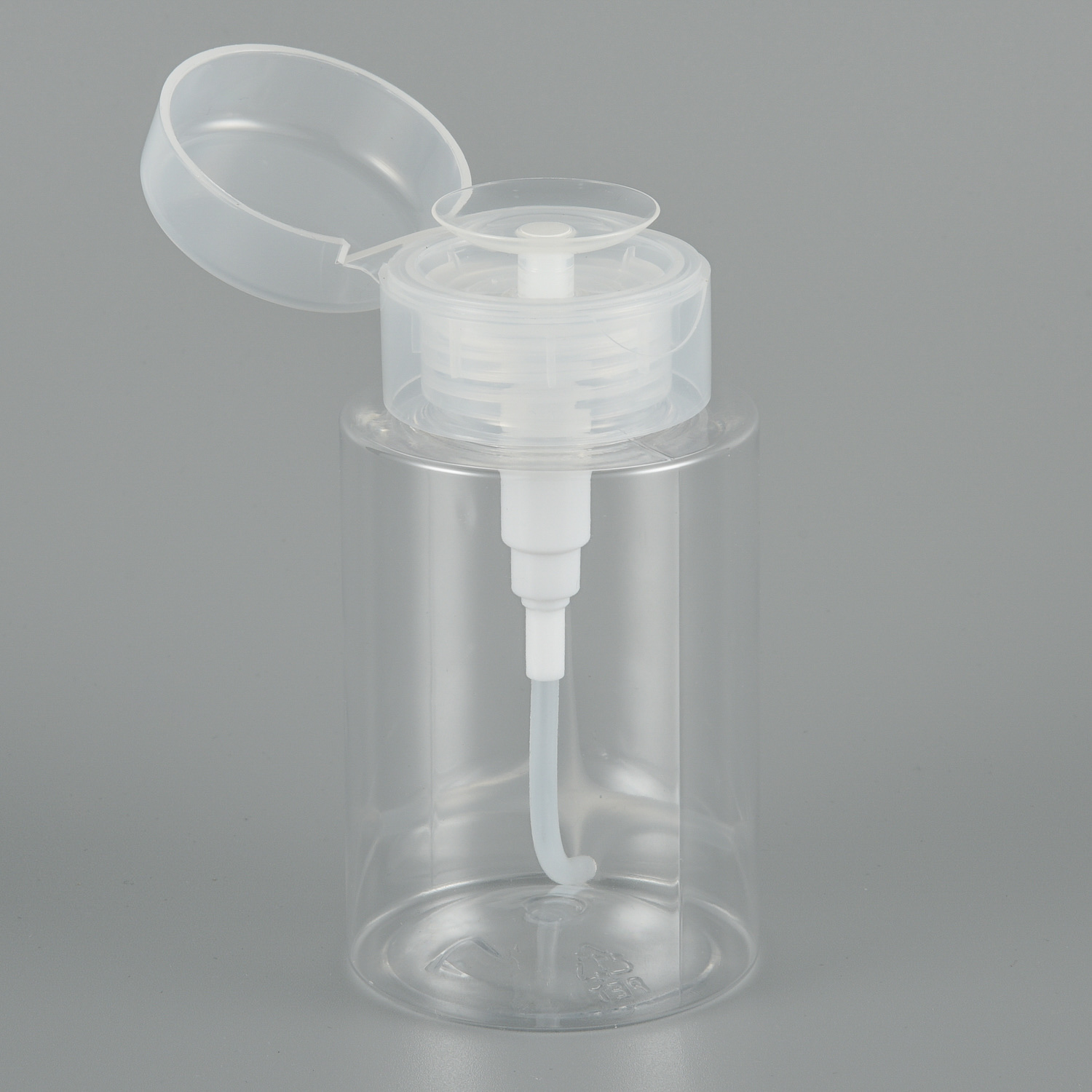
A nail pump is one of the most critical dispensing tools in any professional or retail nail treatment setting. Whether used in a salon, spa, or manufacturing line for nail care products, the nail pump must reliably handle a wide range of liquid formulas without clogging, leaking, or dispensing inaccurately. Understanding how a nail pump is engineered to adapt to these varying liquid types helps buyers and formulators make smarter packaging decisions.

The nail treatment industry relies on a diverse portfolio of liquids — from thin, fast-evaporating nail removers to thick, viscous cuticle creams and conditioning serums. Each of these formulas places distinct demands on a nail pump. A well-designed nail pump must balance flow rate, material compatibility, sealing integrity, and dosage precision across all these liquid categories. This article explores exactly how a nail pump achieves that adaptability in practice.
Viscosity Compatibility in Nail Pump Design
How Nail Pump Components Handle Thin Liquids
Thin liquids such as nail polish remover, nail strengthener serum, and liquid cuticle softeners have very low viscosity. For a nail pump dispensing these products, the internal spring tension and ball valve clearance must be calibrated precisely. If the spring resistance is too high, the nail pump will under-deliver. If the ball valve seat is too loose, a thin liquid nail pump will drip between uses, wasting product and creating mess. Manufacturers typically adjust the dip tube diameter and the ball valve tolerance in a nail pump to ensure a clean, controlled output for low-viscosity nail treatment liquids.
Adapting Nail Pump Mechanics for Thick Formulas
Thick nail treatment products — such as cuticle cream, nail strengthening gel, and enriched conditioning balm — require a nail pump with a wider intake path and a stronger piston stroke. A standard nail pump designed for water-thin serums will stall or require excessive force when used with dense formulations. High-viscosity nail pump models feature a larger orifice size, a more robust actuator, and a reinforced piston assembly. These modifications allow the nail pump to draw thick liquids upward through the dip tube smoothly, delivering a consistent dose with each press. The output volume of a nail pump for thick products is typically measured at 2cc to 4cc per stroke, ensuring the user receives an adequate and repeatable amount of product.
Chemical Compatibility and Material Selection
Why Material Choice Defines Nail Pump Performance
Nail treatment liquids are often chemically aggressive. Acetone-based removers, alcohol-heavy sanitizing formulas, and solvent-containing nail prep solutions can degrade standard plastics quickly. A nail pump used with these products must be constructed from chemically resistant materials. High-density polyethylene (HDPE), polypropylene (PP), and certain grades of nylon are commonly selected for nail pump components that come into direct contact with solvents. The gaskets and seals inside a nail pump are equally important — standard rubber gaskets dissolve rapidly in acetone-heavy liquids, so a nail pump for solvent-based nail products typically uses PTFE or solvent-resistant elastomer seals instead.
Corrosion Resistance in Metal Nail Pump Parts
Many nail pump designs incorporate a stainless steel or aluminum spring and collar. When a nail pump is paired with acidic or alkaline nail treatment solutions — such as pH-adjusting nail prep fluids or vitamin-infused serums — the metal components must resist corrosion. An aluminum-body nail pump with anodized or coated internal metal parts is a strong choice for these applications. This ensures that the nail pump does not introduce metallic contamination into the product and that the spring mechanism retains its tension over time, preserving accurate dosage delivery throughout the product's shelf life.
Dosage Precision and Dispensing Control Across Liquid Types
Calibrating a Nail Pump for Treatment Accuracy
Precision is a defining requirement for any nail pump used in professional nail treatment. A nail technician depends on the nail pump to deliver the correct volume of product every time — too little serum means an ineffective treatment, while too much remover means wasted formula and potential skin irritation. The nail pump achieves dosage control through the precise alignment of piston travel distance and chamber volume. A nail pump rated at 1cc per stroke will deliver that volume consistently across hundreds of uses, regardless of whether the liquid is thin or moderately thick. For highly viscous formulas, the nail pump stroke volume is typically set higher to account for the resistance the thick liquid places on the intake mechanism.
Air-Free Dispensing and Contamination Prevention
Many nail treatment liquids are sensitive to air exposure. Nail serums enriched with vitamins, oils infused with active botanicals, and oxidation-prone nail care compounds all degrade when exposed to oxygen repeatedly. A well-engineered nail pump minimizes air re-entry into the bottle after each press. Airless nail pump variants take this a step further by using a follower piston inside the bottle that rises as product is consumed, eliminating the headspace entirely. This makes the nail pump a preferred dispensing solution for premium, active-ingredient nail treatment products where formula integrity must be preserved from first use to last.
FAQ
Can one nail pump model work for both thin and thick nail treatment liquids?
In most cases, a single nail pump model is optimized for a specific viscosity range. Using a nail pump designed for thin liquids with a thick cuticle cream will result in poor delivery and excess actuator force. For best results, select a nail pump that is specifically calibrated to the viscosity of your nail treatment formula. Some versatile nail pump models with adjustable dip tube diameters can bridge mid-range viscosities, but extreme cases still require dedicated configurations.
How do I know if a nail pump is chemically compatible with my nail treatment formula?
The safest approach is to request material composition details from your nail pump supplier, then cross-reference the listed materials against the chemical profile of your formula. A nail pump used with acetone or alcohol-based nail products must have solvent-resistant seals and chemical-grade plastic components. Immersion testing — where nail pump parts are submerged in the formula for 24 to 72 hours — is a common validation method used by nail treatment product developers before finalizing packaging.
What stroke volume should a nail pump have for professional nail treatment use?
For most nail treatment applications, a nail pump with a stroke volume between 1cc and 4cc is appropriate. Thin nail serums and removers typically pair well with a nail pump at 1cc to 2cc per stroke to avoid over-dispensing. Thicker nail creams and conditioning treatments benefit from a nail pump set at 3cc to 4cc per stroke for adequate product delivery. Always verify that the nail pump stroke volume aligns with the intended application amount to support both efficiency and formula performance.