
 EN
EN



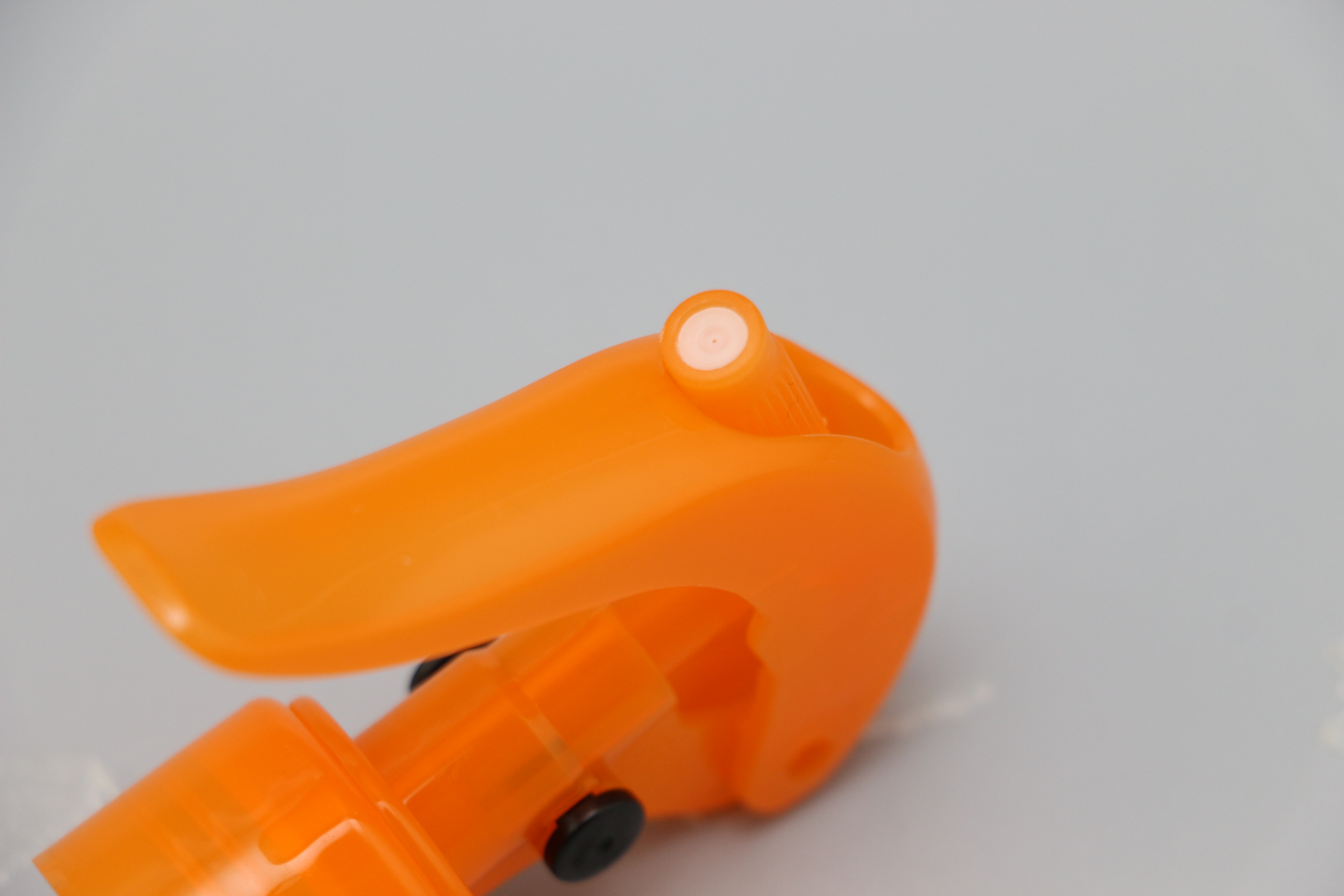
When it comes to dispensing thick skincare products, the cream pump plays a central role in determining whether the user experience feels effortless or frustrating. High viscosity formulations such as rich moisturizers, body butters, and dense serums present unique engineering challenges that a standard liquid pump cannot reliably handle. Understanding how a well-engineered cream pump resolves these challenges helps brands make better packaging decisions and helps consumers appreciate why quality dispensing hardware matters so much.
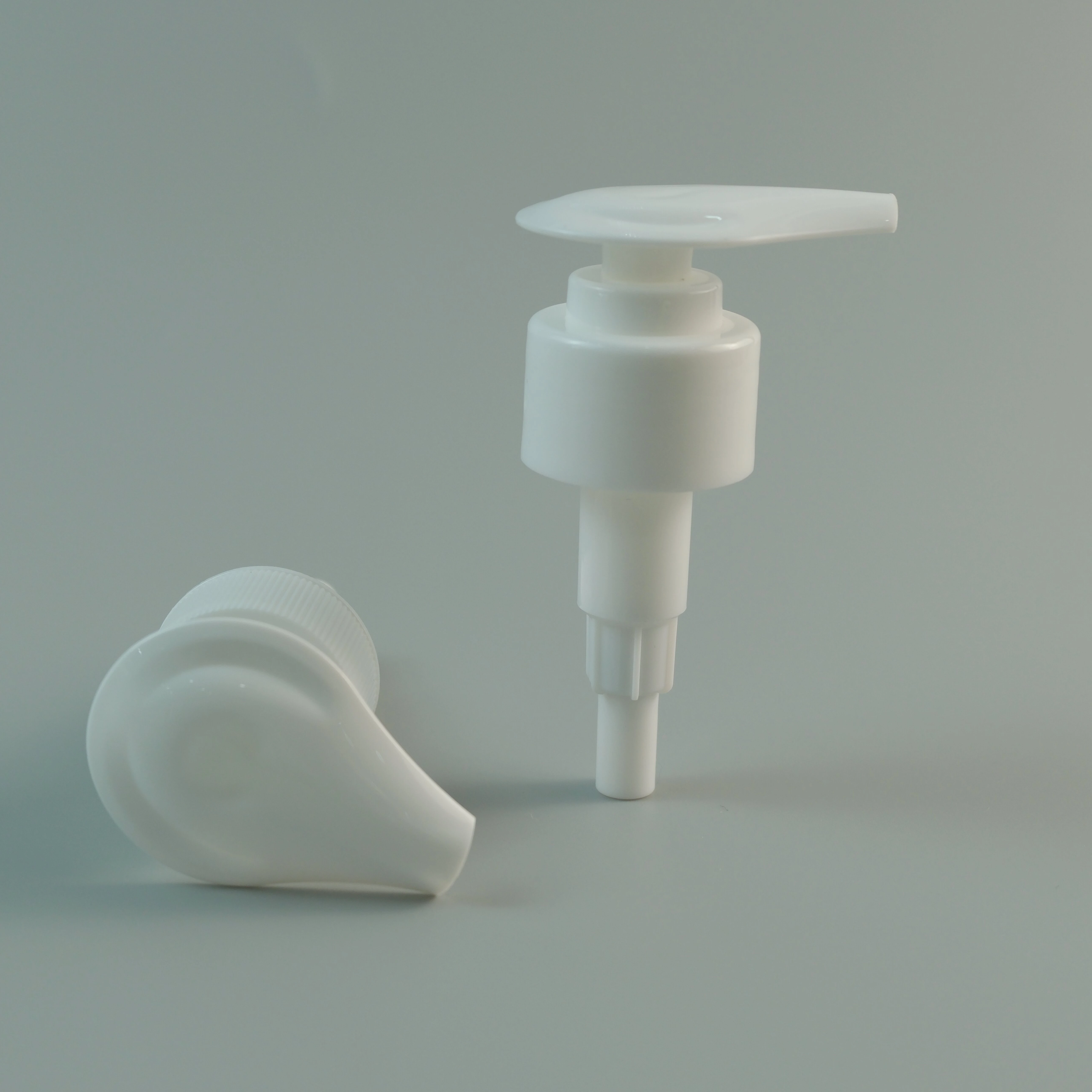
A cream pump must overcome the natural resistance of thick formulations by generating sufficient internal pressure while maintaining a controlled, mess-free output. Every component inside a cream pump — from the dip tube to the actuator — is engineered to work in harmony. When any single part is poorly designed, the entire cream pump system fails to deliver consistent product flow, leading to wasted product, consumer frustration, and damaged brand perception.
Core Mechanical Principles Behind Cream Pump Performance
Piston and Spring Tension in a Cream Pump
The piston is one of the most critical elements inside any cream pump designed for high viscosity products. Unlike pumps intended for watery serums, a cream pump uses a heavier-duty spring with calibrated tension that can compress and rebound smoothly even when resisting thick formulas. This spring tension determines the actuation force required by the user, and a well-calibrated cream pump strikes a balance between ease of pressing and secure product retention between uses.
The piston seal within the cream pump must form a tight closure against the chamber walls to prevent thick product from leaking backward into the bottle between each actuation. When this seal degrades or is poorly manufactured, the cream pump loses prime and begins dispensing inconsistent amounts. Brands sourcing a cream pump for dense skincare lines should always verify piston seal quality under repeated-use conditions to ensure long-term reliability.
Dip Tube Diameter and Flow Path Design
The dip tube is the pathway through which the cream pump draws product upward from the bottle. For high viscosity skincare formulations, the dip tube diameter must be wider than that used in standard lotion pumps. A narrow tube creates excessive flow resistance, forcing the cream pump to work harder with each press and making it more likely to fail prematurely or deliver inconsistent doses.
A quality cream pump also uses a smooth internal bore without sharp angles that could trap dense product or create air pockets. Air pockets are one of the leading causes of cream pump malfunction in thick formulations because they interrupt the suction cycle. Precision-molded dip tubes that fit snugly at both the pump body and the bottle base ensure the cream pump maintains a reliable prime throughout the entire product lifecycle.
Actuator and Orifice Engineering for Smooth Output
Actuator Shape and Nozzle Opening in the Cream Pump
The actuator is the visible top portion of the cream pump that the user presses. Its internal channel must be wide enough to allow thick product to exit without shearing or breaking the formulation structure. For emulsion-heavy or wax-blended skincare, a cream pump with a generously sized nozzle orifice ensures that the product exits cleanly and retains its texture rather than smearing at the exit point.
The geometry of the actuator channel in a high-performance cream pump is typically engineered with a gradual taper toward the nozzle rather than an abrupt restriction. This gradual taper allows the cream pump to build output pressure progressively, preventing the product from sputtering or dispensing unevenly. Brands selecting a cream pump for premium skincare lines should evaluate actuator channel geometry as a primary quality indicator.
Dosage Consistency and Lock-Down Mechanism
Every press of a cream pump should deliver the same volume of product. Dosage consistency in a cream pump is achieved through precise chamber volume tolerances machined or molded into the pump body. For high viscosity skincare, even minor chamber inconsistencies translate into noticeable output variation, which undermines consumer trust and creates over-dispensing waste.
A reliable cream pump also incorporates a lock-down feature that immobilizes the actuator during shipping and storage. This feature prevents accidental dispensing and protects the cream pump's internal priming state. Without a functional lock-down, thick product can slowly migrate or cause the spring to fatigue before the product ever reaches the consumer. A cream pump with a secure twist-lock actuator is considered best practice for high viscosity skincare packaging.
Material Selection and Compatibility with Skincare Formulations
Plastic Grades and Chemical Resistance in a Cream Pump
The materials used inside a cream pump must be fully compatible with the active ingredients found in modern skincare formulations. High-end moisturizers often contain oils, acids, and preservative systems that can degrade low-quality plastics over time. A cream pump manufactured with PP or HDPE-grade components resists chemical interaction and maintains dimensional stability throughout the product's shelf life.
Metal springs inside a cream pump are another point of concern, particularly when formulations are slightly acidic or contain chelating agents. Coated or stainless-grade springs within a cream pump prevent rust contamination and ensure smooth spring action over thousands of actuations. Brands developing water-free or oil-rich skincare products should request detailed material specifications from their cream pump supplier before finalizing packaging.
Surface Finish and Clog Prevention
The internal surface finish of a cream pump affects how well thick product moves through the mechanism. A polished internal bore reduces adhesion points where dense emulsions can accumulate and harden over time. A cream pump with rough or improperly finished internal surfaces is far more prone to clogging after extended use, especially with formulations that contain waxes or film-forming polymers.
Routine testing of a cream pump under real-world conditions — including temperature cycling and extended shelf storage — is essential before committing to a packaging format. Manufacturers who rigorously test their cream pump designs under these conditions provide far more reliable solutions for high viscosity skincare lines than those relying only on standard specification sheets.
FAQ
What viscosity range can a standard cream pump handle?
A standard cream pump is typically designed to handle formulations with viscosities ranging from medium lotion to heavy body butter textures. For extremely thick formulations above 50,000 cPs, a specialized high-viscosity cream pump with an enlarged dip tube and reinforced spring is recommended to ensure consistent dosage and reliable priming.
How do I know if a cream pump is primed correctly?
A correctly primed cream pump will dispense product on the first or second press after initial setup. If the cream pump requires more than five presses before dispensing, the dip tube may have an air gap, the spring tension may be too high for the formulation viscosity, or the seal fit may be insufficient. Testing priming performance at the filling stage helps identify these issues early.
Can a cream pump be used with preservative-free skincare formulations?
Yes, a cream pump can be used with preservative-free formulations, but material compatibility becomes even more important in this context. Without preservatives, any material degradation inside the cream pump could contaminate the product. Selecting a cream pump with fully inert, food-grade internal components and performing microbial testing on the filled packaging is strongly recommended for preservative-free skincare lines.