
 EN
EN


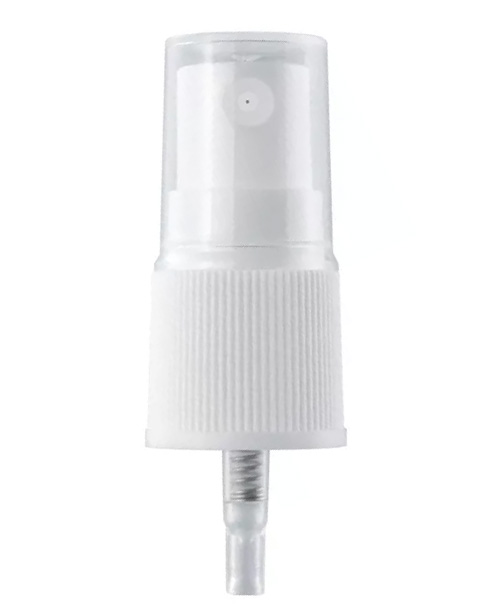
The design and structure of a mist sprayer directly determines how effectively it transforms liquid into fine particles suspended in air. Atomization efficiency—the ability to break liquid into uniform, microscopic droplets—depends on nozzle geometry, internal channels, air interaction mechanisms, and the relationship between these components within the mist sprayer system. Understanding how mist sprayer structure influences this process is essential for selecting or optimizing spray equipment for industrial, agricultural, pharmaceutical, and household applications where consistent particle size and coverage matter.
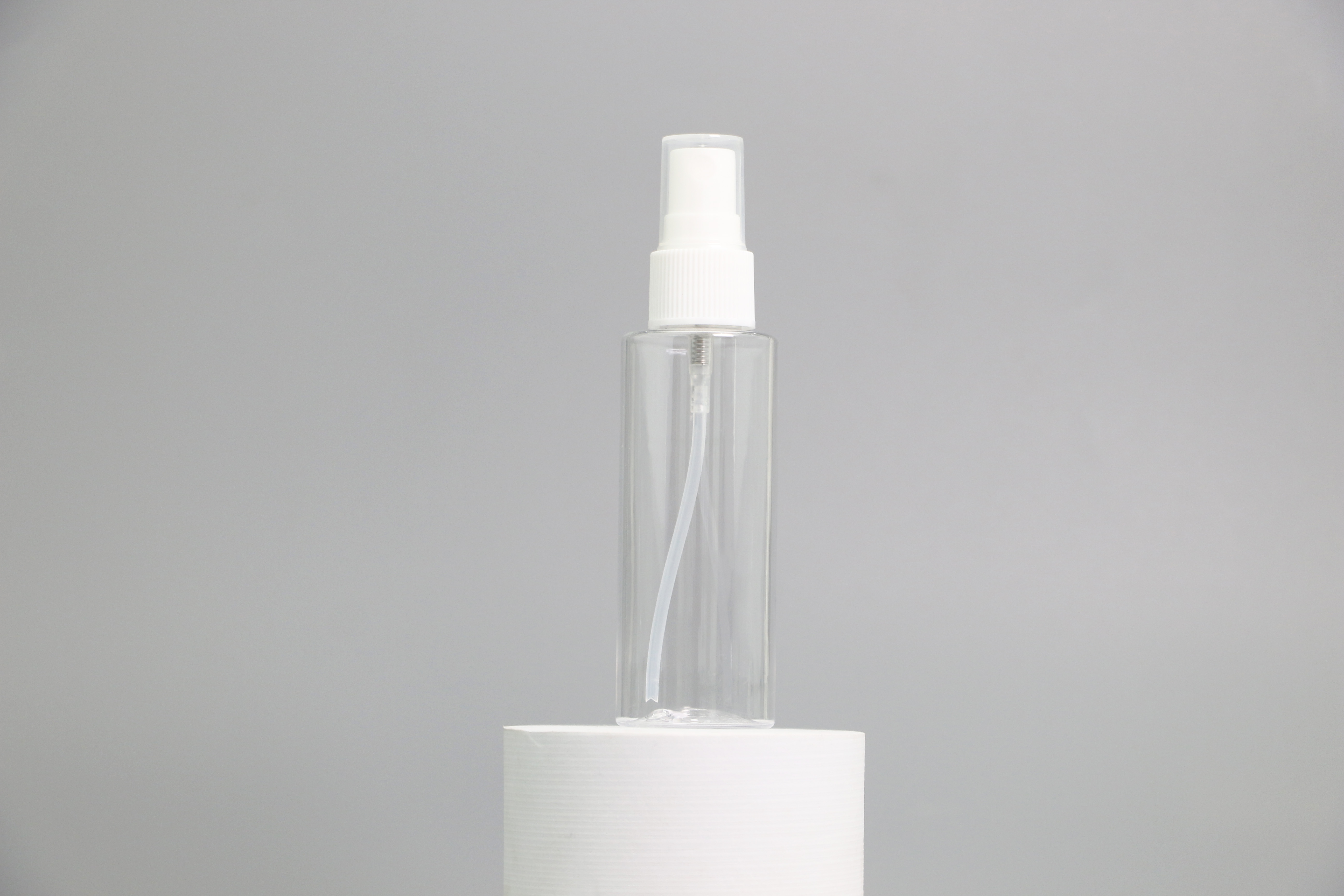
Liquid atomization is not a simple process of forcing fluid through an opening. A mist sprayer operates through precise geometric relationships that create shear forces, pressure differentials, and air turbulence. Each structural element—from the pump chamber to the nozzle orifice—contributes to the final droplet distribution. Liquids with different viscosities, surface tensions, and densities respond differently to the same mist sprayer structure, which is why nozzle design must balance multiple variables to achieve reliable atomization across varying fluid types.
Nozzle Geometry and Orifice Design
Orifice Shape and Size Effects on Droplet Formation
The orifice—the opening through which liquid exits a mist sprayer—is the primary control point for atomization efficiency. Orifice diameter directly affects pressure required to achieve atomization, flow rate, and droplet size distribution. A narrower orifice in a mist sprayer increases velocity and shear forces, producing finer droplets but demanding higher pump pressure. Conversely, a larger orifice reduces pressure requirements but generates coarser spray. The shape of the orifice matters equally; circular openings provide symmetrical spray patterns, while certain geometric modifications create vortices that enhance atomization within the mist sprayer structure.
Different liquids require different orifice configurations in a mist sprayer to optimize atomization efficiency. Low-viscosity liquids like water atomize easily through small orifices because surface tension alone aids droplet separation. High-viscosity liquids, including oils and emulsions, require larger orifices and higher pressure to overcome internal friction and achieve consistent mist sprayer performance. The mist sprayer designer must therefore select orifice dimensions that balance the expected liquid range against practical pressure and performance requirements.
Convergent and Divergent Channel Pathways
Channel design within the mist sprayer body shapes liquid acceleration and pressure distribution before atomization occurs. Convergent channels—pathways that narrow toward the orifice—accelerate liquid and increase exit velocity. This acceleration effect in a mist sprayer improves atomization by generating higher shear stress at the orifice interface. Divergent channels, which widen before the orifice, slow liquid and reduce pressure, useful for applications requiring low-pressure mist sprayer operation with delicate liquids or when energy efficiency matters.
Complex channel geometries combine convergent and divergent sections to create multiple pressure and velocity zones within the mist sprayer. Some designs include swirl chambers that induce rotational motion, amplifying shear forces and breaking liquid into finer particles. These structural innovations in the mist sprayer directly correlate with atomization efficiency metrics like droplet uniformity, spray cone angle, and drift reduction.
Air-Liquid Interaction and Pressure Relationships
Pressure Differentials in Atomization Mechanisms
Atomization efficiency in a mist sprayer depends fundamentally on pressure differentials between the liquid stream and surrounding air. Hydraulic atomization uses internal pump pressure to force liquid through the orifice, creating kinetic energy that the mist sprayer converts into surface disruption. Twin-fluid or pneumatic mist sprayer designs introduce compressed air alongside liquid, leveraging air-liquid momentum exchange to shatter droplets into finer particles than hydraulic atomization alone achieves. This dual-phase approach in the mist sprayer typically produces 30 to 50 percent smaller droplets with superior uniformity.
The pressure ratio between air and liquid within a mist sprayer structure significantly influences droplet size distribution. Higher air pressure relative to liquid flow improves atomization efficiency but increases air consumption and equipment noise. Optimal mist sprayer designs balance these trade-offs by using proportional channel geometries that maintain effective pressure differentials across the expected operating range, ensuring consistent atomization efficiency regardless of flow adjustments.
Capillary and Viscous Forces in Different Liquids
Capillary forces—determined by liquid surface tension—resist atomization, while viscous forces resist flow through the mist sprayer channels. These competing forces create a friction-to-surface-tension ratio unique to each liquid type. Water-based liquids with low viscosity and moderate surface tension atomize readily in most mist sprayer designs. Surfactant-laden liquids atomize even more easily because surfactants reduce surface tension, improving mist sprayer efficiency. Viscous oils and paints require higher pressure drops and specialized mist sprayer geometry to achieve equivalent atomization.
A mist sprayer optimized for one liquid class may perform poorly with others unless its structure accommodates variable fluid properties. This adaptability is achieved through adjustable channels, multiple orifice options, or dual-mode mist sprayer heads. Understanding how the mist sprayer geometry interacts with each liquid's physical properties allows operators to select or configure the most efficient equipment for their specific application.
Spray Pattern, Droplet Size Distribution, and Performance Metrics
Cone Angle and Spray Coverage Relationship
The spray cone angle—measured as the full angle of the emerging mist sprayer spray pattern—depends on nozzle geometry, orifice design, and internal flow dynamics. Wide-angle mist sprayer designs distribute liquid over larger areas with fewer passes, improving coverage efficiency but producing coarser droplets due to reduced acceleration. Narrow-angle mist sprayer patterns concentrate spray for precision targeting, often achieving finer atomization but requiring closer nozzle positioning. Different applications demand different cone angles; agricultural boom spraying benefits from 65 to 110-degree mist sprayer patterns, while precision coating applications may require 20 to 30-degree narrow-angle mist sprayer jets.
The mist sprayer cone angle also influences drift risk—the tendency for fine droplets to drift away from the target. Fine-particle mist sprayer spray with extremely wide patterns experiences greater drift in wind, limiting application reliability. Conversely, tight mist sprayer patterns can achieve ground deposition but may sacrifice coverage uniformity. Optimal mist sprayer design balances particle size, cone angle, and pressure to deliver consistent coverage with minimal drift for the intended liquid and environmental conditions.
Droplet Size Distribution and Uniformity Standards
Droplet size distribution—expressed as volume mean diameter (VMD) or Dv50—quantifies mist sprayer atomization performance. Fine mist sprayer spray typically ranges from 50 to 150 micrometers VMD, while coarse spray exceeds 300 micrometers. Narrower size distributions, where most droplets cluster near the VMD rather than ranging widely, indicate superior mist sprayer atomization efficiency. This uniformity improves biological efficacy in pesticide applications, reduces product waste, and enhances coating quality in industrial finishing.
ISO 25358 and ASABE S572 standards define mist sprayer classification by droplet size categories. A mist sprayer achieving consistent ultra-fine or fine classifications across its operating pressure range demonstrates robust nozzle design and reliable atomization efficiency. Achieving such consistency requires careful mist sprayer structure optimization, including precise orifice machining tolerances, internal surface finish quality, and channel dimension uniformity that minimizes variability between individual units.

FAQ
How does increasing pump pressure improve mist sprayer atomization efficiency?
Increasing pressure accelerates liquid velocity through the mist sprayer orifice, intensifying shear forces and air-liquid interaction at the spray boundary. Higher exit velocity increases kinetic energy available for breaking liquid into smaller droplets, directly improving atomization efficiency up to the point where pressure exceeds the liquid's surface tension tolerance. However, excessive pressure in a mist sprayer beyond the optimal range may increase drift, create inconsistent droplet sizes, or damage sensitive formulations, so pressure increases must align with nozzle design specifications and liquid properties.
Why do different liquids require different mist sprayer nozzle designs?
Liquids vary in viscosity, surface tension, density, and other physical properties that directly affect how they respond to mist sprayer geometry and pressure. A mist sprayer orifice optimized for low-viscosity water may create inadequate atomization efficiency with thicker oils due to insufficient pressure drop and shear stress. Conversely, a mist sprayer designed for high-viscosity liquids may over-atomize water, creating excessive drift and waste. Matching mist sprayer structure to liquid properties—through appropriate orifice size, channel design, and operating pressure—ensures consistent, efficient atomization across different formulations.
What role does internal mist sprayer chamber design play in droplet uniformity?
Internal chambers within a mist sprayer structure distribute pressure, induce swirl motion, and smooth flow turbulence before liquid reaches the orifice. Swirl chambers in a mist sprayer create rotational flow that enhances shear forces, reducing droplet size variance and improving uniformity. Settling chambers calm liquid flow, reducing chaotic pressure fluctuations that would otherwise produce erratic droplet sizes in the mist sprayer spray pattern. A well-designed mist sprayer chamber structure ensures that atomization efficiency remains stable across varying flow rates and operating conditions, critical for reproducible industrial and agricultural application performance.