
 EN
EN



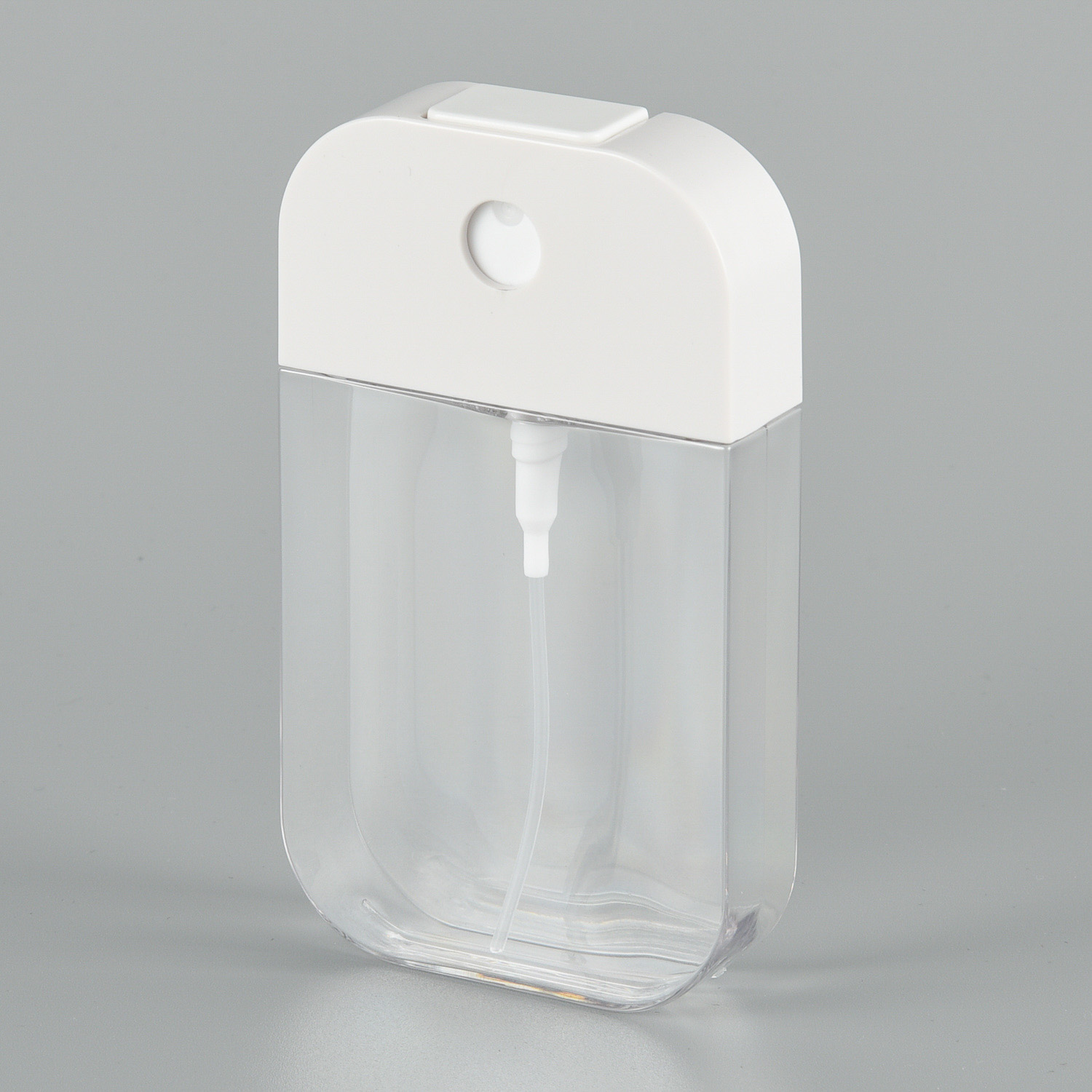
Sealing performance stands as one of the most critical factors determining whether a mist sprayer functions reliably or fails to meet operational demands. When a mist sprayer lacks proper sealing, the consequences extend far beyond simple inconvenience—they encompass product loss, inconsistent spray patterns, and compromised application quality. Understanding why sealing performance matters for a mist sprayer is essential for anyone working with liquid dispensing systems, whether in pharmaceutical, cosmetic, agricultural, or industrial settings.
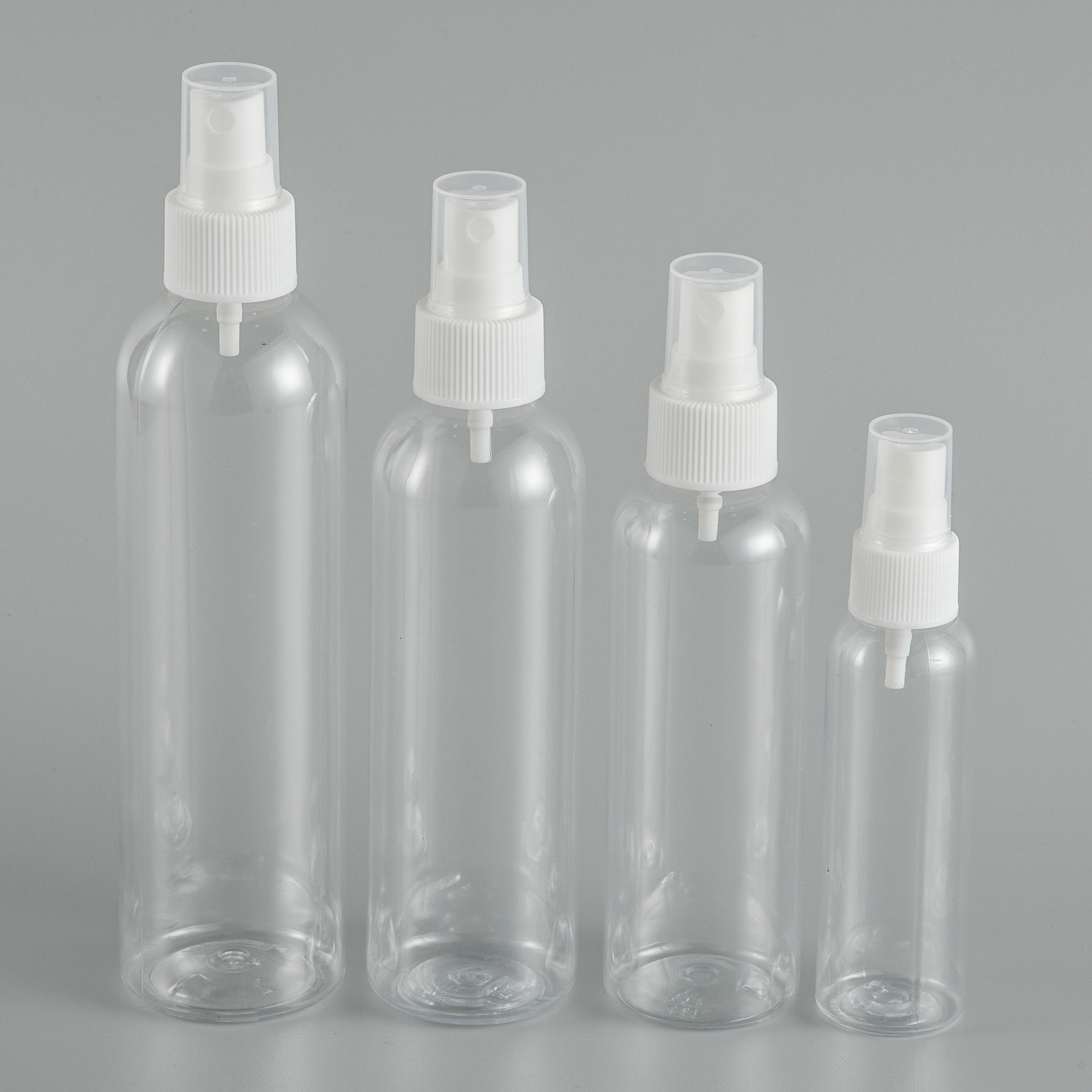
A mist sprayer's ability to prevent leakage and evaporation directly impacts product shelf life, user safety, and overall cost efficiency. Poor sealing in a mist sprayer creates pathways for liquid to escape, whether through visible dripping at connection points or through microscopic gaps that allow volatile components to evaporate. The integrity of sealing in a mist sprayer affects not only immediate performance but also long-term product stability and regulatory compliance across multiple industries.
Why Sealing Performance Matters for Mist Sprayer Functionality
Preventing Product Loss and Waste
When sealing performance fails in a mist sprayer, the direct result is product leakage. This leakage creates measurable financial impact—lost product represents wasted materials, reduced profit margins, and diminished customer satisfaction. A mist sprayer with compromised sealing will lose contents through the pump mechanism, trigger assembly, or connection points between the reservoir and spray head. Over time, even minor seepage from a mist sprayer accumulates into significant product loss. Industries relying on expensive formulations, such as pharmaceutical or specialty cosmetic manufacturers, cannot tolerate the waste that occurs when a mist sprayer fails to seal properly. Strong sealing performance ensures that every ounce of product reaches the customer intact.
Maintaining Application Consistency
Proper sealing in a mist sprayer directly correlates with consistent spray delivery. When a mist sprayer maintains effective seals throughout its internal passages, pressure builds uniformly and releases in predictable patterns. Conversely, a mist sprayer with seal degradation experiences pressure loss, resulting in erratic spray patterns—some triggers produce fine mist while others produce weak streams or no spray at all. Users become frustrated with inconsistent performance, leading to product returns and brand damage. A high-quality mist sprayer engineered with precision sealing ensures that every activation delivers the intended mist pattern, building customer confidence and reducing complaint rates.
How Sealing Performance Prevents Evaporation
Protecting Volatile Components
Many products contained within a mist sprayer include volatile organic compounds or essential components that evaporate when exposed to air. Perfumes, solvents, pesticides, and medicinal formulations often contain ingredients with low boiling points that escape rapidly if exposed. Superior sealing in a mist sprayer creates an airtight environment that protects these volatile materials throughout storage and use. When a mist sprayer lacks effective sealing, microevaporation occurs continuously, degrading product efficacy and changing the intended concentration of active ingredients. For pharmaceutical applications, this performance compromise creates serious compliance risks. A mist sprayer designed with advanced sealing technology maintains the volatile integrity of contents, ensuring products maintain their original potency and performance specifications.
Extending Shelf Life and Storage Stability
The shelf life of a product stored in a mist sprayer depends heavily on sealing performance. A mist sprayer with inadequate seals will show visible product degradation within weeks—discoloration, odor changes, separation, or reduced effectiveness. Conversely, a mist sprayer engineered with high-performance seals maintains product stability across months or years, even under varying temperature and humidity conditions. Manufacturers can confidently print extended shelf-life dates on products packaged in sealing-optimized mist sprayer systems. For customers, this means purchasing products that retain full effectiveness until the stated expiration date. Retailers benefit from reduced shrinkage and waste, while brands protect their reputation by delivering consistently fresh, effective products in a reliable mist sprayer.
Technical Design Factors That Influence Sealing Performance
Material Selection and Compatibility
Sealing performance in a mist sprayer depends fundamentally on material selection. Elastomeric seals—typically made from rubber or synthetic polymers—must be compatible with the specific liquid being dispensed. A mist sprayer designed for aqueous solutions may fail rapidly if filled with organic solvents that degrade the seal material. Conversely, a mist sprayer engineered with chemical-resistant polymers maintains integrity across diverse product types. Manufacturers select seal materials through rigorous compatibility testing to ensure the mist sprayer performs reliably throughout its service life. When a mist sprayer includes seals from inappropriate materials, the sealing performance degrades quickly, resulting in leakage within days or weeks. Proper material engineering in a mist sprayer guarantees long-term sealing performance regardless of product type.
Mechanical Tolerances and Assembly Quality
Even high-quality seal materials cannot deliver reliable sealing performance in a mist sprayer if mechanical tolerances are loose or assembly is imprecise. The dimensional accuracy of the pump body, trigger mechanism, and seal compression points directly determines whether a mist sprayer maintains effective seals under operational pressure. Manufacturing inconsistencies lead to gaps that compromise the sealing performance of an otherwise well-designed mist sprayer. Premium manufacturing processes, including precision molding and quality-control checkpoints, ensure that sealing surfaces mate perfectly. A mist sprayer produced with tight tolerances and rigorous assembly verification will demonstrate superior sealing performance compared to a mist sprayer manufactured without such controls. Industries requiring reliable performance invest in mist sprayer suppliers who prioritize precision manufacturing and demonstrate consistent quality metrics.
Pressure Management and Seal Stress
Sealing performance in a mist sprayer deteriorates under excessive pressure or cyclic stress. When a mist sprayer operates at pressure levels beyond design specifications, seals experience accelerated wear, reducing sealing performance and causing premature leakage. Conversely, a well-engineered mist sprayer incorporates pressure-relief mechanisms and seal designs that accommodate normal operational forces without degradation. The pump mechanism in a mist sprayer must generate sufficient pressure to create fine mist without exceeding limits that compromise sealing performance. Engineers design modern mist sprayer systems with optimal pressure profiles that balance spray performance against seal longevity, ensuring years of reliable operation without sealing failures.
FAQ
What happens when sealing performance fails in a mist sprayer?
When sealing performance deteriorates, a mist sprayer begins leaking product through connection points, pump mechanisms, or trigger assemblies. Users experience reduced spray consistency, visible dripping, and product loss. For volatile formulations, evaporation accelerates rapidly, changing product concentration and compromising effectiveness. Customers return the product, costs increase, and brand reputation suffers when sealing performance is inadequate.
How can manufacturers test sealing performance in a mist sprayer?
Manufacturers employ multiple testing methods to verify sealing performance. Pressure hold tests measure how long a mist sprayer maintains internal pressure without leakage. Dye penetration tests reveal microscopic gaps in sealing surfaces. Accelerated aging tests expose a mist sprayer to elevated temperatures and humidity, simulating extended storage to identify sealing performance degradation. Chemical compatibility tests ensure the seal materials resist the specific liquid formulation stored in the mist sprayer.
Why is sealing performance critical for pharmaceutical applications of mist sprayers?
Pharmaceutical products demand stringent quality standards, and sealing performance directly affects regulatory compliance. A mist sprayer used in pharmaceuticals must maintain sterility, prevent contamination, and preserve active ingredient potency. Poor sealing performance can allow environmental contaminants to enter, compromising product safety. Additionally, volatile pharmaceutical components must be protected; evaporation through inadequate sealing changes concentration and effectiveness, creating compliance violations and patient safety risks. High-performance sealing is non-negotiable in pharmaceutical applications.