
 EN
EN



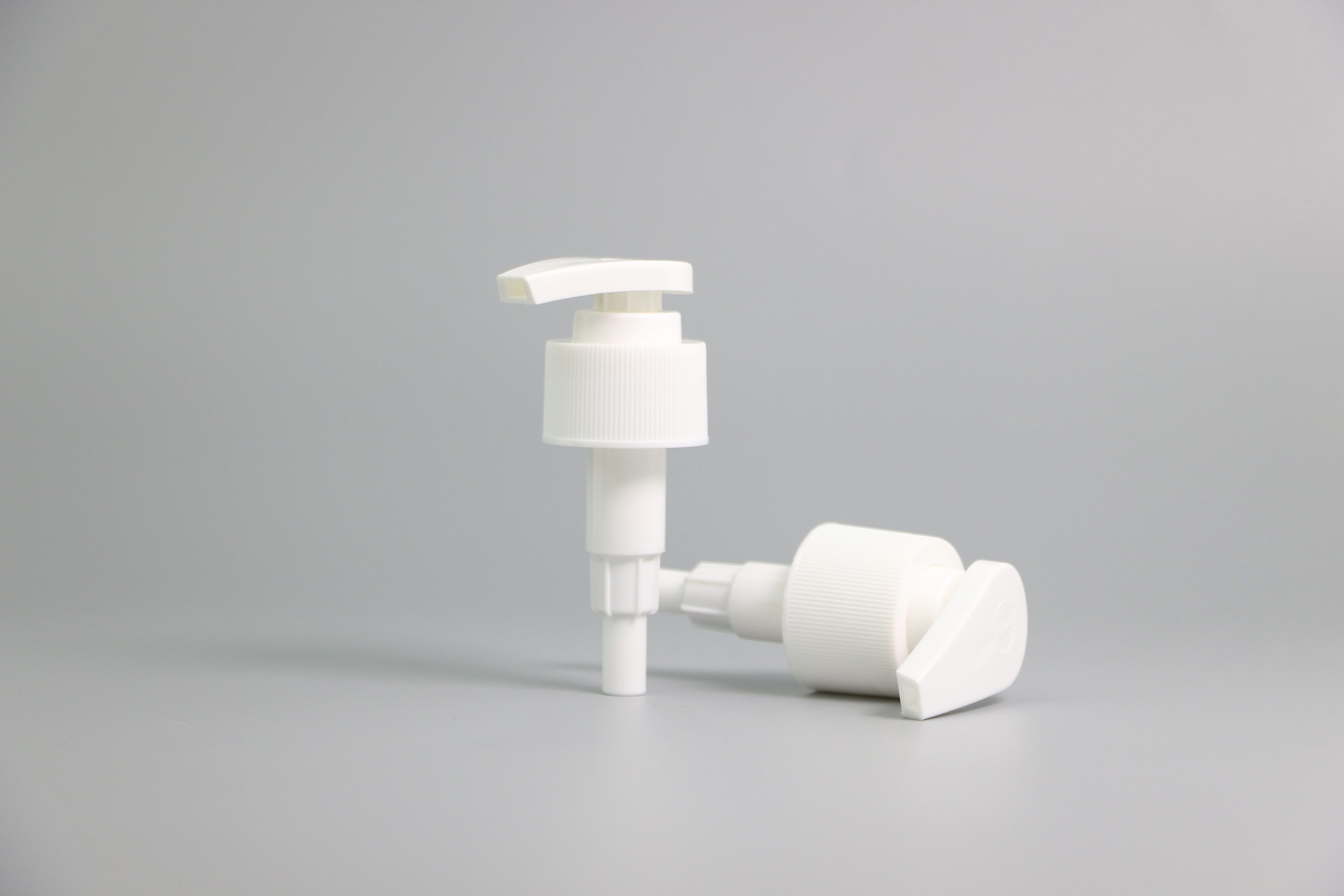
The foam pump represents a critical innovation in personal care packaging, designed to transform liquid formulations into light, airy foam at the point of dispensing. Understanding how a foam pump adapts to different viscosity liquids is essential for manufacturers and formulators seeking optimal product performance and consumer satisfaction. The ability of a foam pump to handle varying liquid densities directly influences product efficacy, user experience, and brand perception in competitive personal care markets.
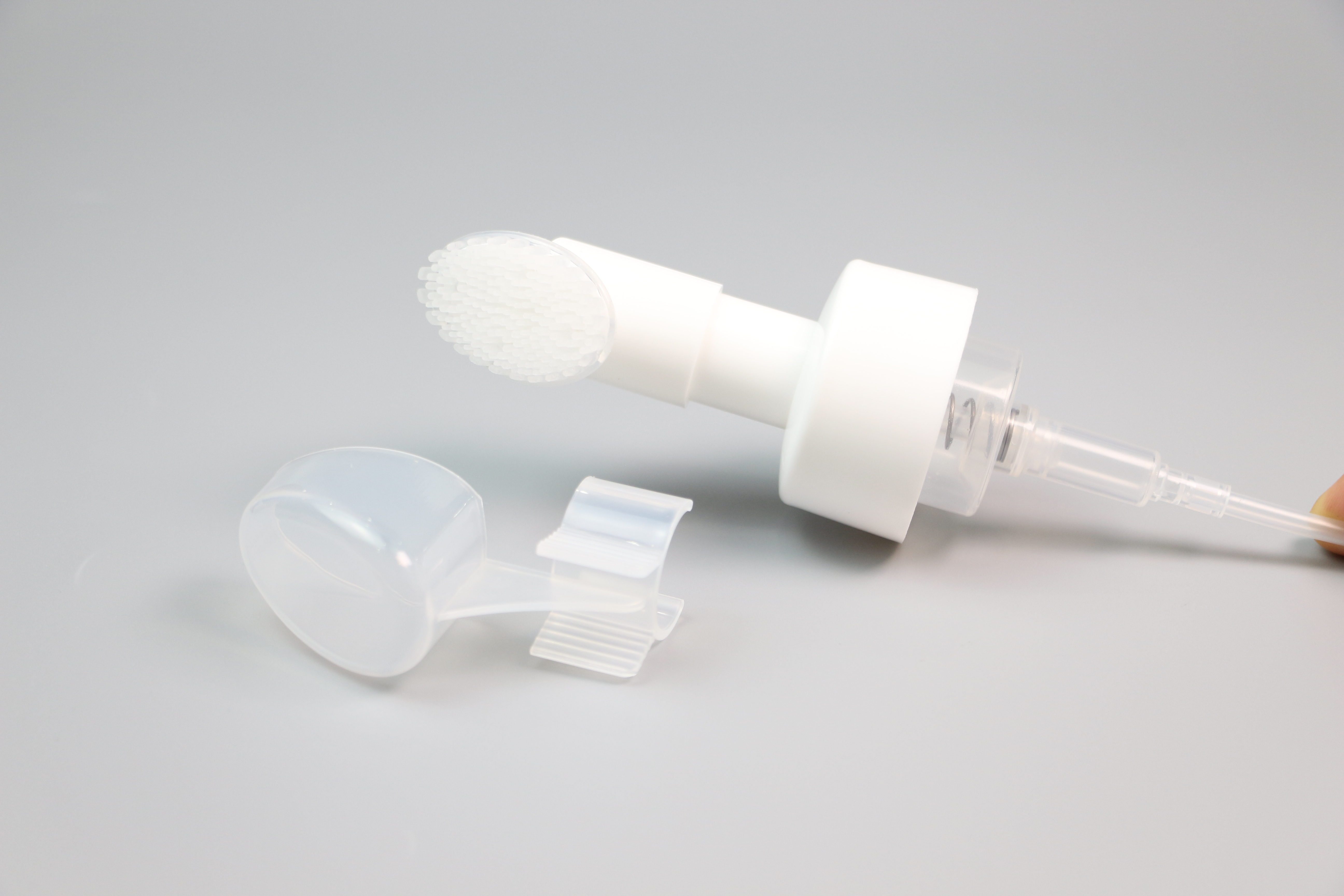
A foam pump functions through a sophisticated internal mechanism that meters, aerates, and dispenses product in controlled volumes. The foam pump achieves this by combining air intake systems with precise nozzle geometry, allowing it to work across a spectrum of formulation viscosities. Manufacturers who recognize how a foam pump adapts to liquid thickness can develop formulations that maximize user engagement while minimizing waste and ensuring consistent dispense performance across their product line.
How Foam Pump Chambers Regulate Flow for Different Viscosity Levels
Internal Chamber Design and Viscosity Response
The heart of foam pump performance lies in its internal chamber architecture. A foam pump contains a compression chamber where liquid and air mix before being expelled through the nozzle. The size and shape of this chamber determine how effectively a foam pump can handle liquids ranging from thin serums to thick creams. Thinner liquids require less suction force to fill the chamber, while thicker formulations need chambers designed to prevent air pockets that would compromise foam quality.
When viscosity increases, the foam pump must compensate by optimizing the air-to-liquid ratio within the mixing chamber. Higher viscosity liquids naturally resist flow, so the foam pump's internal passages must provide adequate surface area for air integration. A properly engineered foam pump maintains consistent foam density regardless of whether the formula contains lightweight hydrating sprays or dense moisturizing solutions, making viscosity adaptation a core design priority.
Nozzle Configuration and Viscosity Matching
The nozzle is where a foam pump's viscosity adaptation becomes most apparent to end users. A foam pump nozzle features multiple micro-perforations that break liquid into fine droplets while introducing air simultaneously. Thin liquids require smaller perforations to prevent oversized foam bubbles, while thick liquids need larger openings to ensure adequate flow without blockages. The nozzle screen in a foam pump sits between the mixing chamber and these perforations, filtering particles while allowing appropriate liquid viscosity to pass through unobstructed.
Manufacturers select nozzle types for a foam pump based on their specific viscosity range. A foam pump designed for lotions operates differently than one engineered for lightweight facial cleansers. The nozzle mesh density in a foam pump directly correlates with liquid viscosity tolerance, ensuring that formulations stay within operational parameters and deliver the intended sensory experience with each pump stroke.
Pump Stroke Mechanics and Viscosity Compensation
Spring Tension and Resistance Calibration
Every foam pump includes a spring mechanism that controls how quickly the compression chamber fills and expels product. The spring tension in a foam pump must be carefully calibrated to accommodate viscosity variations without requiring excessive consumer effort. Thicker liquids create greater resistance, so a foam pump designed for high-viscosity products incorporates stiffer springs to maintain consistent dispensing pressure.
A foam pump's spring calibration also influences the dwell time—the duration liquid remains in the mixing chamber during aeration. Longer dwell times benefit thicker formulations by allowing more complete air incorporation and foam development. Conversely, thin liquids require shorter dwell times to prevent over-aeration. This mechanical adaptation happens automatically as the foam pump operator applies pressure, making the system responsive to viscosity without conscious adjustment.
Suction and Discharge Cycles
The suction phase of a foam pump is where viscosity most heavily influences performance. During suction, the expanding chamber draws liquid upward through the dip tube against gravity and viscous resistance. A foam pump engineered for heavy creams requires a lower-friction internal pathway compared to one designed for light serums. The ratio of chamber volume to opening size determines how effectively a foam pump can overcome viscous drag during the suction phase.
The discharge phase in a foam pump involves expelling the aerated mixture through the nozzle. Thicker liquids move through the discharge pathway more slowly, giving air more time to integrate into the foam structure. A foam pump's discharge velocity adjusts naturally based on liquid viscosity—the system self-regulates without requiring manual compensation, though optimal performance depends on nozzle selection and chamber volume matching the intended product viscosity.
Formulation Considerations and Foam Pump Selection Strategy
Viscosity Range Optimization for Foam Pump Performance
Personal care formulators must understand that each foam pump model operates within a specific viscosity window, typically measured in centipoise (cP). A foam pump designed for products between 100–500 cP will perform poorly with formulations outside this range. Thin body washes around 50 cP require different foam pump specifications than thick facial creams exceeding 1000 cP. Selecting the correct foam pump ensures that viscosity adaptation occurs naturally within the device's design parameters.
The relationship between formula viscosity and foam pump performance extends beyond mere functionality to product perception. A foam pump that inadequately adapts to high-viscosity formulations produces sparse, thin foam that consumers perceive as weak or ineffective. Conversely, a foam pump optimized for thick products used with thin liquids may dispense uncontrollably or produce excessive foam. This viscosity matching determines whether consumers view the product as premium and effective or substandard and wasteful.
Additive Impact on Foam Pump Adaptability
Formulation additives significantly influence how well a foam pump adapts to base viscosity. Thickening polymers, emulsifiers, and humectants alter liquid flow characteristics independently of base viscosity measurements. A foam pump may handle the nominal viscosity perfectly but struggle when viscosity-modifying additives create non-Newtonian behavior—where liquid viscosity changes depending on shear rate. Personal care scientists must test foam pump performance with final formulations rather than base viscosity alone.
Surfactants in cleansing formulations reduce surface tension, potentially affecting how a foam pump creates foam structure. A foam pump must be tested with actual product compositions to verify that added ingredients don't compromise the internal mechanism or nozzle performance. Some additives may reduce friction within the chamber, requiring different spring tensions or nozzle configurations than the base formula would suggest.
FAQ
What viscosity range is ideal for standard foam pump performance?
Most commercial foam pumps operate optimally with products between 150–800 centipoise. Formulations below 100 cP risk uncontrolled dispensing and poor foam stability, while those exceeding 1200 cP may require excessive pumping effort or modified chamber geometry. The foam pump manufacturer's specifications always indicate the recommended viscosity range, and formulators should stay within these bounds to ensure reliable performance and user satisfaction.
Can a single foam pump design handle multiple viscosity products?
No single foam pump design efficiently handles a wide viscosity spectrum. While a foam pump may technically dispense products across a 2–3 times viscosity range, performance degrades at the extremes. Manufacturers typically develop separate foam pump models for different product categories—lightweight foaming cleansers, medium-viscosity body washes, and thick moisturizing creams each require distinct foam pump specifications. Using the wrong foam pump for a formulation compromises both functionality and consumer perception.
How does temperature affect foam pump adaptation to viscosity?
Temperature dramatically influences how a foam pump adapts to viscosity because liquid viscosity itself changes with heat. A foam pump that functions perfectly at room temperature may struggle with the same formula when warmed, as viscosity decreases and the product flows more readily. This thermal sensitivity means a foam pump must be tested and specified for storage and use temperatures typical in consumer bathrooms and showers, where heat and humidity are common conditions affecting product performance.