
 EN
EN



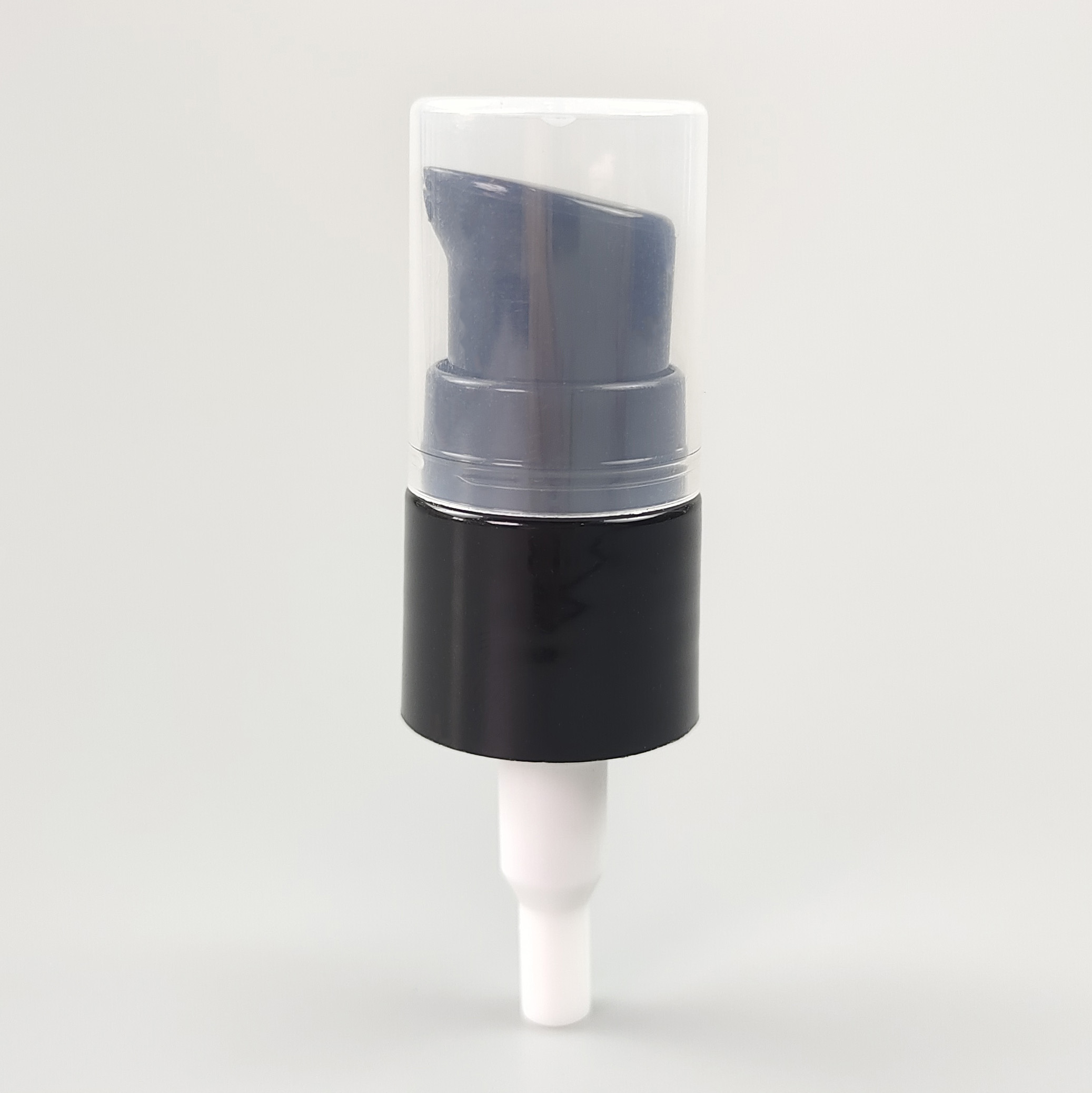
The performance of a cream pump directly influences customer satisfaction and product efficacy in the skincare industry. High viscosity formulations demand specialized engineering to deliver consistent, smooth dispensing without clogging, leaking, or requiring excessive force from the user. Understanding how a cream pump achieves this balance between reliability and ease of use is essential for cosmetic manufacturers, formulators, and packaging professionals who work with dense skincare products.
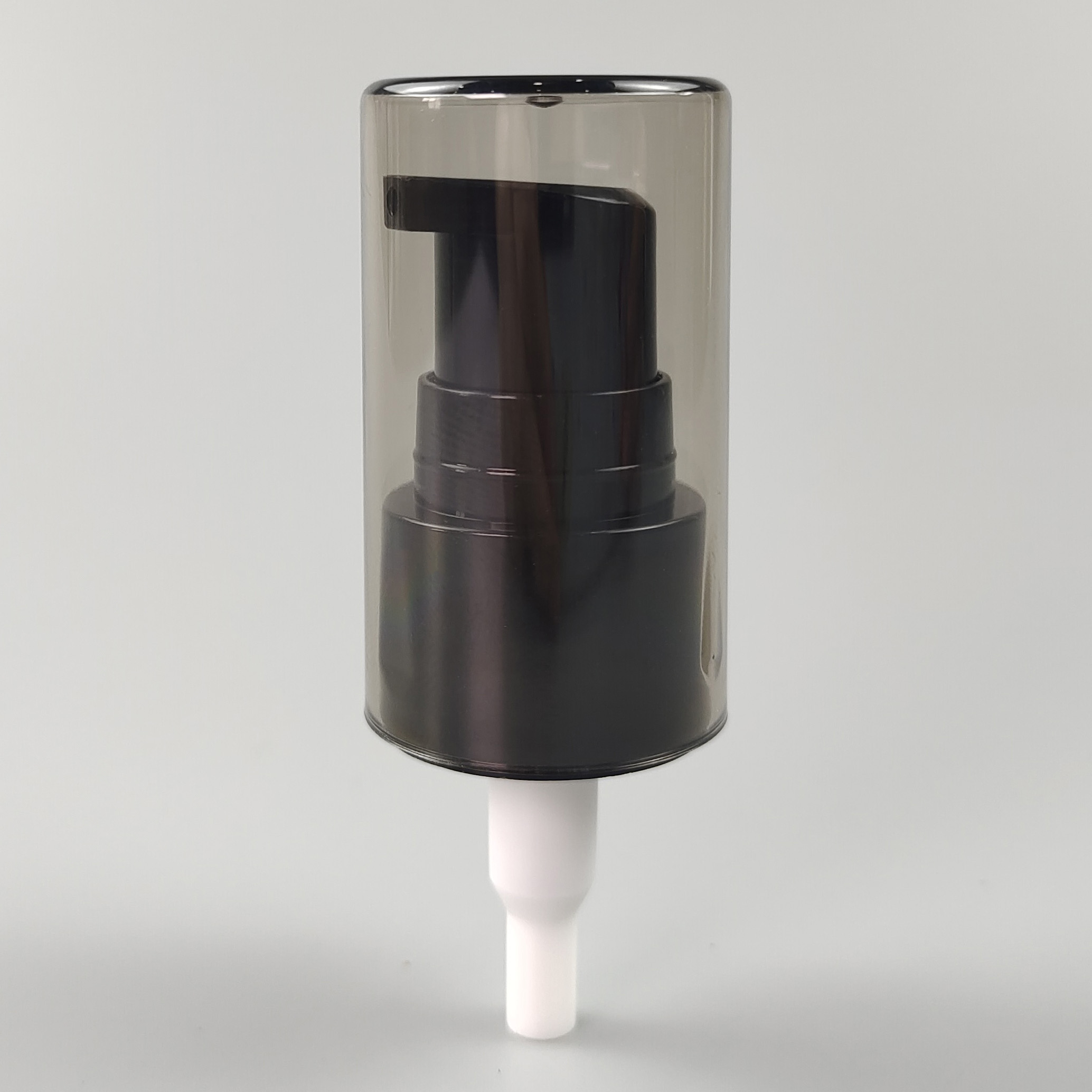
A well-designed cream pump operates through integrated mechanical systems that overcome the natural resistance of thick formulations. The internal architecture, valve configuration, and material selection all work together to enable smooth product delivery. This article explores the engineering principles behind effective cream pump design and explains how manufacturers ensure their dispensers perform reliably with high viscosity skincare products.
Internal Pump Mechanism and Viscosity Accommodation
How Pressure and Chamber Design Handle Thick Formulations
High viscosity products resist movement through narrow channels, so a cream pump must generate adequate pressure without requiring excessive user effort. The pump chamber is engineered with specific volume capacity and stroke length to create controlled pressure that forces product upward through the dip tube and out through the dispenser tip. A properly designed cream pump maintains consistent stroke resistance across multiple uses, preventing the fatigue that occurs when users encounter unpredictable resistance.
The cylinder bore diameter and plunger rod configuration of a cream pump determine the mechanical advantage provided to the user. Larger bore designs generate greater pressure with less manual effort, making the cream pump suitable for thicker formulations. The internal geometry also influences product flow rate, ensuring that a single pump stroke delivers the intended dose without requiring multiple attempts. Material flexibility in the pump chamber walls also plays a role, as certain elastomer blends allow the cream pump to maintain seal integrity while accommodating the stress of repeated high-viscosity product compression.
Dip Tube Design for Consistent Product Pickup
The dip tube is the pathway connecting the product reservoir to the pump mechanism, and its design is critical for a cream pump to function reliably with thick skincare formulations. A standard dip tube might fail with high viscosity products because viscous fluids create greater resistance to upward flow, and any restriction in the tube diameter compounds this problem. An optimized cream pump uses a wider dip tube bore and smooth internal walls to minimize friction and turbulence during product aspiration.
The dip tube length and angle also affect how a cream pump handles high viscosity products. A longer tube may increase resistance, while a tube that is too short might not reach the bottom of the reservoir. The engineering of a cream pump accounts for these factors by sizing the dip tube to balance adequate product reach with minimal pressure loss. The tube material must also resist degradation from active skincare ingredients, ensuring that the cream pump maintains performance throughout the product's shelf life.
Valve Systems and Flow Control Technology
Spring-Loaded Valve Operation Under Pressure
The valve system inside a cream pump controls product flow during both the intake and discharge phases of the pump cycle. During the upstroke, the intake valve opens to allow product into the pump chamber, while the discharge valve remains closed to prevent backflow. On the downstroke, the intake valve closes and the discharge valve opens, allowing pressurized product to exit through the nozzle. A high-quality cream pump uses spring-loaded valves with precisely calibrated opening thresholds to handle the higher pressures generated by viscous formulations.
Spring tension in a cream pump valve determines the minimum pressure required to open the discharge valve and begin product delivery. For high viscosity products, this threshold must be high enough to ensure complete filling of the pump chamber and efficient product discharge, yet low enough to avoid requiring unmanageable user effort. A cream pump engineered for thick skincare formulations typically uses stiffer springs than pumps designed for light serums or toners. The valve ball or cone sits against a precision-engineered seat, and any wear or manufacturing tolerance deviation can compromise the performance of the cream pump when handling challenging viscosity profiles.
Preventing Airlock and Ensuring Prime Stability
Airlocks represent a common failure mode in cream pump systems, particularly with high viscosity products that move slowly through the dip tube. An air bubble trapped in the pump chamber or dip tube prevents product from reaching the discharge valve, causing the cream pump to dispense nothing despite user effort. A well-designed cream pump incorporates air release mechanisms or uses valve geometry that automatically purges trapped air during the initial pump strokes. Some cream pump designs include a small air bleed channel that allows trapped air to escape without compromising the product seal.
Prime stability refers to the cream pump's ability to maintain product flow once the initial priming is complete. High viscosity formulations are more susceptible to losing prime if the pump is left unused for extended periods, as the product may begin to set or solidify in the dip tube. An effective cream pump design minimizes dead space where product can stagnate and includes one-way valve geometry that prevents backflow into the reservoir. This engineering detail ensures that users can resume using the cream pump after storage interruptions without requiring extensive repriming.
Material Selection and Seal System Performance
Elastomer Compatibility and Durability Under Stress
The elastomer seals and gaskets inside a cream pump must withstand repeated compression cycles while maintaining watertight integrity against high viscosity products. Nitrile rubber is commonly used in cream pump designs due to its excellent resistance to most skincare oils and emulsifiers, but the specific durometer hardness must be matched to the formulation characteristics. A cream pump seal that is too rigid may crack under repeated stress, while a seal that is too soft may not maintain a consistent seal against the valve seat, leading to leakage between pump cycles.
Different high viscosity skincare formulations present different challenges for the elastomer materials in a cream pump. Products containing silicones, plant oils, or penetrating actives can cause swelling or degradation in certain elastomers, compromising the performance of the cream pump. Manufacturers of premium cream pump systems often conduct compatibility testing with representative formulations to ensure that elastomer materials will not degrade over time. The seal compression set, which measures how well a seal maintains its original shape after prolonged contact with the product, is a critical quality parameter for any cream pump designed for high viscosity applications.
Nozzle Design and Dose Consistency
The external nozzle of a cream pump directly impacts how users perceive the dispensing experience and whether the product delivers in the intended amount. A nozzle designed for high viscosity products typically features a slightly larger opening than nozzles for lighter formulations, as this reduces the pressure backpressure on the pump mechanism and prevents product buildup that can harden between uses. The internal channel geometry within the cream pump nozzle also matters; a smooth, gradual taper ensures that viscous product flows smoothly without separating or splattering.
Dose accuracy depends on the combination of pump chamber volume and nozzle flow characteristics, making this an integrated design consideration for any cream pump. A single pump stroke from a well-designed cream pump should consistently deliver the target amount, typically between 0.3 and 0.5 milliliters for skincare applications. The nozzle must also be designed to minimize product residue after dispensing, as dried or hardened product on the nozzle exterior can affect the user experience and product presentation. Many premium cream pump designs feature a self-closing nozzle or a slight drip-stop feature that prevents unwanted product leakage immediately after dispensing.
FAQ
What makes a cream pump suitable for high viscosity skincare products?
A cream pump suitable for high viscosity products combines larger internal bore diameter, precisely calibrated spring tension in the valve system, and optimized dip tube geometry to minimize friction during product aspiration. The pump chamber must generate sufficient pressure to overcome the natural resistance of thick formulations while remaining easy for users to operate. Additionally, the elastomer materials and seal systems must be compatible with the specific active ingredients in the formulation to prevent degradation over time. These integrated design elements ensure that the cream pump delivers consistent dosing and reliable performance throughout the product's shelf life.
How does cream pump valve design prevent product leakage between pump strokes?
The valve system in a cream pump uses spring-loaded components and precision-engineered seating surfaces to create a tight seal that prevents backflow when the pump is not actively being used. The discharge valve closes immediately after each stroke, trapping pressurized product in the chamber and nozzle to prevent any product from seeping back into the reservoir. The integrity of this seal depends on the quality of the valve seat machining, the spring tension calibration, and the elastomer gasket compatibility with the formulation. A properly designed cream pump will show no visible leakage or product weeping between uses, even after extended storage periods.
Can a cream pump designed for high viscosity handle lighter skincare formulations?
Yes, a cream pump engineered for high viscosity products can typically dispense lighter formulations, though the user experience may feel different and dose accuracy may vary slightly. A cream pump with a larger bore and stiffer valve springs may require slightly less pressure to operate when the product is less viscous, and the pump stroke may feel easier than intended. However, the cream pump will still function reliably and maintain product integrity throughout its use cycle. For optimal performance and user experience, cosmetic manufacturers should match the pump specifications to the formulation viscosity profile rather than using an oversized cream pump for lighter products.