
 EN
EN



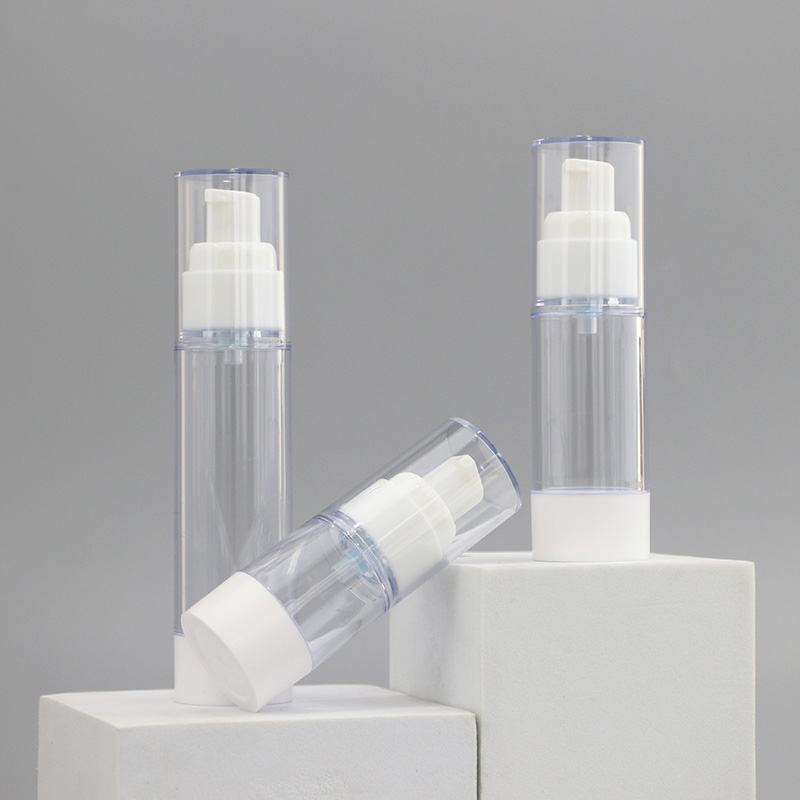
In the cosmetic industry, product stability is not just a formulation challenge — it is a packaging challenge. Every time a consumer opens a conventional pump or jar, air enters the container and begins interacting with the formula inside. This exposure triggers oxidation, degrades active ingredients, and shortens the effective life of the product. The airless bottle was engineered specifically to solve this problem by eliminating the air-product contact that conventional packaging cannot avoid.
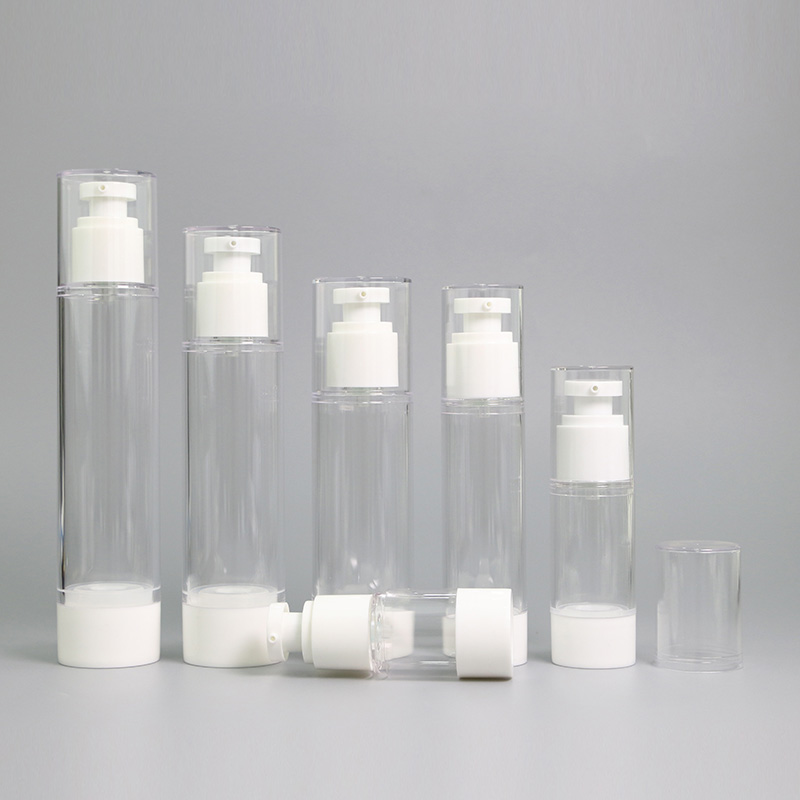
Understanding how an airless bottle works — and why it is so effective at preserving cosmetic formulas — requires looking at both the mechanical design and the chemistry it protects against. From high-end serums to sensitive emulsions, the airless bottle has become a standard solution for brands that take ingredient integrity seriously. This article breaks down the technology, explains the oxidation prevention mechanism, and outlines the real shelf life benefits that this packaging format delivers.
The Mechanics Behind Airless Bottle Design
How the Vacuum Pump System Works
The defining feature of an airless bottle is its vacuum-based dispensing mechanism. Unlike a standard pump bottle that draws product up through a dip tube while allowing air to flow back into the container, an airless bottle uses a piston or diaphragm at the base of the container. When the pump is pressed, the piston moves upward, pushing the product toward the dispensing nozzle without creating any negative pressure that would pull air inside.
This design means the internal chamber is never exposed to outside air during normal use. The product moves in one direction only — upward and out — while the piston follows behind it, continuously reducing the internal volume. The result is a sealed environment that maintains its integrity from the first pump to the last.
The precision of this mechanism is what separates a well-engineered airless bottle from a standard dispenser. The piston must form a tight seal against the inner wall of the container, and the valve at the nozzle must close completely after each use. When both elements function correctly, the formula inside is effectively isolated from the external environment throughout the product's entire usage period.
Material and Structural Considerations
The body of an airless bottle is typically manufactured from materials that offer both structural rigidity and chemical compatibility with cosmetic formulas. High-density polyethylene, polypropylene, and acrylic are common choices, each selected based on the viscosity and chemical profile of the product it will contain. The inner surface must be smooth and non-reactive to prevent any interaction between the packaging material and the formula.
The piston itself is usually made from a flexible polymer that can maintain consistent contact with the container wall as it travels upward. This flexibility is critical — any gap between the piston and the wall would allow air to bypass the seal and re-enter the product chamber. Manufacturers of quality airless bottle components invest heavily in the tolerances of this interface because it is the primary barrier against contamination.
Some airless bottle formats also incorporate UV-blocking materials or opaque outer shells to protect light-sensitive ingredients. This adds a second layer of protection beyond the air barrier, making the format particularly suitable for formulas containing vitamins, botanical extracts, and other photodegradable actives.
How Oxidation Damages Cosmetic Formulas
The Chemistry of Oxidative Degradation
Oxidation is a chemical reaction that occurs when molecular oxygen interacts with certain compounds in a cosmetic formula. Ingredients such as vitamin C, retinol, essential fatty acids, and many plant-derived extracts are highly susceptible to this reaction. When oxygen molecules contact these compounds, they initiate a chain reaction that breaks down the molecular structure of the active ingredient, reducing its potency and sometimes producing byproducts that can irritate the skin.
The rate of oxidation depends on several factors including temperature, light exposure, and the concentration of oxygen present. In a conventional open-air container, every use introduces a fresh supply of oxygen into the product. Over time, even a well-formulated product will lose a significant portion of its active ingredient concentration simply because the packaging allows repeated air exposure.
For brands marketing products based on the efficacy of specific actives — vitamin C serums, retinol creams, omega-rich facial oils — oxidative degradation is not just a stability concern. It is a direct threat to the product's core value proposition. A vitamin C serum that has oxidized is not just less effective; it may have turned yellow or orange, signaling to the consumer that something has gone wrong.
Microbial Contamination as a Secondary Risk
Beyond chemical oxidation, air exposure also introduces the risk of microbial contamination. Airborne bacteria, mold spores, and yeast can enter a product container during use and begin colonizing the formula. This is particularly relevant for products with reduced preservative systems, which have become increasingly common as consumers demand cleaner formulations.
An airless bottle addresses this risk directly. Because no air enters the container during dispensing, the pathway for airborne microorganisms is eliminated. This allows formulators to work with lower preservative concentrations without compromising the microbiological safety of the product, which in turn supports the development of gentler, more skin-compatible formulas.
The combination of oxidation prevention and microbial barrier function makes the airless bottle a particularly powerful tool for preservative-free or minimally preserved cosmetic lines. The packaging itself becomes part of the preservation strategy, reducing the burden on chemical preservatives and supporting a cleaner ingredient profile.
Shelf Life Extension Through Airless Packaging
Quantifying the Shelf Life Benefit
The shelf life of a cosmetic product is determined by how long it retains its intended performance, safety, and sensory characteristics. For products packaged in conventional containers, the period of use after opening — known as the period after opening, or PAO — is often significantly shorter than the unopened shelf life because of the air exposure that begins with the first use.
An airless bottle changes this dynamic fundamentally. Because the formula is not exposed to air during use, the PAO can be extended considerably. Products that might otherwise carry a six-month PAO in a standard jar can often be reformulated or repackaged in an airless bottle with a twelve-month or longer PAO. This is not a marginal improvement — it represents a doubling of the product's useful life after opening.
For consumers, this means better value and more consistent product performance from the first use to the last. For brands, it means fewer returns, stronger consumer satisfaction, and the ability to make credible efficacy claims that hold up throughout the product's usage period. The airless bottle effectively aligns the packaging performance with the formulation investment.
Implications for Active Ingredient Stability
The shelf life benefit of an airless bottle is most pronounced for products built around oxidation-sensitive actives. Vitamin C, in its most potent form as L-ascorbic acid, is notoriously unstable in the presence of air and light. Brands that formulate with high concentrations of L-ascorbic acid often face a difficult tradeoff between efficacy and stability — higher concentrations deliver better results but degrade faster.
Packaging in an airless bottle resolves much of this tradeoff. By eliminating air exposure, the packaging allows the formula to maintain its active concentration for a much longer period. A product that might lose thirty percent of its vitamin C potency within three months in a standard pump bottle can retain a significantly higher percentage of that potency over the same period when packaged in an airless bottle.
Similar benefits apply to retinol, niacinamide, peptides, and botanical extracts that contain polyphenols or other reactive compounds. In each case, the airless bottle acts as a protective environment that slows the degradation process and preserves the formula's intended performance profile throughout its shelf life.
Practical Applications and Product Suitability
Which Cosmetic Categories Benefit Most
While virtually any cosmetic product can benefit from airless packaging, certain categories see the most significant performance gains. Serums and treatment products with high active ingredient concentrations are the most obvious candidates. These products are typically positioned at the premium end of the market, where consumers have high expectations for efficacy and are sensitive to any signs of degradation.
Moisturizers and emulsions containing natural oils or fatty acids also benefit substantially from airless bottle packaging. These ingredients are prone to rancidity when exposed to oxygen, which produces unpleasant odors and can compromise the skin feel of the product. An airless bottle prevents the oxidation that leads to rancidity, keeping the product fresh and pleasant to use throughout its life.
Eye creams, anti-aging formulas, and products marketed for sensitive skin are additional strong candidates. These products often contain delicate actives and are used by consumers who are particularly attentive to product performance and skin reactions. The protection offered by an airless bottle supports the premium positioning of these products and reinforces the brand's commitment to quality.
Dispensing Efficiency and Product Waste Reduction
Beyond preservation, the airless bottle offers a practical advantage in terms of product recovery. Conventional pump bottles and tubes often leave a significant amount of product inaccessible at the bottom of the container. Consumers either discard this residual product or resort to cutting open the packaging to retrieve it — neither of which reflects well on the brand experience.
The piston mechanism in an airless bottle pushes the product upward continuously, ensuring that nearly all of the formula is dispensed before the container is empty. Recovery rates of ninety-five percent or higher are achievable with well-designed airless bottle systems, compared to recovery rates that can fall below eighty percent with conventional packaging.
This efficiency benefit has both economic and sustainability implications. Consumers get more value from each unit, which supports repeat purchase behavior. Brands can position the airless bottle as a responsible packaging choice that minimizes waste, aligning with the growing consumer preference for sustainable and efficient product formats.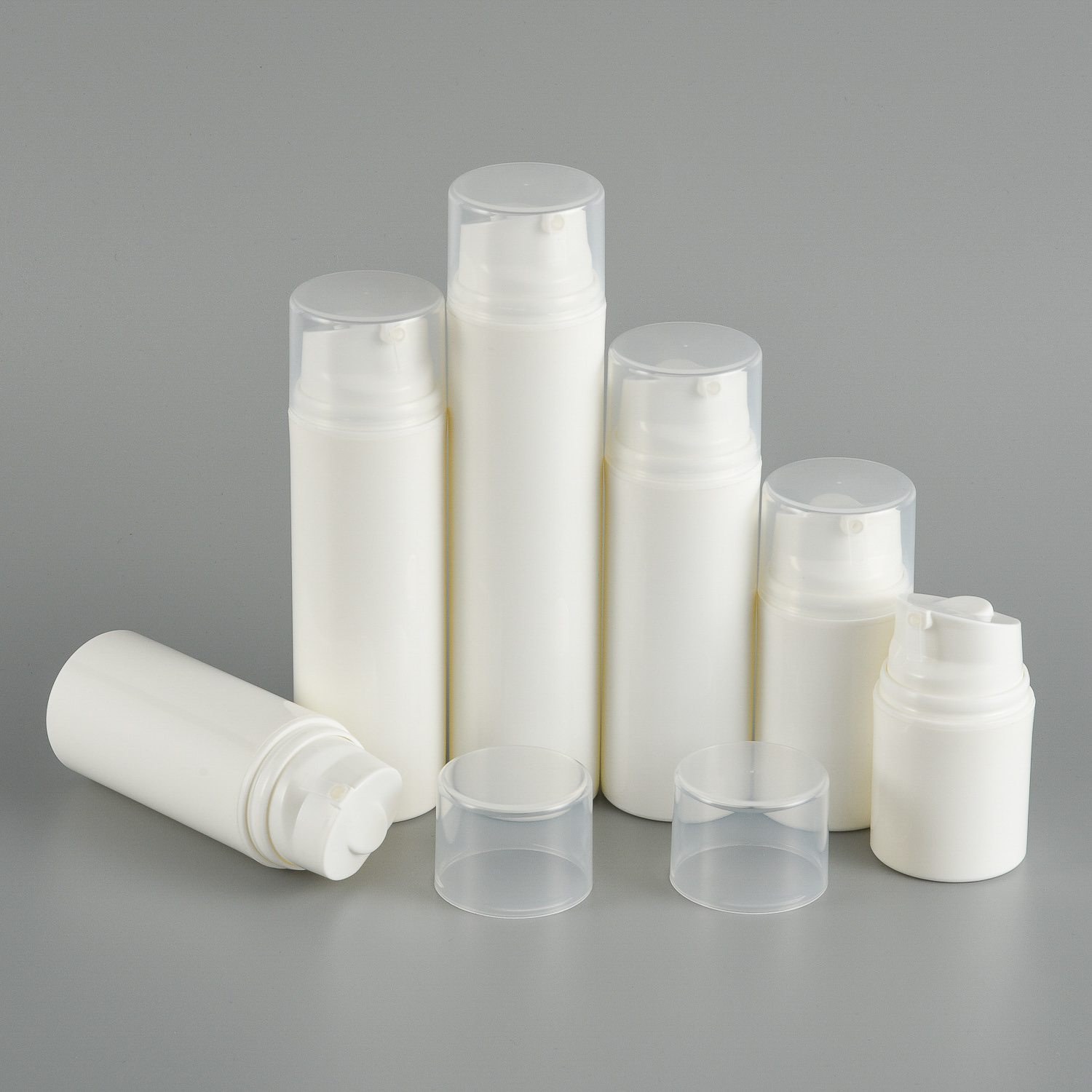
FAQ
Does an airless bottle completely eliminate oxidation in cosmetic products?
An airless bottle significantly reduces oxidation by preventing air from entering the container during use, but it does not eliminate oxidation entirely. Some dissolved oxygen may already be present in the formula at the time of filling, and trace amounts can enter during the manufacturing and filling process. However, the reduction in ongoing air exposure during the product's use phase is substantial, and the cumulative oxidation over the product's life is dramatically lower compared to conventional packaging formats.
Are all airless bottle formats equally effective at preventing air ingress?
Not all airless bottle designs perform equally. The effectiveness of the air barrier depends on the quality of the piston seal, the precision of the valve mechanism, and the materials used in construction. A well-engineered airless bottle with tight manufacturing tolerances will outperform a lower-quality version that allows micro-gaps in the piston seal. Brands sourcing airless bottle packaging should evaluate the dispensing mechanism carefully and request stability testing data to confirm the air barrier performance of the specific format they are considering.
Can an airless bottle be used with all cosmetic textures and viscosities?
An airless bottle is compatible with a wide range of cosmetic textures, including thin serums, medium-viscosity lotions, and thick creams. However, very high-viscosity formulas — such as dense balms or wax-based products — may not flow freely enough to be dispensed effectively by the piston mechanism. Very low-viscosity, water-like formulas may also present challenges if the valve does not seal tightly enough to prevent dripping. Formulators and packaging engineers typically conduct compatibility testing to confirm that the chosen airless bottle format is appropriate for the specific product texture.
How does airless bottle packaging support clean beauty formulation strategies?
One of the less-discussed benefits of the airless bottle in the context of clean beauty is its ability to support reduced preservative systems. Because the packaging prevents air and airborne microorganisms from entering the product during use, formulators can achieve adequate microbiological safety with lower concentrations of preservatives — or in some cases, without traditional preservatives at all. This aligns directly with the clean beauty movement's preference for shorter, gentler ingredient lists, and it allows brands to develop products that are both efficacious and formulated to a higher standard of ingredient transparency.
Table of Contents
- The Mechanics Behind Airless Bottle Design
- How Oxidation Damages Cosmetic Formulas
- Shelf Life Extension Through Airless Packaging
- Practical Applications and Product Suitability
-
FAQ
- Does an airless bottle completely eliminate oxidation in cosmetic products?
- Are all airless bottle formats equally effective at preventing air ingress?
- Can an airless bottle be used with all cosmetic textures and viscosities?
- How does airless bottle packaging support clean beauty formulation strategies?