
 EN
EN


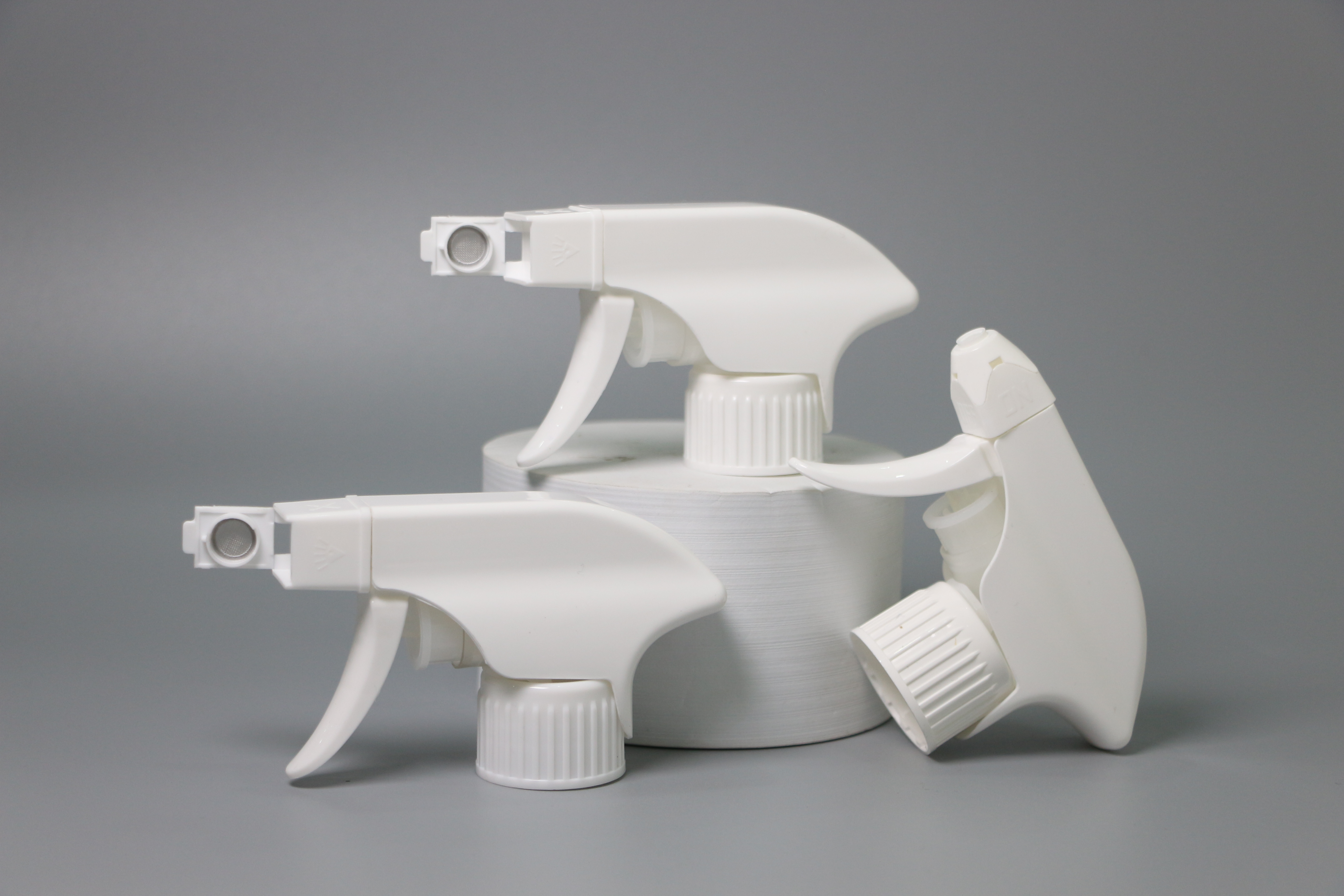
The all plastic trigger sprayer represents a critical advancement in fluid delivery systems, particularly for industrial and commercial applications that demand precision across varying liquid formulations. Modern manufacturing requires spraying equipment capable of handling liquids with vastly different viscosity levels, from thin watery solutions to thick, paste-like compounds. The fundamental challenge lies in designing an all plastic trigger sprayer that maintains consistent atomization, flow control, and operational reliability regardless of the fluid's resistance to movement. Understanding how sprayer geometry, material selection, and mechanical components adapt to these viscosity variations is essential for selecting equipment that performs reliably in demanding production environments.
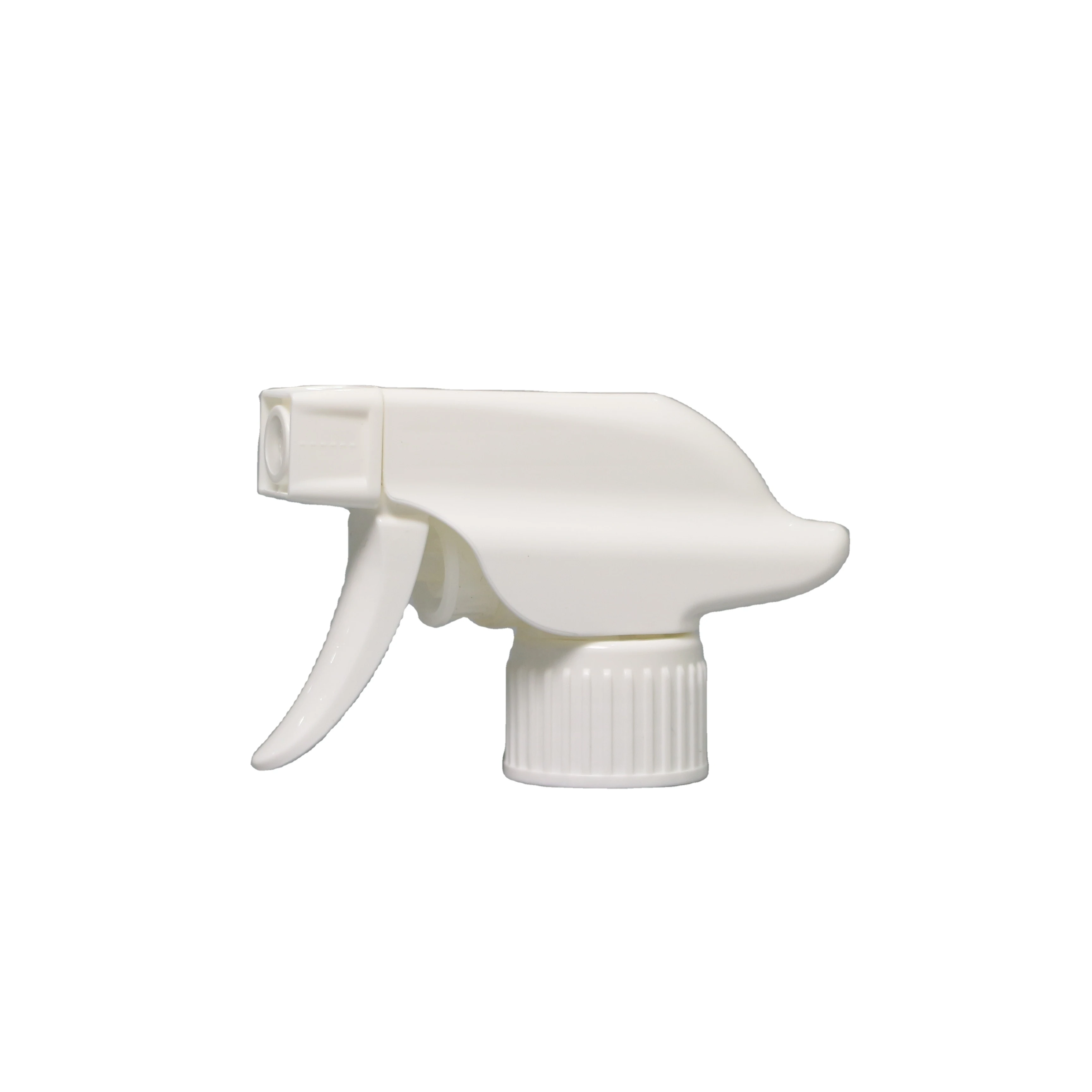
The performance of an all plastic trigger sprayer depends on how effectively internal pathways, valve mechanisms, and spring tensions accommodate different liquid characteristics. Manufacturers of all plastic trigger sprayer systems must balance material durability, chemical compatibility, and mechanical responsiveness to ensure the sprayer functions optimally across a spectrum of viscosity applications. This comprehensive guide examines the engineering principles, design adaptations, and practical considerations that enable all plastic trigger sprayer solutions to meet diverse industrial requirements without sacrificing performance or longevity.
Core Design Principles for All Plastic Trigger Sprayer Viscosity Adaptation
Understanding Viscosity Impact on Sprayer Mechanics
Viscosity fundamentally affects how an all plastic trigger sprayer responds to user input and delivers fluid. Low-viscosity liquids flow readily through internal passages, requiring minimal mechanical force to atomize, while high-viscosity formulations resist movement and demand stronger spring tension and larger internal channels. An all plastic trigger sprayer engineered for multi-viscosity applications must incorporate flexible pressure pathways that permit thin liquids to spray fine mist patterns while simultaneously providing sufficient pump action for thicker formulations. The valve seat geometry within an all plastic trigger sprayer determines whether fluid can maintain consistent flow rates across this viscosity spectrum. Engineers designing an all plastic trigger sprayer must calculate optimal compression ratios that prevent low-viscosity liquids from leaking past seals while ensuring high-viscosity solutions achieve adequate atomization.
Material Selection and Chemical Compatibility
The plastic composition of an all plastic trigger sprayer must withstand both mechanical stress and chemical exposure from diverse liquid formulations. Polypropylene and polyethylene are common choices for all plastic trigger sprayer construction because they resist corrosion from solvents, acids, and alkaline solutions while maintaining structural integrity under repeated compression cycles. An all plastic trigger sprayer exposed to high-viscosity oils or thick industrial coatings experiences greater internal friction and pressure buildup, which demands superior plastic durability compared to sprayers handling only lightweight solutions. Chemical resistance ensures that an all plastic trigger sprayer maintains seal integrity and valve responsiveness throughout extended service life, regardless of the specific liquid being dispensed. Manufacturers evaluate all plastic trigger sprayer plastic formulations through accelerated compatibility testing to confirm that material degradation does not compromise spray pattern accuracy or trigger feedback over thousands of operational cycles.
Mechanical Adaptations Within All Plastic Trigger Sprayer Design
Spring Tension and Pressure Regulation Systems
Spring mechanisms within an all plastic trigger sprayer must provide variable resistance that accommodates different viscosity levels without requiring user adjustment. A well-engineered all plastic trigger sprayer incorporates spring design that generates sufficient pressure to overcome the resistance of thick, high-viscosity liquids while remaining responsive enough for users to comfortably activate low-viscosity spray applications. The compression force required to operate an all plastic trigger sprayer increases proportionally with liquid viscosity, making spring calibration a critical design parameter. Manufacturers test all plastic trigger sprayer prototypes across multiple viscosity levels to establish optimal spring stiffness that balances user comfort with functional output. An all plastic trigger sprayer featuring adjustable or dual-stage spring systems offers enhanced versatility, permitting the same unit to service applications ranging from light insecticide misting to heavy-duty lubricant application.
Internal Valve and Pathway Configuration
The internal architecture of an all plastic trigger sprayer directly determines viscosity adaptation capability through strategic pathway sizing and valve positioning. Reservoir connection channels within an all plastic trigger sprayer must be sufficiently wide to permit high-viscosity fluid entry without excessive pressure drop, yet precise enough to maintain consistent atomization for thin solutions. Valve seat design in an all plastic trigger sprayer includes angled surfaces and strategic relief passages that modulate fluid velocity based on viscosity characteristics. During operation, an all plastic trigger sprayer's internal check valve prevents backflow while its discharge nozzle geometry accelerates fluid to optimal atomization velocity regardless of the liquid's initial resistance to flow. Advanced all plastic trigger sprayer designs incorporate multi-stage internal passages that create velocity profiles suited to both thin aerosol applications and thick adhesive dispensing, representing sophisticated mechanical compensation for viscosity variation.
Performance Optimization and Practical Implementation
Nozzle Design and Atomization Control
Nozzle configuration represents the final critical point where an all plastic trigger sprayer adapts to viscosity requirements, transforming pressurized fluid into optimal spray patterns. The discharge orifice diameter of an all plastic trigger sprayer must balance competing requirements: sufficiently large to prevent clogging from high-viscosity formulations, yet small enough to generate fine atomization for low-viscosity applications. Nozzle geometry within an all plastic trigger sprayer incorporates convergent-divergent passages that create turbulent mixing and controlled expansion, enhancing atomization efficiency across the full viscosity range. Manufacturers often provide different nozzle options for a single all plastic trigger sprayer platform, permitting users to select discharge patterns specifically optimized for their liquid viscosity profile. Testing an all plastic trigger sprayer across representative viscosity samples ensures that spray uniformity, coverage area, and droplet size distribution remain acceptable throughout the intended application range.
User Experience and Ergonomic Considerations
Practical deployment of an all plastic trigger sprayer must account for how operators perceive and respond to varying trigger resistance across different viscosity applications. A well-designed all plastic trigger sprayer provides consistent trigger feedback that users find predictable and comfortable, even when switching between thin and thick liquids. Feedback force profiles in an all plastic trigger sprayer should increase gradually with trigger depression rather than exhibiting abrupt resistance changes that might surprise operators or encourage excessive force application. Ergonomic analysis of all plastic trigger sprayer operation reveals that trigger stroke length, grip diameter, and trigger pivot positioning significantly influence user fatigue during extended application sessions. Manufacturers conducting field validation of all plastic trigger sprayer prototypes prioritize operator feedback to identify design refinements that enhance comfort while maintaining viscosity adaptation capability.
FAQ
How does an all plastic trigger sprayer maintain spray consistency across different viscosity liquids?
An all plastic trigger sprayer maintains consistency through precise internal valve calibration, optimized spring tension, and nozzle geometry designed to accommodate varying fluid resistance. The internal passages within an all plastic trigger sprayer create pressure-flow relationships that automatically modulate fluid velocity based on the liquid's viscosity, while the valve seat and check mechanisms ensure predictable atomization patterns. This mechanical adaptation enables an all plastic trigger sprayer to deliver effective spray performance for both thin solutions and thick formulations without requiring user adjustment or manual recalibration.
What materials are used in all plastic trigger sprayer construction for chemical compatibility?
All plastic trigger sprayer construction typically employs polypropylene, polyethylene, and specialized engineering plastics selected for superior chemical resistance across diverse liquid formulations. These materials within an all plastic trigger sprayer withstand exposure to solvents, oils, acids, and alkaline solutions while maintaining structural integrity and seal performance throughout extended operational life. The specific plastic selection for an all plastic trigger sprayer depends on the intended application and anticipated chemical exposure profile, with manufacturers providing documentation regarding compatibility with specific liquid types.
Can all plastic trigger sprayer designs be customized for specific viscosity applications?
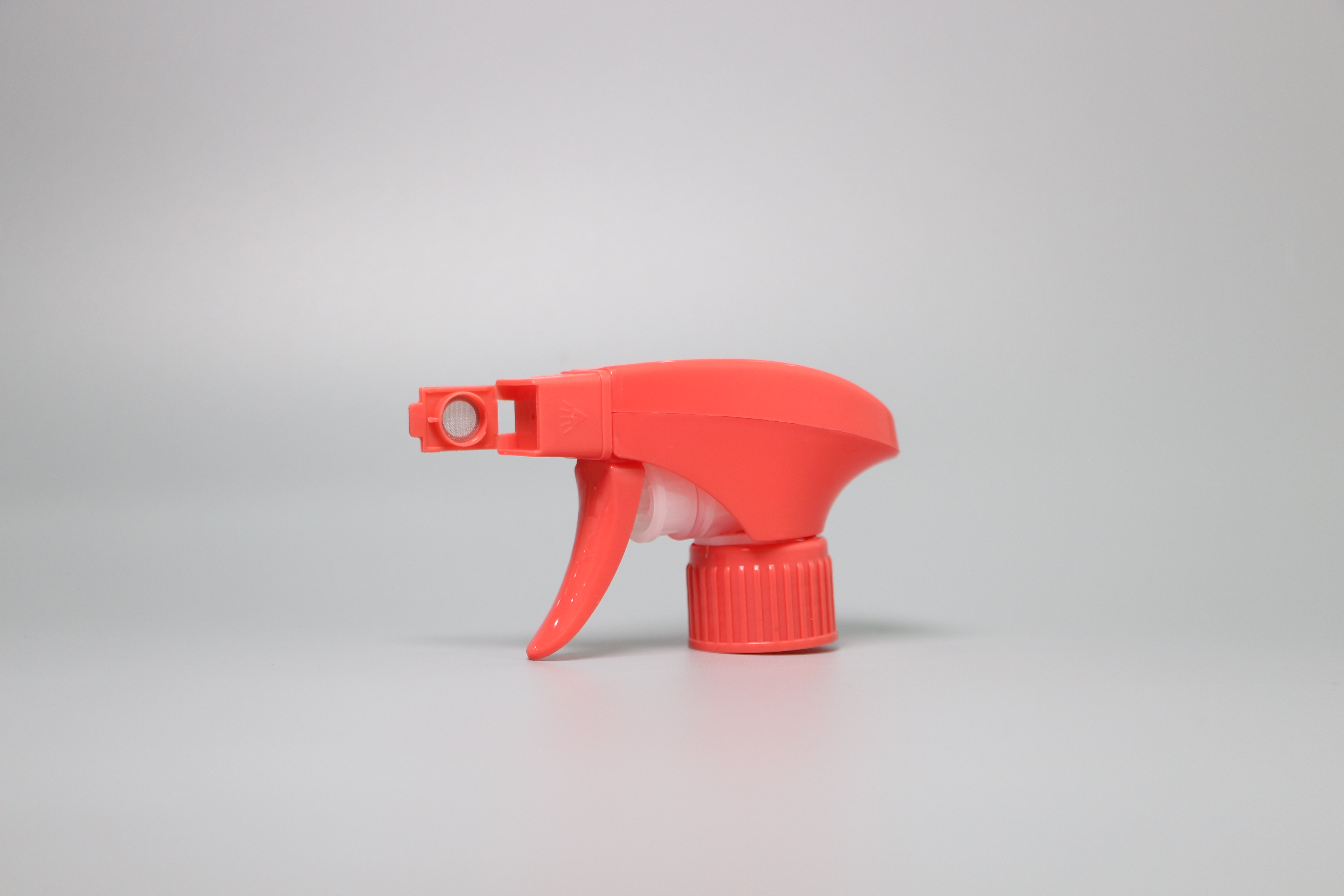
Yes, all plastic trigger sprayer designs can be extensively customized to optimize performance for specific viscosity ranges and application requirements. Manufacturers offer variable spring tensions, adjustable nozzle options, different internal passage configurations, and material selections that permit an all plastic trigger sprayer to be tailored to particular business needs. Custom all plastic trigger sprayer development ensures optimal spray pattern, atomization efficiency, and operational reliability for specialized industrial applications requiring precise viscosity adaptation.