
 EN
EN



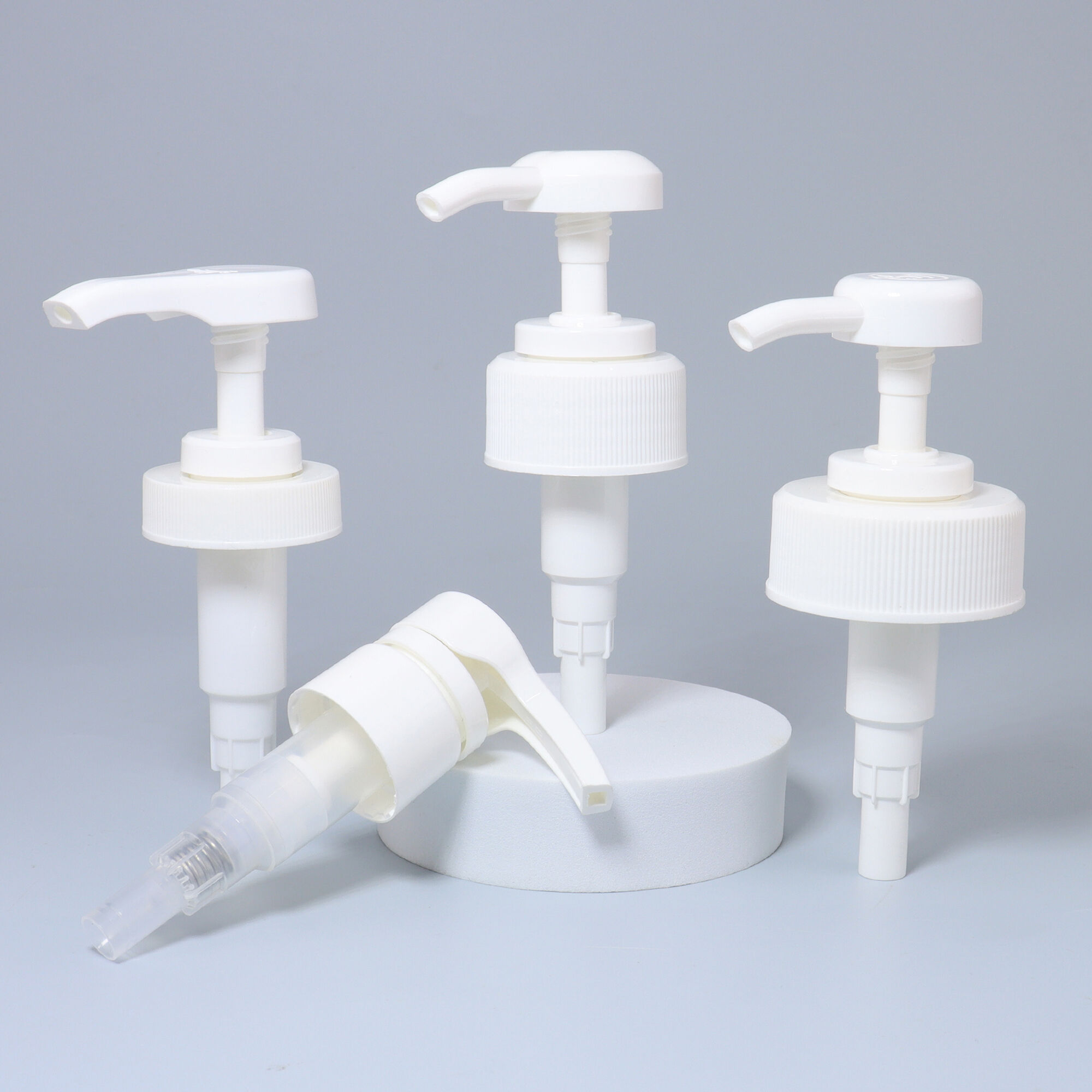
In the personal care industry, the ability of a dispensing system to handle a wide range of product viscosities is not a luxury — it is a fundamental engineering requirement. The 4cc lotion pump has become a widely adopted solution precisely because its internal architecture is designed to accommodate formulations that range from thin, water-like serums to thick, cream-based moisturizers. Understanding how this adaptation works helps brands make smarter packaging decisions and avoid costly compatibility failures in production.

The 4cc lotion pump delivers a fixed output volume of four cubic centimeters per stroke, making it a reliable choice for dosage-sensitive applications. However, the real engineering challenge lies not in the output volume itself but in how the pump manages fluid dynamics across different formulation types. From lightweight toners to dense body butters, the internal valve system, spring tension, dip tube configuration, and actuator design all play coordinated roles in ensuring consistent, clean dispensing regardless of what is inside the bottle.
The Mechanics Behind Viscosity Adaptation
How the Valve System Responds to Fluid Resistance
At the core of any 4cc lotion pump is a ball valve or disc valve mechanism that controls the flow of product from the container into the pump chamber and then out through the nozzle. For low-viscosity formulations such as facial toners or lightweight serums, the valve opens with minimal resistance, allowing the fluid to fill the chamber quickly and completely with each stroke. The low surface tension of these products means the valve can operate efficiently without requiring high actuator force.
For medium to high-viscosity formulations like thick lotions, gel cleansers, or emollient-rich creams, the valve must work against greater fluid resistance. In a well-engineered 4cc lotion pump, the spring tension is calibrated to provide enough return force to draw viscous product upward through the dip tube while still allowing the actuator to be pressed with reasonable user effort. This balance between spring strength and valve sensitivity is what separates a high-performance pump from a generic one.
Manufacturers who design the 4cc lotion pump for broad viscosity compatibility typically use a combination of a wider valve seat diameter and a softer spring constant. This configuration reduces the pressure threshold needed to initiate flow, which is especially important when the formulation contains thickening agents such as carbomer, xanthan gum, or hydroxyethylcellulose that significantly increase resistance at rest.
The Role of Spring Tension in Formulation Compatibility
Spring tension is one of the most critical and often underappreciated variables in the performance of a 4cc lotion pump. A spring that is too stiff will prevent thick formulations from being drawn into the pump chamber efficiently, resulting in incomplete fills, air pockets, and inconsistent dosing. A spring that is too soft may fail to create adequate suction for thin, low-viscosity products, leading to dripping or over-dispensing.
The 4cc lotion pump addresses this challenge through spring selection that targets a mid-range tension suitable for the broadest possible viscosity window. In practice, this means the pump performs reliably with formulations ranging from approximately 500 centipoise to upward of 50,000 centipoise, covering the majority of personal care product categories. For formulations at the extreme ends of this range, minor adjustments to the dip tube length or orifice size can extend compatibility further.
Some advanced versions of the 4cc lotion pump incorporate a two-stage spring mechanism that provides a lighter initial resistance followed by a firmer return stroke. This design is particularly effective for products that exhibit thixotropic behavior — meaning they thin under shear stress but thicken again at rest — because it allows the pump to take advantage of the temporary viscosity reduction during the dispensing stroke.
Dip Tube Design and Its Impact on Thick Formulations
Tube Diameter and Length Considerations
The dip tube is the channel through which product travels from the bottom of the container to the pump mechanism, and its geometry has a direct impact on how well the 4cc lotion pump handles different viscosity levels. For thin formulations, a standard narrow-bore dip tube is sufficient because the product flows easily under the suction created by the pump stroke. For thicker formulations, however, a narrow tube creates excessive flow resistance that can starve the pump chamber and produce inconsistent output.
A wider-bore dip tube reduces the hydraulic resistance for viscous products, allowing the 4cc lotion pump to draw thick creams and gels upward with less effort. The trade-off is that a wider tube may allow thin products to drain back into the container too quickly between strokes, which can introduce air into the system. This is why the dip tube specification for a 4cc lotion pump should always be matched to the target formulation viscosity range rather than treated as a universal component.
Tube length is equally important. A dip tube that is too short will leave product at the bottom of the container unreachable, while a tube that is too long may kink or compress against the container base, blocking flow entirely. For tall, narrow bottles commonly used with the 4cc lotion pump in premium skincare lines, a precisely trimmed dip tube ensures that the pump can access nearly all of the product regardless of its viscosity.
Dip Tube Material and Surface Interaction
The material composition of the dip tube also influences how the 4cc lotion pump interacts with different formulations. Polyethylene and polypropylene tubes are the most common choices because they are chemically inert across a wide range of cosmetic ingredients. However, for formulations containing high concentrations of oils, silicones, or alcohol-based solvents, the surface energy of the tube material can affect how readily the product wets the tube interior and flows upward.
In high-oil formulations such as facial oils or two-phase serums, a tube with a slightly textured or treated inner surface can reduce the tendency of the product to bead up and resist flow. This is a subtle but meaningful engineering detail that distinguishes a 4cc lotion pump designed for broad formulation compatibility from one optimized only for standard water-based lotions.
Neck Finish Compatibility and Sealing Performance
How Neck Size Affects Pump Behavior Across Viscosities
The 4cc lotion pump is available in multiple neck finish sizes, most commonly 28mm, 33mm, 38mm, and 48mm, and the choice of neck size has implications beyond simple fitment. A wider neck finish allows for a larger pump body diameter, which in turn permits a larger piston and cylinder assembly. This larger internal volume is advantageous for high-viscosity formulations because it reduces the pressure required to move product through the system during each stroke.
For brands formulating thick body creams or dense hair masks, selecting a 4cc lotion pump with a 38mm or 48mm neck finish provides a meaningful performance advantage over a 28mm version. The wider pump body accommodates a larger piston travel area, which generates more suction force per stroke and draws viscous product more reliably from the container. This is a practical consideration that packaging engineers should evaluate during the compatibility testing phase.
Conversely, for lightweight serums or toners packaged in slim, elegant bottles, a 28mm neck finish with a correspondingly narrower pump body is entirely appropriate. The lower viscosity of these products means the pump does not need to generate high suction force, and the narrower profile aligns better with the aesthetic requirements of premium skincare packaging. The 4cc lotion pump's availability across this range of neck sizes is one of the key reasons it serves such a broad segment of the personal care market.
Sealing Integrity Under Variable Formulation Pressure
Sealing performance is another dimension where the 4cc lotion pump must adapt to different formulation characteristics. Thin, low-viscosity products exert less pressure on internal seals and gaskets, but they are also more prone to leaking through any microscopic gap in the seal assembly. High-viscosity products exert more pressure during dispensing but are less likely to migrate through small gaps due to their resistance to flow.
A well-designed 4cc lotion pump uses a compression-fit gasket at the neck closure that provides consistent sealing force regardless of the product inside. The gasket material — typically low-density polyethylene or a thermoplastic elastomer — must be compatible with the formulation's chemical profile while maintaining its dimensional stability over the product's shelf life. For formulations containing high concentrations of glycols or surfactants, gasket compatibility testing is an essential step before finalizing the pump specification.
Actuator and Nozzle Design for Clean Dispensing
Orifice Size and Its Effect on Dispensing Quality
The actuator nozzle orifice is the final point of control in the dispensing pathway of a 4cc lotion pump, and its diameter directly determines how the product exits the pump. For thin formulations, a smaller orifice creates a focused, controlled stream that prevents splashing and over-dispensing. For thick formulations, a smaller orifice can create excessive back-pressure that makes the pump difficult to actuate and may cause product to be expelled in an uneven, sputtering pattern.
The 4cc lotion pump is typically configured with an orifice diameter in the range of 0.8mm to 1.5mm, with the specific size selected based on the target formulation viscosity. Brands working with thick emulsions or gel-based products should specify a larger orifice to ensure smooth, consistent dispensing without requiring excessive actuator force. This is a detail that is easy to overlook during initial packaging development but becomes immediately apparent during consumer use testing.
Some versions of the 4cc lotion pump feature a swirl chamber within the actuator that imparts a rotational motion to the product as it exits the nozzle. This design is primarily used for thin-to-medium viscosity formulations where a fine mist or fan spray pattern is desired. For thick formulations, a straight-bore actuator without a swirl chamber is preferred because it minimizes resistance and delivers a clean, ribbon-like output that is easy for consumers to control.
Anti-Drip and Suck-Back Mechanisms
One of the most common consumer complaints about lotion dispensers is post-dispense dripping, which occurs when residual product in the nozzle continues to flow out after the actuator is released. The 4cc lotion pump addresses this through a suck-back mechanism integrated into the valve assembly. When the actuator is released and the spring returns the piston to its resting position, a slight negative pressure is created in the nozzle channel that draws residual product back into the pump body.
This suck-back function works differently depending on formulation viscosity. For thin products, the negative pressure is sufficient to retract the residual fluid cleanly. For thick products, the higher viscosity resists retraction, and the suck-back mechanism must be more aggressively designed — typically through a larger valve seat area or a stronger return spring — to achieve the same clean finish. A 4cc lotion pump that performs well across viscosity ranges will have a suck-back mechanism calibrated for the middle of the target viscosity window, with the option to adjust for extreme cases.
FAQ
What viscosity range can a 4cc lotion pump typically handle?
A standard 4cc lotion pump is generally designed to handle formulations ranging from approximately 500 centipoise for thin serums up to around 50,000 centipoise for thick creams and gels. The exact range depends on the specific spring tension, dip tube diameter, and orifice size of the pump model. For formulations outside this range, custom configurations are available from most pump manufacturers.
Does the neck size of a 4cc lotion pump affect its performance with thick formulations?
Yes, neck size has a direct impact on performance with viscous products. A wider neck finish such as 38mm or 48mm allows for a larger pump body and piston assembly, which generates more suction force per stroke. This makes it easier to draw thick formulations through the dip tube and into the pump chamber, resulting in more consistent dosing and smoother actuation for dense creams and gels.
How do I know if a 4cc lotion pump is compatible with my specific formulation?
Compatibility testing is the most reliable method. This involves filling the target container with the actual formulation, fitting the 4cc lotion pump, and conducting actuation tests at room temperature and at temperature extremes to simulate real-world conditions. Key metrics to evaluate include actuation force, output consistency, drip performance, and seal integrity over a defined number of strokes. Chemical compatibility between the formulation and the pump's internal materials should also be verified.
Can a 4cc lotion pump be used for oil-based or two-phase formulations?
A 4cc lotion pump can be used with oil-based formulations, but material compatibility must be carefully evaluated. High concentrations of mineral oils, silicones, or essential oils can degrade certain plastics and elastomers used in standard pump assemblies over time. For two-phase formulations that require shaking before use, the pump should be tested after agitation to ensure it handles the temporarily altered viscosity and mixed-phase consistency without performance degradation.