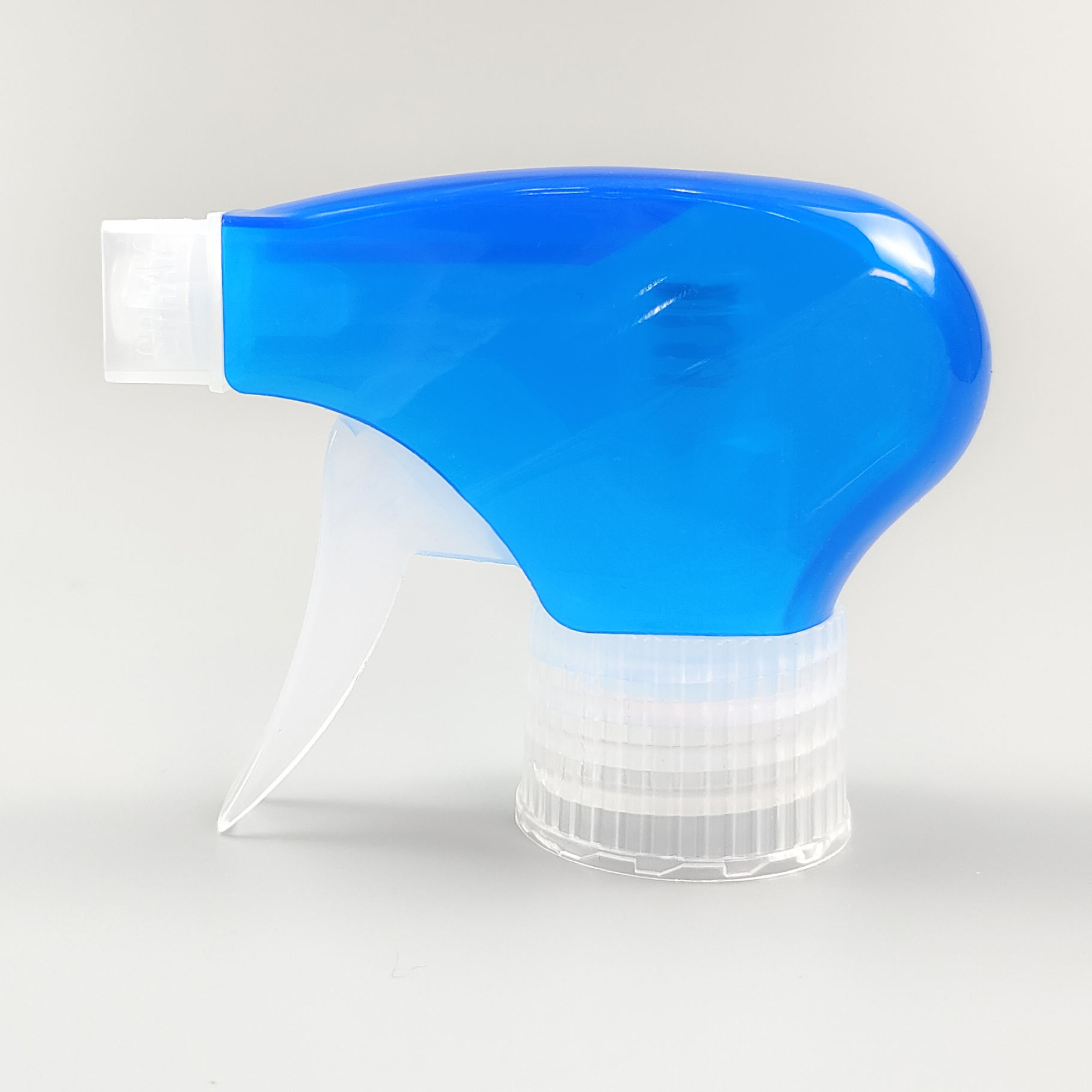
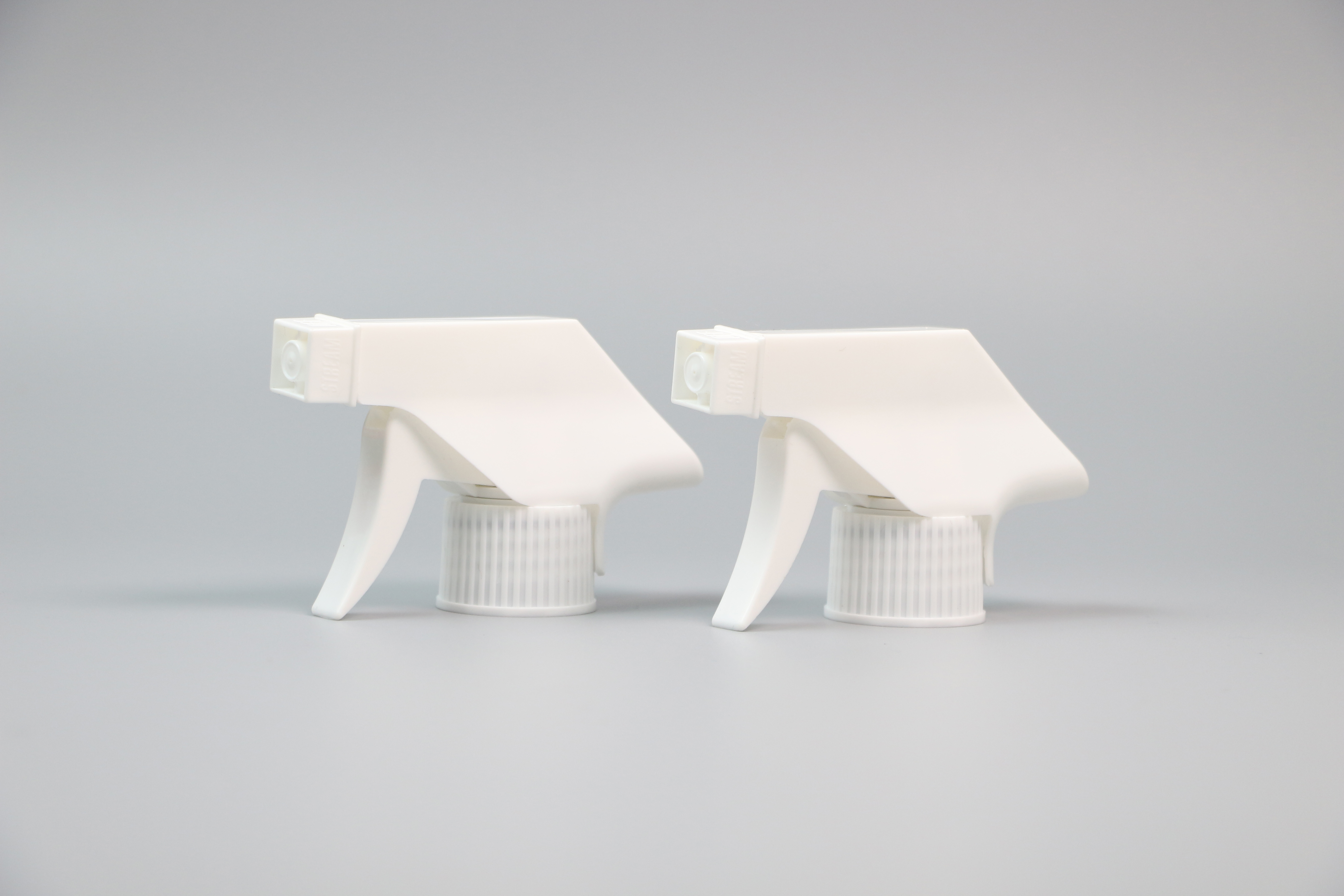
Ergonomic Design and User Experience Excellence
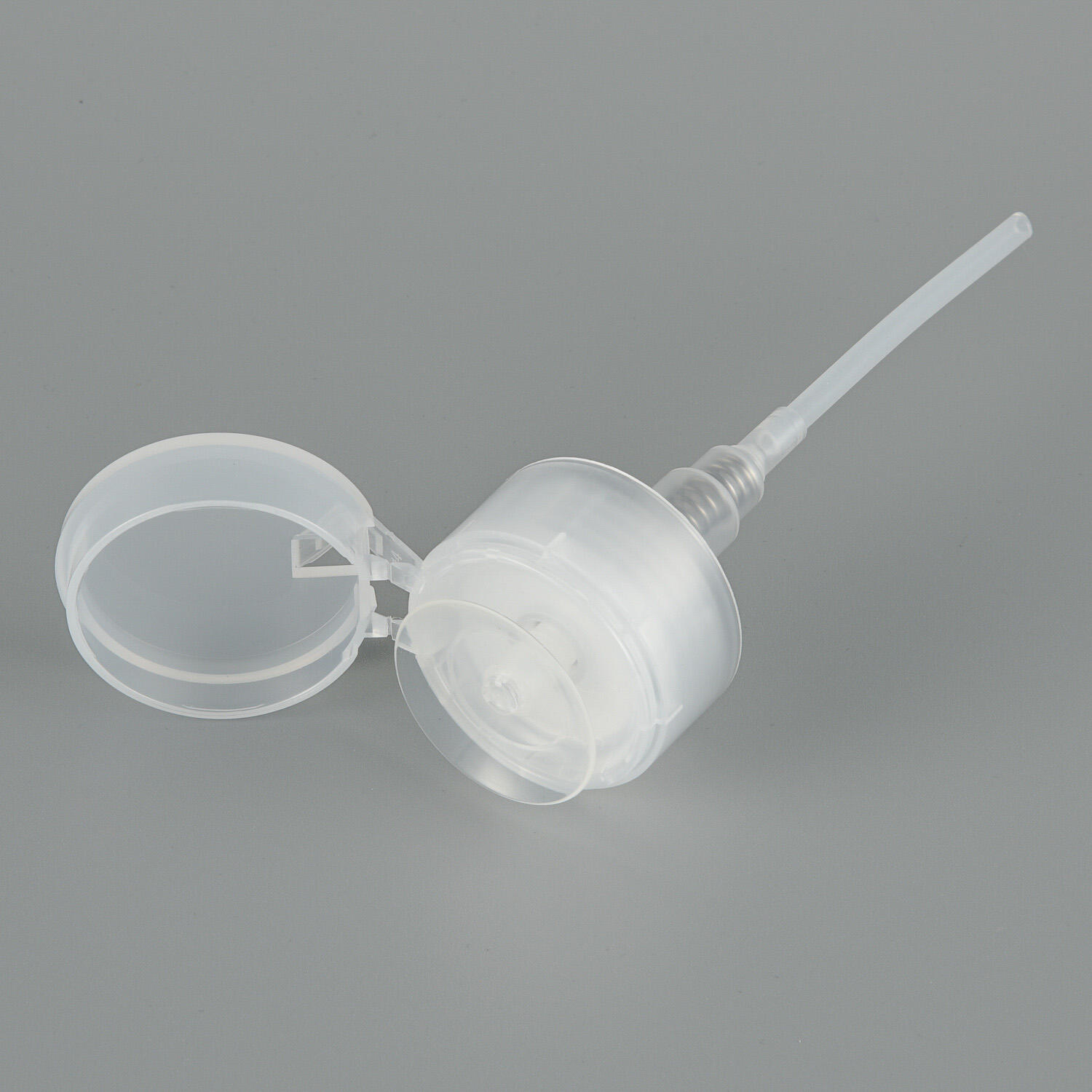
The empty cream pump showcases exceptional ergonomic design principles that prioritize user comfort, accessibility, and intuitive operation across diverse demographics and use cases. The comprehensive design philosophy addresses physical interaction challenges while maintaining aesthetic appeal and functional efficiency. The pump actuator features carefully contoured surfaces that accommodate various hand sizes and grip preferences, ensuring comfortable operation for extended use periods without fatigue or strain. The activation force requirements undergo extensive testing to balance ease of use with accidental dispensing prevention, resulting in optimal pressure sensitivity for all user groups. The height and positioning of the pump mechanism consider natural hand movements and wrist angles, reducing stress on joints during repeated use. Professional users particularly benefit from the ergonomic design during extended treatment sessions where repetitive pumping could cause discomfort with inferior designs. The surface texturing provides secure grip even with wet or slippery hands, enhancing safety and control during bathroom or spa environments. The design accommodates users with limited mobility or arthritis through low-force activation and stable base construction that prevents tipping during one-handed operation. Visual design elements include clear product level indicators and intuitive operation cues that enhance user experience regardless of lighting conditions. The compact footprint optimizes counter space utilization while maintaining stability during operation, addressing storage concerns in crowded bathrooms or professional stations. Material selection prioritizes skin-safe substances that feel pleasant to touch while resisting wear and maintaining appearance over time. The design includes provisions for easy cleaning with smooth surfaces and minimal crevices where bacteria could accumulate. Color and finish options accommodate various aesthetic preferences and professional decor requirements, ensuring seamless integration into existing environments. The user experience extends to maintenance procedures, with tool-free disassembly options that simplify cleaning and part replacement when necessary. Professional feedback influences design iterations, incorporating real-world usage insights from aestheticians, dermatologists, and spa professionals. The ergonomic design considers cultural preferences and regional usage patterns, ensuring global market acceptance and user satisfaction. Accessibility features include tactile indicators for visually impaired users and operation methods suitable for various physical capabilities. The design balances professional requirements with consumer preferences, creating versatile solutions suitable for both commercial and residential applications. Environmental considerations include sustainable material choices and design for disassembly that supports recycling efforts at end of product life.

 EN
EN