
 EN
EN



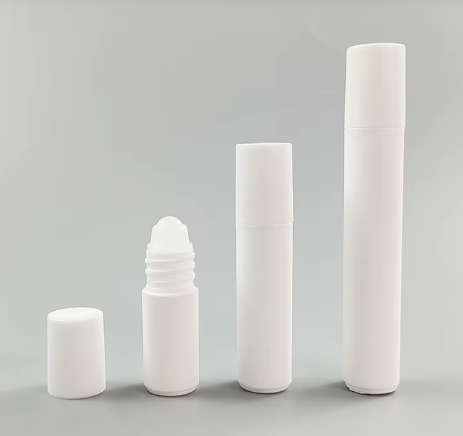
Selecting the right materials for roll on bottles is crucial for product integrity, user safety, and market success. Whether you're developing cosmetic products, essential oil blends, or pharmaceutical formulations, the material choice directly impacts product stability, customer satisfaction, and brand reputation. Understanding the various material options available for roll on bottles helps manufacturers make informed decisions that align with their specific product requirements and target market expectations.
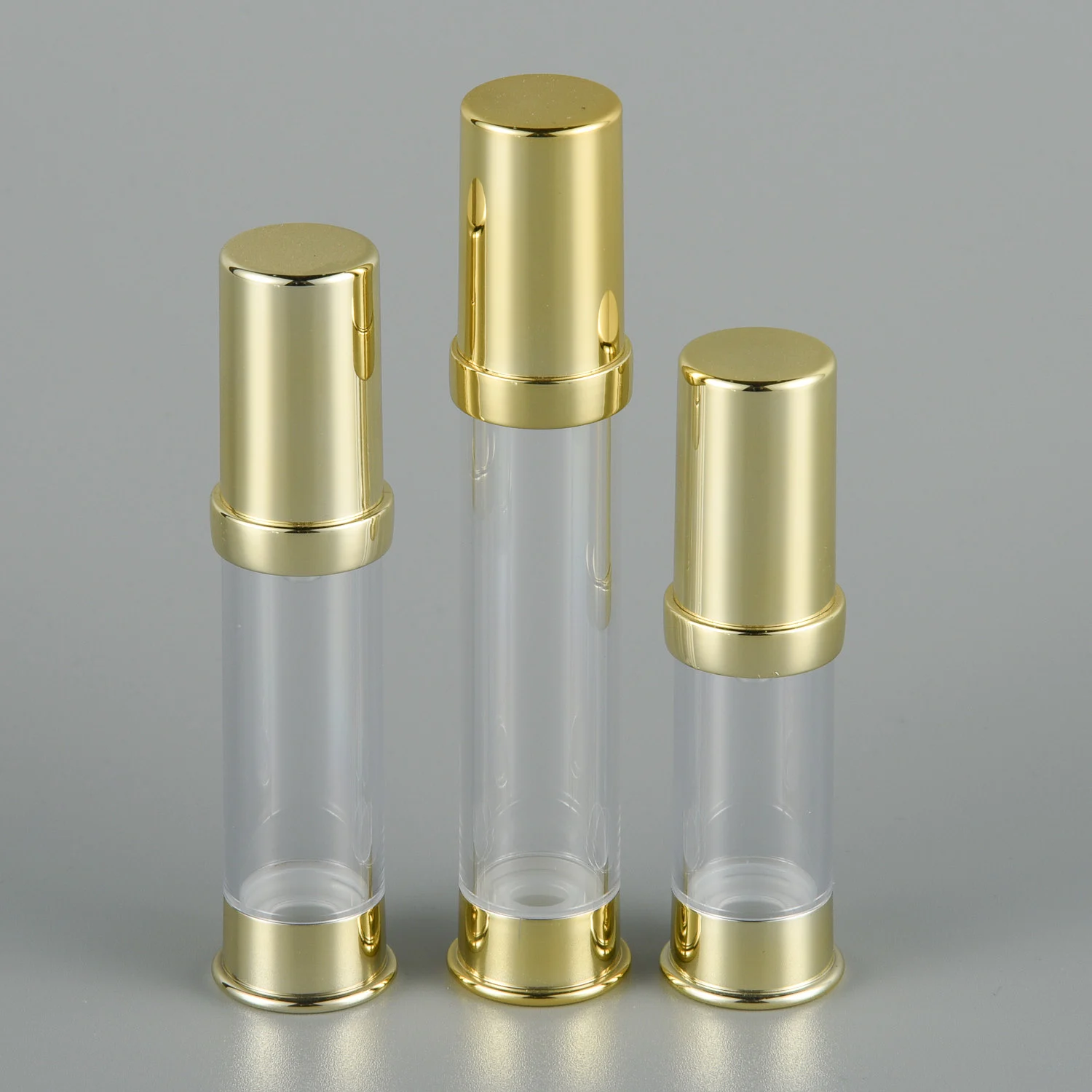
Glass Materials for Premium Roll On Applications
Advantages of Glass Construction
Glass remains the premium choice for roll on bottles due to its exceptional chemical resistance and preservation properties. This material provides an impermeable barrier that prevents product contamination and maintains the original formulation integrity over extended periods. Glass roll on bottles offer superior protection against light sensitivity, making them ideal for essential oils and pharmaceutical preparations that degrade under UV exposure.
The non-reactive nature of glass ensures that even the most sensitive formulations remain stable without unwanted chemical interactions. This characteristic makes glass roll on bottles particularly valuable for natural and organic product lines where purity is paramount. Additionally, glass containers provide excellent temperature stability, maintaining their structural integrity across various storage conditions.
Types of Glass Used in Manufacturing
Borosilicate glass represents the highest quality option for roll on bottles, offering exceptional thermal shock resistance and chemical durability. This type of glass withstands temperature fluctuations without cracking or compromising the container's integrity. Amber glass provides built-in UV protection, making it perfect for light-sensitive formulations such as essential oils and certain pharmaceutical compounds.
Clear glass roll on bottles offer aesthetic appeal and allow consumers to see the product inside, which can be advantageous for colored formulations or when visual inspection is important. Frosted glass provides a premium appearance while offering some light protection, striking a balance between functionality and visual appeal for luxury product lines.
Plastic Material Options for Cost-Effective Solutions
High-Density Polyethylene Benefits
High-density polyethylene represents one of the most versatile plastic options for roll on bottles, offering excellent chemical resistance and impact strength. This material provides good barrier properties against moisture and many chemicals while maintaining flexibility that prevents cracking during normal use. HDPE roll on bottles are particularly suitable for water-based formulations and products that require squeeze-friendly containers.
The lightweight nature of HDPE makes it ideal for travel-sized products and applications where shipping costs are a consideration. This material also offers excellent printability, allowing for high-quality labeling and branding options that enhance product presentation on retail shelves.
Polypropylene for Enhanced Durability
Polypropylene offers superior chemical resistance compared to many other plastic materials, making it suitable for roll on bottles containing alcohol-based formulations or products with higher pH levels. This material maintains its structural integrity across a wide temperature range, ensuring consistent performance in various storage and usage conditions.
The clarity of polypropylene allows for transparent roll on bottles that showcase the product while providing better impact resistance than glass alternatives. This material also offers excellent fatigue resistance, ensuring that the roll-on mechanism operates smoothly throughout the product's lifecycle.
Specialty Materials for Unique Applications
Aluminum Roll On Containers
Aluminum provides excellent barrier properties and complete light protection for sensitive formulations in roll on bottles. This material offers superior product preservation while maintaining a lightweight profile that appeals to consumers seeking portable solutions. Aluminum roll on bottles are particularly effective for antiperspirants and deodorants where moisture barrier properties are essential.
The recyclability of aluminum makes it an environmentally conscious choice for brands emphasizing sustainability. Additionally, aluminum containers can be easily customized with various surface treatments and colors to create distinctive packaging that stands out in competitive markets.
Composite Material Solutions
Advanced composite materials combine the benefits of multiple materials to create roll on bottles with optimized performance characteristics. These materials often feature plastic exteriors with specialized barrier coatings that enhance product preservation while maintaining cost-effectiveness. Composite solutions allow manufacturers to achieve specific performance requirements without the higher costs associated with premium materials.
Multi-layer constructions in roll on bottles can provide enhanced barrier properties, chemical resistance, and aesthetic appeal simultaneously. These innovative materials often incorporate recycled content while maintaining high performance standards, appealing to environmentally conscious consumers and brands.
Material Selection Considerations
Product Compatibility Factors
Chemical compatibility between the container material and product formulation is paramount when selecting roll on bottles. Essential oils and citrus-based products require materials that resist degradation from terpenes and other active compounds. Water-based formulations may have different material requirements compared to oil-based or alcohol-containing products.
Temperature stability requirements must also be considered, especially for products that may be exposed to extreme conditions during shipping or storage. Some materials perform better in cold environments, while others maintain integrity under heat exposure, making material selection crucial for global distribution strategies.
Cost and Manufacturing Considerations
Manufacturing costs vary significantly between different materials for roll on bottles, with glass typically representing the highest initial investment but offering premium positioning opportunities. Plastic options provide cost-effective solutions for high-volume production while maintaining acceptable performance characteristics for many applications.
Lead times and minimum order quantities differ between materials, affecting production planning and inventory management strategies. Glass roll on bottles often require longer lead times and higher minimum orders compared to plastic alternatives, influencing product launch timelines and cash flow considerations.
Sustainability and Environmental Impact
Recyclability and Environmental Responsibility
Recyclability has become increasingly important in material selection for roll on bottles as consumers and brands prioritize environmental responsibility. Glass offers infinite recyclability without quality degradation, making it an excellent choice for sustainable packaging strategies. Many plastic materials used in roll on bottles can be recycled, though the process may result in some quality reduction.
Post-consumer recycled content availability varies between materials, with some manufacturers offering roll on bottles made partially from recycled materials. This option allows brands to reduce their environmental footprint while maintaining product quality and safety standards.
Biodegradable and Bio-Based Options
Emerging bio-based materials for roll on bottles offer alternatives to traditional petroleum-based plastics while maintaining necessary performance characteristics. These materials often provide comparable barrier properties and durability while offering improved end-of-life disposal options.
Compostable options for roll on bottles are becoming available for specific applications where rapid biodegradation is desired. However, these materials typically require careful consideration of performance limitations and may not be suitable for all product formulations or storage requirements.
Quality Control and Testing Standards
Material Testing Requirements
Comprehensive testing protocols ensure that roll on bottles meet safety and performance standards across various applications. Material testing includes chemical compatibility assessments, barrier property evaluations, and mechanical stress testing to validate container performance under normal and extreme conditions.
Regulatory compliance testing varies by geographic market and product application, with pharmaceutical and cosmetic products requiring more stringent validation compared to general consumer products. Understanding these requirements early in the material selection process helps avoid costly delays and reformulations.
Long-Term Stability Assessment
Accelerated aging tests help predict how roll on bottles will perform over their intended shelf life, identifying potential material degradation or product interaction issues before market launch. These tests simulate extended storage conditions to validate material selection decisions and support product claims.
Migration testing ensures that materials used in roll on bottles do not transfer unwanted compounds into the product, maintaining safety and efficacy throughout the product lifecycle. This testing is particularly important for products intended for skin contact or ingestion.
FAQ
What is the best material for essential oil roll on bottles?
Glass, particularly amber or cobalt blue glass, is the best material for essential oil roll on bottles due to its chemical inertness and UV protection properties. Glass prevents essential oil degradation and maintains therapeutic properties over time, making it the preferred choice for aromatherapy and natural wellness products.
Are plastic roll on bottles safe for cosmetic products?
Yes, plastic roll on bottles made from approved materials like HDPE or polypropylene are safe for cosmetic products when properly selected for formula compatibility. These materials meet regulatory standards for cosmetic packaging and provide adequate protection for most formulations while offering cost-effective manufacturing solutions.
How do I choose between glass and plastic for roll on bottles?
Choose glass roll on bottles for premium products, light-sensitive formulations, or when maximum product preservation is required. Select plastic options for cost-sensitive applications, high-volume production, or when breakage resistance is important. Consider your target market, price point, and product requirements when making this decision.
What materials should be avoided for certain product types?
Avoid using certain plastics with citrus oils or highly acidic formulations as they may cause material degradation. Similarly, avoid clear containers for light-sensitive products, and ensure that any material selected has been tested for compatibility with your specific formulation to prevent container failure or product contamination.