
 EN
EN



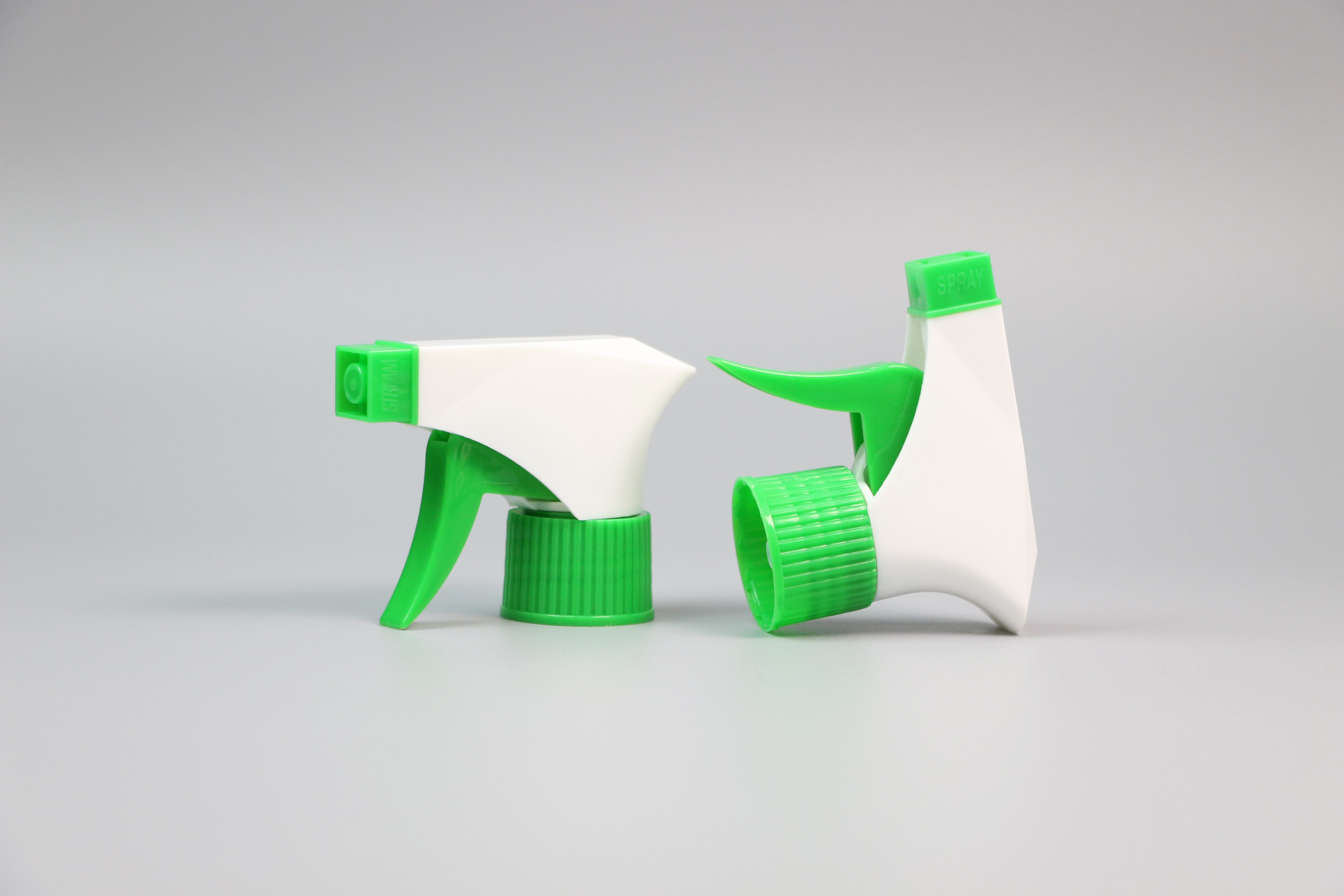
A trigger sprayer is one of the most widely used dispensing tools across household cleaning, automotive care, agriculture, and industrial maintenance. Yet despite its simple appearance, the internal mechanism behind a trigger sprayer is a carefully engineered system designed to deliver a controlled, repeatable spray pattern every single time the trigger is pulled. Understanding how this mechanism works helps buyers, product developers, and procurement professionals make smarter decisions about which dispensing solution fits their application.
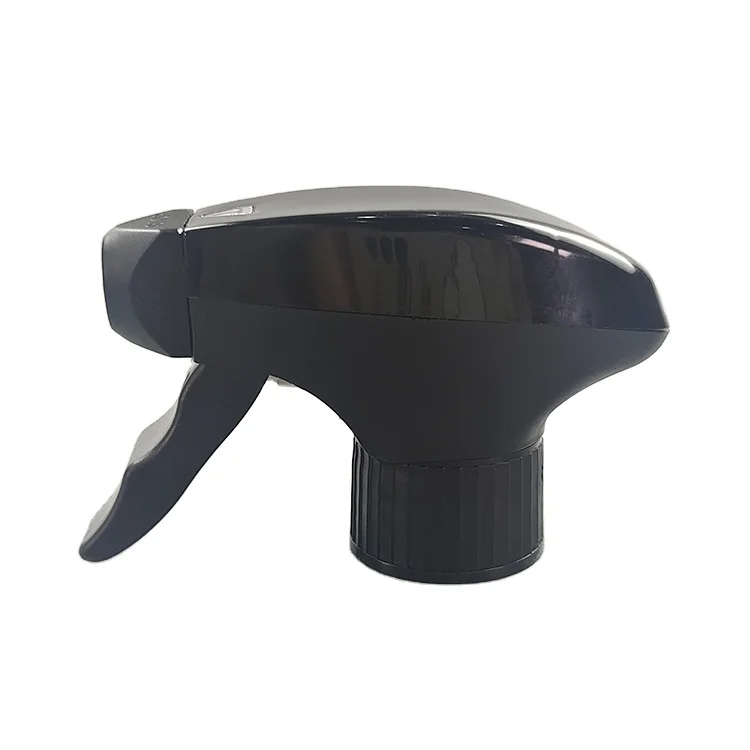
The consistency of liquid output over repeated use cycles is not accidental. It is the direct result of precision-engineered components working in coordination. From the piston and spring assembly to the nozzle orifice and dip tube, every part of a trigger sprayer plays a specific role in maintaining output volume, spray pattern, and pressure stability across hundreds or even thousands of actuation cycles. This article breaks down the mechanism in detail and explains why consistent performance is achievable and what factors influence it over time.
The Core Mechanical Principle Behind a Trigger Sprayer
How the Piston and Spring Assembly Creates Pressure
At the heart of every trigger sprayer is a piston-cylinder assembly. When the user pulls the trigger, the trigger arm pushes the piston forward inside a small cylindrical chamber. This forward motion compresses the liquid already held in the chamber, building up hydraulic pressure. The spring behind the piston stores mechanical energy during this compression stroke and then releases it to return the piston to its original position when the trigger is released.
This push-and-return cycle is what makes a trigger sprayer function as a positive displacement pump. Each full actuation displaces a fixed volume of liquid, which is why output per stroke remains highly consistent when the mechanism is functioning correctly. The spring tension is calibrated during manufacturing to ensure the return stroke is fast enough to refill the chamber before the next pull, maintaining rhythm without dead spots or hesitation.
The material and gauge of the spring are critical variables. A spring that is too weak will result in slow refill and inconsistent output. A spring that is too stiff will make the trigger hard to pull, causing user fatigue and uneven actuation force. Quality trigger sprayer designs balance these factors to deliver smooth, repeatable performance across the full intended use cycle range.
The Role of Check Valves in Maintaining Flow Direction
A trigger sprayer relies on two one-way check valves to ensure liquid always moves in the correct direction. The inlet check valve sits at the base of the pump chamber, between the dip tube and the cylinder. It opens during the return stroke to allow liquid to flow up from the bottle into the chamber, and it closes during the compression stroke to prevent liquid from flowing back down.
The outlet check valve sits between the pump chamber and the nozzle channel. It opens under pressure during the compression stroke to allow liquid to travel toward the nozzle, and it closes during the return stroke to prevent air from being drawn back into the system. Together, these two valves create a unidirectional flow path that is essential for consistent output volume per actuation.
When check valves wear out or become contaminated with particulate matter from the liquid being dispensed, the trigger sprayer begins to lose output consistency. Liquid may dribble rather than spray, or the volume per stroke may decrease noticeably. This is why the material quality and seating precision of check valves are among the most important factors in determining the long-term reliability of a trigger sprayer.
Nozzle Design and Its Impact on Spray Pattern Consistency
How the Nozzle Orifice Controls Output Characteristics
The nozzle is the final stage of the trigger sprayer mechanism and has a direct influence on how liquid exits the device. The orifice size, shape, and internal swirl chamber geometry determine whether the output is a fine mist, a focused stream, or a broad fan pattern. These characteristics are fixed by the nozzle design and remain consistent as long as the orifice is not clogged or physically damaged.
In most adjustable trigger sprayer designs, the nozzle cap can be rotated to switch between spray modes. This rotation changes the alignment between the liquid channel and the swirl chamber, altering the exit angle and droplet size. The precision of this adjustment mechanism directly affects how reliably the user can return to a specific spray setting after switching modes, which matters in professional and industrial applications where repeatability is required.
Nozzle orifice diameter is also a key factor in output volume per stroke. A larger orifice allows more liquid to exit per actuation, while a smaller orifice produces finer droplets at lower flow rates. Manufacturers calibrate orifice size in relation to the pump chamber volume to ensure the pressure generated by the piston is sufficient to atomize the liquid properly at the intended output rate.
Preventing Nozzle Clogging Across Extended Use Cycles
One of the most common causes of inconsistent output in a trigger sprayer over time is nozzle clogging. Residue from cleaning agents, mineral deposits from hard water, or dried surfactant films can partially block the orifice, reducing flow and distorting the spray pattern. High-quality trigger sprayer designs address this through smooth internal channel surfaces that minimize residue adhesion and through nozzle materials that resist chemical attack from common cleaning formulations.
Some trigger sprayer models incorporate a self-sealing nozzle that closes the orifice when not in use, preventing liquid from drying inside the channel between use cycles. This feature is particularly valuable in applications where the sprayer sits unused for extended periods, such as seasonal cleaning products or infrequently used industrial maintenance sprays.
Regular flushing of the nozzle with clean water after use is a simple maintenance practice that significantly extends the consistent performance life of a trigger sprayer. In professional settings where sprayers are used daily, this practice can double or triple the effective service life of the nozzle without requiring replacement.
Dip Tube Function and Liquid Delivery Reliability
How the Dip Tube Ensures Continuous Liquid Supply
The dip tube is the slender tube that extends from the pump assembly down to the bottom of the bottle. Its function is straightforward but critical: it ensures that liquid is drawn from the lowest point of the container, maximizing the usable volume of the product and maintaining a continuous supply to the pump chamber throughout the bottle's contents.
The length and diameter of the dip tube must be matched to the bottle geometry. A dip tube that is too short will leave a significant volume of liquid unreachable at the bottom of the bottle. A dip tube that is too long may kink or press against the bottle wall, restricting flow and causing inconsistent output. Precision-cut dip tubes that are sized to the specific bottle format are a mark of a well-engineered trigger sprayer system.
In applications involving viscous liquids or suspensions, dip tube diameter becomes especially important. Thicker liquids require a wider bore to flow freely under the suction created by the return stroke. If the dip tube is undersized for the liquid viscosity, the pump chamber may not refill completely between strokes, resulting in reduced and inconsistent output volume per actuation.
Maintaining Seal Integrity Between the Pump and Bottle
The connection between the trigger sprayer pump assembly and the bottle neck must maintain an airtight seal throughout the product's use life. This seal serves two purposes: it prevents liquid from leaking around the pump collar, and it allows the slight negative pressure created by the return stroke to draw liquid up through the dip tube rather than drawing air in from around the collar.
Most trigger sprayer designs use a threaded collar with a gasket or compression seal to achieve this. The quality of the gasket material and the precision of the thread engagement determine how well this seal holds up over repeated actuation cycles and across varying temperatures. In industrial or automotive applications where the sprayer may be exposed to temperature fluctuations, seal material selection becomes a critical durability factor.
A compromised bottle seal is one of the less obvious causes of declining output consistency in a trigger sprayer. If air enters the system around the collar rather than through the dip tube, the pump chamber may partially fill with air rather than liquid, reducing output volume per stroke and creating an erratic spray pattern. Inspecting the collar seal is an important step when troubleshooting inconsistent performance.
Material Quality and Its Influence on Long-Term Mechanism Performance
Polymer Selection for Durability and Chemical Resistance
The structural components of a trigger sprayer — including the trigger arm, pump body, piston, and nozzle — are typically manufactured from engineering-grade polymers. The specific polymer chosen for each component affects its resistance to the chemicals being dispensed, its dimensional stability under repeated mechanical stress, and its ability to maintain tight tolerances over thousands of actuation cycles.
Polypropylene is the most common material for trigger sprayer bodies due to its excellent chemical resistance, low moisture absorption, and good fatigue resistance under cyclic loading. Components that require higher stiffness or impact resistance may use high-density polyethylene or nylon. The spring is typically stainless steel to resist corrosion from contact with liquid residue inside the pump chamber.
When a trigger sprayer is used with aggressive chemicals such as solvents, acids, or high-concentration disinfectants, material compatibility becomes a critical selection criterion. Using a trigger sprayer with incompatible materials will cause swelling, cracking, or softening of internal components, leading to rapid degradation of output consistency and eventual mechanical failure. Reputable manufacturers provide chemical compatibility data to guide product selection for specific applications.
Tolerance Precision and Its Effect on Cycle-to-Cycle Repeatability
The consistency of output volume per actuation in a trigger sprayer is directly tied to the dimensional precision of the piston-cylinder interface. If the clearance between the piston and cylinder wall is too large, liquid will bypass the piston during compression rather than being directed toward the nozzle, reducing output volume and pressure. If the clearance is too tight, friction will increase trigger pull force and accelerate wear on both surfaces.
High-quality trigger sprayer manufacturing uses precision injection molding with tight dimensional tolerances to achieve the correct piston-cylinder fit. This precision is what allows a well-made trigger sprayer to deliver consistent output from the first actuation to the ten-thousandth. Lower-quality manufacturing with looser tolerances will show output degradation much earlier in the product's use life.
The check valve seats are another area where dimensional precision matters significantly. A valve seat that is not perfectly flat or that has surface irregularities will not seal completely, allowing backflow that reduces output consistency. Precision-molded valve seats with smooth sealing surfaces are a key differentiator between trigger sprayer designs that maintain consistent performance over extended use and those that degrade quickly.
FAQ
Why does my trigger sprayer lose pressure after extended use?
Loss of pressure in a trigger sprayer after extended use is typically caused by wear on the check valve seats, degradation of the piston seal, or weakening of the return spring. These components experience mechanical stress with every actuation cycle, and their performance gradually declines as material fatigue accumulates. In most cases, the trigger sprayer has reached the end of its designed service life and should be replaced rather than repaired.
How many actuation cycles can a quality trigger sprayer reliably handle?
A well-engineered trigger sprayer designed for professional or industrial use is typically rated for between 150,000 and 300,000 actuation cycles before significant performance degradation occurs. Consumer-grade trigger sprayer products are generally rated lower, in the range of 50,000 to 100,000 cycles. These ratings assume use with compatible liquids and normal operating conditions. Aggressive chemicals, extreme temperatures, or excessive trigger force will reduce effective service life.
Does liquid viscosity affect trigger sprayer output consistency?
Yes, liquid viscosity has a direct effect on trigger sprayer output consistency. Thicker liquids require more suction force to travel up the dip tube and more pressure to atomize at the nozzle. If the pump mechanism is not designed for the viscosity of the liquid being dispensed, output volume per stroke will be lower than rated and the spray pattern may be coarser or more irregular. Always verify that the trigger sprayer specification is appropriate for the viscosity range of your intended liquid.
Can a trigger sprayer be used with both water-based and solvent-based liquids?
Not all trigger sprayer designs are compatible with both water-based and solvent-based liquids. Solvent-based liquids can attack certain polymers and elastomers used in standard trigger sprayer construction, causing swelling or cracking of internal components. If you need to dispense solvent-based products, select a trigger sprayer that is explicitly rated for solvent compatibility and verify that all wetted components — including the dip tube, piston seal, check valves, and nozzle — are made from chemically resistant materials such as solvent-grade polypropylene or PTFE-lined components.