
 EN
EN



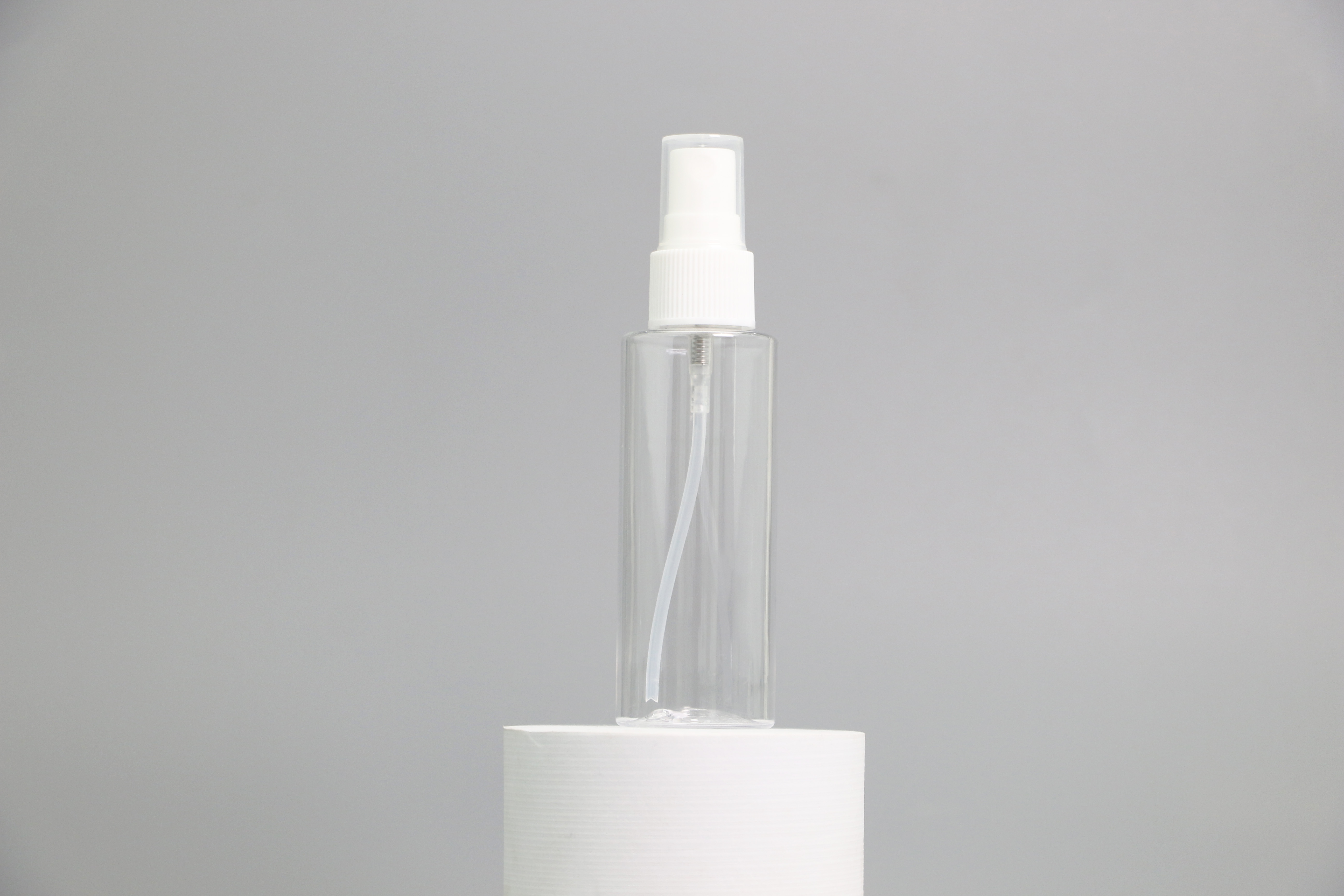
မည်သည့်စပရေးယ်အသုံးပြုမှု၏ အကျိုးသက်ရောက်မှုသည် စပရေးယ်အများအားဖြင့် အသုံးပြုသည့် ပုံစံပေါ်တွင် အလွန်အမင်း မှီခိုနေပါသည်။ မစ်စ်ပျောက်ခြင်း နော့ဇယ်၏ ပုံစံ၊ အက်တမ်မ်မ်မ်ဖ်စ်ခ်န်ဘာ၏ ဖိအားနှင့် ထရီဂါ မက်ကနစ်၏ ဒီဇိုင်းတို့သည် မှုန်မှုန်စပရေးယ်သည် အလွန်အမင်း ပေါ့ပါ့ပါ့နှင့် ညီညာသော ဖြန့်ကြူးမှုကို ပေးစေခြင်း သို့မဟုတ် မညီမျှသော စပရေးယ်ပုံစံများကို ထုတ်လုပ်ခြင်းကို ဆုံးဖြတ်ပေးပါသည်။ မှုန်မှုန်စပရေးယ်၏ ဒီဇိုင်းအစိတ်အပိုင်းများနှင့် စပရေးယ်အကျိုးသက်ရောက်မှုတို့အကြား ဆက်နှုံ့မှုကို နားလည်ခြင်းသည် တိက်တိက်ကြောက်ကြောက် ညီညီမျှမျှ မှုန်မှုန်ဖြန့်ကြူးမှုကို အခြေခံသည့် ထုတ်လုပ်သူများ၊ စက်ရုံစီမံခန့်ခွဲမှုများနှင့် အသုံးပြုမှုအထူးကျွမ်းကျင်သူများအတွက် အရေးကြီးပါသည်။
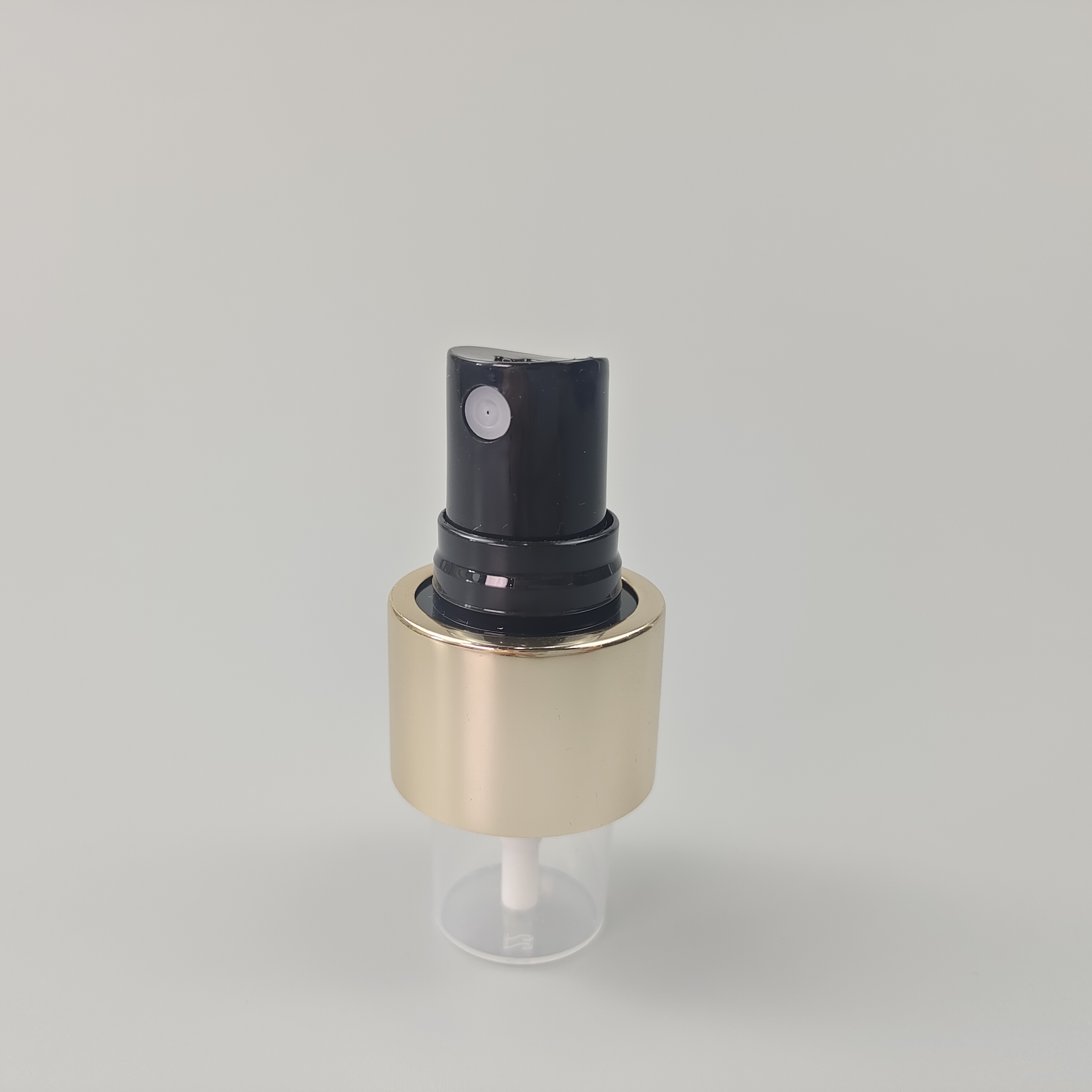
အရည်အသွေးမြင့် မီးခိုးဖြန်းစက်က အရည်အပုံကြီးကို လေထဲမှာ ပိုကြာကြာ တောင့်ခံနေ၊ ပိုညီမျှစွာ တည်ငြိမ်နေကာ ပမာဏကြီးတဲ့ ဖြန်းစက်တွေထက် ရည်မှန်းထားတဲ့ မျက်နှာပြင်တွေကို ပိုကျယ်ပြန့်စွာ ထိုးဖောက်ပါတယ်။ မှိုဖြန်းစက်ရဲ့ ဒီဇိုင်းဟာ ရေစက် အရွယ်အစား ဖြန့်ဝေမှု၊ ဖြန်းစက်ရဲ့ ထောင့်နဲ့ ဖြန်းစက်ရဲ့ တည်ငြိမ်မှုကို တိုက်ရိုက် သက်ရောက်မှုရှိပါတယ်။ ဤဆောင်းပါးတွင် မုန်တိုင်းဖြန်းစက်၏ ဗိသုကာသည် စက်မှုနှင့် ကုန်သွယ်မှုဆိုင်ရာ အမျိုးမျိုးသော အသုံးများတွင် ဖြန်းစက်၏ အေးဆေးမှုနှင့် ဖြန့်ဖြူးမှုညီမျှမှုကို မည်သို့သက်ရောက်စေသည်ကို သတ်မှတ်သည့် စက်မှုနှင့် အရည်ဒိုင်နမစ် အခြေခံမူများကို လေ့လာသည်။
မိုးခေါင်ဖြန်းစက်ဒီဇိုင်းတွင် Nozzle Geometry နှင့် Droplet Formation
Atomization principle နှင့် nozzle ပုံစံ
နို့ပေါက်ဟာ မှိုဖြန်းစက်ရဲ့ အခြေခံပါ။ ကောင်းမွန်စွာ ပြုပြင်ထားသော မှိုဖြန်းစက်၏ အငွေ့ငွေ့ကို ပိုသေးငယ်သော အမှုန်များအဖြစ် ခွဲခြားပစ်ရန် တွန်းအားများကို ဖန်တီးပေးသည်။ နို့စပ်ရဲ့ အတွင်းပိုင်း ဂျီသြမေတြီက ဖိအားစွမ်းအင်ကို atomization စွမ်းအင်အဖြစ် ဘယ်လို ပြောင်းလဲလဲဆိုတာ ဆုံးဖြတ်ပါတယ်။ မီးခိုးဖြန်းစက်သည် ထိတွေ့မှုဝင်ပေါက် သို့မဟုတ် ဝိုင်းဝိုင်းအခန်းဒီဇိုင်းကို အသုံးပြုသောအခါ ဝင်လာသော အရည်သည် လည်ပတ်မှုနှုန်းကို ရရှိပြီး အရည်စီးကြောင်းကို ပါးစေပြီး ပိုကောင်းမွန်သော ခွဲထွက်မှုကို အားပေးသော ဗဟိုကွေ့အားကို ဖန်တီးသည်။ မီးခိုးဖြန်းစက်ရဲ့ ထွက်ပေါက်ပုံစံနဲ့ သတ္တုဟာ ဖြန်းစက်ရဲ့ ထောင့်နဲ့ အနည်းဆုံး ရနိုင်တဲ့ ရေစက်အရွယ်အစားကို တိုက်ရိုက် ထိန်းချုပ်ပါတယ်။
မှိုဖြန်းစက်အတွင်းရှိ ဖိအားအား
အလုပ်လုပ်ရာတွင် ဖိအားသည် မစ်စတ်စပရေယားဖြင့် အကူအညီဖြင့် အလွန်သေးငယ်သော စပရေးကို ထုတ်လုပ်ပေးခြင်းကို အခြေခံကုန်းမှုဖြင့် သက်ရောက်မှုရှိပါသည်။ ဖိအားများလေလေ မစ်စတ်စပရေယားသည် အရည်ကို ပိုမိုထိရောက်စွာ အဏုမြူဖြစ်စေပြီး စက်ဝိုင်းအရွယ်အစားကို လျော့နည်းစေကာ မျက်နှာပြင်ဧရိယာကို တိုးမှုန်းပေးပါသည်။ သို့သော် မစ်စတ်စပရေယားတွင် ဖိအားအလွန်များပါက မျှော်မှန်းနိုင်သော စပရေးပုံစံများကို ဖန်တီးနိုင်ပြီး ထုတ်ကုန်များ အကုန်အကဲဖြစ်စေနိုင်ပါသည်။ မစ်စတ်စပရေယား၏ ပန့်စက်စနစ်သည် စပရေးဖေးထုတ်မှုအတောအတွင် ဖိအားကို တစ်သေးတည်း ထိန်းသိမ်းပေးရန် လိုအပ်ပါသည်။ မစ်စတ်စပရေယားတွင် ဖိအားထိန်းညှိမှုမရှိပါက အစောပိုင်းတွင် ဖိအားများပြီး ပိုမိုသေးငယ်သော မစ်စတ်များကို ထုတ်လုပ်ပေးပြီး နောက်ပိုင်းတွင် ဖိအားလျော့နည်းလာသည်နှင့်အမျှ စပရေးများသည် တဖြည်းဖြည်းချင်း ပိုမိုမှုန်ထောင်သော အများအားဖြင့် ဖြစ်လာပါသည်။ ဤအမျှမှုများမှုသည် အသုံးပြုမှုအား ထိရောက်မှုကို လျော့နည်းစေပြီး ဖုံးလွှမ်းမှုအကွာအကာများကို ဖန်တီးပေးပါသည်။
စပရေးဖြန့်ဖြူးမှုပုံစံနှင့် တစ်သေးတည်းဖြစ်မှုအချက်များ
ကုန်းအနားထောင်ကိန်းနှင့် ဖုံးလွှမ်းမှုဧရိယာ
မစ်စတ် စပရေယားမှ ထုတ်လွှင့်သည့် စပရေးကွန်းထောင်လိုက်မှု ထောင်လိုက်မှုထောင်လိုက်မှုသည် မစ်စတ် စပရေယားမှ နော့ဇယ်မှ မစ်စတ် ပျံ့နှံ့မှု၏ အကျယ်ကို ဆုံးဖြတ်ပေးပါသည်။ စပရေးကွန်းထောင်လိုက်မှု အကျယ်သေးသည့် မစ်စတ် စပရေယားသည် မစ်စတ်ကို အာရုဏ်ဖိုက်စ် လုပ်ဆောင်ချက်များအတွက် အကောင်းဆုံးဖြစ်သည့် အာရုဏ်ဖိုက်စ် စီးကြောင်းတွင် အာရုဏ်ဖိုက်စ် စုစည်းပေးပါသည်။ စပရေးကွန်းထောင်လိုက်မှု အကျယ်ကြီးသည့် မစ်စတ် စပရေယားသည် မစ်စတ်ကို ဧရိယာကျယ်ကျယ်တွင် ပျံ့နှံ့စေပါသည်။ ယင်းသည် အထွေထွေ ဖုံလွှမ်းမှု လုပ်ဆောင်ချက်များအတွက် သင့်တော်ပါသည်။ မစ်စတ် စပရေယား၏ နော့ဇယ် အတွင်းခန်းတွင် ရှိသည့် အတွင်းပိုင်း ဗိန်း သို့မဟုတ် ဒီဖလက်တာ ဒီဇိုင်းသည် ဤထောင်လိုက်မှုကို ထိန်းချုပ်ပေးပါသည်။ မစ်စတ် စပရေယားကို အထူးသေးငယ်သည့် ဗိန်း ဂျီဩမေတြီဖြင့် အင်ဂျင်နီယာပုံစံဖော်ထားသည့်အတွက် စပရေး ပုံစံ၏ တည်ငြိမ်မှုသည် နော့ဇယ် ထွက်ပေါက်တွင် ဖိအား ဖြန့်ဖြူးမှု ညီမျှမှုအပေါ်တွင် မှီခိုပါသည်။ မတူညီသည့် ဖိအား ဖြန့်ဖြူးမှုသည် မစ်စတ် စပရေယား၏ ညီမျှမှုကို ပျက်စီးစေပါသည်။ ထိုသို့ဖြစ်ခါ သ dense ဖြစ်သည့် အမျှတ်နေရာများနှင့် sparse ဖြစ်သည့် အမျှတ်နေရာများတွင် အစားထိုးပေးပါသည်။
ထုတ်လွှင်မှုနှုန်း တည်ငြိမ်မှုနှင့် မစ်စတ် ညီမျှမှု
မိုးစက်သည် ပန်းခေါင်းဖွင့်ထားသည့် အချိန်အားလုံးတွင် အမြဲတမ်းသေးငယ်သော မှုန်မှုန်များကို တူညီစွာ ဖြန့်ဝေပေးနိုင်ရန် အမြဲတမ်းသေးငယ်သော အရေအတွက်ဖြင့် ဖြန့်ဝေပေးပါသည်။ ပန်းခေါင်း၏ ဒီဇိုင်းနှင့် ပိုက်ဆက်မှုအရည်အသွေးသည် ဤတည်ငြိမ်မှုကို တိုက်ရိုက်အကျိုးသက်ရောက်စေပါသည်။ မိုးစက်ပန်းခေါင်းတွင် ပိုက်ဆက်မှုများ ပုံပေါ်လာခြင်း သို့မဟုတ် ပိုက်ဆက်မှုများ မှန်ကန်စွာ အလုပ်မလုပ်နိုင်ခြင်းတွင် ပြန်လည်စီးဆင်းမှုဖြစ်ပါသည်။ ထိုသို့သော ပြန်လည်စီးဆင်းမှုသည် ပန်းခေါင်းဖွင့်ထားသည့် အချိန်အတောအောင် ဖြန့်ဝေမှုဖိအားကို လျော့နည်းစေပါသည်။ ထို့ကြောင့် မှုန်မှုန်များ၏ အရည်အသွေးကို ထိခိုက်စေပါသည်။ မိုးစက်တွင် ပိုက်ဆက်မှုအတွင်း အစိတ်အပိုင်းများ၏ ဒီဇိုင်းသည်လည်း တည်ငြိမ်မှုကို အကျိုးသက်ရောက်စေပါသည်။ မိုးစက်သည် လေပေါ်မှုန်မှုန်များကို မှန်ကန်စွာ ဖြန့်ဝေနိုင်ရန် အမြန်နှင့် အပြည့်အဝ ပိုက်ဆက်မှုများကို ပြုလုပ်ရမည်ဖြစ်ပါသည်။ ထိုသို့မှုန်မှုန်များကို မှန်ကန်စွာ ဖြန့်ဝေနိုင်ရန် အရည်အသွေးကို ထိခိုက်စေသည့် လေပေါ်မှုန်မှုန်များကို ရှောင်ရှားရမည်ဖြစ်ပါသည်။ မိုးစက်တွင် မှုန်မှုန်များကို ဖြန့်ဝေရန် အသုံးပြုသည့် ခလုတ်တွင် မှုန်မှုန်များကို ဖြန့်ဝေရန် အသုံးပြုသည့် အစိတ်အပိုင်းများ၏ နေရာသည် တူညီစွာ ထိန်းသိမ်းရမည်ဖြစ်ပါသည်။ ထိုသို့မှုန်မှုန်များကို ဖြန့်ဝေရန် အသုံးပြုသည့် ခလုတ်တွင် မှုန်မှုန်များကို ဖြန့်ဝေရန် အသုံးပြုသည့် အစိတ်အပိုင်းများ၏ နေရာသည် တူညီစွာ ထိန်းသိမ်းရမည်ဖြစ်ပါသည်။
အစိတ်အပိုင်းများ၏ ပစ္စည်းရွေးချယ်မှုနှင့် ခံနိုင်ရည်ရှိမှုသည် မိုးစက်၏ စွမ်းဆောင်ရည်ကို အကျိုးသက်ရောက်စေပါသည်။
အတွင်းပိုင်းအစိတ်အပိုင်းများ၏ ပစ္စည်းနှင့် မှုန်မှုန်များ၏ အရည်အသွေး
မိုက်စ် စပရေးယားအတွင်းရှိ ပစ္စည်းများ၏ အသုံးပြုမှုသည် ရေရှည်တွင် စပရေးအား အသေးစိတ်ဖြစ်မှု တည်ငြိမ်မှုကို တိုက်ရိုက်အကျိုးသက်ရောက်စေသည်။ တိကျပြီး မာကျောသော နော့ဇယ် တည်ဆောက်မှုရှိသော မိုက်စ် စပရေးယားသည် အရွယ်အစား တည်မြဲမှုကို ထိန်းသိမ်းပေးပြီး စပရေးအား ထိရောက်မှုကို ခုနှစ်ထောင်ခုကျော်အထ do ထိ ထပ်တလဲလဲ အတိအကျ ထုတ်လုပ်နိုင်စေသည်။ မိုက်စ် စပရေးယားတွင် နိုင်လွန်၊ ပေါလီကာဗွနိတ် သို့မဟုတ် အက်စီတယ် ပစ္စည်းများကို အသုံးပြုပါက အချို့သော အိုင်ဆိုလေးန် သို့မဟုတ် အားကောင်းသော ဓာတုပစ္စည်းများနှင့် ထိတွေ့မှုကြောင့် ဖောင်းကြွခြင်း သို့မဟုတ် ပျက်စီးခြင်းများ ဖြစ်ပေါ်လာနိုင်ပြီး အတွင်းပိုင်း လမ်းကြောင်းများ ဖေးလေးစေသည်။ မိုက်စ် စပရေးယား အသက်ကြာလာသည်နှင့်အမျှ အရွယ်အစား ပြောင်းလဲမှုသည် စက်သော အရွယ်အစားကို တိုးမောင်းပေးပြီး စပရေးအား အသေးစိတ်ဖြစ်မှုကို ပျက်စီးစေသည်။ မိုက်စ် စပရေးယား ပန်ပ်အစိတ်အပိုင်းတွင် စတိန်လက်စ် သံမဏိ စပရင်များနှင့် အဆင့်မြင့် ပေါလီမာများသည် အနိမ့်အဆင့် ပစ္စည်းများထက် သေးငယ်သော အရွယ်အစား ပြောင်းလဲမှုကို ပိုမိုကောင်းစေပြီး ဖိအား တည်မြဲမှုကို ပိုမိုထိရောက်စေသည်။ မိုက်စ် စပရေးယား ပိတ်မှု ပစ္စည်းသည်လည်း ဖောင်းကြွခြင်းနှင့် မာကျောခြင်းကို ခုခံနိုင်ရန် လိုအပ်ပြီး ထုတ်ကုန် အသက်တာတစ်လုံးလုံး အရည်မြှုပ်မှု တည်မြဲမှုကို ထိန်းသိမ်းပေးရမည်။
မျက်နှာပုံအမျှ အပိုင်းအစိတ်နှင့် အလွှာများ၏ အကျိုးသက်ရောက်မှု
မစ်စ်စပရေယား၏ အတွင်းပိုင်းမျက်နှာပြင်အရည်အသွေးသည် အဏုမြူဖွဲ့စည်းမှုထိရောက်မှုကို အကျိုးသက်ရောက်စေသည်။ ချောမွေ့သောမျက်နှာပြင်များသည် အရည်ကို အနည်းငယ်သာသော အရှိန်လျော့နည်းမှုဖြင့် စီးဆင်းစေပြီး နောဇ်လ်သို့ရောက်ရှိရန်မှီ စွမ်းအင်ဆုံးရှုံးမှုကို လျော့နည်းစေသည်။ မျက်နှာပြင်များသည် လှုပ်ရှားမှုမှုန်ဝါးမှုများနှင့် စွမ်းအင်ဆုံးရှုံးမှုများကို ဖြစ်ပေါ်စေပြီး အဏုမြူဖွဲ့စည်းမှုဖိအားကို လျော့နည်းစေသည်။ အချို့သော မစ်စ်စပရေယားထုတ်လုပ်သူများသည် အတွင်းပိုင်းလမ်းကြောင်းများတွင် အရှိန်လျော့နည်းမှုကို လျော့နည်းစေရန် အလွှာများကို အသုံးပြုကြသည်။ မစ်စ်စပရေယား၏ အတွင်းပိုင်းမျက်နှာပြင်များတွင် ချေးတက်ခြင်းသည် လမ်းကြောင်းများကို ကျဉ်းမှုဖြစ်စေပြီး ပြန်လည်ဖိအားကို တိုးမှုနှင့် မစ်စ်စပရေယား၏ အမျှတ်လက္ခဏာများကို ပြောင်းလဲစေသည်။ ပုံမှန်သန့်ရှင်းရေးလုပ်ခြင်းဖြင့် ဤအရည်အသွေးလျော့နည်းမှုကို ကာကွယ်နိုင်ပြီး မစ်စ်စပရေယားသည် အချိန်ကြာမှုအထိ ဒီဇိုင်းအတိုင်း စွမ်းဆောင်ရည်ကို တူညီစေရန် အာမခံပေးသည်။
အသုံးပြုမှုအခြေအနေများနှင့် မစ်စ်စပရေယားရွေးချယ်မှု
မစ်စ်စပရေယားဒီဇိုင်းကို အရည်၏ဂုဏ်သတ္တိများနှင့် ကိုက်ညီအောင်ပြုလုပ်ခြင်း
အထူးသဖြင့် အနိမ့်အစိုဓာတ်ရှိသော အရည်များအတွက် ဒီဇိုင်းလုပ်ထားသော မစ်စ်စပရေယားသည် အထူးသဖြင့် အများကြီးထူသော အရည်များနှင့် အတူတူ အလုပ်မလုပ်နိုင်ပါ။ ရေအခြေပြုဖြေရှင်းချက်များအတွက် အလုပ်လုပ်နေသော နော့စယ် ပုံစံနှင့် ဖိအားလိုအပ်ချက်များကို ဆီများ သို့မဟုတ် ရှုပ်ထွေးမှုများအတွက် ပြောင်းလဲပေးရန် လိုအပ်ပါသည်။ အထူးသဖြင့် အထူသော အရည်များအတွက် ဒီဇိုင်းလုပ်ထားသော မစ်စ်စပရေယားတွင် အတွင်းပိုင်း အချောင်းများကို ပိုမိုကြီးမားစေပြီး ပန်ပ်များ၏ စွမ်းအားကို ပိုမိုမြင့်မားစေရန် လုပ်ထားပါသည်။ မစ်စ်စပရေယားကို ၎င်း၏ ဒီဇိုင်းလုပ်ထားသော အရည်ဂုဏ်သတ္တိများထက် ကွဲပြားသော အရည်များနှင့် အသုံးပြုပါက မှုန်မှုန်ဖြော့မှု အရည်အသွေး ချက်ချင်းပိုမိုယိုယွင်းလာပါသည်။ မစ်စ်စပရေယား၏ နော့စယ်သည် ထူသော အရည်များကို အကောင်းဆုံး အမွှေးအမှုန်ဖြစ်အောင် မလုပ်နိုင်ပါ။ ထို့ကြောင့် အမွှေးအမှုန်များသည် ပိုမိုကြီးမားပြီး ဖြန့်ဝေမှုမှုန်ညောင်းမှု ဖြစ်ပါသည်။ ထိုနည်းတူ အထူသော အရည်များအတွက် ဒီဇိုင်းလုပ်ထားသော မစ်စ်စပရေယားကို အရည်အနိမ့်အစိုဓာတ်ရှိသော အရည်များနှင့် အသုံးပြုပါက အရည်ထွက်နေမှုနှုန်း အလွန်များပြားခြင်း၊ အရည်မှုန်ညောင်းမှုနှင့် ဖြန့်ဝေမှု ထိန်းချုပ်မှု အားနည်းခြင်းတို့ ဖြစ်ပါသည်။
ပတ်ဝန်းကျင်နှင့် လူသားအင်ဂျင်နီယာ အချက်များ
ပတ်ဝန်းကျင်ရှိ စိုထုံးနှုန်းနှင့် အပူခါးမှုတို့သည် မစ်စ်စပရေယား၏ စွမ်းဆောင်ရည်ကို အကျိုးသက်ရောက်စေသည်။ ခြောက်သေ့သော ပတ်ဝန်းကျင်တွင် အငွေ့ဖို့မှုမှုနှုန်းမြင့်မားလာပြီး မှုန်မှုန်သေးငယ်သော အစက်များသည် မြေပေါ်သို့ ကျရောက်ရန် အချိန်ပိုကြာစေသည်။ ထို့ကြောင့် မှုန်မှုန်သေးငယ်သော အစက်များသည် ပိုမိုဝေးကွာသော နေရာများသို့ ရောက်ရှိနိုင်သည်။ မစ်စ်စပရေယား၏ ဒီဇိုင်းပုံစံသည် နော့ဇယ်၏ ပုံစံနှင့် ထုတ်လွှတ်နှုန်းကို သတ်မှတ်ရာတွင် ဤအခြေအနေများကို ထည့်သွင်းစဉ်းစားရမည်။ လွယ်ကူစွာ အသုံးပြုနိုင်သော ထရီဂါဒီဇိုင်းသည် လုပ်သမ်းများက မစ်စ်စပရေယားကို မည်သို့ တစ်သေးတစ်သဲ အသုံးပြုကြသည်ကို သက်ရောက်စေသည်။ ထရီဂါကို ဖွင့်ရန် လုပ်ရသော အားကြီးမားလွန်းပါက လုပ်သမ်းများ၏ လက်များ ပင်ပန်းမားပြီး ထရီဂါကို ဖွင့်သည့် အကြိမ်ရောက်နှုန်းနှင့် ဖွင့်သည့် အားမှုန်းမှု တန်ဖိုးများ လျော့ကျသွားပါသည်။ ထို့ကြောင့် မစ်စ်စပရေယား၏ မှုန်မှုန်ဖြန့်ဖြူးမှု တစ်သေးတစ်သဲမှု အရည်အသွေး ကျဆင်းသွားပါသည်။ ကောင်းမွန်စွာ ဒီဇိုင်းလုပ်ထားသော မစ်စ်စပရေယားတွင် ထရီဂါကို ဖွင့်ရန် အားမှုန်းမှု အလွန်များများ မဟုတ်ဘဲ လွယ်ကူစွာ ဖွင့်နိုင်ပါသည်။ ထို့အပ besides ထရီဂါကို ဖွင့်သည့်အခါ အသုံးပြုသူအား အာမခံချက်ပေးသည့် ထိတ်လှုပ်မှု အသိအမှတ်ပြုမှု ပေးနိုင်ရမည်။
မေးလေ့ရှိသောမေးခွန်းများ။
နော့ဇယ်၏ အလုပ်အများဆုံး အချင်းသည် မစ်စ်စပရေယား၏ မှုန်မှုန်ဖြန့်ဖြူးမှု အသေးစိတ်မှုကို မည်သို့ သက်ရောက်စေသနည်း။
မိုက်စ် စပရေယားတွင် နော့ဇယ်အချင်းသည် ပိုမိုသေးငယ်လျှင် အရည်ကို ပိုမိုကြီးမားသော ဖိအားဖြင့် ပိုမိုကျဉ်းမျောင်းသော အထွက်ပေါက်မှတဆင့် ဖောက်သည့်အတွက် ပိုမိုပေါ့ပါးသော စပရေယ်များကို ဖန်တီးပေးပါသည်။ ထို့အပြင် မိုက်စ် စပရေယားတွင် နော့ဇယ်အချင်းသည် အလွန်သေးငယ်လျှင် ပိုမိုများပေါ့သော ပိတ်ဆို့မှုဖြစ်နိုင်ခြင်းနှင့် စပရေယ်ထုတ်လွှတ်နှုန်းကို ထိန်းသိမ်းရန် ပိုမိုမြင့်မားသော ဖိအားကို လိုအပ်ပါသည်။ အကောင်းဆုံးသော မိုက်စ် စပရေယားနော့ဇယ်အချင်းသည် အသုံးပြုမည့် အလုပ်အကိုင်နှင့် အရည်အမျိုးအစားအတွက် စပရေယ်၏ ပေါ့ပါးမှု၊ လက်တွေ့ကျသော စီးဆင်းမှုလိုအပ်ချက်များနှင့် ယုံကြည်စိတ်ချရမှုတို့ကို ဟန်ချက်ညှိပေးပါသည်။
မိုက်စ် စပရေယား၏ စွမ်းဆောင်ရည်သည် အချိန်ကြာလာသည်နှင့်အမျှ ဘာကြောင့် ကျဆင်းသွားသောနည်း။
မိုက်စ် စပရေယားသည် စီလ်များ ပုပ်စေခြင်း၊ အတွင်းပိုင်းမျက်နှာပုံများ ချေးတက်ခြင်းနှင့် အစိတ်အပိုင်းများ၏ အရွယ်အစား ပြောင်းလဲခြင်းတို့ကြောင့် စွမ်းဆောင်ရည် ကျဆင်းမှုကို ဖြစ်ပေါ်စေသည်။ စီလ်များ ပုပ်စေသည့်အခါ မိုက်စ် စပရေယားသည် ဖိအား တည်ငြိမ်မှုကို ဆုံးရှုံးပြီး အများကြီး အရွယ်အစားကြီးများသော စက်သုံး အစက်များကို ထုတ်လုပ်ပေးပြီး ဖြန့်ဖြူးမှု မတည်မြဲစေသည်။ ချေးတက်ခြင်းနှင့် ဓာတုပစ္စည်းများ စုပုံခြင်းကြောင့် မိုက်စ် စပရေယား၏ အတွင်းပိုင်း လမ်းကြောင်းများ ကျဉ်းမှုကို ဖြစ်ပေါ်စေပြီး ပြန်လည်ဖိအား တိုးမှုကို ဖြစ်ပေါ်စေကာ စပရေ စွမ်းရည်များကို ပြောင်းလဲစေသည်။ ပုံမှန် ထိန်းသိမ်းမှုနှင့် ကာလတိုင်း စစ်ဆေးမှုများကို ပုံမှန်ပြုလုပ်ခြင်းဖြင့် မိုက်စ် စပရေယားသည် စီလ် အစားထိုးရန် သို့မဟုတ် သန့်ရှင်းရန် လိုအပ်ကြောင်း သိရှိနိုင်ပြီး ဒီဇိုင်းအတိုင်း စွမ်းရည်ကို ပြန်လည်ရရှိစေသည်။
မိုက်စ် စပရေယား တစ်မျိုးတည်းကို အရည်အမျိုးမျိုးအတွက် အသုံးပြုနိုင်ပါသလား။
အထွေထွေသုံး ဒီဇိုင်းဖြင့် ဖန်တီးထားသော မစ်စ်စပရေယားသည် အလယ်အလတ်အဆင့်ရှိသော အရည်စိုထေးမှုအတန်းကို ကိုင်တွယ်နိုင်သော်လည်း မစ်စ်စပရေယ်၏ အကောင်းဆုံး အမှုန်အမှုန်အရည်အသွေးနှင့် တစ်သျှူးမှုကို ရရှိရန်အတွက် မစ်စ်စပရေယားကို အရည်၏ အထူးသော ဂုဏ်သတ္တိများနှင့် ကိုက်ညီအောင် ရွေးချယ်ရန် လိုအပ်ပါသည်။ အရည်စိုထေးမှုအဆင့်များ ကွဲပါက နော့စယ်၏ ပုံစံနှင့် ဖိအားအဆင့်များကို ကွဲပါသည်။ မစ်စ်စပရေယားကို ၎င်း၏ ဒီဇိုင်းအတိုင်း သတ်မှတ်ထားသော အတိုင်းအတာအတွင်း အသုံးမပြုပါက မစ်စ်စပရေယ်၏ အရည်အသွေး ကျဆင်းပါမည်။ ထို့အပါ အတွင်းပိုင်း အစိတ်အပိုင်းများ ပျက်စီးသွားနိုင်ပါသည်။ ထုတ်လုပ်သူများသည် မစ်စ်စပရေယား၏ အသုံးပြုနိုင်သော အရည်အမျိုးအစားများနှင့် အရည်စိုထေးမှုအတိုင်းအတာများကို အများအားဖြင့် ဖော်ပြပေးလေ့ရှိပါသည်။
အကြောင်းအရာများ
- မိုးခေါင်ဖြန်းစက်ဒီဇိုင်းတွင် Nozzle Geometry နှင့် Droplet Formation
- စပရေးဖြန့်ဖြူးမှုပုံစံနှင့် တစ်သေးတည်းဖြစ်မှုအချက်များ
- အစိတ်အပိုင်းများ၏ ပစ္စည်းရွေးချယ်မှုနှင့် ခံနိုင်ရည်ရှိမှုသည် မိုးစက်၏ စွမ်းဆောင်ရည်ကို အကျိုးသက်ရောက်စေပါသည်။
- အသုံးပြုမှုအခြေအနေများနှင့် မစ်စ်စပရေယားရွေးချယ်မှု
- မေးလေ့ရှိသောမေးခွန်းများ။