
 EN
EN



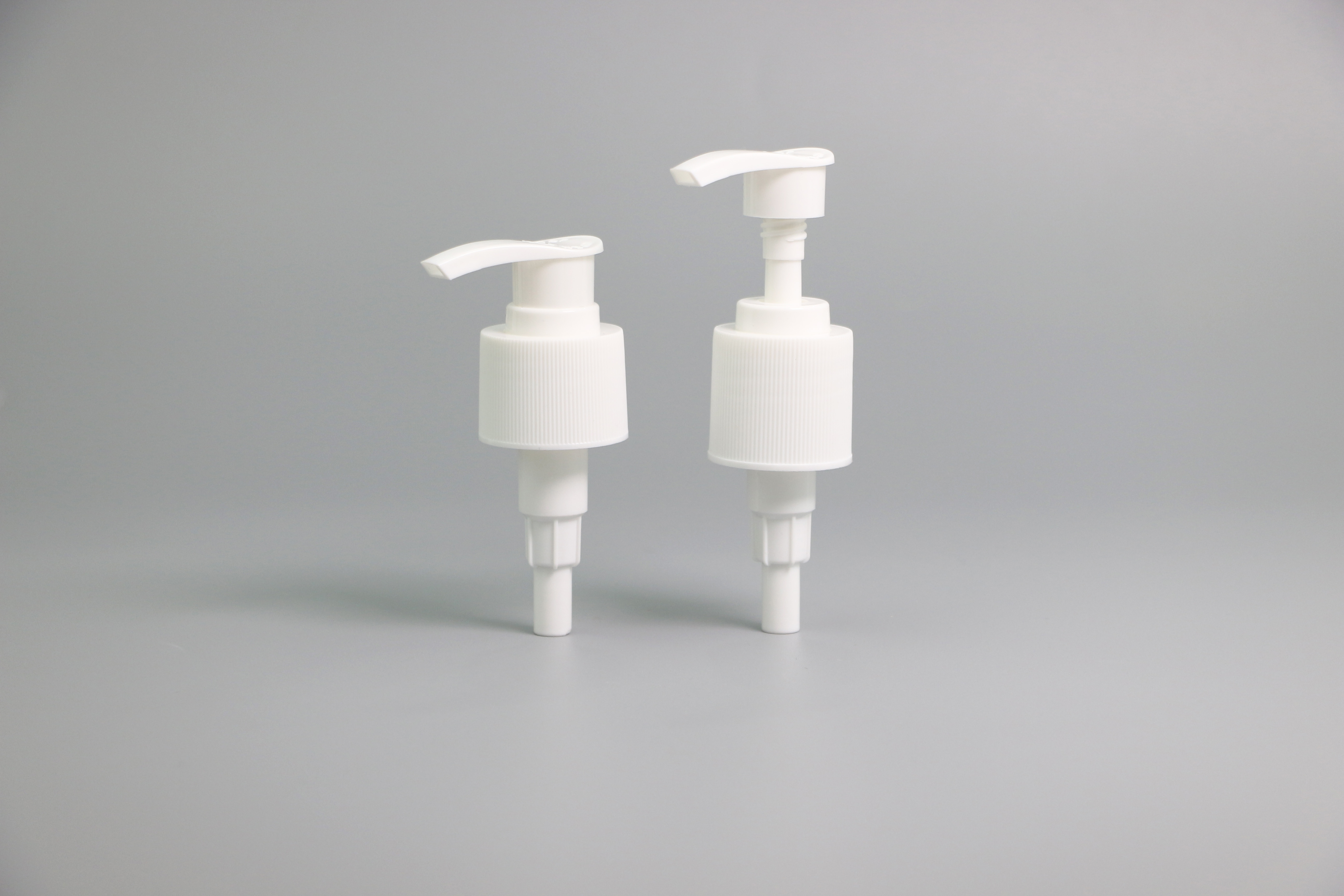
The integrity of cosmetic and personal care products depends heavily on packaging design, and the lotion pump remains one of the most critical components in preventing product loss during transit and storage. A well-engineered lotion pump with proper sealing structure protects not only the product inside but also maintains brand reputation and customer satisfaction. Understanding how the sealing mechanisms within a lotion pump work is essential for manufacturers, distributors, and retailers who need to ensure products arrive in perfect condition.
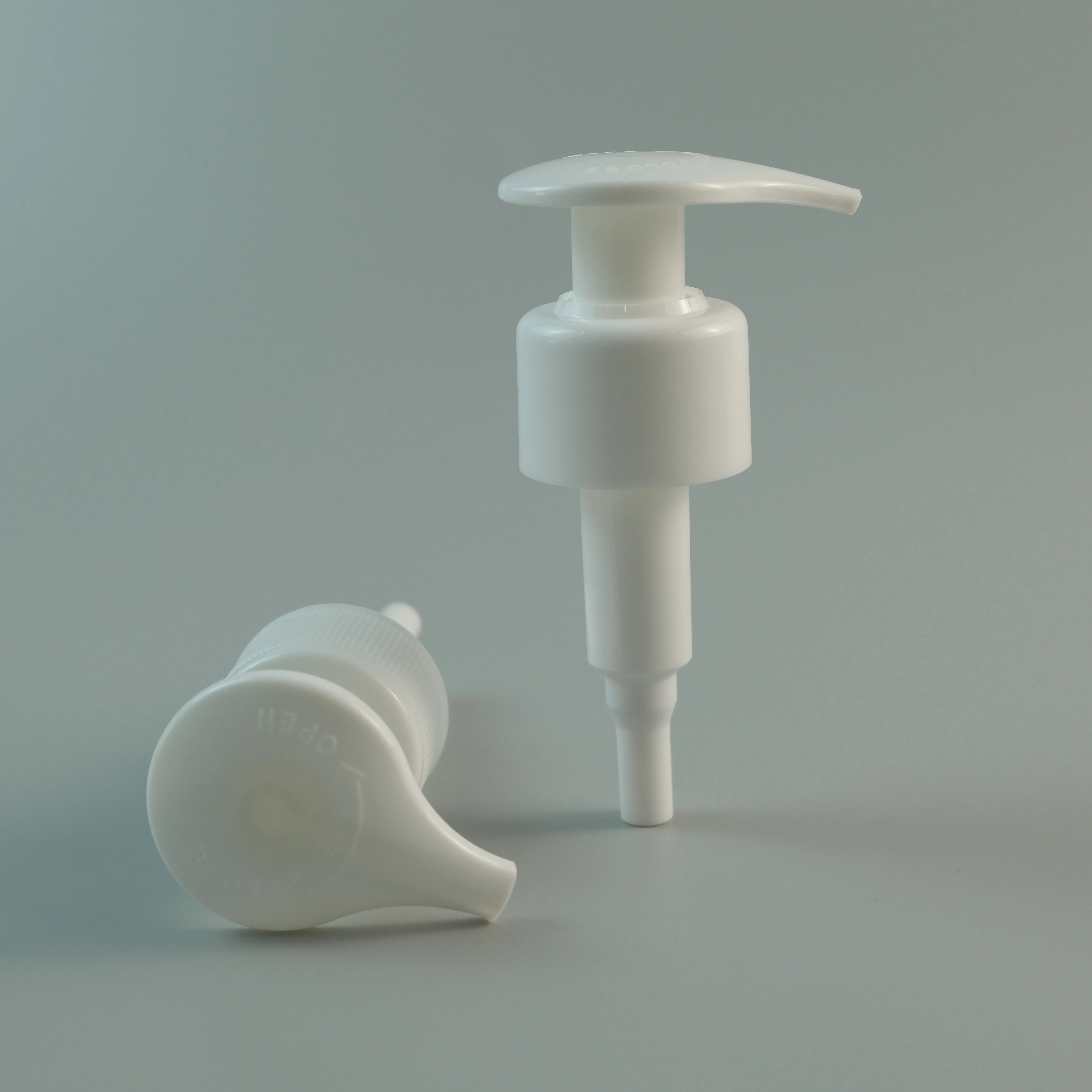
The lotion pump design has evolved significantly to address common distribution challenges such as leakage, evaporation, and contamination. Modern lotion pump systems incorporate multiple sealing layers that work together synergistically to create an airtight environment. These mechanisms prevent moisture loss, maintain product stability, and protect against external contaminants that could compromise product quality during the entire supply chain lifecycle.
Sealing Architecture of the Lotion Pump System
Primary Seal Components in a Lotion Pump
The lotion pump features several interconnected sealing zones that collectively prevent leakage. The primary seal exists at the pump head where the stem connects to the dip tube assembly. This critical juncture in the lotion pump design uses elastomer gaskets and precision-molded plastic components that create a friction fit preventing any liquid passage. The lotion pump also incorporates a secondary seal within the pump mechanism itself, where the plunger rod connects to the pump chamber.
Each lotion pump incorporates a discharge valve seal that prevents backflow and maintains product containment. The lotion pump's internal ball check valve ensures one-directional flow, while elastomer seals around this valve prevent liquid from escaping through the pump cavity. This redundant sealing approach within the lotion pump system means that even if one seal degrades slightly, backup mechanisms maintain product retention throughout transportation and extended storage periods.
Gasket Materials and Their Role in Lotion Pump Performance
The lotion pump relies on high-quality elastomer gaskets, typically made from nitrile rubber, silicone, or EPDM compounds that resist cosmetic formulations. These gaskets in the lotion pump compress under the bottle cap closure, creating an interference fit that prevents vapor and liquid escape. The material selection for a lotion pump's gasket is critical because incompatible elastomers can swell, shrink, or degrade when exposed to active ingredients in lotions, creams, and emulsions.
The lotion pump's gasket engineering must account for both static and dynamic conditions. During transportation, vibration and temperature fluctuations place stress on every seal within the lotion pump system. Quality gaskets in an effective lotion pump maintain their compression set properties even after extended periods, ensuring that the lotion pump continues preventing leakage from the moment it leaves the filling facility until the consumer opens the bottle.
Transportation and Storage Protection Mechanisms
Pressure Equalization in Lotion Pump Design
The lotion pump incorporates air vent pathways that prevent dangerous pressure buildup during transportation. These controlled vents in the lotion pump system allow internal air to escape slowly without allowing liquid to flow out. This pressure equalization feature within the lotion pump design prevents seal rupture that could occur if a sealed container experienced rapid altitude or temperature changes during air freight or long-distance trucking.
Without proper vent engineering in the lotion pump, products could leak due to expansion from heat or contraction from cold exposure. The lotion pump's intelligent vent structure maintains atmospheric equilibrium inside the bottle while the multiple seals prevent any product escape. This dual-action approach in the lotion pump system has proven highly effective across diverse climatic conditions and shipping routes.
Impact Resistance and Vibration Damping
The lotion pump's rigid plastic construction absorbs mechanical shock during transportation handling. When packages containing bottles with a lotion pump experience drops or impacts, the pump's structural integrity remains intact because the seal components are recessed within protective housing. The lotion pump design positions vulnerable seals away from direct contact points, ensuring that impact forces dissipate through the stronger plastic body rather than compromising seal effectiveness.
Vibration during trucking or shipping can gradually loosen connections in poorly designed systems, but the lotion pump's threaded fastening and compression-fit seals resist micro-movements that could cause leakage. The lotion pump system distributes mechanical stress across multiple contact surfaces rather than concentrating force at single points. This engineered approach to vibration resistance means that products packaged with a quality lotion pump remain sealed even after weeks of continuous shipping vibration.
Quality Assurance and Seal Testing for Lotion Pump Systems
Leak Detection Testing Standards for Lotion Pumps
Manufacturers test lotion pump systems using pressure decay methods that measure air leakage through seal interfaces. The lotion pump undergoes helium-based leak detection that can identify microscopic openings invisible to human inspection. These rigorous testing protocols ensure that every lotion pump leaving the factory meets zero-leakage specifications before reaching distribution centers.
The lotion pump is also tested under thermal cycling conditions where temperatures fluctuate between extreme ranges simulating real transportation scenarios. This lotion pump testing replicates seasonal storage variations and validates that seals maintain effectiveness across the entire temperature spectrum. Quality manufacturers test multiple seal points within each lotion pump assembly to ensure no redundancy failures could compromise product protection.
Accelerated Aging and Storage Compatibility Testing
The lotion pump must demonstrate seal stability when exposed to actual product formulations for extended periods. Testing the lotion pump against various cosmetic ingredients ensures that gasket materials won't degrade or swell excessively. This compatibility testing of the lotion pump validates that seals maintain compression set properties even after months of contact with active cosmetic components.
The lotion pump undergoes shelf-life validation studies that measure leakage rates before, during, and after simulated storage periods. These comprehensive lotion pump assessments provide manufacturers with confidence that products will reach consumers in their original sealed condition. Documentation of lotion pump performance across these rigorous testing phases also helps companies maintain regulatory compliance and meet industry standards for product safety and integrity.
FAQ
What specific seal materials are used in a typical lotion pump?
Most modern lotion pump systems use nitrile rubber, silicone, or EPDM elastomers for gaskets and sealing surfaces. The lotion pump manufacturer selects materials based on compatibility with the intended product formulation. Some premium lotion pump designs incorporate fluoro-silicone compounds for enhanced chemical resistance, while standard applications use cost-effective nitrile that performs well with most water-based and oil-based lotions.
How does temperature affect lotion pump seal performance during storage?
Temperature fluctuations cause the plastic body and elastomer seals in a lotion pump to expand and contract at different rates. The lotion pump engineering accounts for these differential expansion patterns through careful tolerance design. Cold temperatures can reduce elastomer flexibility slightly, while heat may reduce compression force, but a properly designed lotion pump maintains adequate seal pressure across typical storage temperature ranges from 50°F to 90°F that products experience in warehouses and retail environments.
Can a lotion pump seal be damaged by aggressive handling during shipping?
While a lotion pump is designed to withstand normal shipping impacts, extreme abuse could potentially compromise seals if the pump body itself becomes cracked or the cap becomes overtightened or loosened. However, the lotion pump's recessed seal design provides significant protection against accidental damage. Proper packaging with cushioning materials typically prevents the localized impacts that might affect a lotion pump's sealing integrity during standard freight handling operations.