Ergonomic Design and User Experience Optimization
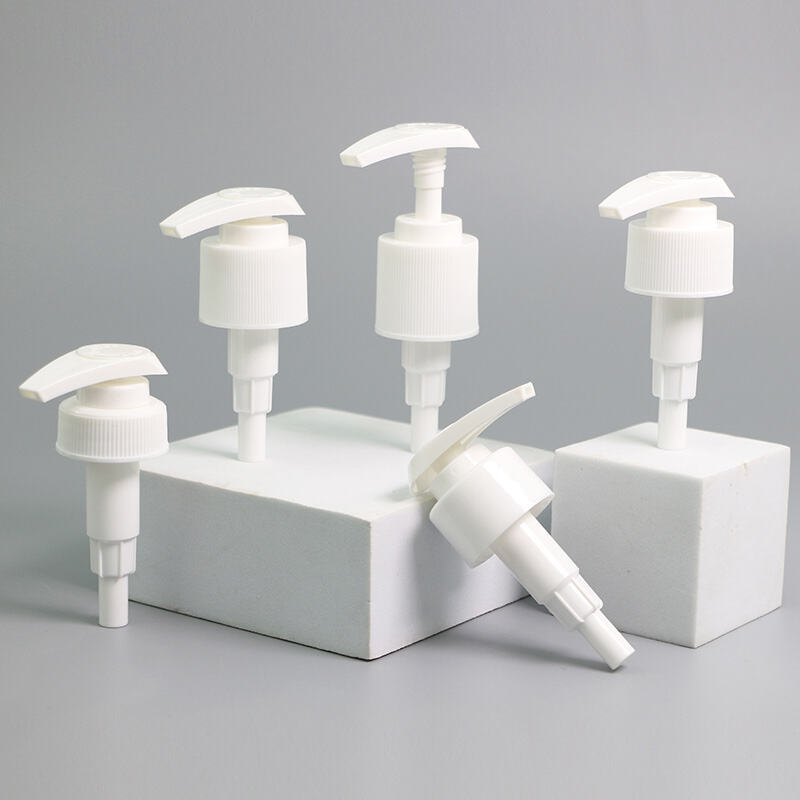
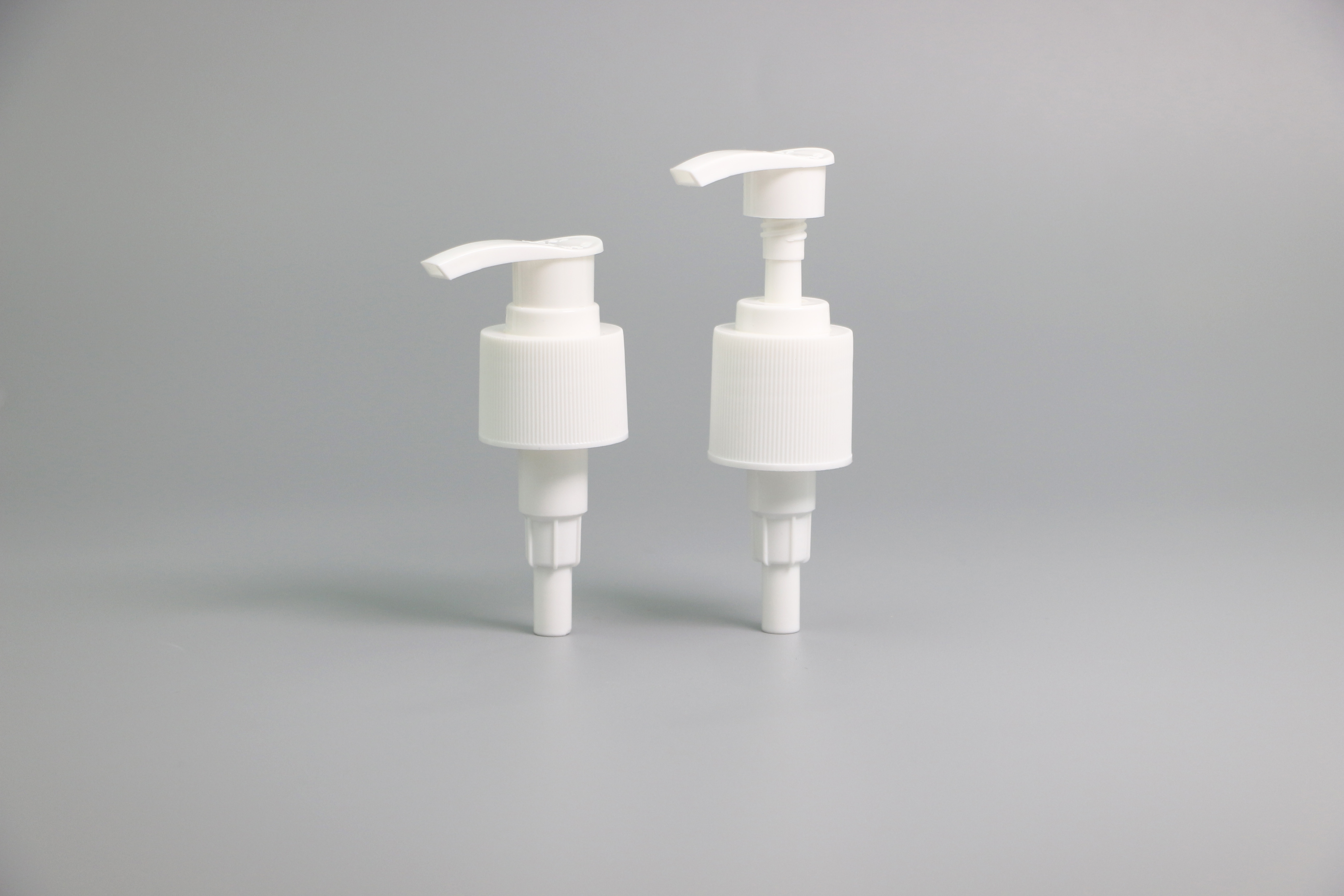
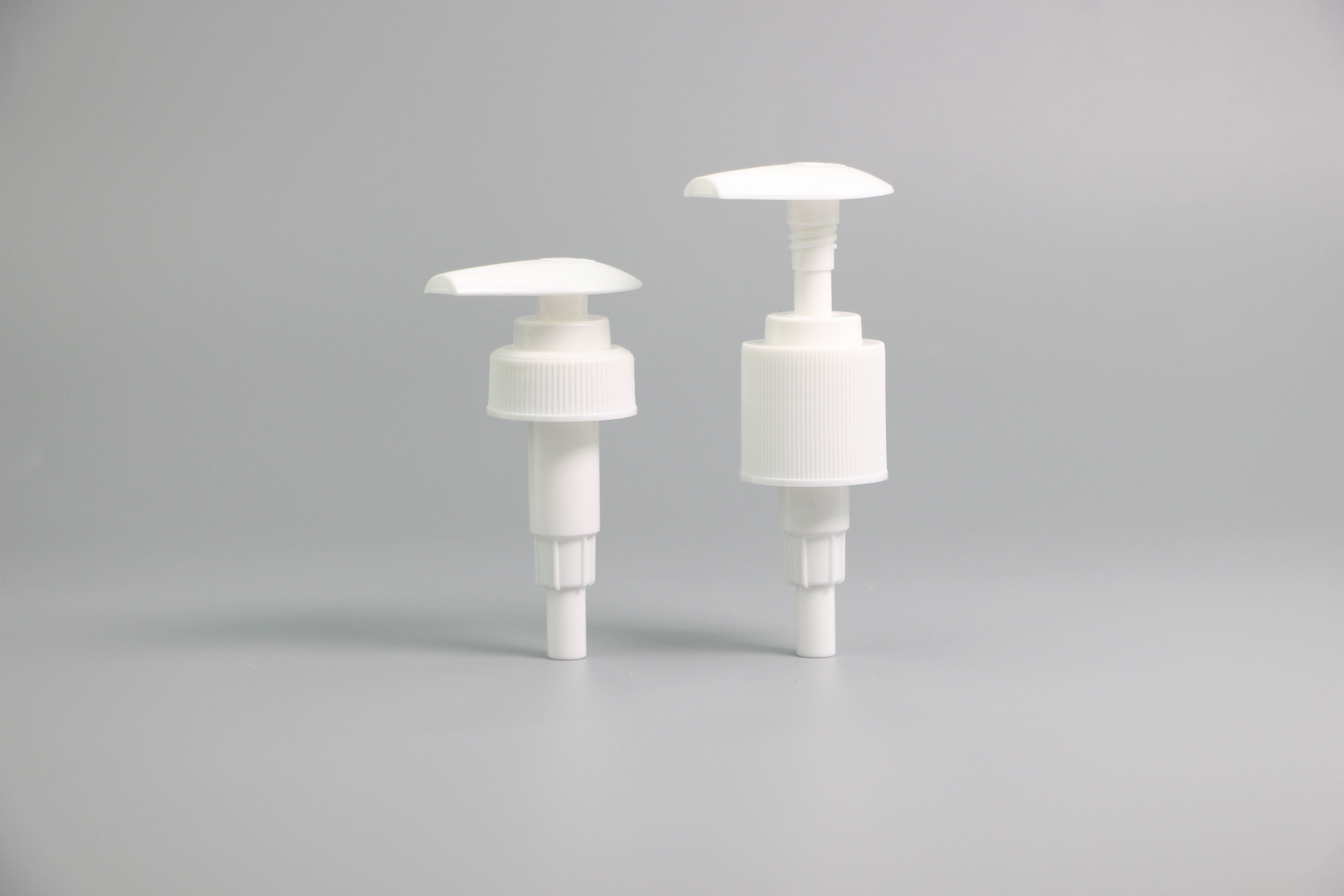
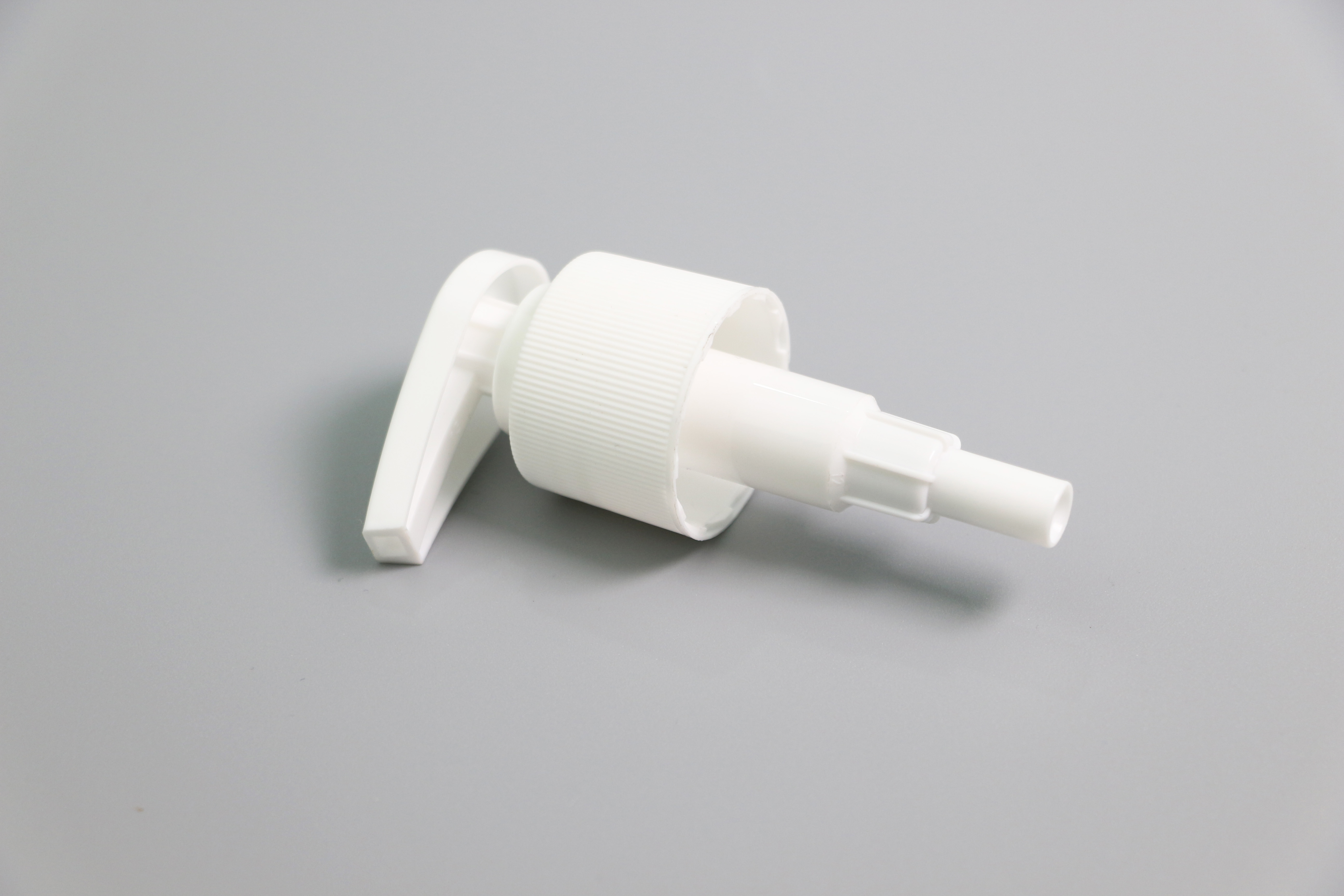
The ergonomic design and user experience optimization of plastic lotion pump systems reflect extensive research into human factors engineering and consumer behavior patterns. Design teams conduct detailed studies of hand anatomy and grip patterns to create actuator shapes that accommodate diverse user demographics, including children, elderly individuals, and those with mobility limitations. The optimization process considers factors such as required activation force, finger placement comfort, and visual feedback mechanisms that enhance usability across different lighting conditions and application scenarios. Advanced prototyping techniques enable iterative design improvements based on real-world user testing, ensuring the final plastic lotion pump design meets or exceeds accessibility standards while maintaining aesthetic appeal. The ergonomic considerations extend beyond basic functionality to include features such as non-slip surfaces, intuitive operation directions, and clear visual indicators of remaining product levels. User experience optimization incorporates feedback from diverse consumer groups, including professional aestheticians, healthcare workers, and everyday consumers who provide insights into practical usage scenarios. The design process evaluates operation in wet environments, such as showers or treatment rooms, ensuring reliable function even when hands are damp or slippery. Psychological factors influence the ergonomic design, with research showing that users associate certain actuator shapes and resistance levels with premium quality and reliability. The optimization extends to packaging integration, ensuring the plastic lotion pump complements container ergonomics for balanced handling and storage convenience. Advanced computer modeling simulates repetitive use patterns to identify potential fatigue points and optimize actuator geometry for sustained comfort during extended use sessions. The user experience optimization includes consideration of maintenance requirements, designing mechanisms that self-clean during normal operation to prevent buildup that could affect performance. Accessibility compliance ensures the plastic lotion pump design accommodates users with various physical capabilities, supporting inclusive product design principles. The research process includes cross-cultural studies that account for different usage preferences and hand size distributions across global markets, ensuring universal appeal and functionality. Quality validation includes extensive user testing protocols that measure satisfaction levels, ease of use ratings, and preference comparisons against competing dispensing systems to ensure market-leading user experience delivery.

 EN
EN