
 EN
EN



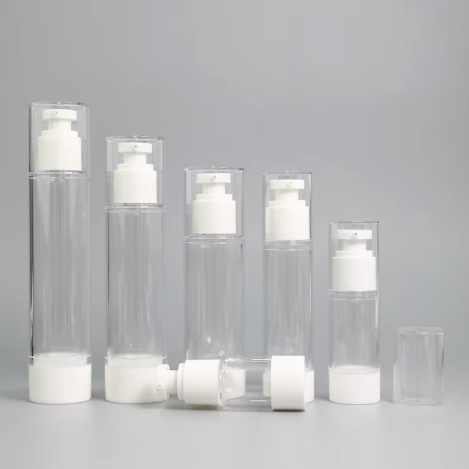
Selecting the perfect airless bottle for your cosmetic or skincare product requires careful consideration of multiple factors that directly impact product preservation, user experience, and brand image. The cosmetic packaging industry has evolved significantly, with airless bottle technology becoming increasingly sophisticated to meet the demanding requirements of premium beauty brands. Understanding the nuances of airless bottle selection can make the difference between a successful product launch and costly packaging failures that compromise product integrity.
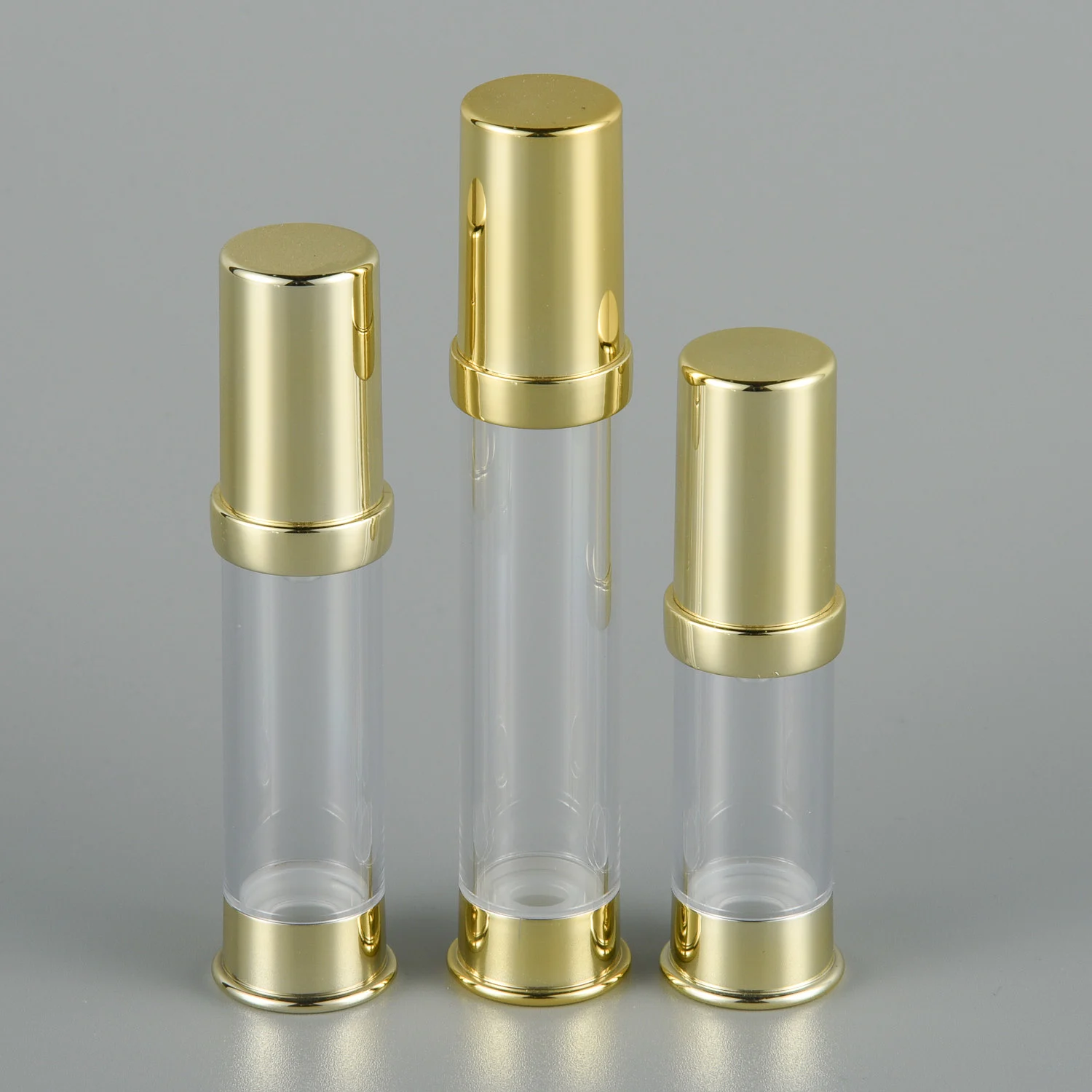
Modern airless bottle designs incorporate advanced vacuum technology that prevents air exposure, oxidation, and contamination throughout the product lifecycle. This packaging innovation has revolutionized how premium skincare formulations maintain their potency and efficacy from manufacturing to the final application. The decision-making process involves evaluating material compatibility, dispensing mechanisms, aesthetic appeal, and cost-effectiveness while ensuring regulatory compliance across different markets.
Understanding Airless Bottle Technology and Benefits
Vacuum Preservation Mechanisms
The fundamental principle behind airless bottle functionality relies on creating a vacuum-sealed environment that eliminates oxygen contact with sensitive formulations. When consumers press the pump mechanism, an internal piston moves upward, creating negative pressure that draws the product through the dispensing system without introducing external air. This sophisticated mechanism ensures that each application delivers fresh, uncontaminated product while maintaining the original formulation integrity throughout the container's lifespan.
Advanced airless bottle designs incorporate multiple sealing points and precision-engineered components that work together to create an impermeable barrier against environmental contaminants. The vacuum technology prevents bacterial growth, oxidation reactions, and chemical degradation that commonly occur in traditional packaging systems. This preservation capability is particularly crucial for natural and organic formulations that lack synthetic preservatives and depend entirely on packaging protection for stability.
Product Protection and Shelf Life Extension
Implementing airless bottle packaging can significantly extend product shelf life by preventing the chemical reactions that occur when active ingredients come into contact with oxygen and moisture. Vitamin C serums, retinol treatments, and peptide formulations benefit tremendously from airless packaging because these ingredients are notoriously unstable when exposed to air and light. The protected environment maintains ingredient potency and prevents the color changes, texture alterations, and efficacy loss associated with oxidation.
Research indicates that products stored in quality airless bottle systems retain up to 95% of their original potency compared to traditional packaging methods that may experience 30-50% degradation over similar timeframes. This preservation advantage translates directly into improved customer satisfaction, reduced product returns, and enhanced brand reputation for delivering consistent results throughout the product's intended usage period.
Material Selection and Compatibility Considerations
Plastic Versus Glass Options
The choice between plastic and glass airless bottle materials depends on product characteristics, target market positioning, and shipping requirements. High-quality plastic airless bottle options, such as those made from PP, PE, or PETG materials, offer excellent chemical resistance, lightweight shipping advantages, and virtually unbreakable durability for travel and everyday use. These materials provide superior barrier properties against moisture and oxygen penetration while offering design flexibility for unique shapes and color combinations.
Glass airless bottle alternatives provide premium aesthetic appeal and complete chemical inertness that appeals to luxury market segments. Glass materials offer superior barrier properties and zero risk of chemical migration, making them ideal for highly concentrated active ingredients or pH-sensitive formulations. However, glass packaging requires additional protective shipping materials and presents breakage risks that may limit distribution channels and increase handling costs.
Chemical Compatibility Testing
Comprehensive compatibility testing between your specific formulation and airless bottle materials is essential to prevent chemical interactions that could compromise product safety or packaging integrity. Different formulation pH levels, solvent concentrations, and active ingredient types can react differently with various packaging materials over extended storage periods. Professional testing protocols should evaluate material degradation, chemical migration, and physical property changes under accelerated aging conditions.
The testing process typically involves storing formulation samples in candidate airless bottle materials under elevated temperature and humidity conditions for predetermined periods. Regular analysis monitors color stability, viscosity changes, active ingredient concentrations, and packaging material integrity to identify any compatibility issues before full-scale production. This investment in compatibility testing prevents costly product recalls and ensures consistent product performance throughout the intended shelf life.
Capacity and Sizing Optimization
Volume Selection Based on Usage Patterns
Determining the optimal airless bottle capacity requires analyzing typical consumer usage patterns, product concentration levels, and intended treatment duration. Skincare serums and concentrated treatments often perform best in smaller 15ml to 30ml airless bottle formats that encourage complete usage within recommended timeframes while maintaining product freshness. Larger capacity options ranging from 50ml to 100ml work well for daily-use moisturizers and treatments with longer recommended usage periods.
Market research indicates that consumers prefer airless bottle sizes that align with product replacement cycles and storage convenience. Travel-friendly mini formats under 15ml appeal to frequent travelers and first-time product trials, while standard 30ml sizes provide optimal value perception for premium treatments. Understanding your target demographic's lifestyle patterns helps determine the most commercially viable airless bottle capacity for maximum market penetration.
Dispensing Volume Control
Precise dispensing control is crucial for products with specific application requirements or high-value active ingredients where overuse could cause skin sensitivity or represent significant cost per application. Quality airless bottle systems offer adjustable dispensing mechanisms that deliver consistent volumes ranging from 0.1ml to 0.5ml per pump activation, depending on the specific pump design and internal configuration.
Customizable dispensing volumes help brands optimize product value delivery while ensuring consumers receive appropriate application amounts for effective results. This control mechanism reduces product waste, improves cost-per-use calculations, and enhances user experience by eliminating guesswork in product application. Advanced pump mechanisms can be calibrated during manufacturing to deliver specific volumes that align with recommended usage instructions and treatment protocols.
Design Aesthetics and Brand Alignment
Visual Impact and Market Positioning
The aesthetic design of your airless bottle directly influences consumer perception, purchase decisions, and brand positioning within competitive market segments. Premium airless bottle designs incorporate sophisticated color schemes, unique geometric shapes, and high-quality finishing techniques that communicate product value and brand sophistication. The visual presentation must align with your target demographic's expectations and preferences while differentiating your products from competitors using similar packaging formats.
Contemporary airless bottle designs offer extensive customization opportunities including gradient color effects, metallic finishes, soft-touch coatings, and embossed branding elements. These design features create tactile experiences that enhance perceived value and encourage repeat purchases through positive sensory associations. The packaging aesthetics should complement your overall brand identity while appealing to the specific preferences of your target market segments.
Customization and Branding Opportunities
Modern manufacturing capabilities enable extensive airless bottle customization that supports unique brand differentiation and recognition in crowded marketplace environments. Options include custom color matching, specialty coatings, unique cap designs, and integrated branding elements that create distinctive product presentations. Silk-screen printing, hot stamping, and label application technologies provide multiple approaches for incorporating brand graphics, product information, and regulatory text while maintaining aesthetic appeal.
The customization process should balance visual impact with practical considerations including printing durability, cost implications, and minimum order quantities. Working with experienced packaging suppliers helps navigate the various customization options while ensuring that design elements remain functional and cost-effective for your production volumes. Strategic customization investments can significantly enhance brand recognition and premium positioning while supporting long-term market growth objectives.
Quality Standards and Regulatory Compliance
Manufacturing Quality Control
Establishing rigorous quality control standards for airless bottle procurement ensures consistent performance, safety, and regulatory compliance across all production batches. Quality parameters should include dimensional accuracy, material specifications, vacuum seal integrity, dispensing consistency, and cosmetic appearance standards. Regular inspection protocols help identify potential quality issues before they impact product distribution or customer satisfaction levels.
Professional quality control programs incorporate incoming inspection procedures, statistical sampling methods, and performance testing protocols that verify airless bottle specifications meet established requirements. Documentation systems track quality metrics, supplier performance, and corrective actions to maintain continuous improvement and prevent recurring quality issues. These systematic approaches protect brand reputation while ensuring reliable product delivery and customer satisfaction.
Regulatory Requirements and Certifications
Different global markets impose specific regulatory requirements for cosmetic packaging materials, including safety certifications, material composition disclosure, and environmental compliance standards. FDA regulations in the United States, EU cosmetics regulations in Europe, and various national standards require specific documentation and testing protocols for packaging materials that contact cosmetic formulations. Understanding these requirements early in the selection process prevents costly delays and ensures market access.
Obtaining appropriate certifications such as ISO standards, FDA compliance documentation, and environmental safety certifications demonstrates commitment to product safety and regulatory compliance. These certifications often require ongoing monitoring and periodic re-certification to maintain validity, adding operational considerations to the airless bottle selection decision. Working with certified suppliers who maintain current regulatory compliance reduces administrative burden while ensuring market access requirements are met.
Cost Analysis and Value Optimization
Total Cost of Ownership Evaluation
Comprehensive cost analysis for airless bottle selection must consider initial packaging costs, shipping expenses, inventory carrying costs, and potential quality-related expenses throughout the product lifecycle. While premium airless bottle options may command higher initial purchase prices, their superior preservation capabilities can reduce formulation costs, extend shelf life, and decrease product waste rates that ultimately improve overall profitability and customer satisfaction.
The evaluation process should include quantitative analysis of packaging costs per unit, volume discounts for larger orders, shipping weight implications, and storage efficiency factors. Additionally, qualitative benefits such as brand image enhancement, customer satisfaction improvements, and competitive differentiation contribute value that may justify premium packaging investments. Long-term cost projections help identify the optimal balance between packaging investment and overall business objectives.
Supplier Relationship Management
Developing strong relationships with reliable airless bottle suppliers provides access to technical expertise, quality consistency, and favorable pricing terms that support long-term business growth. Supplier evaluation criteria should include manufacturing capabilities, quality control systems, delivery reliability, technical support availability, and financial stability. Multiple supplier relationships provide supply chain redundancy while enabling competitive pricing through strategic sourcing approaches.
Effective supplier partnerships include regular communication, joint quality improvement initiatives, and collaborative development projects that enhance packaging performance and reduce costs over time. These relationships often provide access to new technologies, market intelligence, and customization capabilities that support product innovation and competitive advantages. Investment in supplier relationship management generates long-term value through improved service levels and preferential treatment during supply constraints.
FAQ
What factors determine airless bottle shelf life and performance?
Airless bottle performance depends on material quality, seal integrity, pump mechanism precision, and compatibility with specific formulations. High-quality materials and manufacturing processes ensure extended performance life, while regular quality testing verifies consistent operation throughout the intended usage period. Environmental storage conditions and formulation chemistry also influence overall performance and product preservation effectiveness.
How do different pump mechanisms affect dispensing consistency?
Pump mechanism design directly impacts dispensing accuracy, with precision-engineered components providing more consistent volume delivery per activation. Spring-loaded systems offer reliable performance but may require more force, while pneumatic mechanisms provide smoother operation with lighter activation pressure. The choice depends on target user demographics, product viscosity, and desired user experience characteristics.
What testing protocols ensure airless bottle quality and safety?
Comprehensive testing includes compatibility studies, accelerated aging tests, dispensing consistency verification, and safety assessments for material migration and chemical interaction. Professional testing laboratories conduct these evaluations under controlled conditions that simulate real-world usage patterns and environmental exposure. Regular testing throughout production ensures ongoing quality consistency and regulatory compliance.
How can brands optimize airless bottle costs while maintaining quality?
Cost optimization strategies include volume purchasing agreements, standardized designs across product lines, and strategic supplier partnerships that provide preferential pricing. Balancing quality requirements with cost constraints requires careful evaluation of essential features versus luxury elements, while maintaining standards that protect product integrity and brand reputation. Long-term supplier relationships often provide the best combination of quality consistency and competitive pricing.