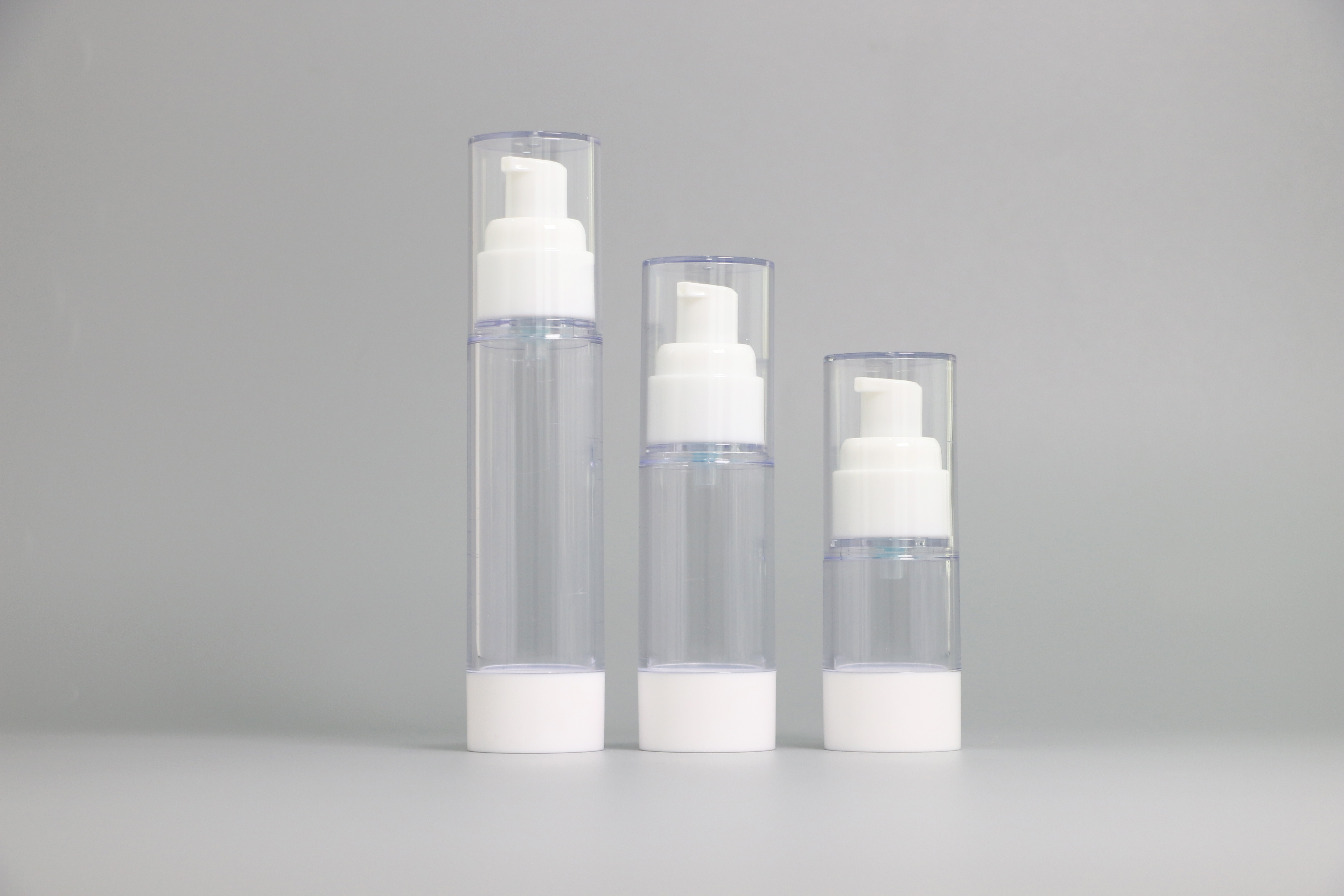
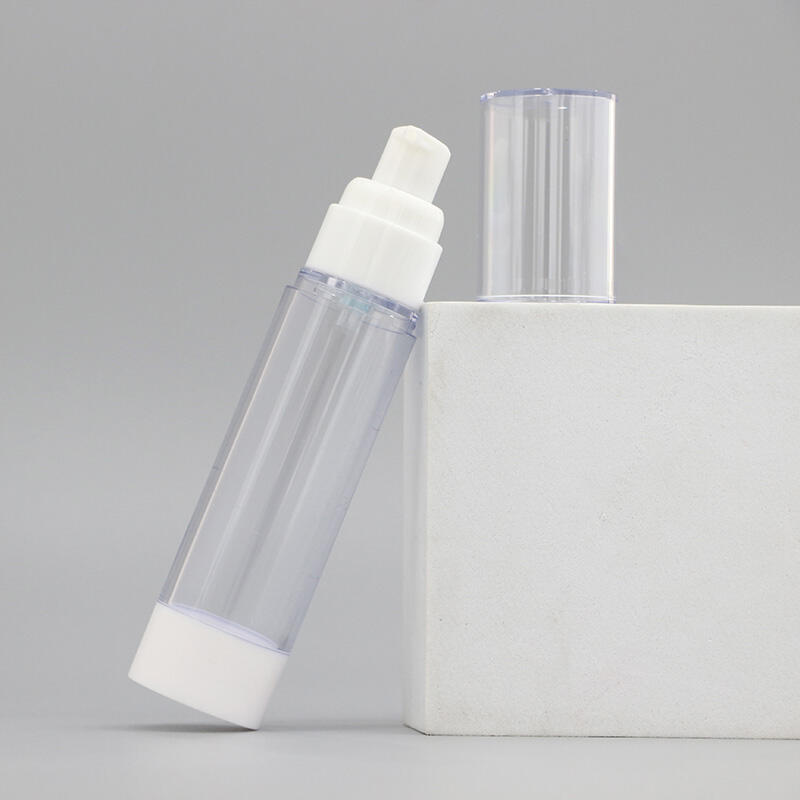
airless bottle packaging
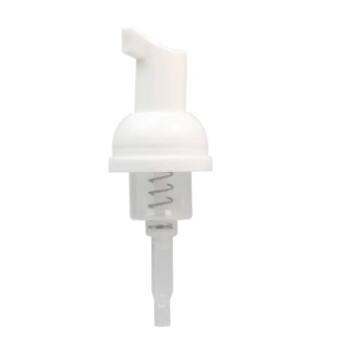
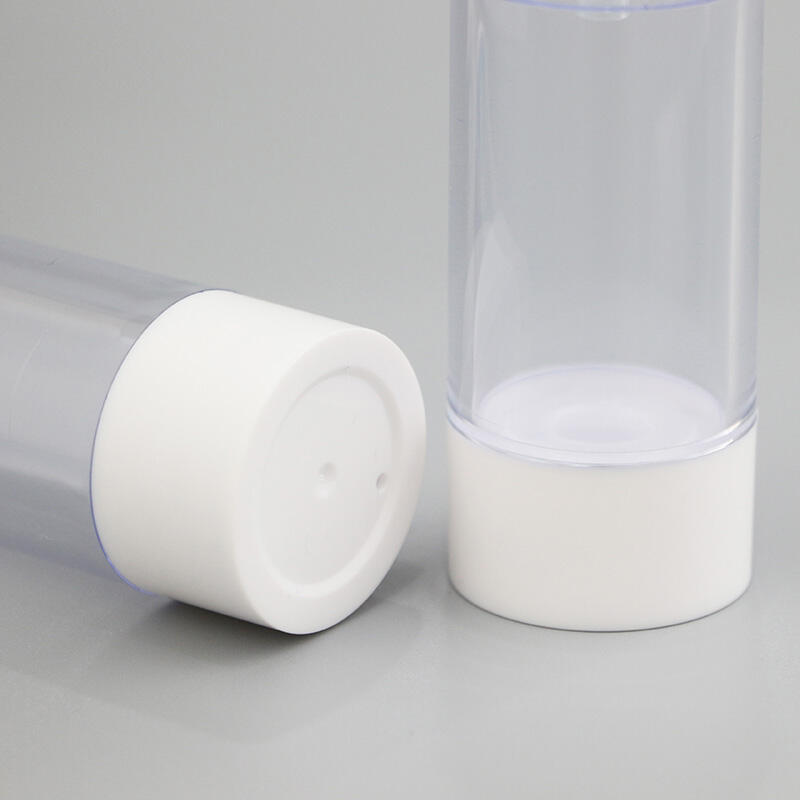
Airless bottle packaging represents a revolutionary advancement in cosmetic and pharmaceutical container technology, designed to preserve product integrity while maximizing dispensing efficiency. This innovative packaging solution eliminates air exposure through its sophisticated vacuum-based dispensing mechanism, creating an airtight environment that protects sensitive formulations from oxidation, contamination, and degradation. The airless bottle packaging system operates through a unique piston mechanism that moves upward as products are dispensed, maintaining a hermetic seal throughout the product's lifecycle. Unlike traditional pump bottles that introduce air with each use, this advanced packaging technology ensures that contents remain sterile and potent from first use to complete depletion. The core technological framework of airless bottle packaging consists of multiple components working in perfect synchronization. The outer container houses an inner flexible pouch or rigid chamber that contracts as product is dispensed, while a bottom-mounted piston creates the necessary vacuum pressure. This engineering marvel allows for precise dosage control and prevents product waste, as virtually 100 percent of contents can be extracted without air infiltration. Modern airless bottle packaging finds extensive applications across diverse industries, particularly in premium skincare, anti-aging serums, pharmaceuticals, and organic cosmetics where ingredient stability is paramount. The technology proves especially valuable for products containing active ingredients like vitamin C, retinol, peptides, and botanical extracts that deteriorate rapidly when exposed to oxygen. Manufacturing processes for airless bottle packaging involve precision molding techniques using high-grade plastics such as PP, PE, and specialized barrier materials that enhance product protection. The dispensing mechanism can be customized with various actuator types, from traditional pumps to innovative twist-lock systems, accommodating different viscosity levels and consumer preferences. Quality control measures ensure consistent performance across production batches, while sustainability initiatives increasingly incorporate recyclable materials into airless bottle packaging designs, addressing environmental concerns without compromising functionality.

 EN
EN