
 EN
EN



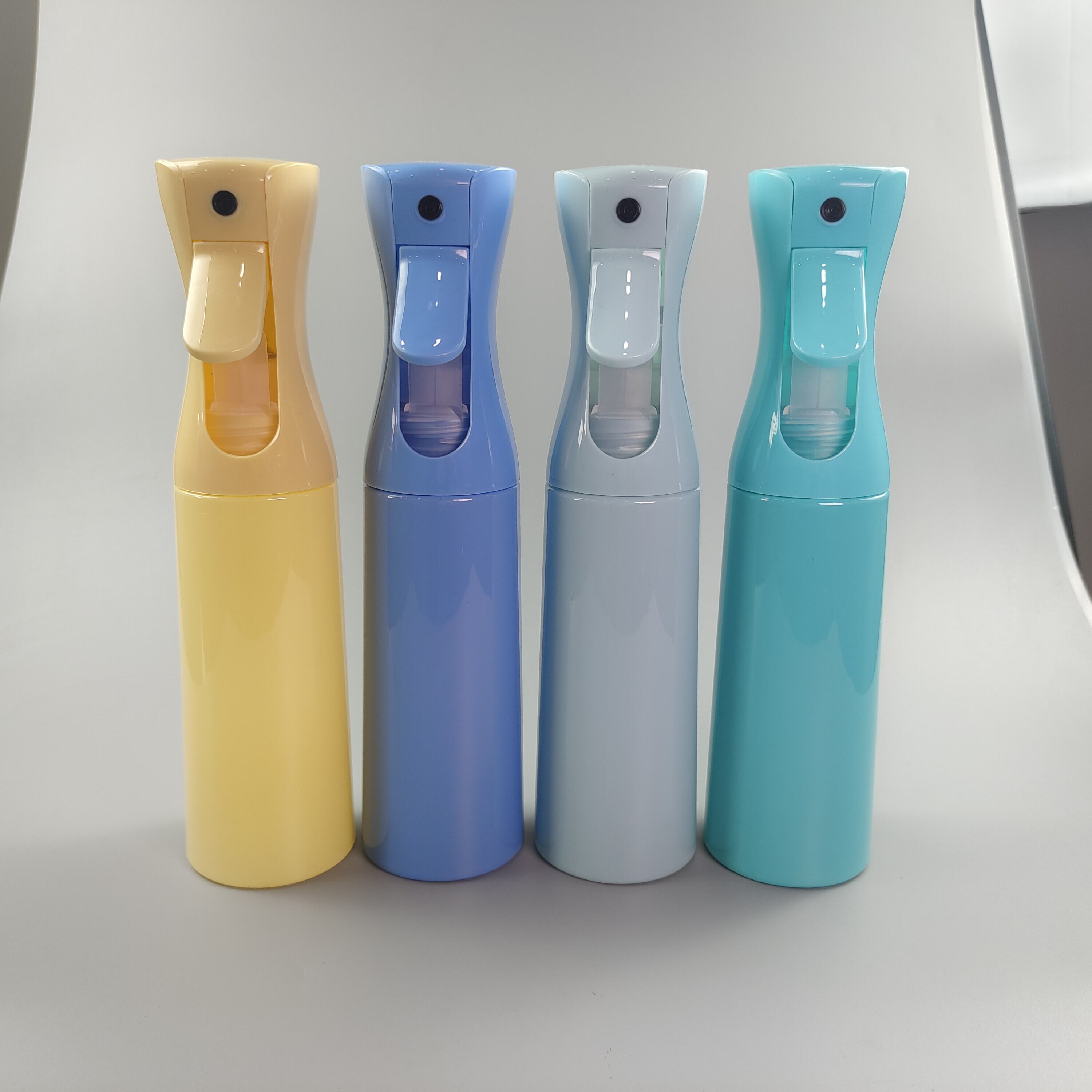
The selection of appropriate polymer materials for plastic bottles represents one of the most critical decisions facing brand owners and packaging engineers today. Understanding the fundamental properties, performance characteristics, and application requirements of different plastic polymers ensures optimal product protection, consumer safety, and brand integrity. Modern manufacturing capabilities have expanded the range of available polymer materials for plastic bottles, each offering distinct advantages for specific applications, from food and beverage containers to industrial chemical storage solutions.
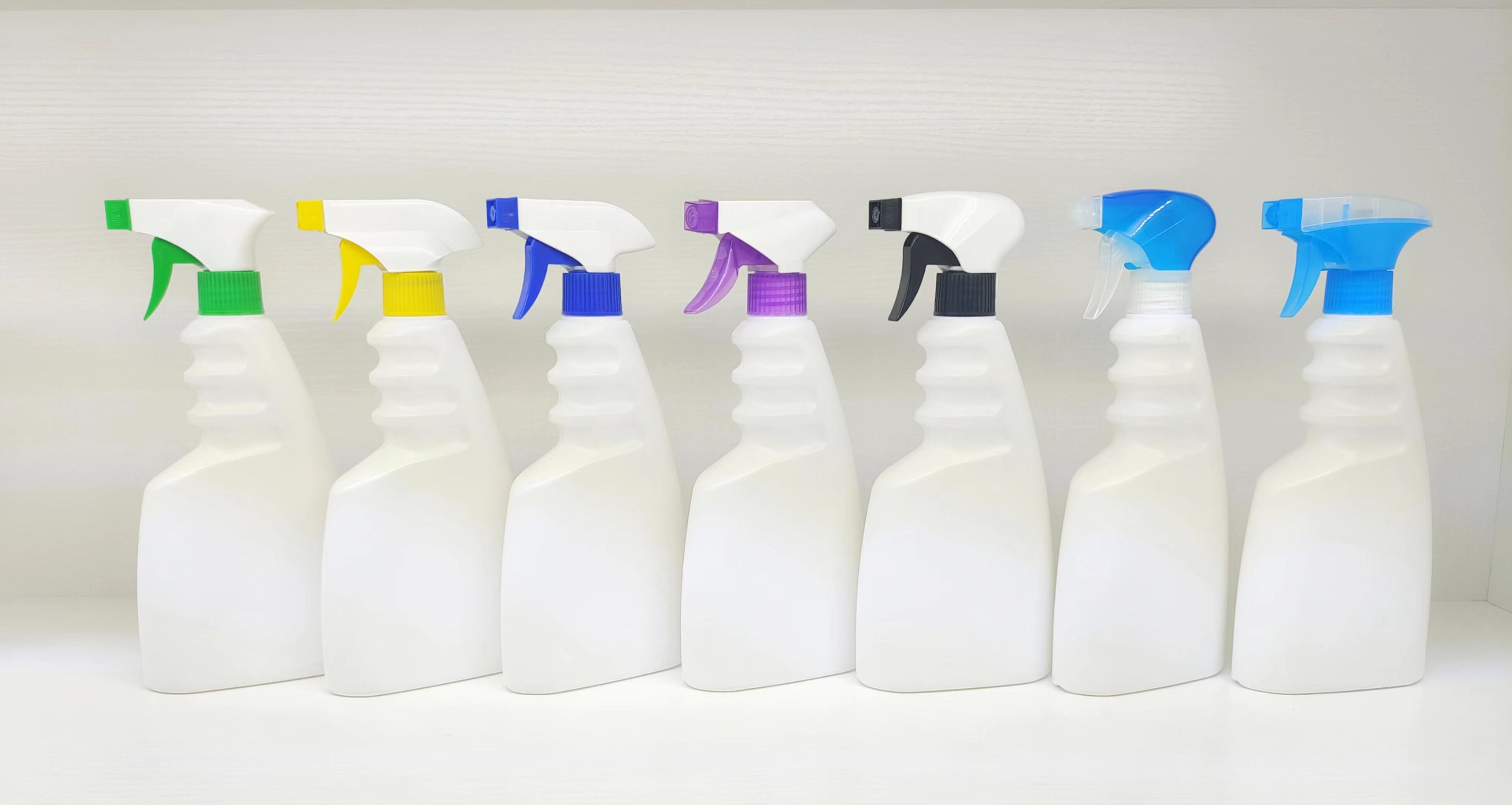
Understanding Polymer Fundamentals in Bottle Manufacturing
Chemical Structure and Molecular Properties
The molecular structure of polymer materials fundamentally determines their suitability for bottle applications. Thermoplastic polymers used in bottle production consist of long-chain molecules that can be repeatedly heated and reshaped without chemical degradation. The degree of crystallinity, molecular weight distribution, and branching patterns directly influence mechanical properties such as tensile strength, impact resistance, and flexibility. These structural characteristics also affect barrier properties, which determine how effectively the material prevents gas transmission, moisture absorption, and chemical migration.
Advanced polymer science has enabled the development of specialized grades tailored for specific bottle applications. Manufacturers can now control molecular architecture through sophisticated polymerization techniques, creating materials with enhanced clarity, improved barrier performance, and superior mechanical properties. The selection process requires careful consideration of how molecular-level characteristics translate into real-world performance under various storage conditions, temperature ranges, and mechanical stresses encountered during transportation and handling.
Processing Characteristics and Manufacturing Compatibility
Manufacturing efficiency and product consistency depend heavily on the processing characteristics of selected polymer materials for plastic bottles. Each polymer type exhibits specific melt flow properties, thermal stability ranges, and cooling behaviors that must align with available production equipment and desired output rates. Injection molding, blow molding, and stretch blow molding processes each impose different requirements on material viscosity, crystallization kinetics, and thermal properties.
Modern bottle production facilities require polymers that maintain consistent performance across extended manufacturing runs while minimizing defects such as stress cracking, dimensional variations, and surface imperfections. The compatibility between polymer materials and processing aids, colorants, and functional additives must be thoroughly evaluated to ensure stable production and consistent product quality. Understanding these processing relationships enables manufacturers to optimize cycle times, reduce waste, and maintain tight dimensional tolerances.
Polyethylene Terephthalate Applications and Performance
Barrier Properties and Food Safety Considerations
Polyethylene terephthalate represents the most widely used polymer for beverage bottles due to its exceptional combination of clarity, strength, and barrier properties. The crystalline structure of PET provides excellent resistance to carbon dioxide transmission, making it ideal for carbonated beverages where maintaining carbonation levels is critical. Additionally, PET demonstrates superior resistance to flavor scalping and odor transmission, preserving product integrity throughout extended shelf life periods.
Food contact regulations and safety standards heavily influence PET selection for beverage applications. The polymer's inherent resistance to chemical migration and its approval by regulatory agencies worldwide make it a preferred choice for direct food contact applications. Modern PET grades incorporate enhanced barrier technologies, including multilayer constructions and barrier additives, to extend shelf life and maintain product freshness for sensitive formulations such as fruit juices and dairy products.
Mechanical Performance and Design Flexibility
The mechanical properties of PET enable the production of lightweight bottles with excellent structural integrity under various loading conditions. Its high tensile strength and impact resistance allow for thin-wall designs that reduce material usage while maintaining adequate performance under normal handling stresses. The transparency and optical clarity of PET provide excellent product visibility, supporting brand presentation and consumer appeal.
Design flexibility represents another significant advantage of PET in bottle applications. The material readily accepts various surface treatments, labeling systems, and closure designs while maintaining structural performance. Advanced PET formulations incorporate recycled content without compromising performance, supporting sustainability initiatives while meeting demanding application requirements. The ability to create complex bottle geometries through stretch blow molding processes enables innovative packaging designs that differentiate products in competitive markets.
High-Density Polyethylene Characteristics and Applications
Chemical Resistance and Durability Factors
High-density polyethylene offers exceptional chemical resistance properties that make it suitable for packaging aggressive chemicals, cleaning products, and industrial formulations. The polymer's semicrystalline structure provides resistance to a broad range of acids, bases, and organic solvents while maintaining structural integrity under stress conditions. This chemical inertness prevents container degradation and ensures product stability throughout storage and transportation cycles.
The durability characteristics of HDPE include excellent stress crack resistance, which prevents failure under sustained loading conditions common in industrial packaging applications. Environmental stress crack resistance testing demonstrates HDPE's ability to withstand exposure to surface-active agents and mechanical stresses simultaneously. These properties make HDPE an ideal choice for containers that must maintain integrity under challenging storage conditions or when filled with chemically active products.
Temperature performance represents another critical advantage of HDPE in demanding applications. The polymer maintains flexibility and impact resistance across wide temperature ranges, from refrigerated storage to elevated temperatures encountered during transportation and storage. This thermal stability ensures consistent performance regardless of environmental conditions, making HDPE suitable for global distribution networks with varying climate exposures.
Processing Advantages and Cost Effectiveness
Manufacturing efficiency and economic considerations often favor HDPE selection for high-volume bottle production. The polymer's excellent flow properties enable rapid cycle times in blow molding operations while maintaining consistent wall thickness distribution and dimensional accuracy. These processing characteristics translate directly into reduced manufacturing costs and improved productivity for large-scale production runs.
The cost structure of HDPE provides significant economic advantages for applications where premium barrier properties are not required. Raw material costs, processing efficiency, and recycling considerations combine to create favorable total cost of ownership for many packaging applications. The availability of recycled HDPE grades further enhances economic attractiveness while supporting environmental sustainability objectives without compromising performance requirements.
Specialized Polymer Solutions for Demanding Applications
Multi-Layer Technology and Barrier Enhancement
Advanced packaging requirements often necessitate specialized polymer materials for plastic bottles that incorporate multiple layers or barrier additives to achieve specific performance targets. Multilayer constructions combine different polymer types to optimize individual layer properties while achieving overall performance objectives. These systems might include barrier layers for gas transmission control, structural layers for mechanical performance, and surface layers for chemical resistance or aesthetic properties.
Barrier enhancement technologies include the incorporation of nanocomposite materials, such as clay nanoparticles or graphene derivatives, which significantly improve gas barrier properties at relatively low addition levels. These advanced materials enable the production of lightweight bottles with barrier performance approaching that of glass containers. The integration of active barrier systems, including oxygen scavengers and moisture absorbers, provides additional protection for sensitive products requiring extended shelf life.
Sustainable Material Options and Circular Economy Integration
Environmental considerations increasingly influence polymer selection decisions as brand owners seek to reduce packaging environmental impact while maintaining performance standards. Bio-based polymers derived from renewable feedstocks offer reduced carbon footprint alternatives to traditional petroleum-based materials. These materials, including bio-PET and plant-based polyethylene, provide similar performance characteristics while supporting sustainability objectives.
Circular economy principles drive the development of polymer materials designed specifically for recycling efficiency and quality retention through multiple use cycles. Chemical recycling technologies enable the production of high-quality recycled polymers suitable for food contact applications, expanding the range of sustainable options available to brand owners. The integration of design for recycling principles ensures that selected materials support end-of-life recovery and reprocessing into new packaging applications.
Selection Criteria and Performance Optimization
Application-Specific Requirements Assessment
Systematic evaluation of application requirements forms the foundation for optimal polymer selection in bottle manufacturing. Product characteristics, including pH levels, chemical compatibility, required shelf life, and storage conditions, directly influence material performance requirements. Physical properties such as clarity, color stability, and surface finish must align with brand presentation objectives while meeting functional performance standards.
Distribution and handling requirements impose additional constraints on material selection decisions. Bottles must withstand stacking loads during storage, impact forces during handling, and temperature variations during transportation without compromising structural integrity or appearance. The evaluation process must consider worst-case scenarios and safety factors to ensure reliable performance throughout the product lifecycle.
Regulatory Compliance and Quality Assurance
Regulatory requirements vary significantly across different markets and applications, necessitating careful consideration of compliance standards during material selection. Food contact regulations, chemical compatibility standards, and environmental regulations all influence acceptable polymer options. The documentation and testing requirements for regulatory approval must be integrated into the selection process to avoid costly delays or compliance issues.
Quality assurance protocols ensure that selected polymer materials consistently meet performance specifications throughout commercial production. Statistical process control methods, incoming material inspection procedures, and finished product testing programs verify that materials maintain required properties and performance characteristics. These systems provide early detection of quality variations and enable rapid corrective actions to maintain product integrity.
FAQ
What factors determine the barrier properties of polymer materials used in plastic bottles
Barrier properties depend on molecular structure, crystallinity levels, and polymer density. Highly crystalline polymers with dense molecular packing provide superior barrier performance by creating tortuous pathways that slow gas and moisture transmission. The chemical structure of the polymer backbone and side chains influences interaction with permeating molecules, while processing conditions affect final barrier performance through their impact on morphology and orientation.
How do processing conditions affect the performance of polymer materials in bottle manufacturing
Processing temperature, cooling rates, and stretching conditions during manufacturing significantly influence final bottle properties. Proper temperature control ensures optimal molecular orientation and crystallization, which directly impact mechanical strength and barrier performance. Cooling rate management prevents internal stresses that could lead to premature failure, while controlled stretching enhances molecular alignment and improves impact resistance.
What role does recycled content play in modern polymer material selection for bottles
Recycled content integration supports sustainability objectives while potentially affecting material properties and processing characteristics. Advanced recycling technologies now enable the production of food-grade recycled polymers that meet stringent purity and performance standards. The incorporation of recycled content requires careful evaluation of property retention, processing compatibility, and regulatory compliance to ensure consistent performance throughout production runs.
How do environmental conditions during storage and transportation impact polymer material performance
Temperature variations, humidity levels, and UV exposure can significantly affect polymer performance during storage and distribution. Thermal cycling may cause dimensional changes and affect barrier properties, while high humidity can influence moisture-sensitive polymers. UV exposure can lead to photodegradation and color changes, particularly in clear bottles. Material selection must account for expected environmental exposures and include appropriate stabilization systems to maintain performance throughout the distribution chain.
Table of Contents
- Understanding Polymer Fundamentals in Bottle Manufacturing
- Polyethylene Terephthalate Applications and Performance
- High-Density Polyethylene Characteristics and Applications
- Specialized Polymer Solutions for Demanding Applications
- Selection Criteria and Performance Optimization
-
FAQ
- What factors determine the barrier properties of polymer materials used in plastic bottles
- How do processing conditions affect the performance of polymer materials in bottle manufacturing
- What role does recycled content play in modern polymer material selection for bottles
- How do environmental conditions during storage and transportation impact polymer material performance