
 EN
EN



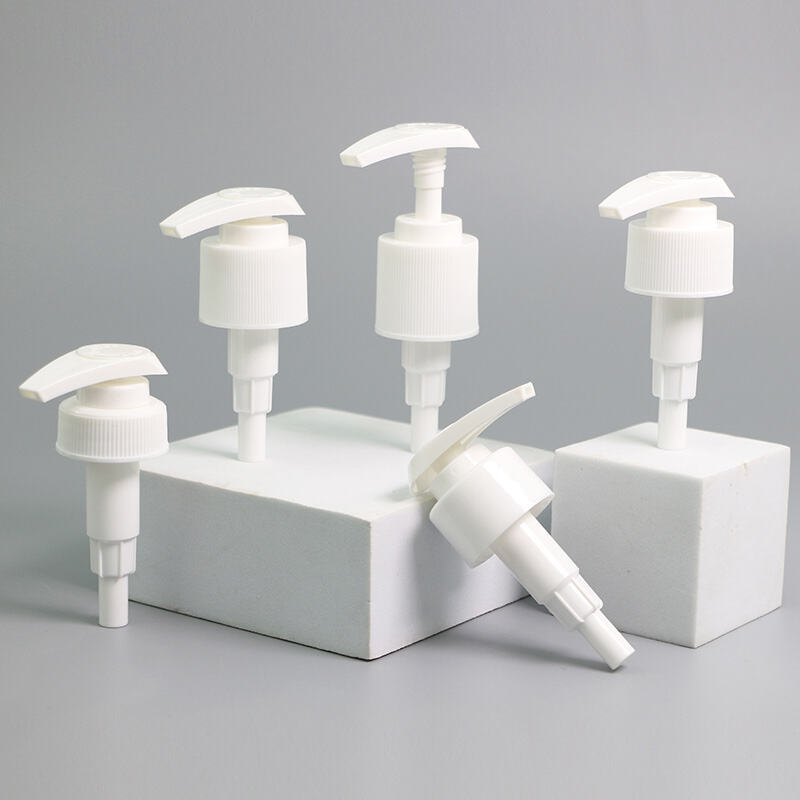
Bối cảnh tiêu dùng và công nghiệp hiện đại đòi hỏi các giải pháp phân phối hiệu quả, vệ sinh và chính xác cho nhiều loại sản phẩm lỏng khác nhau. Một bơm dispenser đại diện cho đỉnh cao của công nghệ phân phối chất lỏng, mang đến sự tiện lợi và kiểm soát vượt trội trong các ứng dụng từ sản phẩm chăm sóc cá nhân đến hóa chất công nghiệp. Những cơ chế đổi mới này đã cách mạng hóa cách doanh nghiệp và người tiêu dùng tương tác với các sản phẩm dạng lỏng, cung cấp liều lượng đo đạc chính xác đồng thời duy trì độ nguyên vẹn của sản phẩm và giảm thiểu lãng phí.
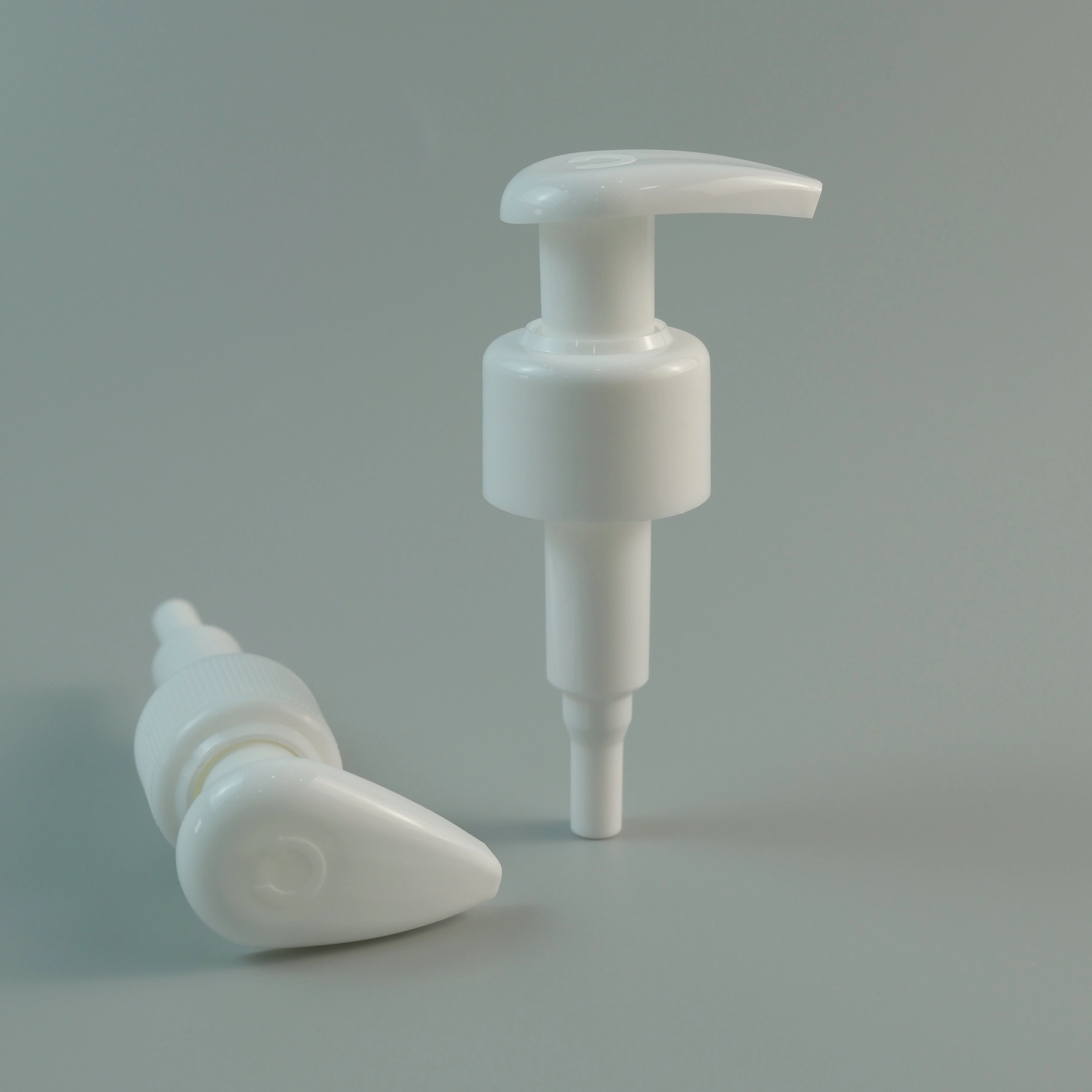
Các Tính Năng Thiết Yếu Của Hiện Đại Bơm phân phối Hệ thống
Cơ Chế Đo Liều Chính Xác
Một vòi bơm được thiết kế kỹ lưỡng cung cấp lượng chất lỏng đồng đều và chính xác mỗi lần sử dụng, loại bỏ sự phỏng đoán và giảm lãng phí sản phẩm. Cơ chế bên trong có lò xo đảm bảo phân bố áp lực đồng nhất, cho phép người dùng lấy đúng lượng cần thiết cho từng ứng dụng cụ thể. Độ chính xác này trở nên đặc biệt quan trọng trong các môi trường thương mại, nơi tính nhất quán của sản phẩm ảnh hưởng trực tiếp đến sự hài lòng của khách hàng và hiệu quả vận hành.
Độ chính xác liều lượng của một vòi bơm chất lượng thường dao động từ 0,5ml đến 4ml mỗi lần nhấn, tùy thuộc vào thiết kế đầu bơm và mục đích sử dụng. Việc dispensing kiểm soát này giúp duy trì độ tươi mới của sản phẩm bằng cách hạn chế tiếp xúc với không khí và các tác nhân gây nhiễm, kéo dài thời hạn sử dụng và bảo vệ các thành phần hoạt tính của chất lỏng. Các cơ sở sản xuất sử dụng những cơ chế chính xác này để đảm bảo chất lượng sản phẩm đồng đều trong các dây chuyền sản xuất quy mô lớn.
Tính bền vững và cấu tạo vật liệu
Các hệ thống bơm chiết rót chuyên dụng được tích hợp các vật liệu chất lượng cao như polypropylene, polyethylene và các bộ phận bằng thép không gỉ, có khả năng chống ăn mòn và suy giảm do hóa chất. Những vật liệu này đảm bảo chức năng lâu dài ngay cả khi tiếp xúc với các công thức mạnh hoặc chu kỳ sử dụng thường xuyên. Cấu tạo chắc chắn cho phép các bơm này chịu được hàng ngàn lần hoạt động mà vẫn duy trì hiệu suất tối ưu.
Cơ chế lò xo bên trong một bơm chiết rót trải qua quá trình kiểm tra nghiêm ngặt để đảm bảo hiệu suất ổn định trong thời gian dài. Các nhà sản xuất uy tín thực hiện các quy trình thử nghiệm độ bền mô phỏng nhiều năm sử dụng thông thường, nhằm đảm bảo bơm duy trì độ chính xác khi chiết rót và vận hành trơn tru trong suốt tuổi thọ phục vụ. Độ bền này giúp giảm chi phí thay thế và nâng cao độ tin cậy cho người dùng cuối.
Ứng dụng trong nhiều ngành công nghiệp
Chăm sóc cá nhân và mỹ phẩm
Ngành hàng chăm sóc cá nhân đã áp dụng công nghệ bơm chiết rót cho các sản phẩm từ nước rửa tay sát khuẩn đến các công thức chăm sóc da cao cấp. Một bơm phân phối cung cấp phương pháp phân phối vệ sinh mà người tiêu dùng yêu cầu, đặc biệt trong môi trường hậu đại dịch nơi các giải pháp không tiếp xúc hoặc ít tiếp xúc được ưu tiên.
Các nhà sản xuất mỹ phẩm được lợi từ việc phân phối có kiểm soát giúp ngăn ngừa nhiễm bẩn sản phẩm và duy trì độ ổn định công thức. Cơ chế bơm bảo vệ các thành phần nhạy cảm khỏi tiếp xúc với không khí và nhiễm vi khuẩn, những yếu tố quan trọng đối với các sản phẩm chứa thành phần hoạt tính như retinoid, vitamin C hoặc peptide. Sự bảo vệ này đảm bảo người tiêu dùng nhận được sản phẩm với đầy đủ hiệu lực và mức độ hiệu quả như mong muốn.
Ứng dụng trong Y tế và Dược phẩm
Các cơ sở y tế dựa vào hệ thống bơm dispenser để cung cấp chất khử trùng, chất kháng khuẩn và nhiều loại thuốc thoa khác nhau, nơi việc đo liều lượng chính xác và phân phối vô trùng là yếu tố hàng đầu. Việc vận hành không cần dùng tay, có thể thực hiện trên nhiều thiết kế bơm dispenser, giúp giảm nguy cơ lây nhiễm chéo trong môi trường lâm sàng. Các chuyên gia y tế đánh giá cao việc cung cấp liều lượng ổn định, đảm bảo sử dụng đúng cách các tác nhân kháng khuẩn và sản phẩm điều trị.
Ứng dụng dược phẩm của công nghệ bơm dispenser bao gồm các hệ thống phân phối thuốc thoa đòi hỏi liều lượng chính xác để đạt hiệu quả điều trị. Việc phân phối được kiểm soát giúp bệnh nhân tuân thủ đúng phác đồ liều lượng quy định đồng thời giảm thiểu lãng phí các loại thuốc đắt tiền. Độ chính xác này trở nên đặc biệt quan trọng đối với các công thức pha chế và thuốc chuyên biệt, nơi độ chính xác về liều lượng ảnh hưởng trực tiếp đến kết quả điều trị.
Thông số kỹ thuật và Tiêu chuẩn Hiệu suất
Khả năng tương thích Đầu bơm
Các mẫu bơm dispensers khác nhau phù hợp với các kích cỡ cổ chai khác nhau, với các thông số kỹ thuật phổ biến bao gồm hệ thống ren 24/410, 28/410 và 28/415. Sự tương thích này đảm bảo tích hợp liền mạch với các dây chuyền đóng gói hiện có và cho phép các nhà sản xuất duy trì tính nhất quán trong nhận diện thương hiệu trên các dòng sản phẩm. Các tiêu chuẩn ren phổ thông giúp việc thay thế và bảo trì hệ thống bơm trở nên dễ dàng trong các ứng dụng thương mại.
Hệ thống khóa kín của bơm dispenser phải tạo ra lớp kín khí để ngăn rò rỉ sản phẩm và duy trì độ chân không bên trong container. Các loại bơm chất lượng cao tích hợp công nghệ làm kín tiên tiến, có khả năng chịu được các chu kỳ giãn nở và co rút do nhiệt mà không làm giảm hiệu suất. Khả năng kín này trở nên quan trọng đối với các sản phẩm chứa hợp chất dễ bay hơi hoặc những sản phẩm bị ảnh hưởng bởi sự thay đổi nhiệt độ trong quá trình lưu trữ và vận chuyển.
Lưu lượng chảy và xử lý độ nhớt
Một hệ thống bơm dispenser chuyên nghiệp xử lý các chất lỏng trong dải độ nhớt rộng, từ các chất khử trùng loãng đến các loại kem và gel đặc. Thiết kế van bên trong và lực căng lò xo được hiệu chuẩn để phù hợp với các đặc tính chất lỏng khác nhau đồng thời duy trì hiệu suất dispensing ổn định. Tính linh hoạt này cho phép các nhà sản xuất sử dụng các hệ thống bơm tiêu chuẩn hóa trên nhiều dòng sản phẩm khác nhau, giảm độ phức tạp về hàng tồn kho và chi phí mua sắm.
Đặc tính lưu lượng của một bơm dispenser phụ thuộc vào một số yếu tố bao gồm thiết kế bộ truyền động, chiều dài ống hút và thể tích buồng bên trong. Các kỹ sư tối ưu hóa các thông số này để đạt được đặc tính dispensing mong muốn cho từng ứng dụng cụ thể. Các thiết kế bơm tiên tiến tích hợp các điều khiển lưu lượng có thể điều chỉnh, cho phép người dùng tuỳ chỉnh thể tích dispensing theo yêu cầu riêng của họ.
Kiểm soát Chất lượng và Giao thức Kiểm tra
Các Tiêu Chuẩn Xác Nhận Hiệu Suất
Chất lượng sản xuất cho các hệ thống bơm dispensers bao gồm các quy trình kiểm tra toàn diện nhằm đánh giá độ bền cơ học, khả năng tương thích hóa học và độ chính xác khi dispensing. Các bài kiểm tra này mô phỏng điều kiện sử dụng thực tế, bao gồm việc nhấn bóp lặp lại nhiều lần, tiếp xúc với các công thức khác nhau và thay đổi nhiệt độ. Các chương trình đảm bảo chất lượng đảm bảo rằng mỗi bơm dispenser đáp ứng hoặc vượt quá các tiêu chuẩn hiệu suất ngành trước khi đến tay người dùng cuối.
Kiểm tra rò rỉ là một bước kiểm soát chất lượng then chốt trong sản xuất bơm dispenser, khi các nhà sản xuất áp dụng các phương pháp kiểm tra suy giảm áp suất và phát hiện rò rỉ chân không. Các quy trình này xác minh tính toàn vẹn của tất cả các bề mặt làm kín và đảm bảo bơm duy trì được áp suất chân không trong thời gian dài. Kiểm soát chất lượng đúng cách giúp ngăn ngừa sự cố ngoài thực địa và duy trì độ nguyên vẹn sản phẩm trong suốt chuỗi phân phối.
Tuân thủ quy định và tiêu chuẩn an toàn
Các nhà sản xuất bơm chiết rót phải tuân thủ các tiêu chuẩn quy định khác nhau tùy theo ứng dụng dự định, bao gồm quy định của FDA đối với vật liệu tiếp xúc thực phẩm và các yêu cầu đóng gói dược phẩm. Những tiêu chuẩn tuân thủ này đảm bảo vật liệu và quy trình sản xuất bơm đáp ứng các yêu cầu an toàn cho người tiêu dùng và sử dụng chuyên nghiệp. Các cuộc kiểm toán và chứng nhận định kỳ xác minh việc tuân thủ liên tục với khung quy định luôn thay đổi.
Kiểm tra an toàn cho hệ thống bơm chiết rót bao gồm đánh giá tính tương thích sinh học của vật liệu, thử nghiệm các hợp chất chiết xuất được và xác minh nắp chống trẻ em khi áp dụng. Các quy trình an toàn toàn diện này bảo vệ người dùng cuối và đảm bảo hệ thống bơm không làm phát sinh tạp chất hay nguy cơ an toàn vào sản phẩm được chiết rót. Các nhà sản xuất lưu giữ tài liệu chi tiết về mọi quy trình kiểm tra và kết quả để hỗ trợ hồ sơ đăng ký quy định và kiểm toán của khách hàng.
Các thực hành tốt nhất cho việc lắp đặt và bảo trì
Quy trình lắp đặt đúng cách
Việc lắp đặt đúng cách một bơm dispenser đòi hỏi phải chú ý đến việc ăn khớp ren, độ nén của gioăng kín và vị trí ống hút. Đầu bơm phải được vặn ren hoàn toàn vào chai chứa để đảm bảo kín khít, đồng thời tránh siết quá chặt có thể làm hư ren hoặc cơ chế bơm. Lắp đặt đúng cách sẽ đảm bảo hiệu suất tối ưu và ngăn ngừa các sự cố thường gặp như khó hút mồi hoặc xả sản phẩm không đều.
Việc điều chỉnh chiều dài ống hút là một thông số lắp đặt quan trọng ảnh hưởng đến hiệu suất bơm và hiệu quả rút cạn sản phẩm. Ống hút cần kéo dài gần sát đáy chai nhưng không chạm vào đáy, cho phép lấy hết sản phẩm trong khi vẫn duy trì hoạt động chân không phù hợp. Các nhà sản xuất thường cung cấp hướng dẫn lắp đặt quy định chiều dài ống hút tối ưu cho các kiểu chai khác nhau.
Bảo trì định kỳ và xử lý sự cố
Việc bảo trì định kỳ các hệ thống bơm dispenser bao gồm làm sạch cơ chế bộ truyền động và kiểm tra các gioăng đệm để phát hiện mài mòn hoặc hư hỏng. Các quy trình bảo trì đơn giản có thể kéo dài đáng kể tuổi thọ bơm và duy trì hiệu suất ổn định. Người dùng nên tuân theo các khuyến nghị của nhà sản xuất về dung dịch và quy trình làm sạch để tránh gây hư hại các bộ phận bơm hoặc làm suy giảm chất liệu gioăng đệm.
Các sự cố thường gặp khi sử dụng hệ thống bơm dispenser bao gồm khả năng mồi kém, lượng phân phối không đều và bộ truyền động bị kẹt. Hầu hết các vấn đề này có thể được khắc phục thông qua các quy trình làm sạch đúng cách hoặc thay thế các bộ phận cụ thể như lò xo hoặc gioăng đệm. Việc nắm vững các kỹ thuật xử lý sự cố cơ bản giúp người dùng duy trì hiệu suất tối ưu của bơm và giảm thiểu thời gian ngừng hoạt động trong các ứng dụng thương mại.
Hiệu quả chi phí và tỷ suất đầu tư
Lợi ích về chi phí vận hành
Khả năng chiết rót chính xác của một máy bơm chiết chất lượng cao làm giảm đáng kể lượng sản phẩm bị lãng phí so với các phương pháp chiết rót thay thế. Việc giảm thiểu chất thải này trực tiếp chuyển thành tiết kiệm chi phí, đặc biệt đối với các công thức đắt tiền hoặc ứng dụng có khối lượng lớn. Việc chiết rót được kiểm soát cũng làm giảm yêu cầu vệ sinh và tối thiểu hóa thất thoát sản phẩm trong quá trình xử lý và sử dụng.
Cải thiện hiệu suất lao động đến từ sự dễ sử dụng và hiệu suất ổn định của các hệ thống máy bơm chiết chuyên nghiệp. Người lao động có thể chiết sản phẩm nhanh chóng và chính xác mà không cần đo lường hay phỏng đoán lượng phù hợp, từ đó nâng cao năng suất và giảm sai sót trong quá trình thi công. Hiệu quả này trở nên đặc biệt giá trị trong các môi trường sản xuất hoặc dịch vụ nơi tốc độ và độ chính xác trong việc chiết ảnh hưởng trực tiếp đến hiệu suất vận hành tổng thể.
Đề xuất giá trị lâu dài
Độ bền và độ tin cậy của các hệ thống bơm dispensers chất lượng cao mang lại giá trị lâu dài nhờ giảm chi phí thay thế và yêu cầu bảo trì tối thiểu. Những loại bơm này thường hoạt động ổn định trong hàng ngàn chu kỳ, trở thành giải pháp tiết kiệm chi phí cho cả ứng dụng thương mại và công nghiệp. Khoản đầu tư ban đầu vào các hệ thống bơm chất lượng sẽ được hoàn trả thông qua tuổi thọ sử dụng kéo dài và hiệu suất ổn định.
Cơ hội nâng cao thương hiệu xuất phát từ vẻ ngoài chuyên nghiệp và hoạt động trơn tru của các hệ thống bơm dispenser cao cấp. Khách hàng liên kết cơ chế dispensing chất lượng với chất lượng tổng thể của sản phẩm, từ đó có thể gia tăng lòng trung thành với thương hiệu và hỗ trợ chiến lược định giá cao. Những cải thiện về trải nghiệm người dùng do bơm chất lượng mang lại có thể giúp phân biệt sản phẩm trên thị trường cạnh tranh và hỗ trợ các nỗ lực định vị thương hiệu.
Câu hỏi thường gặp
Bơm dispenser có thể xử lý hiệu quả dải độ nhớt trong khoảng nào
Một bơm dispensers chất lượng có thể xử lý hiệu quả các chất lỏng từ dạng loãng như nước (1 centipoise) đến các loại gel và kem đặc lên tới 50.000 centipoise. Cơ chế bên trong của bơm, bao gồm lực căng lò xo và thiết kế van, được thiết kế để phù hợp với dải độ nhớt rộng này trong khi vẫn duy trì hiệu suất phân phối ổn định. Đối với các sản phẩm cực kỳ đặc, các thiết kế bơm chuyên dụng cho độ nhớt cao sẵn có với các thành phần nội bộ đã được điều chỉnh.
Làm cách nào để xác định kích cỡ bơm phù hợp cho chai đựng của tôi
Việc lựa chọn kích cỡ bơm phụ thuộc vào ren miệng chai của bạn, thường được ghi theo định dạng như 24/410 hoặc 28/410. Con số đầu tiên chỉ đường kính miệng chai tính bằng milimét, trong khi con số thứ hai biểu thị bước ren. Hãy đo đường kính miệng chai và tham khảo ý kiến nhà sản xuất bơm để đảm bảo sự tương thích. Ngoài ra, cần xem xét chiều dài ống dẫn (dip tube) cần thiết để chạm đáy chai đựng cụ thể của bạn.
Bảo trì nào cần thiết để đảm bảo hiệu suất tối ưu cho bơm máy dispensers
Bảo trì định kỳ bao gồm việc làm sạch cơ chế bơm bằng các dung môi phù hợp để loại bỏ sự tích tụ sản phẩm và ngăn chặn tình trạng kẹt cần gạt. Kiểm tra định kỳ các gioăng đệm để phát hiện dấu hiệu mài mòn hoặc hư hỏng, và thay thế khi cần thiết nhằm duy trì độ chân không thích hợp và ngăn rò rỉ. Đối với các ứng dụng thương mại, hãy thiết lập lịch bảo trì dựa trên tần suất sử dụng và đặc tính của sản phẩm để đảm bảo hiệu suất ổn định.
Các bơm dispenser có thể được tái chế hay thân thiện với môi trường không
Hầu hết các bơm dispenser hiện đại được sản xuất từ các vật liệu có thể tái chế như polypropylene và polyethylene, do đó đây là lựa chọn có trách nhiệm với môi trường. Tuy nhiên, do cấu tạo từ nhiều loại vật liệu kết hợp và lò xo kim loại, chúng có thể cần được tháo rời để tái chế đúng cách. Nhiều nhà sản xuất đang phát triển các thiết kế bơm dùng một loại vật liệu duy nhất để cải thiện khả năng tái chế và giảm tác động đến môi trường, đồng thời vẫn duy trì các tiêu chuẩn về hiệu suất.